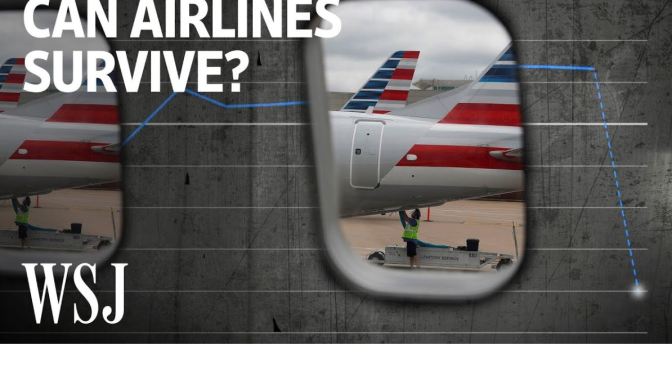
After an unprecedented drop in air travel due to the coronavirus, passenger airlines are being forced to make long-term, make-or-break decisions at a time of great uncertainty and minimal cash flow. So how are they planning to survive? WSJ finds out.
Plexiglass dividers and floor decals might not be permanent, but the pandemic will bring lasting change to offices. Experts from the architecture and real-estate industries share how they are getting back to work and what offices will look like in the future.
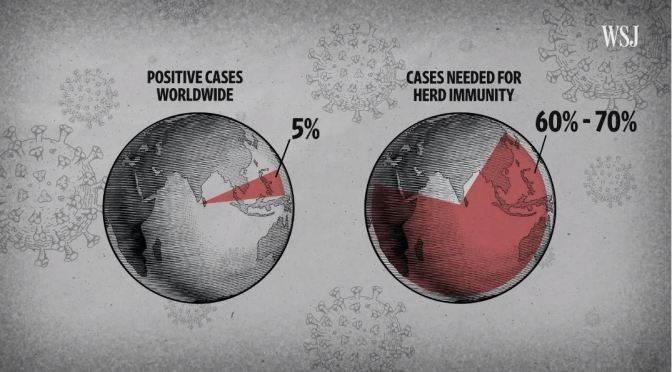
Scientists are working at breakneck speed to develop an effective vaccine for the coronavirus. Their ultimate goal: to immunize enough of the world’s population to reach herd immunity. WSJ explains.
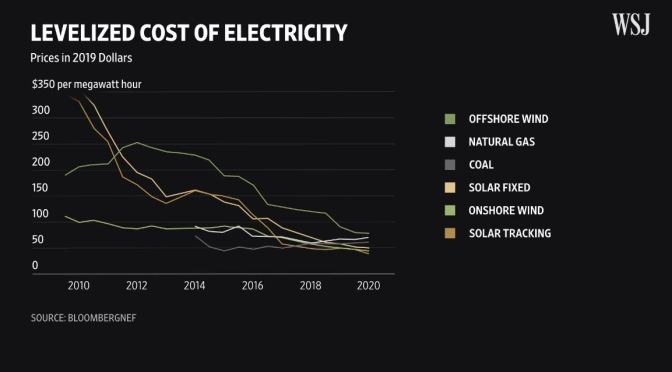
An abundance of fossil fuels combined with advances in technology to harness wind and solar power has sent energy prices crashing around the world. WSJ explains how it all happened at once.
Economists have long used letters of the alphabet like V and U to describe economic recoveries. But the coronavirus downturn is so different from past recessions that economists are coming up with new shapes to describe the potential recovery. WSJ explains.
Will the coronavirus pandemic lead to long-term changes in how we shop for food? To better understand the challenges facing grocery stores, WSJ’s Alexander Hotz spoke with an industry insider, a store owner and a Walmart executive.
Public health organizations track the spread of coronavirus and use graphs and charts to visualize the data. WSJ’s Brianna Abbott explains what to look for in the data to understand how the virus is impacting your community.
In recent weeks, protests have erupted in response to police violence against citizens – specifically communities of color – forcing departments to reconsider how officers do their jobs. Police forces have been using tech – like Tasers and body cameras – to try and reduce the use of lethal force and improve accountability.
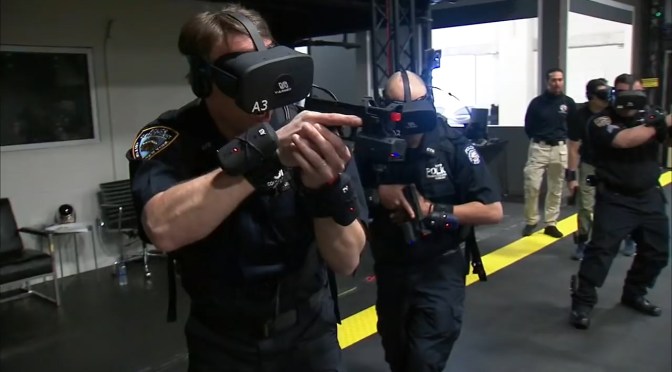
In this episode, we’ll explore how emerging technology – like virtual reality training – could improve police training by boosting empathy and tackling racial bias.
Traveling on trains and buses means potential exposure to the coronavirus, so cities are racing to make their public transit systems safe. WSJ explores how things like sanitizing robots, working from home and expanded bike lanes are changing our commutes. Video/Illustration: Jaden Urbi and Zoë Soriano.


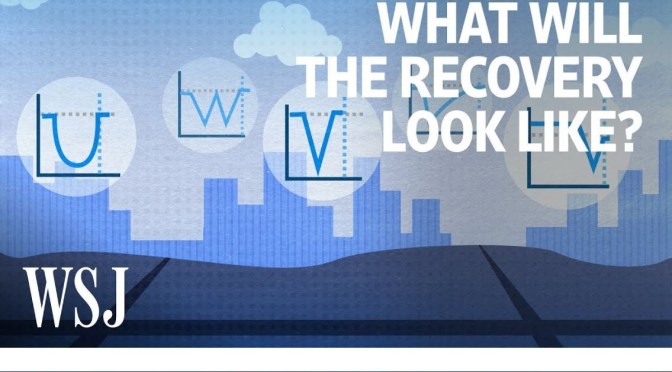
 Economists have long used letters of the alphabet like V and U to describe economic recoveries. But the coronavirus downturn is so different from past recessions that economists are coming up with new shapes to describe the potential recovery. WSJ explains.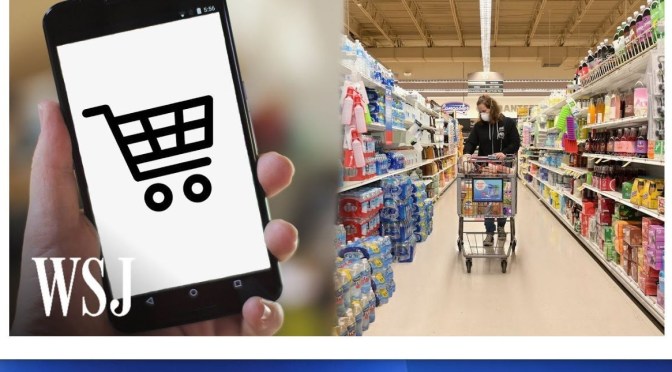

 In recent weeks, protests have erupted in response to police violence against citizens – specifically communities of color – forcing departments to reconsider how officers do their jobs. Police forces have been using tech – like Tasers and body cameras – to try and reduce the use of lethal force and improve accountability.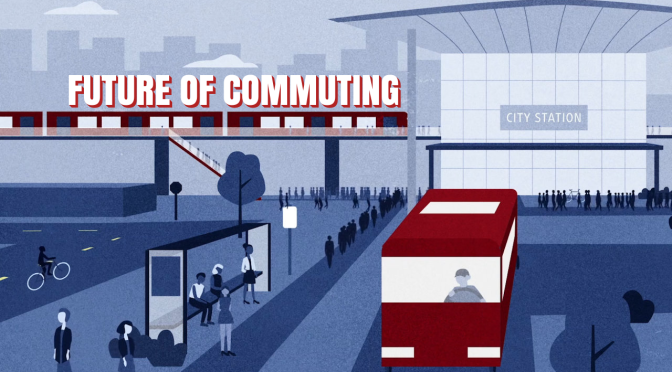

 The Wall Street Journal looks at how air travel will change and what it will be like to fly after the pandemic.
 Boomers Daily