

Munich, Bavaria’s capital, is home to centuries-old buildings and numerous museums. The city is known for its annual Oktoberfest celebration and its beer halls, including the famed Hofbräuhaus, founded in 1589. In the Altstadt (Old Town), central Marienplatz square contains landmarks such as Neo-Gothic Neues Rathaus (town hall), with a popular glockenspiel show that chimes and reenacts stories from the 16th century.
Tag Archives: Videos

Aerial Views: Tumpak Sewu Waterfall, Java, Indonesia
Tumpak Sewu, also known as Coban Sewu, is a tiered waterfall that is located between the Pronojiwo District, Lumajang Regency, and the Ampelgading District, Malang Regency, in East Java, Indonesia. The waterfall is overshadowed by Semeru, an active volcano and the highest mountain in Java.
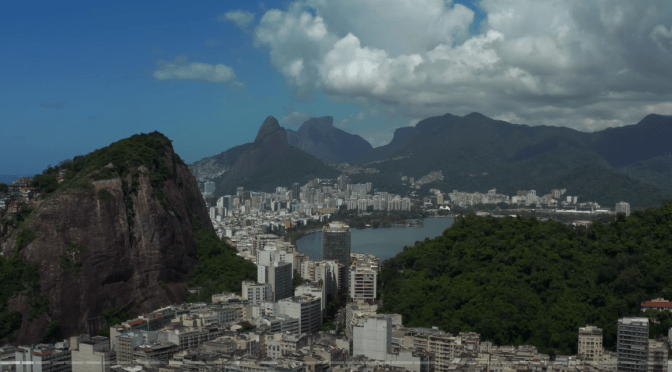
Travel Views: Landscapes And Cities Of Brazil (8K)
Brazil, officially the Federative Republic of Brazil, is the largest country in both South America and Latin America. At 8.5 million square kilometers and with over 211 million people, Brazil is the world’s fifth-largest country by area and the sixth most populous.
Cities: 50-Year Plan To Halt Flooding In Copenhagen
As the sea level rises on the shores of Copenhagen—likely by at least a foot and a half by the end of the century—the city will become more vulnerable to flooding during storms. So the government is now making plans to take a drastic step as part of its plan for protection: Over the coming decades, it will build an artificial island to hold the rising water back, while doubling as room for new housing.
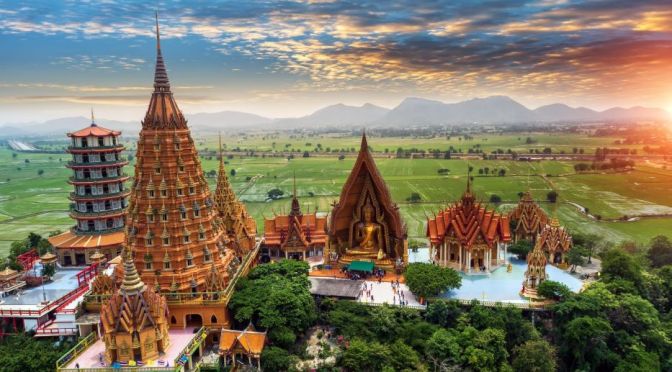
Views: Kanchanaburi In Western Thailand (4K)
Kanchanaburi is a town in west Thailand. It’s known for the Death Railway, built during WWII. The line crosses over the River Khwae Yai via the Death Railway Bridge. Displays at the JEATH War Museum honor the prisoners of war who died building the bridge. The Thailand–Burma Railway Centre explores the wider history of the railway. Nearby, thousands of Allied soldiers are buried at the Kanchanaburi War Cemetery.

Views: Winter In The High Desert, Northern Nevada
A wintry view of the high desert of northern Nevada. Videographer: Derek Reich.

Walking Tour: The Eiffel Tower In Paris, France (4K)
The Eiffel Tower is a wrought-iron lattice tower on the Champ de Mars in Paris, France. It is named after the engineer Gustave Eiffel, whose company designed and built the tower.
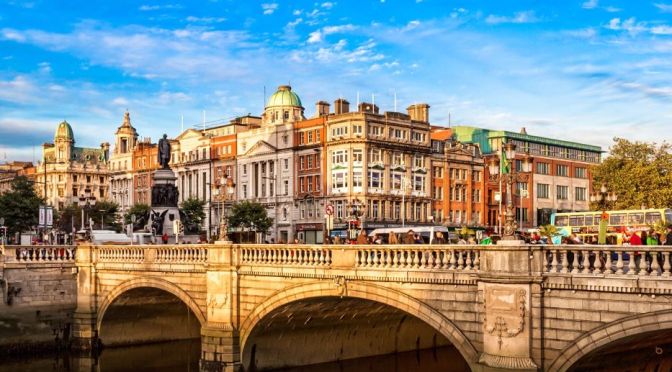
Walking Tour: Dublin – Capital Of Ireland (4K)
Dublin, capital of the Republic of Ireland, is on Ireland’s east coast at the mouth of the River Liffey. Its historic buildings include Dublin Castle, dating to the 13th century, and imposing St Patrick’s Cathedral, founded in 1191. City parks include landscaped St Stephen’s Green and huge Phoenix Park, containing Dublin Zoo. The National Museum of Ireland explores Irish heritage and culture
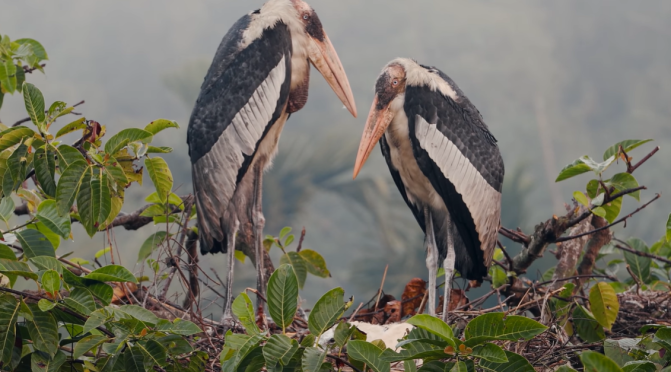
Conservation: Saving The Hargila Stork In India
A wildlife photographer travels to India intent on documenting the rarest stork on earth but soon discovers a conservation hero and her inspiring efforts to rally a community to save it.
The Greater Adjutant is a large scavenging stork that was once widely distributed across India and Southeast Asia but is now confined to a last stronghold in Assam, India, with small populations persisting in Cambodia’s northern plains region. The species is classified as Endangered by the IUCN with a rapidly declining population of around 1,200 individuals. The key threats to the species are direct human persecution, particularly at nesting colonies, habitat destruction, including felling of nest-trees, and drainage, conversion, pollution and degradation of wetlands. Historically, adjutants bred during the dry season, taking advantage of abundant prey steadily trapped by receding water levels, and scavenging the remains of now extirpated megafauna. Today, the last adjutants survive alongside humans, congregating at garbage dumps and nesting colonially in rural villages. The majority world’s remain population lives around the city of Guwahati and relies on a single garbage dump for food and nearby villages for nesting. As the adjutant’s nesting colonies occur outside of state protected areas in Assam, community conservation initiatives are the only hope for saving the bird from extinction. Through the efforts of a remarkable conservation leader, Dr. Purnima Devi Barman, and the movement she has inspired, the birds are now protected, celebrated, and increasing their numbers locally. Despite this success and the momentum to conserve the species, the Greater Adjutant’s existence remains precarious.
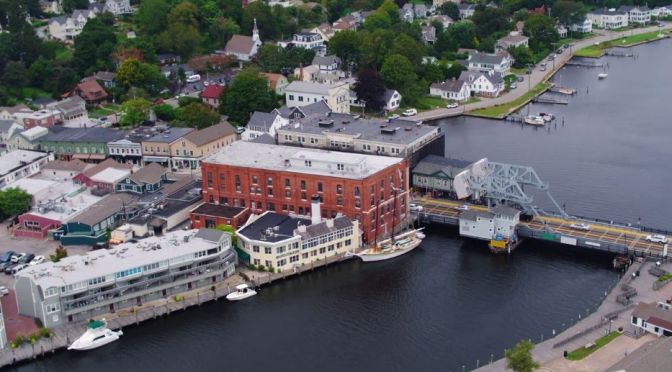
Views: Mystic Village Harbor, Connecticut
Mystic is a village and census-designated place in Groton and Stonington, Connecticut, United States. Historically, Mystic was a significant Connecticut seaport with more than 600 ships built over 135 years starting in 1784.
 Boomers Daily