

From a Jetsetter.com online review:
 Despite the overwhelming presence of boutique inns along the Atlantic, they’re not a strictly East Coast commodity. Case in point: Sonoma’s Farmhouse Inn.
The 25-room property, located just 30 minutes from Calistoga and Napa Valley, attracts visitors from near and far with guest rooms done up in homey, (you guessed it) farmstead-style decor (think: plaid throws and rustic tree limb end tables, all adhering to a neutral palette of white, beige, and brown), brightened up by bouquets of fresh seasonal flowers.  Beyond its aesthetically-pleasing interiors, the inn also knows a thing or two about food—starting with a nightly turndown service that includes homemade cookies and milk, and ending with the Farmhouse Restaurant, an onsite Michelin-starred, farm-to-table dining experience with killer dishes like peach salad, chanterelle tortellini, and wild Alaskan halibut.
To read more: https://www.jetsetter.com/magazine/the-coziest-inns-ever/?

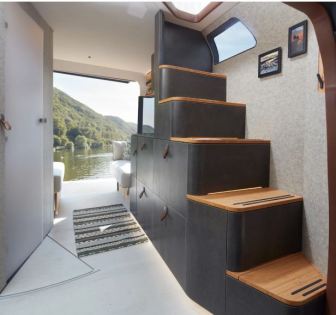 This year at Düsseldorf, the Erwin Hymer Group debuted the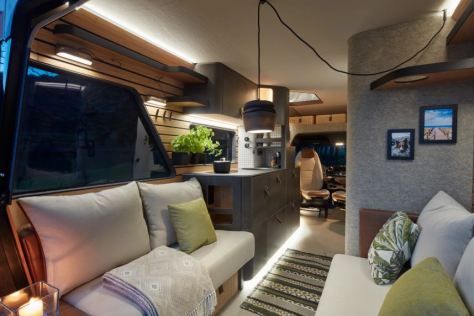

 On “Travel Man,” Ayoade is fun to look at (snappy suits, thick-framed glasses, expression of amused diffidence) and fun to listen to. (Of a monastery turned hotel in Naples, he says, “As well as modish guff, like a rooftop pool and a spa, it retains attractive old shiz, like staircases dug into the hillside.”) His persona is warmly amused, broadly skeptical, and gently astringent—i.e., British. He’s not a joiner. His intros conclude with him saying, in that episode’s particular city and with that episode’s particular guest, “We’re here, but should we have come?”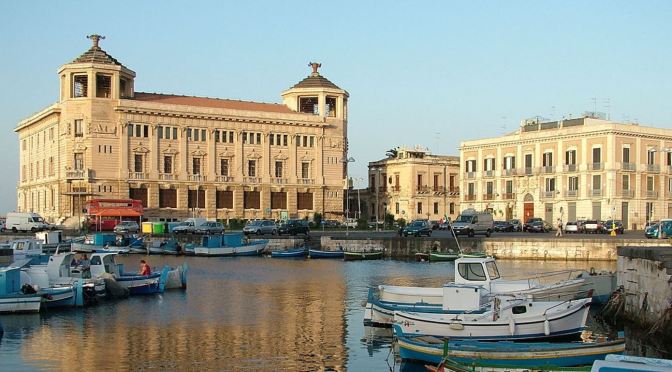
 A passeggiata, or evening walk, around the perimeter of Ortigia reveals many notable structures and stories. Start from the Parco Letterario Elio Vittorini, on the eastern side, and head clockwise. As waves crash against the rocks below the sea wall, you’ll pass crenelated lookout points and the chiseled facade of the 17th-century Chiesa dello Spirito Santo, before finding yourself in the palm-planted gardens of the 13th-century Castello Maniace.
 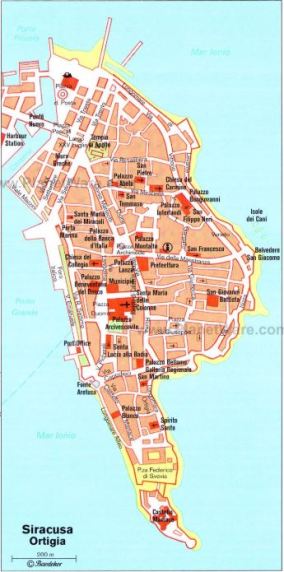 Ithe southeastern Sicilian city that Cicero called “the greatest and most beautiful of all Grecian cities” achieved a size and status in the ancient world that made it a rival of major powers like Athens and Carthage. Takeovers and makeovers by Romans, Byzantines, North Africans, Normans and others left their marks as well, influencing everything from religious art to the region’s distinctive savory-sweet-sour cooking style. Much of the ancient city has crumbled since Cicero’s day, though the ruins can still be explored in Syracuse’s celebrated archaeological park and museum. But the main attraction today is the historical center of Syracuse: Ortigia island, a maze of narrow streets, ornate Baroque churches and centuries-old palazzi.
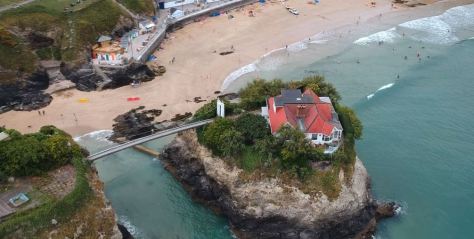


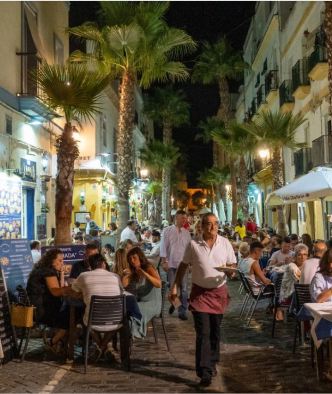 One of the reasons the province of Cádiz is on this year’s 52 Places list is food, as chefs in the area are innovating with pork and fish, the base ingredients here. I tried out a few of the white-tablecloth joints, but came away remembering the noisy, cheap tapas bars that have been around forever.
 The city’s great unifier and appeal is its cuisine, especially the street-food: corner quesadillas, fast food tents outside of subway stops, stews served over hand-made tortillas, deep fried chicken tacos, tacos topped with rice served from street stands or a make-shift diner in the back of a van. In Mexico City, one can find great food everywhere at any price-point and at any time of day.



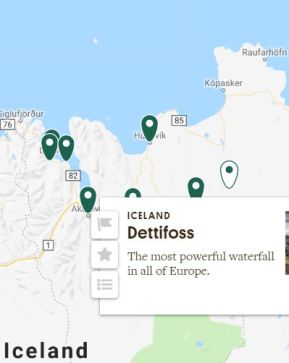 Having earned the superlative of “most powerful waterfall in Europe” because of its massive flow rate (3,059,112 U.S. gallons per minute), standing near this unfettered display of power will give you a healthy respect for the fury of nature.
 Optimized for an individual or a couple, this mid-century modern design delivers a functional layout in a sophisticated package. The mud room entry features a 7 ft.+ width wardrobe, a separate W/D utility closet and a nook with a bench and cubbies. Connecting this space to the rest of the interior is a gallery with recessed lighting and clerestory windows. From the gallery, ascend up the custom designed oak ladder into the sleeping loft enclosed with large windows. A compact, yet surprisingly luxurious bathroom features a vanity, wall-hung toilet and a full size, walk-in shower with recessed lighting and a window. Flooded with natural light, the main living area opens up to a large galley kitchen and a convertible U-sofa that transforms into a queen bed for the occasional guest. Living extends outside through the sliding patio door onto a large hardwood deck that can be raised and closed for transport.
 Boomers Daily