From a Caltech online article:
 During this decade, as in previous decades, Caltech scientists and engineers reinvented the landscape of scientific endeavor: from the first detection of gravitational waves and the discovery of evidence for a ninth planet in the solar system; to bold missions to explore and understand the solar system; to the development of new methods to see inside the body and the brain and understand the universe around us; to the invention of devices to improve human health, some taking inspiration from nature; to the initiation of a transformative new effort to support research into the most pressing challenges in environmental sustainability.
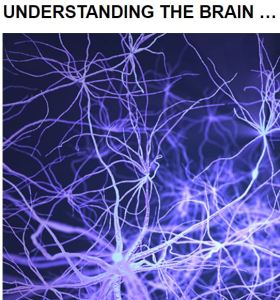 Though the brain orchestrates how we experience the world, many questions remain about its complex workings. During the past 10 years, Caltech scientists have discovered how the brain recognizes faces and drives and quenches thirst, and learned about the pathways that govern sleep. A major focus has been on understanding the experience of non-neurotypical individuals, such as those who have autism or those who are missing a brain hemisphere. New realms of neuroscience research were made possible in 2016, when philanthropists Tianqiao and Chrissy Chen announced a gift to establish the Tianqiao and Chrissy Chen Institute for Neuroscience at Caltech.
 As modern technology advances, so do the possibilities for treating medical conditions that were previously considered untreatable. Caltech researchers used an electrode array to help a paralyzed patient stand and move his legs voluntarily and developed a novel method for preventing the spread of diseases, contact lenses for preventing blindness in diabetic patients, an app that monitors heart health, gene therapy for repairing nerves in the brain, and a robotic arm controlled by a paralyzed patient’s intent to move. The decade also saw the establishment of the Merkin Institute for Translational Research, which aims to advance medical technologies, and a continued commitment to the Donna and Benjamin M. Rosen Bioengineering Center.
To read more: https://www.caltech.edu/about/news/decade-of-discovery



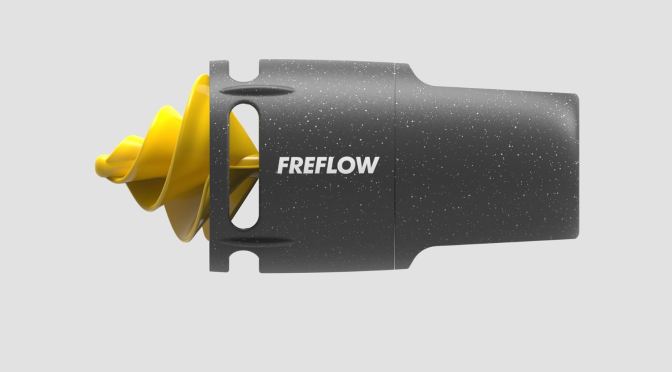
 The conical 3 blade Archimedes turbine channels air or water from up to 60 degrees of the central axis, making it far more efficient than traditional turbine designs, ideal for natural power generation when out in the wilderness.

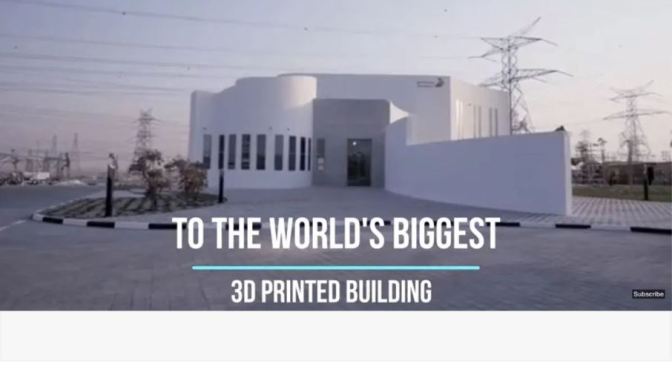
 Robotic construction company Apis Cor has used its technology to build the world’s largest 3D-printed building, a two-storey administrative office in Dubai.


 Boomers Daily