
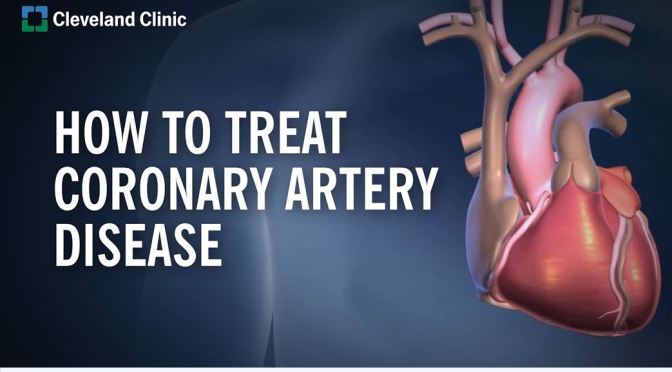
More than 360,000 people died from coronary artery disease in 2019. While there is no cure to the disease, you can take steps to lower your risk and manage the harmful plaque build-up impacting your health. The information in this video was accurate as of 11.25.2021 and is for information purposes only. Consult your local medical authority or your healthcare practitioner for advice.
Chapters: 0:00 Intro 0:12 What is coronary artery disease? 0:26 What are the signs of coronary artery disease? 0:41 Can you reverse coronary artery disease? 1:04 What are statins? 1:34 What are the treatments for coronary artery disease? 1:46 Make lifestyle changes to reduce your risk. 2:07 Taking medication can help treat coronary artery disease. 2:25 What is a coronary stent procedure? 3:03 What is coronary artery bypass graft surgery? 3:36 What’s the best treatment for coronary artery disease? 3:45 When should you talk to your doctor about coronary artery disease symptoms?









 Chloroquine was shown in 2004 to be active in vitro against SARS coronavirus but is of unproven efficacy and safety in patients infected with SARS-CoV-2. The drug’s potential benefits and risks for COVID-19 patients, without and with azithromycin, is discussed by Dr. David Juurlink, head of the Division of Clinical Pharmacology and Toxicology at Sunnybrook Health Sciences Centre in Toronto.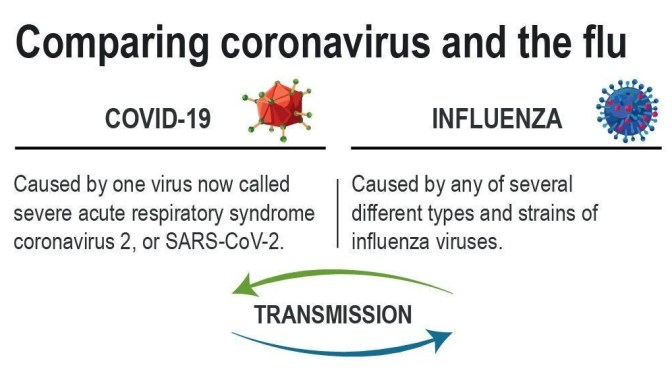
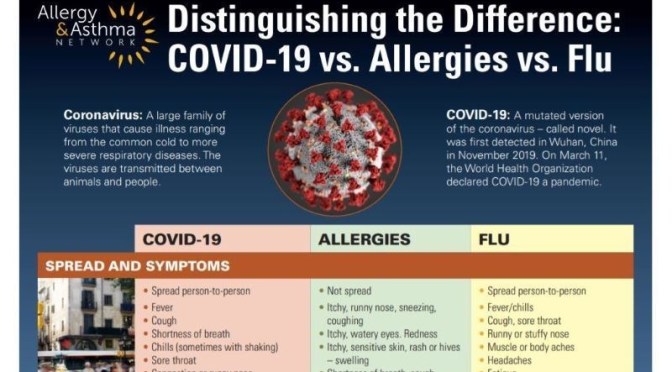
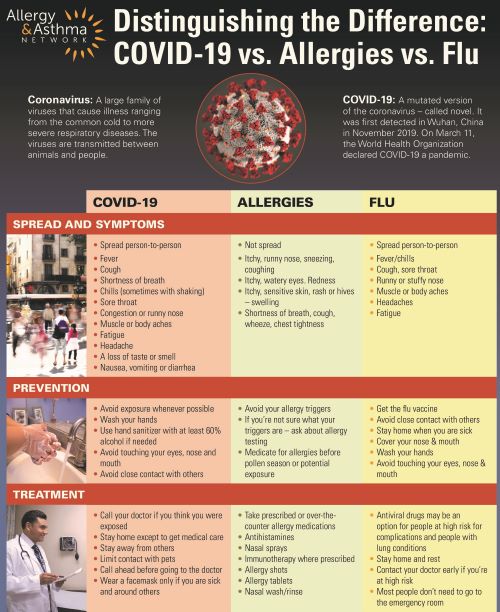
 Coronavirus appears to spread more slowly than the flu. This is probably the biggest difference between the two. The flu has a shorter incubation period (the time it takes for an infected person to show symptoms) and a shorter serial interval (or the time between successive cases). Coronavirus’s serial interval is around five to six days, while flu’s gap between cases is more like three days, the WHO says. So flu still spreads more quickly.
 Don’t blame snotty kids—adults are passing coronavirus around.
 Boomers Daily