
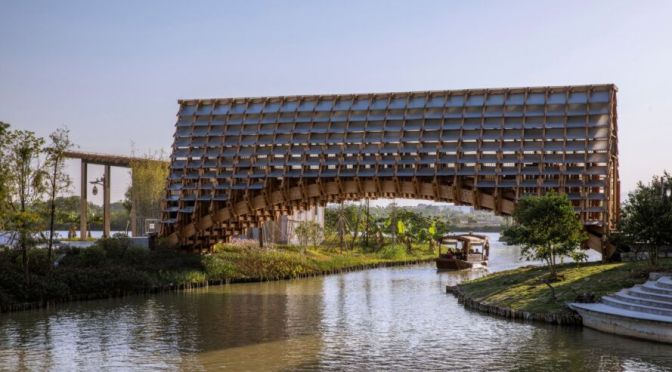
Winners of the 2022 Design Educates Awards. Each year, the Design Educates Awards highlight international design projects that tackle context-specific concerns and educate users about sustainability.
Tag Archives: Sustainable Building
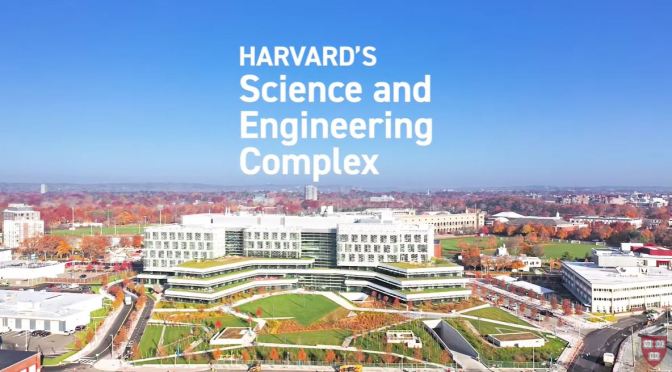
Green Buildings: ‘Science & Energy Complex’ At Harvard (Video Tour)
Harvard’s much-anticipated Science and Engineering Complex (SEC) in Allston is complete. The SEC is home to a portion of Harvard’s John A. Paulson School of Engineering and Applied Sciences (SEAS). Labs are setting up (some are already operational), furniture has been moved in, and offices are being transitioned. Assuming continued progress in controlling the virus, it will be open to students in the Fall of 2021. Join us for a look inside the new SEC – one of the most innovative, healthiest and energy-efficient buildings in the world!
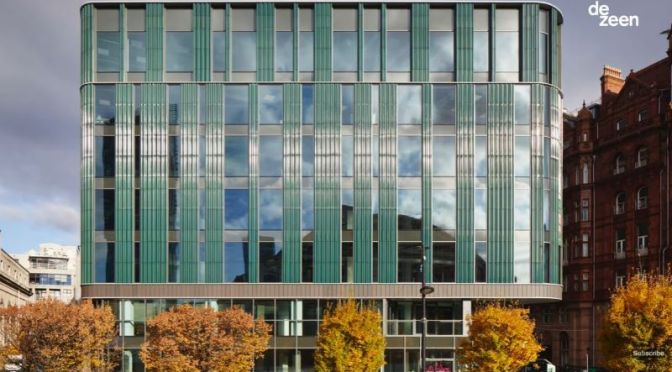
Green Renovation: ‘1970 Manchester, UK Building’ By TP Bennett Architects
This video produced by Dezeen for TP Bennett reveals how the architecture practice has transformed an old building in Manchester into an “ultra sustainable” mixed-use office building.
Called Windmill Green, the office building is a conversion of an unused 1970s structure in the heart of the city that was due to be demolished. The site has been transformed into a mixed-use co-working space fitted with several sustainable additions geared towards carbon reduction and biodiversity, such as solar panels, beehives, and “Manchester’s largest living wall”.
“Sustainability was a key driver with this scheme and we transferred a derelict and vacant building into an ultra sustainable and high-spec workplace” said Yvette Hanson, the principal director of TP Bennett, in the video. “At TP Bennett, we bring a deep commitment to carbon reduction to deliver buildings that better reflect the way people live, work and interact, while at the same time fostering a positive social impact,” she added.
Developed in collaboration with real estate investment boutique FORE Partnership, the building features a ground level dedicated to retail and a facade covered with the green terracotta tiles that are typical of buildings in Manchester.
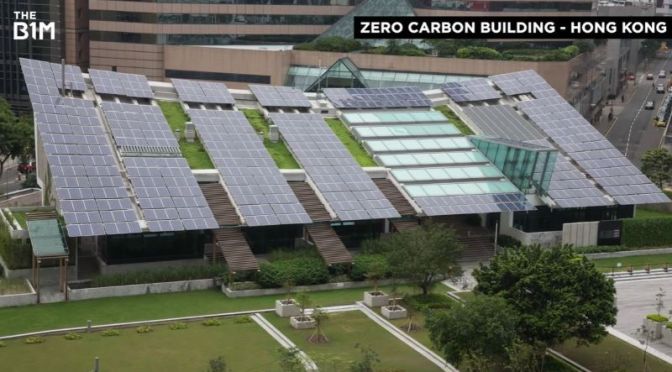
Net-Zero Tech: ‘Buildings Producing More Energy Than They Use’ (Video)
What if our buildings produced more energy than they used? From the United States to Hong Kong, these projects prove it can be done.
A zero-energy building (ZE), also known as a zero net energy (ZNE) building, net-zero energy building (NZEB), net zero building is a building with zero net energy consumption, meaning the total amount of energy used by the building on an annual basis is equal to the amount of renewable energy created on the site,[1][2] or in other definitions by renewable energy sources offsite, using technology such as heat pumps, high efficiency windows and insulation, and solar panels.
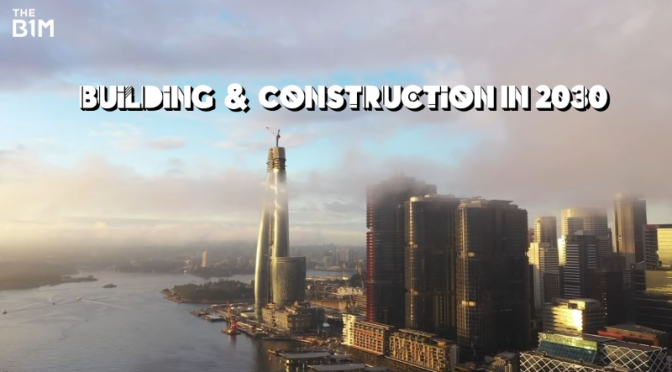
Future Of Cities: ‘Building & Construction In 2030’
Automation is widespread, sustainability is critical, carbon emissions are heavily restricted and our buildings are made in factories. Welcome to the construction industry of 2030.
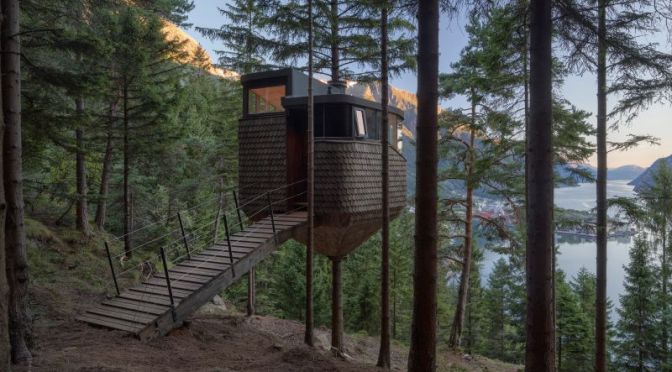
Sustainable Architecture: ‘Woodnest Treehouses’ Above Fjord In Norway
Woodnest – Up in the air
The steep forested hillsides around the Hardangerfjord above Odda, is the location of two Woodnest treehouses. The architecture is a specific response to the topography and conditions of the site itself. Inextricably crafted from nature, each treehouse is suspended 5-6m above the forest floor and fastened with a steel collar to the individual trunk of a living pine tree.
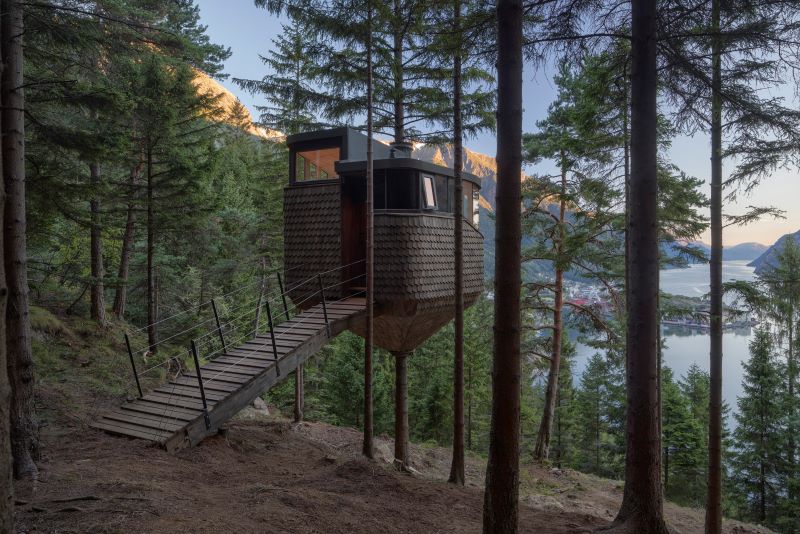


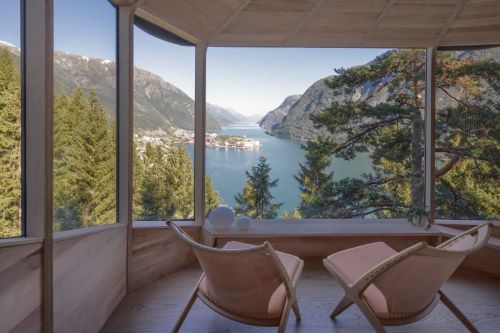
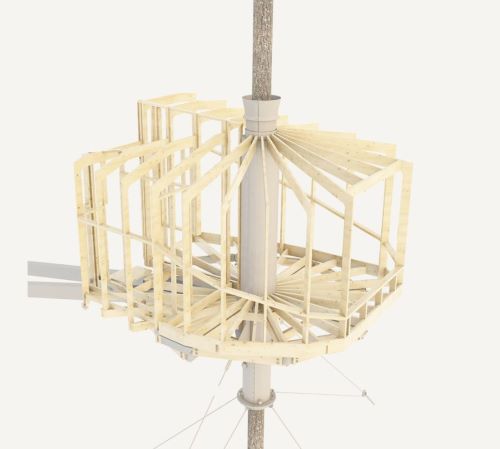
The journey to the site begins with the 20minute walk from the town of Odda, on the edge of the fjord and up through the forest via a steep winding path. Each treehouse is accessed via a small timber bridge, leading the visitor off the ground, into the structure and up in to the tree.
At just 15m2, carefully organized inside around the central tree trunk itself are four sleeping places, a bathroom, a kitchen area and a living space. From here one can lookout and experience the vast view out through the trees, down to the fjord below and across towards the mountains beyond.
At the very core of the project is the appreciation of timber as a building material. Inspired by the Norwegian cultural traditions of vernacular timber architecture, together with a desire to experiment with the material potential of wood, the architecture is structurally supported by the tree trunk itself, and formed from a series of radial glu-laminated timber ribs. The untreated natural timber shingles encase the volume creating a protective skin around the building, which will weather over time to merge and blend with the natural patina of the surrounding forest.
Sustainable Architecture: ‘Anandaloy In Bangladesh’ – Made of Bamboo & Mud

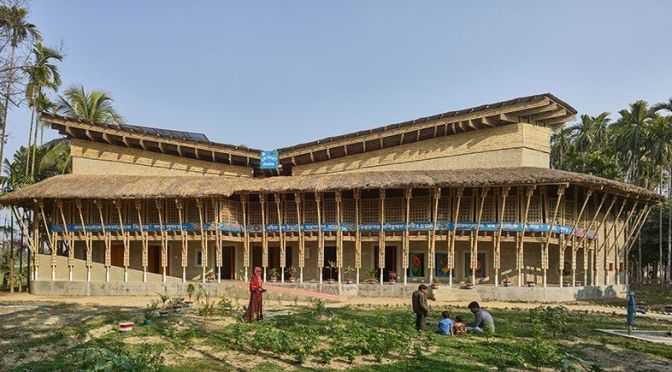
designed by german architect anna heringer, ‘anandaloy’ is a community center and workshop in bangladesh that is made from mud and bamboo. located in rudrapur, a village in the country’s dinajpur district, the two-storey building contains a therapy center for people with disabilities at ground level and a fair-trade textile manufacturing workshop for local women on the first floor. below a big ramp that connects the two levels, protective cave-like spaces provide settings for recreation or solitude.
Bangladesh, to the east of India on the Bay of Bengal, is a South Asian country marked by lush greenery and many waterways. Its Padma (Ganges), Meghna and Jamuna rivers create fertile plains, and travel by boat is common. On the southern coast, the Sundarbans, an enormous mangrove forest shared with Eastern India, is home to the royal Bengal tiger.
Future Of Homebuilding: “Cork House” By Matthew Barnett Howland (2019)
From Architect Matthew Barnett Howland website:
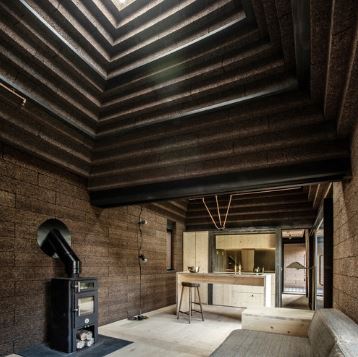 Cork House embodies a strong whole life approach to sustainability, from resource through to end-of-life. Expanded cork is a pure bio-material made with waste from cork forestry. The bark of the cork oak is harvested by hand every nine years without harming the tree or disturbing the forest.
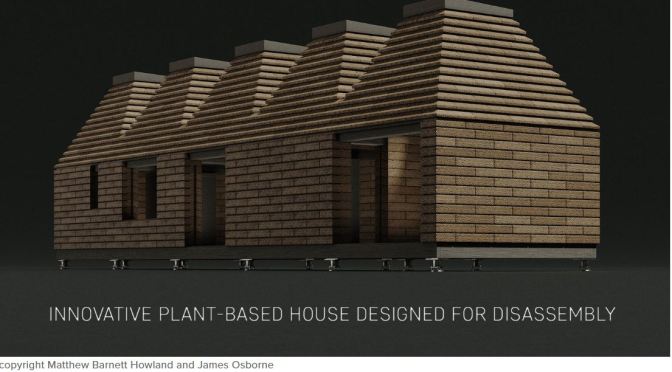
 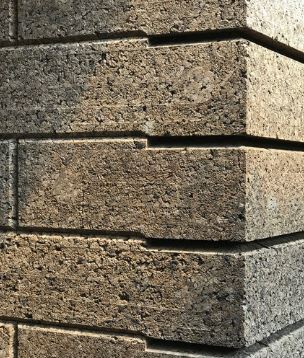 This gentle agro-industry sustains the Mediterranean cork oak landscapes, providing a rich biodiverse habitat that is widely recognised. This compelling ecological origin of expanded cork is mirrored at the opposite end of the building’s lifecycle. The construction system is dry-jointed, so that all 1,268 blocks of cork can be reclaimed at end-of-building-life for re-use, recycling, or returning to the biosphere.
Completed in 2019, Cork House was designed by Matthew Barnett Howland with Dido Milne and Oliver Wilton.
Cork House is a brand new and radically simple form of plant-based construction. Monolithic walls and corbelled roofs are made almost entirely from solid load-bearing cork. This highly innovative self-build construction kit is designed for disassembly, is carbon-negative at completion and has exceptionally low whole life carbon.
To read more: https://www.matthewbarnetthowland.com/
 Boomers Daily