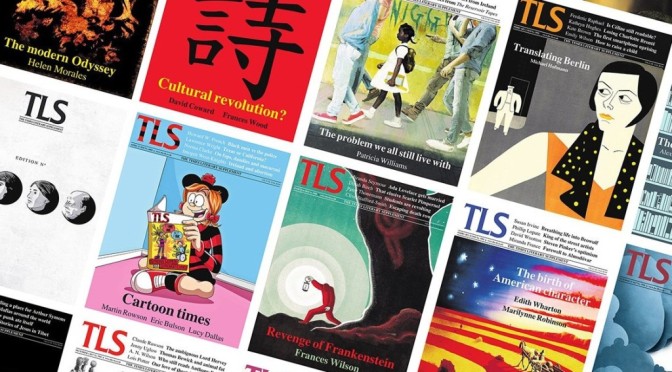

Times Literary Supplement (April 24, 2024): The latest issue features ‘The Mormon Conquest’ – Seth Perry on a people of the book; Is ‘green growth’ a mirage; Virginia Woolf’s rural retreat; China’s Shakespeare…

Times Literary Supplement (April 24, 2024): The latest issue features ‘The Mormon Conquest’ – Seth Perry on a people of the book; Is ‘green growth’ a mirage; Virginia Woolf’s rural retreat; China’s Shakespeare…
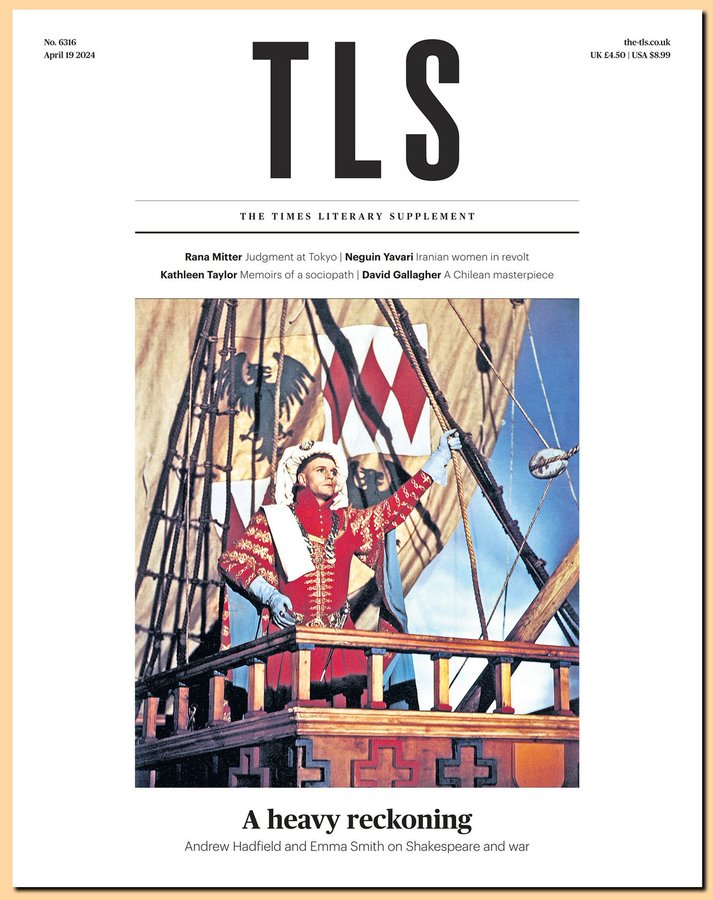
Times Literary Supplement (April 17, 2024): The latest issue features ‘A Heavy Reckoning’ – Shakespeare and War’; Judgment at Tokyo; Iranian women in revolt; Memoirs of a sociopath and A Chilean masterpiece…
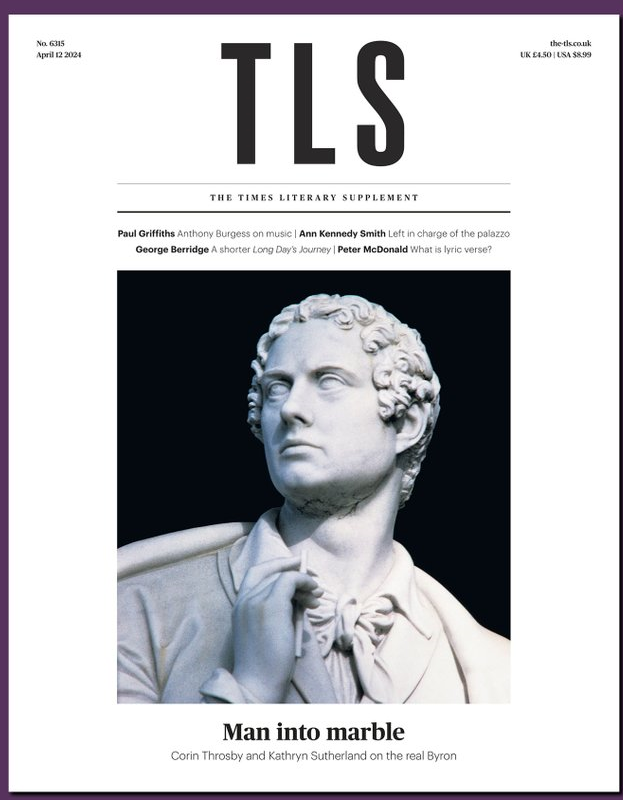
Times Literary Supplement (April 10, 2024): The latest issue features ‘Man Into Marble’ – Corin Throsby and Kathryn Sutherland on the real Byron; Anthony Burgess on music; Left in charge at the palazzo; Revolutionary Russia; A shorter Long Day’s Journey and What is lyric verse?…
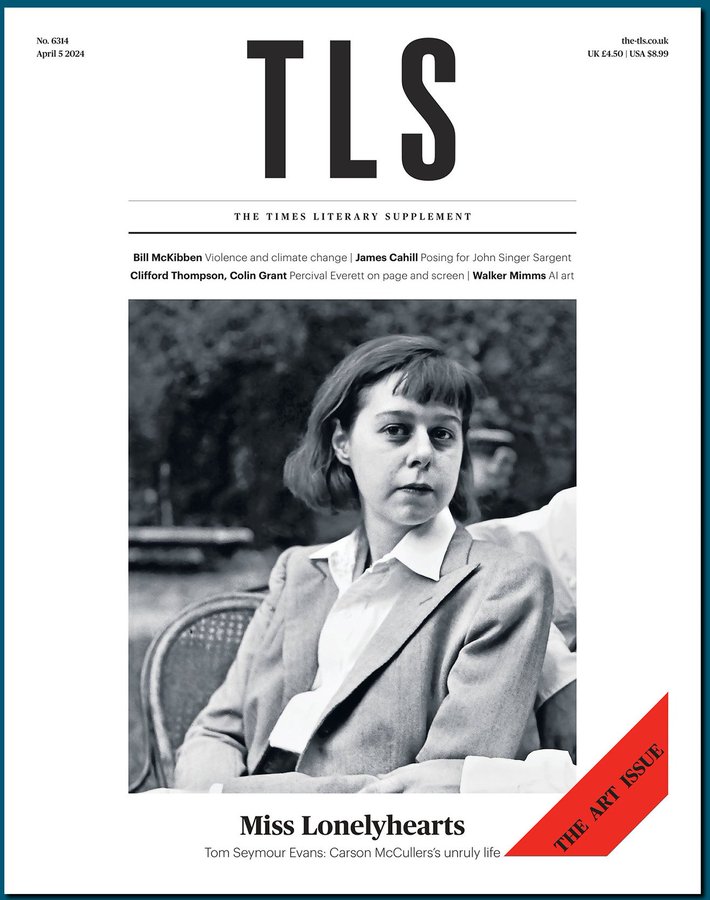
Times Literary Supplement (April 3, 2024): The ‘The Art Issue’ features ‘Miss Lonelyhearts’ – Tom Seymour Evans: Carson McCullers’s unruly life; Violence and Climate Change; Posing for John Singer Sargent and Huckleberry Jim – Mark Twain’s escaped slave wrests control of his story…

Carson McCullers: a novelist of the marginalized and ‘those struggling to understand who they are’

Mark Twain’s escaped slave wrests control of his story

Percival Everett’s wry, provocative novel on the publishing world brought to the screen
By Colin Grant
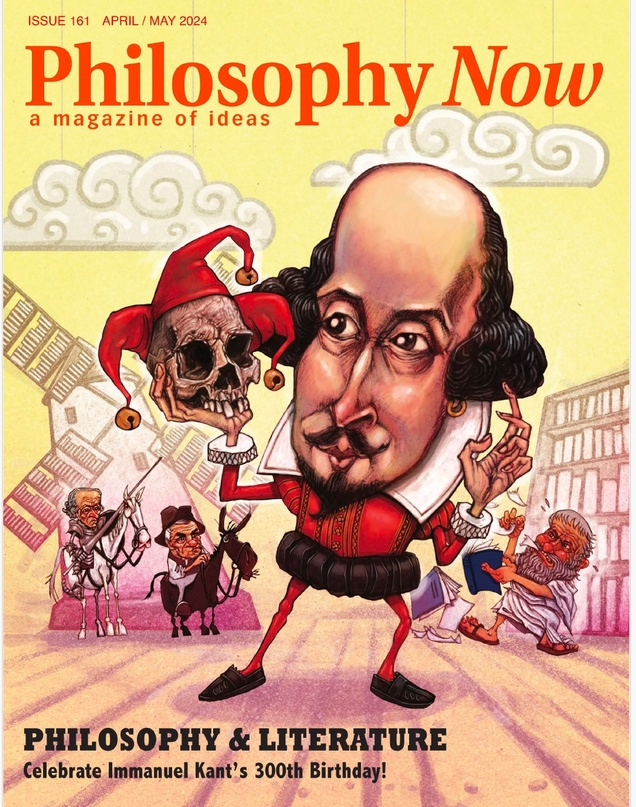

Meena Danishmal asks if Seneca’s account of the good life is really practical.

According to the Oxford English Dictionary, the adjective ‘stoical’ means “resembling a Stoic in austerity, indifference, fortitude, repression of feeling and the like”. This gives us some idea of what it is like to be a Stoic. Indeed, the key teaching, arguably the fundamental point, of Stoicism, is that we should focus on controlling the things that are under our control, such as our thoughts, emotions, and actions, whilst accepting those things we cannot control, such as most things that are happening in the world. How did they get there?
To consider this question let’s look at the ideas of the Roman philosopher and statesman Lucius Annaeus Seneca the Younger (4 BCE-65 CE). As a top advisor to the paranoid and murderous Emperor Nero, he probably found Stoicism a particularly practical guide to life.
As a Stoic, Seneca believed the soul (Latin: anima or animus) to be a finer form of matter than the body; but matter it is. It was also described as a spark of the fire which had consumed the original matter. With such an understanding of the soul, where does the soul reside within the body? Stoics provided a rather simple answer: everywhere. The soul was considered to be a vital force that animates the whole body. The soul was also the source of reason, virtue, and moral character, which is what Stoic philosophy is built upon, as the rational soul guides individuals towards living in accordance with nature.
For us to understand this concept further, it’s vital to grasp the Stoic conception of reality. Stoics see the universe as interconnected and interwoven, and this unified cosmos as governed by rational principles. Within this holistic perspective, the soul is seen as part of the divine rational order of the universe. This understanding forms the basis of Stoic ethics, which emphasises the importance of cultivating reason and virtue in all aspects of life. This encouragement to align thoughts, actions, and desires with principles of reason, is a way for the soul to flourish.
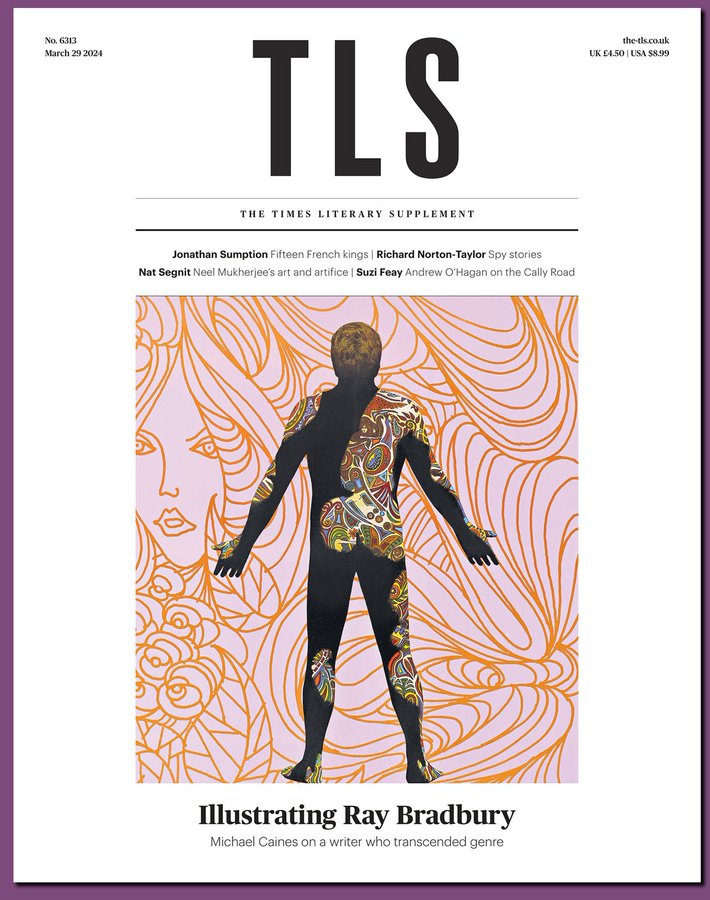

Times Literary Supplement (March 27, 2024): The latest issue features ‘Illustrating Ray Bradbury’ – Michael Caines on a writer who transcended genre; Fifteen French Kings; Spy stories; Neel Mukherjee’s art and artifice; Space colonization and Andrew O’Hagan on the Cally Road….
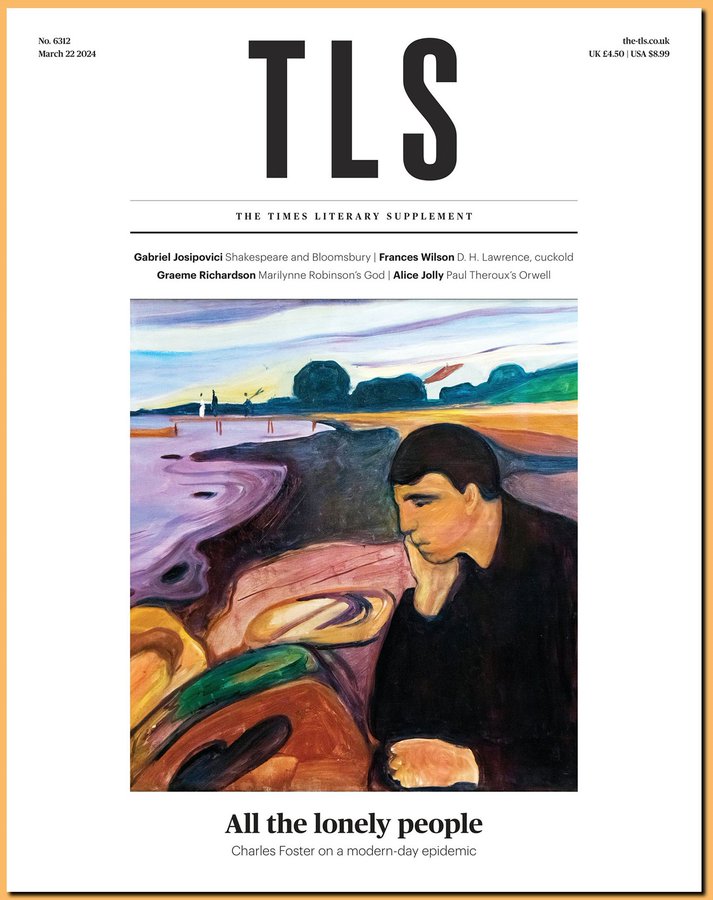
Times Literary Supplement (March 22, 2024): The latest issue features ‘All the Lonely People’ – Charles Foster on a modern-day epidemic; Shakespeare and Bloomsbury; D.H. Lawrence, cuckhold; Marilynne Robinson’s god; Paul Theroux’s Orwell…

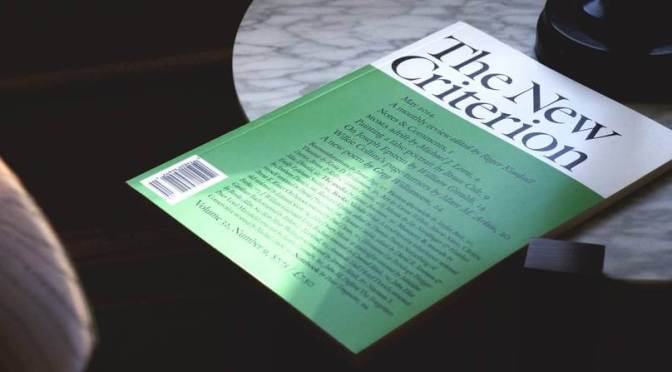
 The New Criterion – The April 2024 issue features: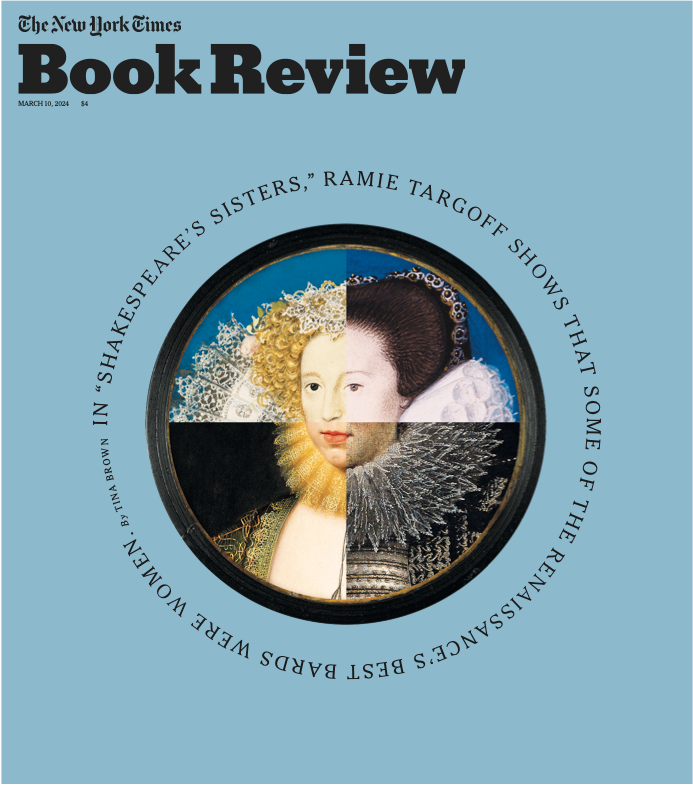

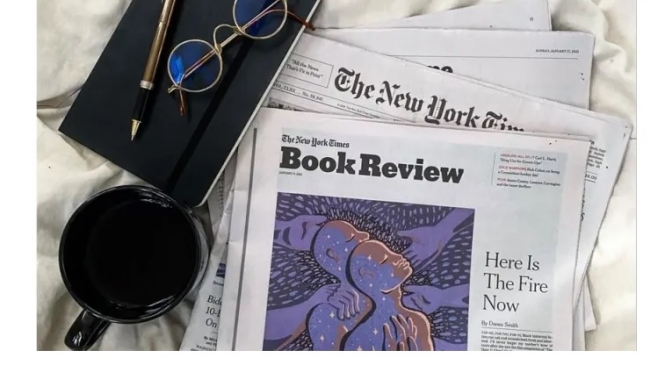
THE NEW YORK TIMES BOOK REVIEW (March ,8 2024): The latest issue features Renaissance scholar Ramie Targoff’s new book, “Shakespeare’s Sisters,” which sets out to show modern readers that the Elizabethan era did indeed produce its share of great women writers, and she details four of them across a range of disciplines.

In “Shakespeare’s Sisters,” the Renaissance scholar Ramie Targoff presents an astounding group of Elizabethan women of letters.
By Tina Brown
SHAKESPEARE’S SISTERS: How Women Wrote the Renaissance, by Ramie Targoff
Judith Shakespeare, Virginia Woolf’s imaginary sister of the Bard, was for years the accepted portrait of the nonexistent writer of Renaissance England. In “A Room of One’s Own,” her seminal feminist essay, Woolf concluded that any glimmer of female creativity in Shakespeare’s time would have been expunged by a pinched life as a breeding machine of children who so often died, disallowed opinions of her own. Had any woman survived these conditions, wrote Woolf, “whatever she had written would have been twisted and deformed, issued from a strained and morbid imagination.”

Using clever camera methods, a new photo book illuminates how honeybees see plants and flowers.
By William Atkins
In WHAT THE BEES SEE: The Honeybee and Its Importance to You and Me, Craig P. Burrows’s ultraviolet-lit photographs mimic the fluorescence his botanical subjects emit when exposed to sunlight, revealing colors and textures usually obscured by the dazzle of visible light. Because bees see in the ultraviolet spectrum, Burrows’s method can afford us a glimpse of the world as they perceive it: His portraits of plants are, in part, prompts for interspecies empathy at a time when bees are under attack on multiple fronts, from air pollution to pesticides.



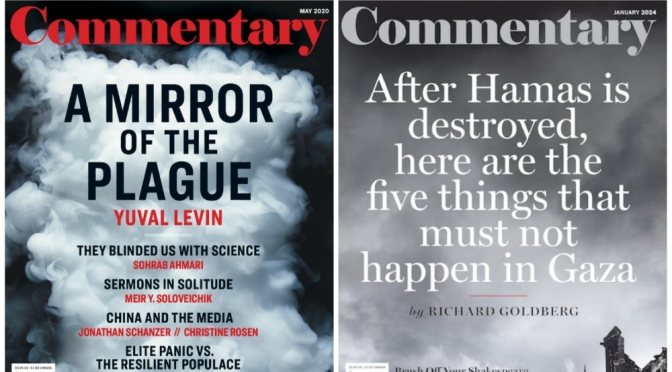
Israel is resolved to remove Hamas and its terrorist infrastructure from the Gaza Strip permanently, and for much of the world, its determination raises one question more than any other: What comes next in Gaza? For those who disapprove of Israel’s actions in the war or those who either passively or actively support the role of Hamas as the Strip’s governing authority, the lack of answers provides a pretext not only to demand a permanent cease-fire but to suggest (often quietly and with a furrowed brow indicating supposed realpolitik wisdom) that the path Israel seems to be making for itself is a dead end from which it needs to be saved.

In his new book, The Conservative Futurist: How to Create the Sci-Fi World We Were Promised,American Enterprise Institute scholar James Pethokoukis writes about the go-go years of the 1960s: Saturn V rockets were blasting to the moon, atomic power promised to make electricity “too cheap to meter,” and sci-fi TV shows like Star Trek depicted new marvels right around the corner.

“Joseph,” my friend Edward Shils said to me, “we have spoken about many things, among them about various writers, but we are both too civilized ever to talk about Shakespeare. After all, what could one say?” Yes, what can one say? Over a long writing career, I have never written about Shakespeare, and, best I can recall, among the many millions of words I have produced, have never even quoted him. Truth is, I have long admired Shakespeare without being especially nuts about him.
 Boomers Daily