
 Staff Writer Jon Cohen joins host Sarah Crespi to talk about using monoclonal antibodies to treat or prevent infection by SARS-CoV-2. Many companies and researchers are rushing to design and test this type of treatment, which proved effective in combating Ebola last year.
See all of our News coverage of the pandemic here, and all of our Research and Editorials here. And Karen Holl, a professor of environmental studies at the University of California, Santa Cruz, joins Sarah to discuss the proper planning of tree-planting campaigns. It turns out that just putting a tree in the ground is not enough to stop climate change and reforest the planet.
 This week, a new way to study elusive subatomic particles – pions, and the story of Galileo remains relevant in a time of modern science denialism.
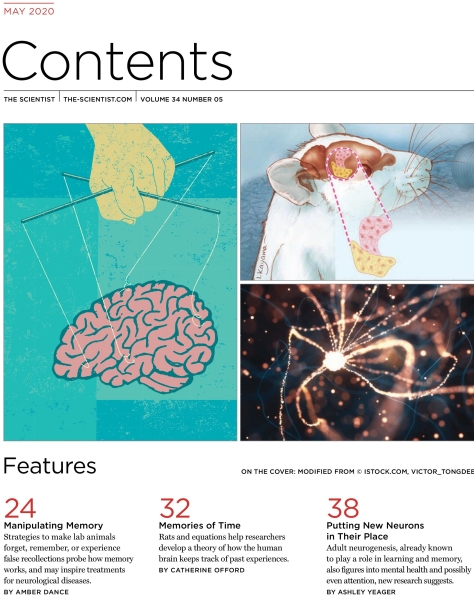
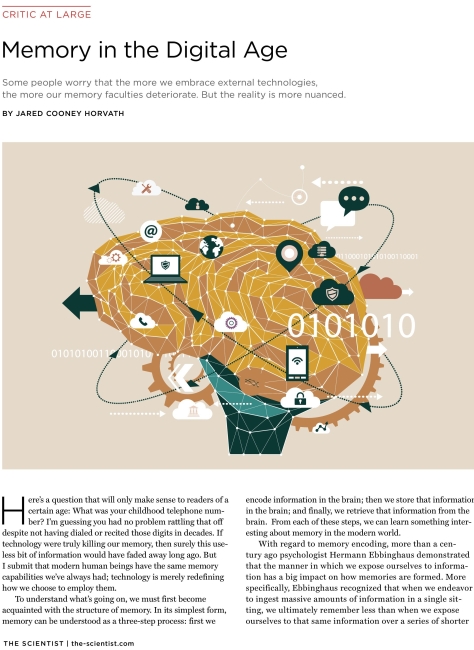
 Staff Writer Jocelyn Kaiser joins Sarah to talk about a recent Science paper describing the results of a large study on a blood test for multiple types of cancer. The trial’s results suggest such a blood test combined with follow-up scans may help detect cancers early, but there is a danger of too many false positives.
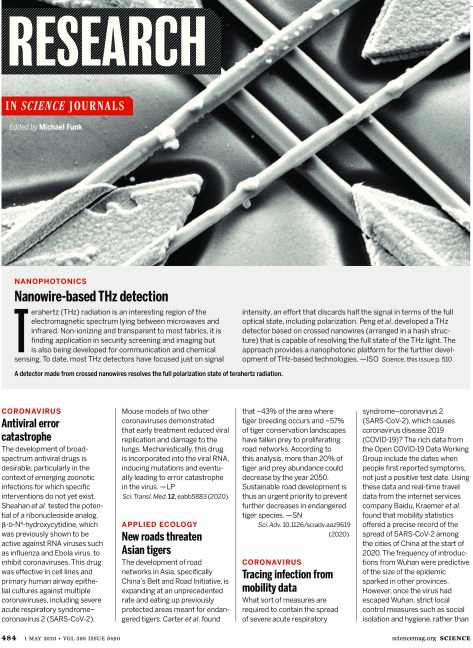
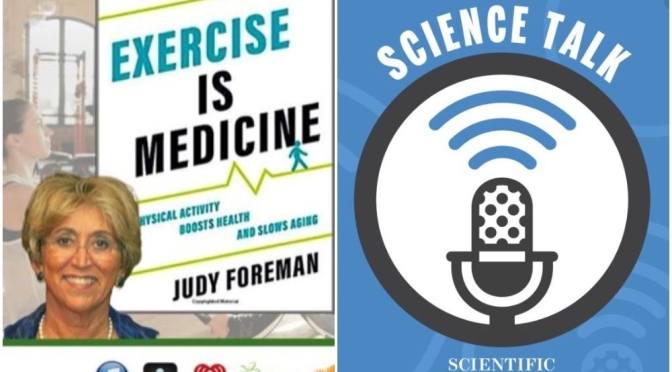
 Health journalist Judy Foreman talks about her new book Exercise Is Medicine: How Physical Activity Boosts Health and Slows Aging
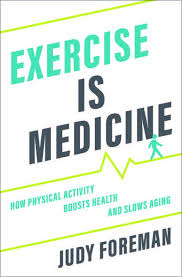 This is Scientific American’s Science Talk, posted on April 24th, 2020. I’m Steve Mirsky. And under our current, often locked-down situation, it’s still really important to try to get some exercise. Judy Foreman is the author of the new book Exercise is Medicine: How Physical Activity Boosts Health and Slows Aging. She’s a former nationally syndicated health columnist for the Boston Globe, LA times, Baltimore Sun and other places, and an author for the Oxford University Press.


 Boomers Daily