
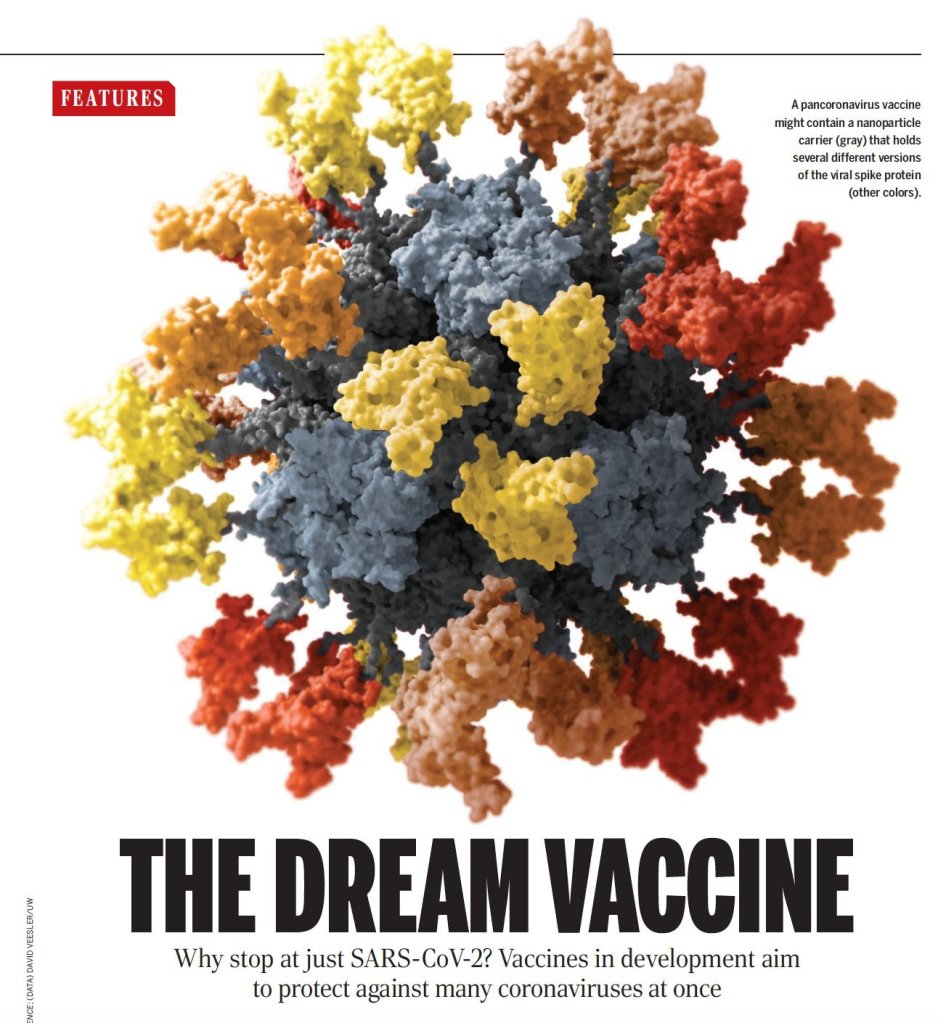
Vaccines are medicines that train the body to defend itself against future disease, and they have been saving human lives for hundreds of years. Vaccines are medicines that train the body to defend itself against future disease.
Tag Archives: Science

Science Podcast: How Brain Cells Use Energy, Lobster Bellies & Red Meat
Ultra-precise measurements connect brain activity and energy use in individual fruit-fly neurons.
In this episode:
00:45 How brain cells use energy
A team of researchers have looked in individual fruit-fly neurons to better understand how energy use and information processing are linked – which may have important implications for future fMRI studies in humans.
Research Article: Mann et al.
07:04 Research Highlights
A tough but flexible material inspired by lobster underbellies, and research reveals that red meat consumption hasn’t dropped since the 1960s.
Research Highlight: Material mimicking lobster belly cracks the code for toughness
Research Highlight: Meat lovers worldwide pay climate little heed
10:15 Briefing Chat
We discuss some highlights from the Nature Briefing. This time, early results for a new malaria vaccine look positive, and researchers unearth the latest chapter in a long-running plant experiment.
Nature News: Malaria vaccine shows promise — now come tougher trials
BBC News: Malaria vaccine hailed as potential breakthrough
New York Times: One of the World’s Oldest Science Experiments Comes Up From the Dirt
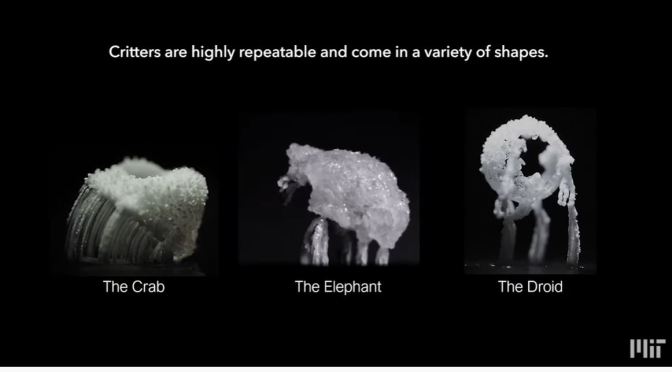
Science: Salt Water Evaporation Creates “Crystal Critters’ (MIT)
A team of MIT researchers have observed that when salty water evaporates from a heated, superhydrophobic surface the crystal structures that form can easily be removed or roll away on their own.
This phenomenon could make it possible to use brackish or salty water, without any pretreatment, rather than relying on freshwater sources, for cooling systems in power plants.
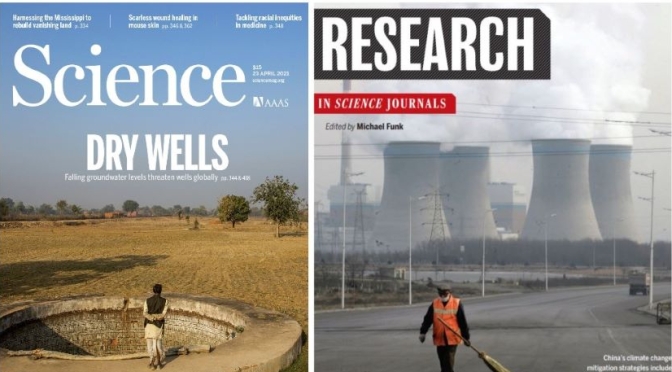
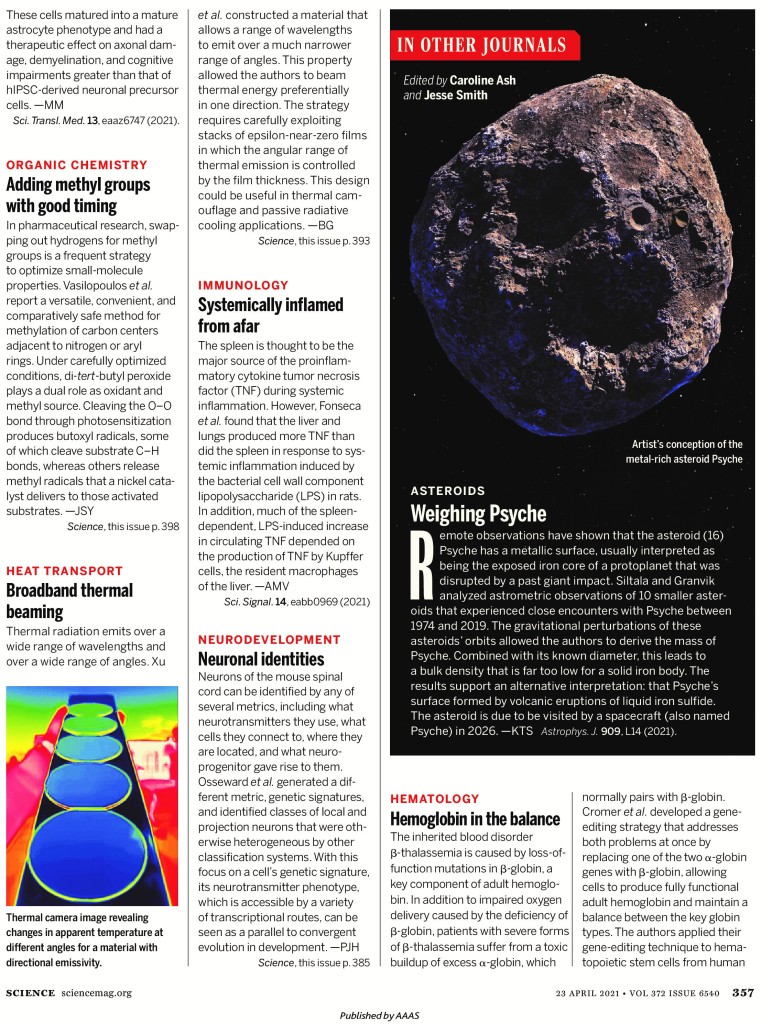
TOP JOURNALS: RESEARCH HIGHLIGHTS FROM SCIENCE MAGAZINE (APRIL 23, 2021)

Science: Inflatable Self-Supporting Structures, River Carbon Emissions
The self-supporting structures that snap into place, and how a ban on fossil-fuel funding could entrench poverty in sub-Saharan Africa.
In this episode:
00:45 Self-supporting, foldable structures
Drawing inspiration from the art of origami, a team of researchers have demonstrated a way to design self-supporting structures that lock into place after being inflated. The team hope that this technique could be used to create arches and emergency shelters that can be quickly unfolded from flat with minimal input.
Research Article: Melancon et al.
News and Views: Large-scale origami locks into place under pressure
Video: Origami-inspired structures could be deployed in disaster zones
07:32 Research Highlights
Nocturnal fluctuations cause scientists to underestimate rivers’ carbon emissions, and the ‘island rule’ of animal size-change is seen around the world.
Research Highlight: Rivers give off stealth carbon at night
Research Highlight: Animals around the world follow the ‘island rule’ to a curious fate
09:55 Banning fossil-fuel funding will not alleviate poverty
A ban by wealthy nations on the funding of overseas fossil-fuel projects would do little to reduce the world’s climate emissions and much to entrench poverty in sub-Saharan Africa, argues economist Vijaya Ramachandran.
World View: Blanket bans on fossil-fuel funds will entrench poverty
17:17 Briefing Chat
We discuss some highlights from the Nature Briefing. This time, the first powered flight on another world, and estimating how many Tyrannosaurus rex ever lived.
News: Lift off! First flight on Mars launches new way to explore worlds
Video: Flying a helicopter on Mars: NASA’s Ingenuity
News: How many T. rex ever existed? Calculation of dinosaur’s abundance offers an answer
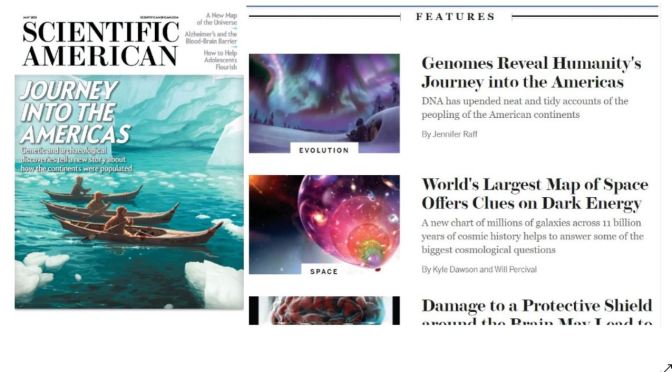
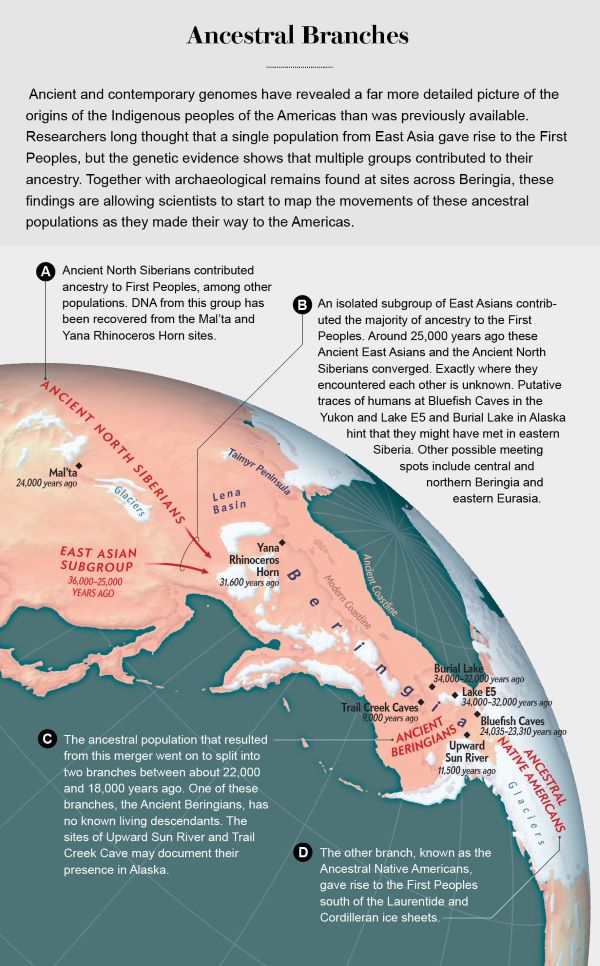
Views: Scientific American – May 2021 Issue Features


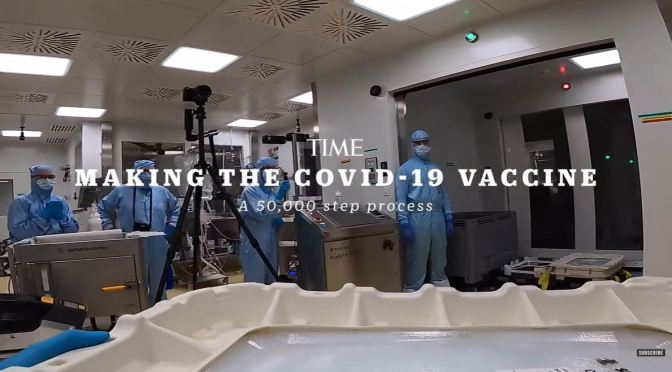
Covid-19: Inside The BioNTech Lab Producing The World’s Top Vaccine
Exclusive: Inside the facilities making the world’s most prevalent COVID-19 vaccine https://ti.me/3grX0v9

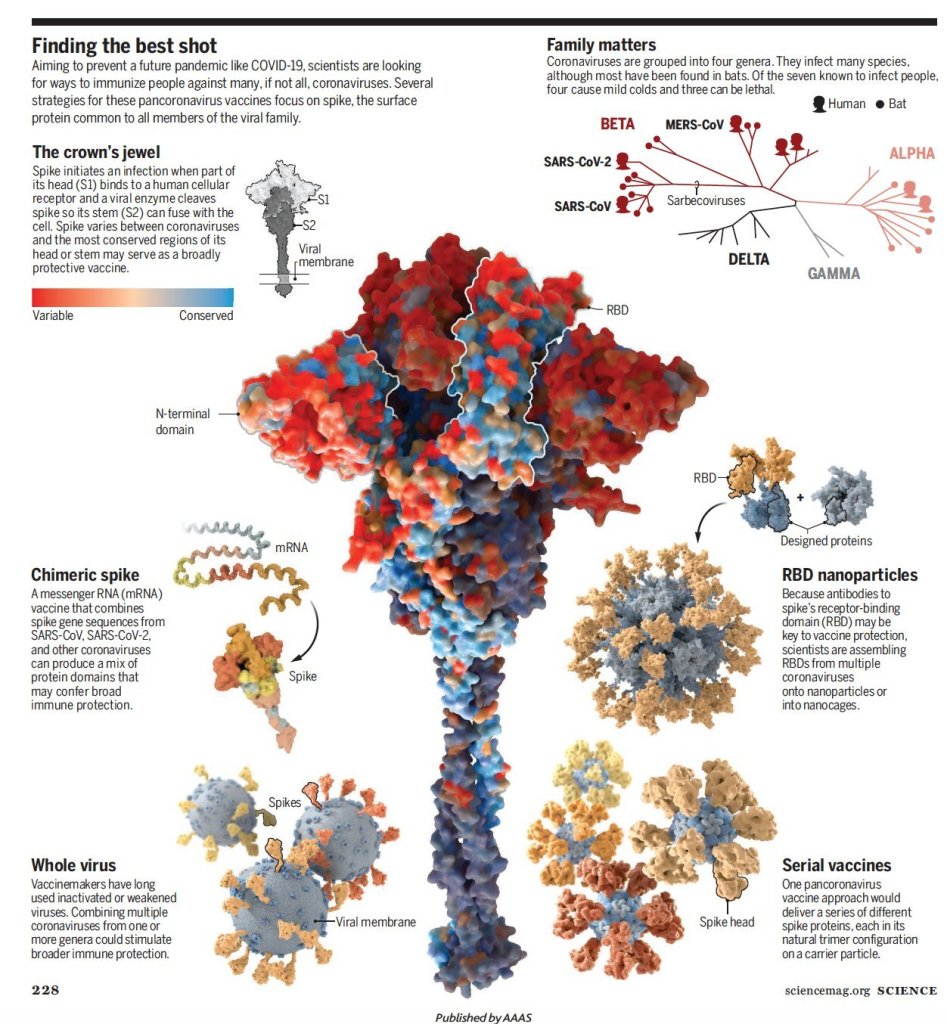
Infographic: Developing The New ‘Dream Vaccine’
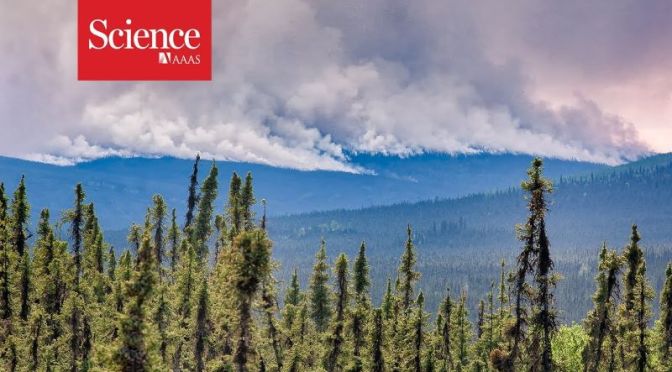
Wildfires: New Forests In Alaska Have Increased Carbon Sequestration
It’s no secret that warming temperatures are transforming landscapes in extreme northern regions. In Alaska, where wildfires have burned through many old-growth spruce forests in the past half decade, deciduous trees—such as aspen and birch—are starting to take over. But little is known about the impact these changes will have on how much carbon the forests release and store.
To find out, researchers trudged through the Alaskan taiga, seeking out wildfire sites where spruce once dominated. They mined these sites for information on carbon and nitrogen stores and forest turnover over time. What they found surprised them: In the long run, their estimates suggest that intensifying heat and more wildfires may lead to more carbon sequestration in Alaskan forests, they report today in Science. It’s impossible to know for sure that the flames will subside, but it’s a bit of good news as the fires burn out the old growth and bring in the new.
Read the research: https://scim.ag/3soUc4e

Science Podcast: Muon Magnetism, The Counting Of All Tyranosaurus Rex
Host Sarah Crespi talks with Staff Writer Adrian Cho about a new measurement of the magnetism of the muon—an unstable cousin of the electron. This latest measurement and an earlier one both differ from predictions based on the standard model of particle physics. The increased certainty that there is a muon magnetism mismatch could be a field day for theoretical physicists looking to add new particles or forces to the standard model.
Also on this week’s show, Charles Marshall, director of the University of California Museum of Paleontology and professor of integrative biology, joins Sarah to talk about his team’s calculation for the total number of Tyrannosaurus rex that ever lived. In a sponsored segment from the Science/AAAS Custom Publishing Office, Sean Sanders interviews Imre Berger, professor of biochemistry at the University of Bristol, about his Science paper on finding a druggable pocket on the spike protein of SARS-CoV-2 and how the work was accelerated by intensive cloud computing. This segment is sponsored by Oracle for Research.
 Boomers Daily