

Quantum computers aren’t the next generation of supercomputers—they’re something else entirely. Before we can even begin to talk about their potential applications, we need to understand the fundamental physics that drives the theory of quantum computing. (Featuring Scott Aaronson, John Preskill, and Dorit Aharonov.) For more, read “Why Quantum Computers Are So Hard to Explain”: https://www.quantamagazine.org/why-is…
The cross-discipline effort to work our how ancient humans learned to count.
In this episode:
00:45 Number origins
Around the world, archaeologists, linguists and a host of other researchers are trying to answer some big questions – when, and how, did humans learn to count? We speak to some of the scientists at the forefront of this effort.
News Feature: How did Neanderthals and other ancient humans learn to count?
07:47 Research Highlights
How sea anemones influence clownfish stripes, and how skin-to-skin contact can improve survival rates for high-risk newborns.
Research Highlight: How the clownfish gets its stripes
Research Highlight: Nestling skin-to-skin right after birth saves fragile babies’ lives
09:48 Briefing Chat
We discuss some highlights from the Nature Briefing. This time, an upper limit for human ageing, and could tardigrades survive a collision with the moon?
Scientific American: Humans Could Live up to 150 Years, New Research Suggests
Science: Hardy water bears survive bullet impacts—up to a point
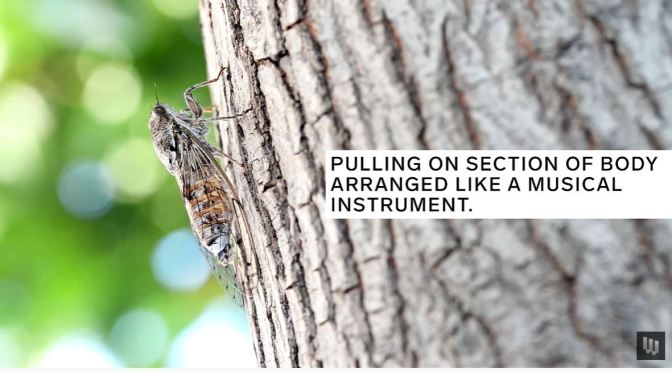
Trillions of cicadas are starting to emerge in 15 US states after 17 years underground. Gene Kritsky has been studying them for decades and has created a citizen science app, Cicada Safari, to help track the brood.
More than 3000 cicada species have been described worldwide. Most have a yearly life cycle, but seven species in the US belonging to the Magicicada genus remain underground as nymphs for 13 or 17 years before emerging, a process called periodical brooding. The only other two species of cicada to do this are found in Fiji and India. Read more at https://www.newscientist.com/article/…
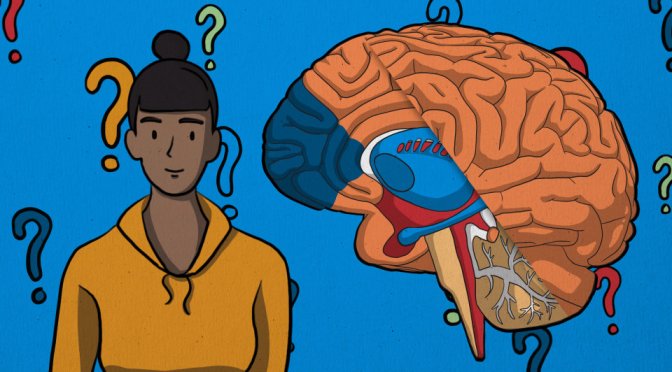
Indoor dining, workout classes, concerts. These once commonplace events are coming back into daily life. But because of Covid-19, everyone now has a different level of comfort. What happens in the brain as we decide what’s risky or not? Photo illustration: Laura Kammermann
Why are cicadas so freakin’ loud? Entomologist Samuel Ramsey has the answers. Dr. Sammy explains why it’s so important for cicadas to gather in large groups and make lots of noise.
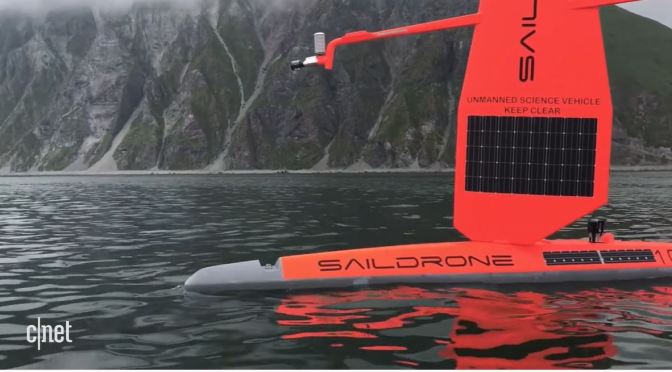
A fleet of unmanned surface vehicles equipped with AI and a suite of scientific sensors are currently mapping the ocean floor, counting fish populations and monitoring ocean and weather conditions all over the planet in the fight against climate change. CNET’s Stephen Beacham spoke with Saildrone Inc. Vice President of Ocean Mapping Brian Connon to learn more about Saildrone’s mission. Read the CNET Article: Autonomous Saildrones are the newest weapon in fighting climate change https://cnet.co/2RwaJaq






 Boomers Daily