

‘It’s still killing and it’s still changing.’ Ending COVID-19 states of emergency sparks debate

Moves by WHO and U.S. usher pandemic into new phase of disease monitoring, even as coronavirus kills thousands weekly

Moves by WHO and U.S. usher pandemic into new phase of disease monitoring, even as coronavirus kills thousands weekly

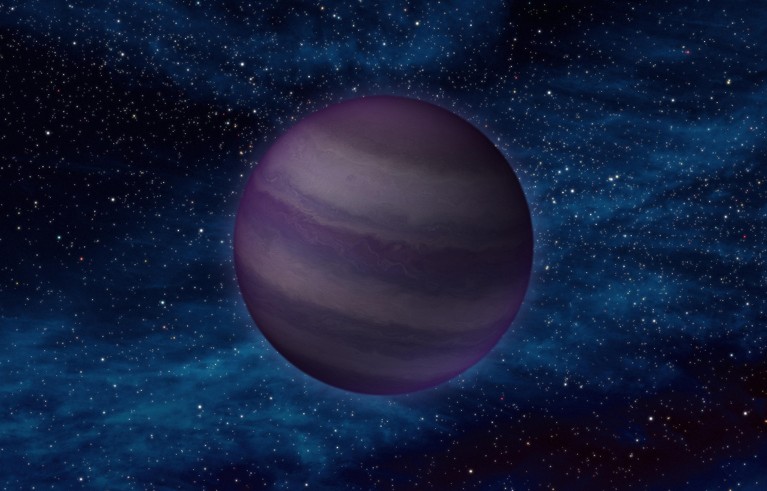
Two extremely cool examples of ‘failed stars’ called brown dwarfs are found orbiting each other.


A cardinal feature of the immune system is its ability to distinguish self from nonself. Although many early immunologists thought that its powerful defenses could rarely, if ever, be turned against the host, pioneering research on autoimmune diseases beginning in the early 1900s has documented a different reality. More than 80 different autoimmune disorders have now been described that may affect up to 5% of the population.
Collaboration stifled as many scientists look to establish fieldwork elsewhere
A physician-scientist has probed Parkinson’s disease for more than 30 years. Now, he has it
The current landscape of mobile mental-health apps is the result of a 70-year search to automate therapy. Now, advanced AIs pose fresh ethical questions.

Since 2015, Koko, a mobile mental-health app, has tried to provide crowdsourced support for people in need. Text the app to say that you’re feeling guilty about a work issue, and an empathetic response will come through in a few minutes — clumsy perhaps, but unmistakably human — to suggest some positive coping strategies.
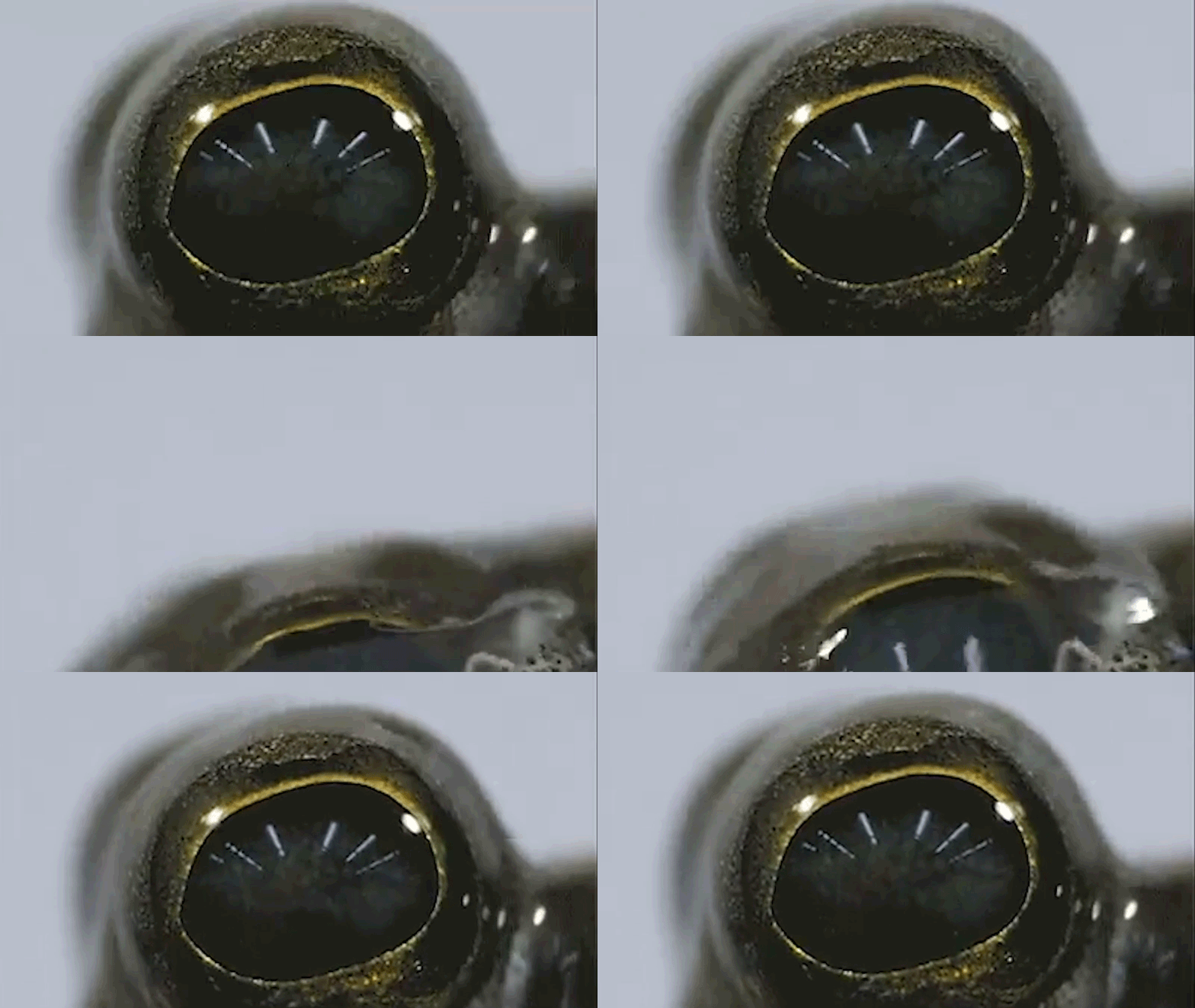
Insights from mudskippers suggest that blinking is an adaptation to emerging from the sea.

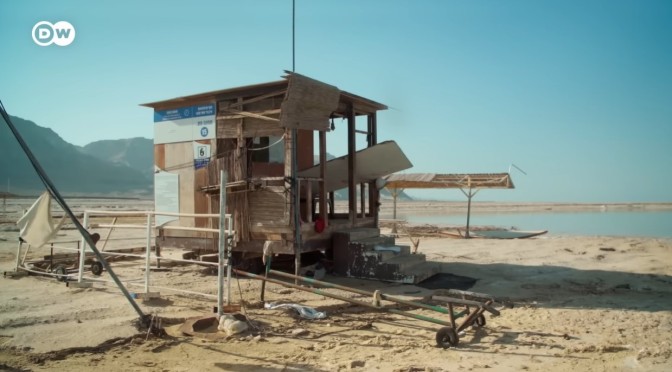
The drying up of the Dead Sea is causing widespread damage, from huge sinkholes to abandoned beaches and collapsed roads. This is not an act of nature. It is the result of overconsumption and poor water management. If something is not done soon, very little of the Dead Sea will remain. In a region marked by ongoing conflict, natural resources are being depleted. To save the Dead Sea, surrounding countries must work together.
Three individuals — a Jordanian, an Israeli and a Palestinian — feel they can’t just sit idly by. They decide to draw the world’s attention to the problem with a heroic act. In an unprecedented and extremely dangerous undertaking, the three decide to swim across the Dead Sea, from Jordan to Israel, to highlight the plight of the dying waters.
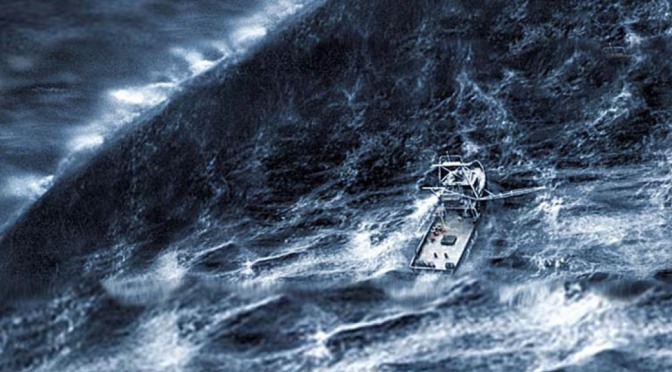
Scientists still know astonishingly little about these freak waves. For centuries, many people dismissed them as the stuff of legend. The first scientific proof of their existence didn’t come until 1995. A laser on the Draupner oil rig in the North Sea measured a wave almost 26 meters high. Wave models in use at the time deemed this to be an impossibility.
But the data, captured by chance, changed the course of research forever. Scientists have focused on three theories in their bid to explain the emergence of freak waves. The first is the current model: currents flowing in opposite directions reduce the length of the waves, pushing them together to create a monster surge. But freak waves are also a phenomenon in regions where currents aren’t particularly strong.
That’s why researchers came up with a second theory: superposition. In this linear process, faster, longer waves catch up with short, slower waves. They overlap and form monster waves. But in some places, freak waves occur with a frequency that can’t be explained by this linear theory, either.
For several years now, scientists have been considering a third possibility: when non-linear wave trains are unstable, they can develop into monster waves through a highly complex energy “theft”. Research is divided over whether it’s the linear or non-linear effects that form freak waves out at sea – a question that’s crucial for shipping!
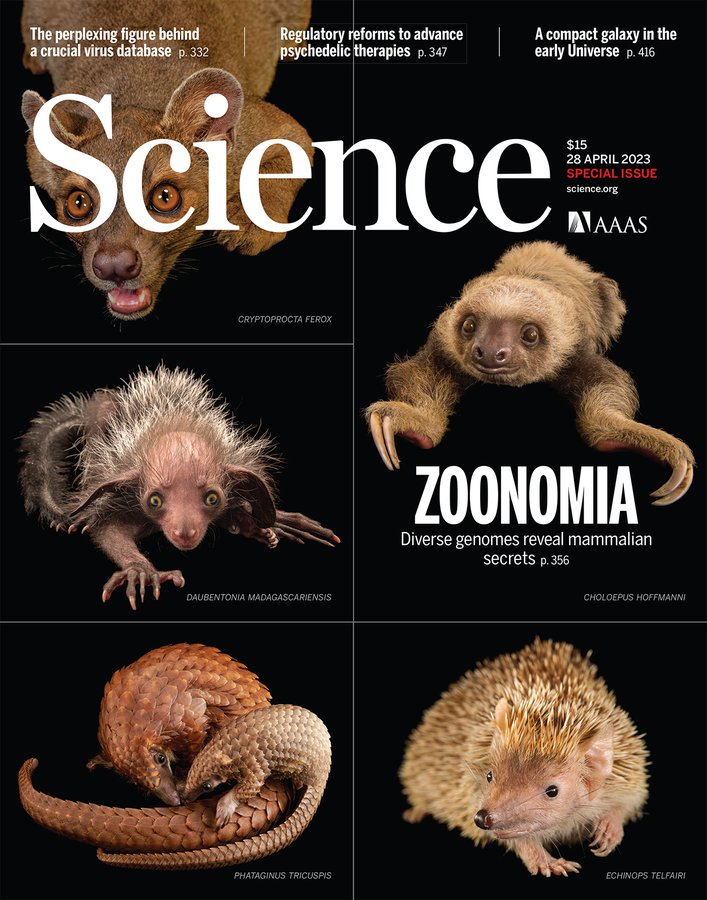

Mammals are one of the most diverse classes of animals, ranging both in size, across many orders of magnitude, and in shape—nearly to the limit of one’s imagination. Understanding when, how, and under what selective pressures this variation has developed has been of interest since the dawn of science.
The 240 mammals sequenced through the Zoonomia project include the famous sled dog Balto, who was reported to have led a team of sled dogs in the final leg of the race to carry a life-saving serum to Nome, Alaska, in 1925. His genome, in conjunction with others, was used to reveal his ancestry and adaptations, as well as predict aspects of his morphology, including his coat color.

The destructive behavior of great earthquakes in subduction zones, such as in Japan in 2011, depends on details of the earthquake slip. A slip at shallow depth is the dominant driver of tsunami. Using recently developed seafloor geodetic instrumentation, Brooks et al. found that the deeper slip of the July 2021 magnitude 8.2 Chignik, Alaska earthquake was followed 2.5 months later by a second stage of (aseismic) slip. This approximately 2 to 3 meters of “silent” slip allowed the shallow fault to catch up with its deeper portion, reducing its future earthquake potential.
Facility will produce up to five billion bacteria-infected mosquitoes per year
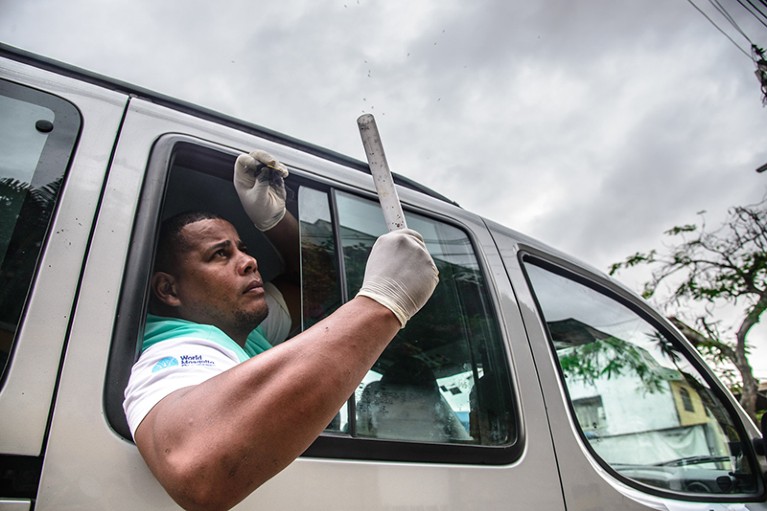
The non-profit World Mosquito Program (WMP) has announced that it will release modified mosquitoes in many of Brazil’s urban areas over the next 10 years, with the aim of protecting up to 70 million people from diseases such as dengue. Researchers have tested the release of this type of mosquito — which carries a Wolbachia bacterium that stops the insect from transmitting viruses — in select cities in countries such as Australia, Brazil, Colombia, Indonesia and Vietnam. But this will be the first time that the technology is dispersed nationwide.
An archipelago constructed of sand and mud is bringing new life to a dead lake but can this bold experiment have a lasting impact


New seamount maps could aid in studies of ecology, plate tectonics, and ocean mixing

Sleep is essential, but not all mammals live in environments where long periods of time asleep are possible. Marine mammals encounter especially challenging conditions for sleep when they are at sea.
The plan to re-green a 7,000-kilometre swathe south of the Sahara is at risk of losing its pan-African vision and ambition.
Eleven hikers died after weeks of unusually warm weather led to melting of the Marmolada Glacier in the Alps.
Prototype facility smashes record for converting solar power to hydrogen for its technology category.
 Boomers Daily