


 Contributing Correspondent Kai Kupferschmidt talks with host Sarah Crespi about countries planning a comeback from a coronavirus crisis. What can they do once cases have slowed down to go back to some sort of normal without a second wave of infection?
Contributing Correspondent Lizzie Wade joins Sarah to talk about water management and the downfall of the ancient Wari state. Sometimes called the first South American empire, the Wari culture successfully expanded throughout the Peruvian Andes 1400 years ago.
Also this week, Yon Visell of the University of California, Santa Barbara, talks with Sarah about his Science Advances paper on the biomechanics of human hands. Our skin’s ability to propagate waves along the surface of the hand may help us sense the world around us.
 On this week’s show, Staff Writer Robert Service talks with host Sarah Crespi about a new National Academy of Sciences report that suggests the novel coronavirus can go airborne, the evidence for this idea, and what this means for the mask-wearing debate.
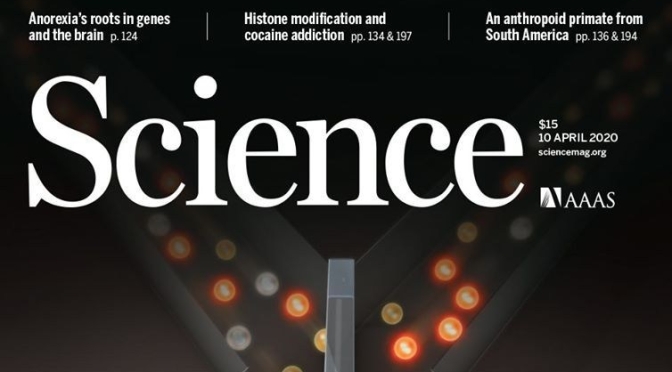
Also this week, Staff Writer Jennifer Couzin-Frankel joins Sarah to talk about a burgeoning understanding of the biological roots of anorexia nervosa—an eating disorder that affects about 1% of people in the United States. From genetic links to brain scans, scientists are finding a lot more biology behind what was once thought of as a culturally driven disorder.
 On this week’s show, Contributing Correspondent Kai Kupferschmidt talks with host Sarah Crespi about modeling coronavirus spread and the role of forecasts in national lockdowns and other pandemic policies. They also talk about the launch of a global trial of promising treatments.
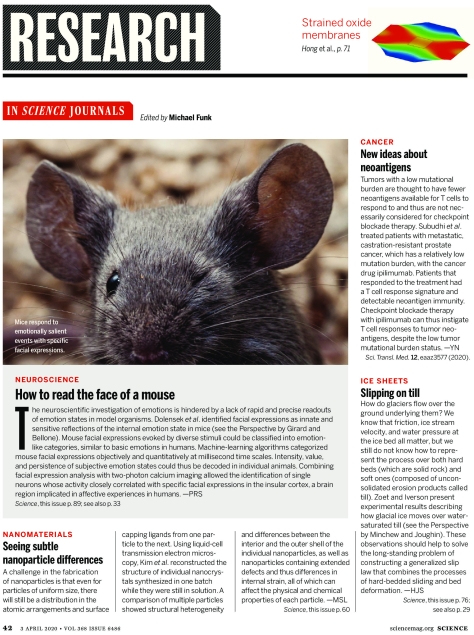
Also this week, Nadine Gogolla, research group leader at the Max Planck Institute of Neurobiology, talks with Sarah about linking the facial expressions of mice to their emotional states using machine learning.
On this week’s show, host Joel Goldberg gets an update on the coronavirus pandemic from Senior Correspondent Jon Cohen. In addition, Cohen gives a rundown of his latest feature, which highlights the relationship between diseases and changing seasons—and how this relationship relates to a potential coronavirus vaccine.
Also this week, from a recording made at this year’s AAAS annual meeting in Seattle, host Meagan Cantwell speaks with Alexandra Maertens, director of the Green Toxicology initiative at Johns Hopkins University, Baltimore, about the importance of incorporating nonanimal testing methods to study the adverse effects of chemicals.
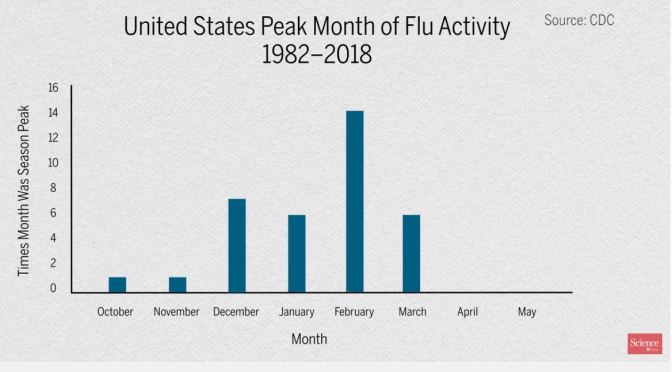
Scientists and doctors have observed for thousands of years that some diseases, like polio and influenza, rise and fall with the seasons. But why? Ongoing research in animals and humans suggests a variety of causes, including changes in the environment (like pH, temperature, and humidity) and even seasonal and daily changes to our own immune systems. Figuring out those answers could one day make all the difference in minimizing the impact of infectious disease outbreaks—such as COVID-19.
Scientists lead the way in repairing the cathedral, while discovering historical insights along the way.

 Boomers Daily