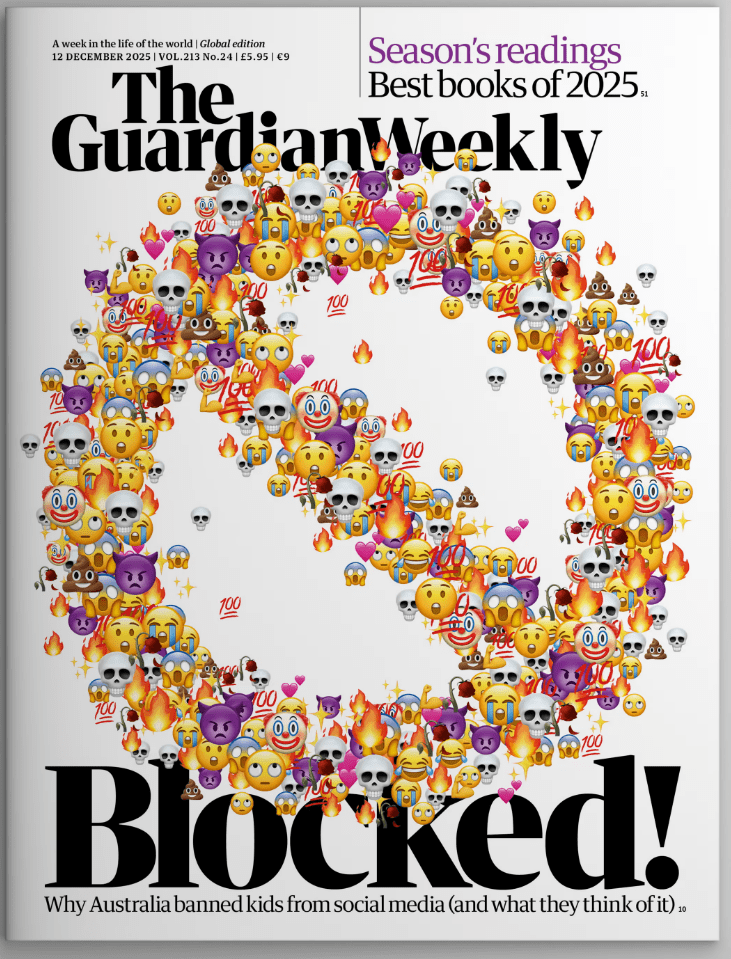
Millions of teenagers in Australia woke up on Wednesday to find themselves locked out of social media accounts after the government introduced a ban for under-16s – the first of its kind – on the platforms.
Far from being a kneejerk response to a moral panic, it’s a move backed up by detailed investigation into the effects of unfettered online access on children – and one that several other countries are poised to follow. Australian eSafety research found seven in 10 children aged 10 to 15 had encountered content associated with harm online. Three-quarters of those had most recently encountered that – including misogyny, violence, disordered eating and suicide – on a social media platform.
“We are seeking to create some friction [in the] system to protect children where previously there has been close to none … We are treating big tech like the extractive industry it has become,” Australia’s eSafety commissioner, Julie Inman Grant, told an audience earlier this year.
Spotlight | Syria, one year after Assad While country’s return to global stage has filled many Syrians with pride, domestically old grievances threaten efforts to rebuild the state. William Christou reports from Damascus
Feature | The inside story of the race to create the ultimate AI In Silicon Valley, rival companies are spending trillions of dollars to reach a goal that could change humanity – or potentially destroy it. Robert Booth reports
Feature | On the trail of London’s snail farming don Terry Ball – renowned shoe salesman, friend to former mafiosi – has vowed to spend his remaining years finding ways to cheat authorities he feels have cheated him. His greatest ruse? A tax-dodging snail empire. Jim Waterson caught up with him
Opinion | What words are left to describe Trump’s global rampage? Deadly US boat strikes in the Caribbean are the latest example of a president corrupting both the law and morality, argues Jonathan Freedland
Culture | The best books of 2025 From fiction to food, people to poetry, science to sport: Guardian critics round up the year’s essential reads
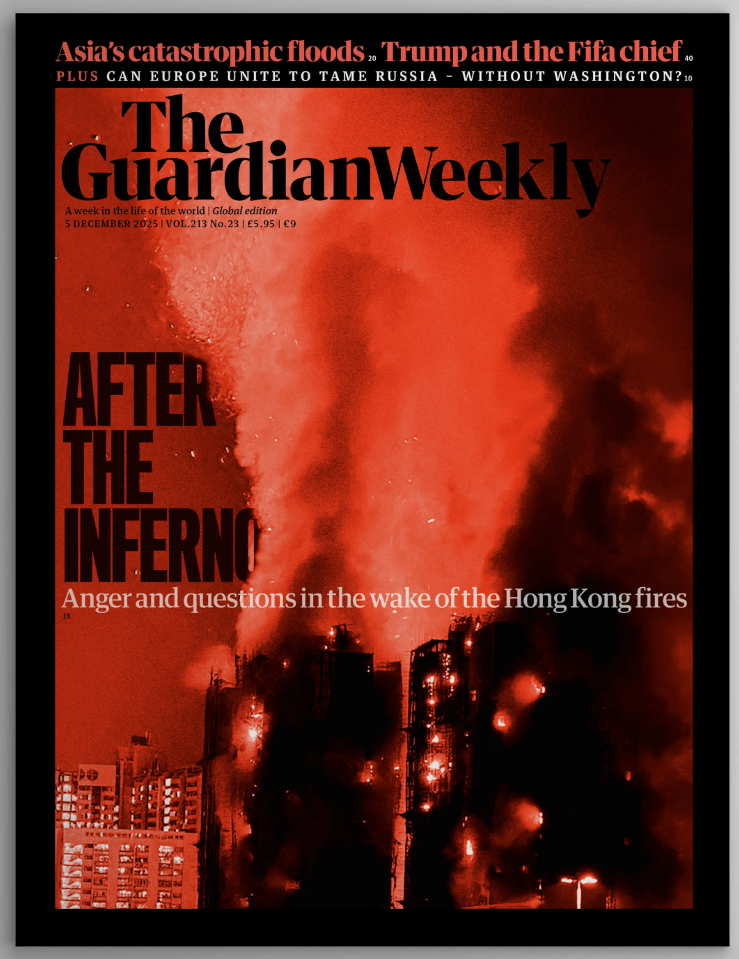
Watching with horror from London last week as flames ripped through seven adjacent apartment blocks in Hong Kong, it was impossible not to think back to the Grenfell Tower fire of 2017, which exposed major systemic failures around UK social housing and eventually led to law changes around safety and accountability for high-rise buildings.
The comparisons with Hong Kong were not just visually obvious but also because the semi-autonomous city’s worst fire in decades appears to have followed months of complaints from residents about shoddy materials used in building works.
Hong Kong is of course a very different place to London, with politicians facing less public accountability in a political climate that makes it much harder for citizens to express dissent. But, as anger rises, hard questions are nevertheless being asked of authorities amid accusations of negligence and corruption.
Five essential reads in this week’s edition
The big story | Can Europe unite to tame Russia – without the US? Washington’s Putin-appeasing plan for peace in Ukraine has failed, but many heard the death knell sound for European reliance on US protection, writes Patrick Wintour
Spotlight | If Rachel Reeves goes, will Keir Starmer fall with her? British prime ministers rarely sack their chancellors – and when they do it almost inevitably leads to their own downfall. After last week’s budget, Starmer knows the same is true of him and Reeves, says Jessica Elgot
Feature | The dangerous rise of extremist Buddhism Buddhism is still largely viewed as a peaceful philosophy – but across much of south-east Asia, the religion has been weaponised to serve nationalist goals. Sonia Faleiroinvestigates
Opinion | From the West Bank to Syria and Lebanon, Israel’s onslaught continues Broken ceasefires, bombing, ground incursions and mounting deaths: Israeli imperialism is now expanding across the region, says Nesrine Malik
Culture | Ethan Hawke and Richard Linklater: two men on the moon As their 11th movie together, Blue Moon, is released, the actor and director tell Xan Brooks about musicals, the legacy of Philip Seymour Hoffman and what being bald and short does to your flirting skills
In this prodigiously researched epic, Torigian details the life of Xi Zhongxun—the father of China’s current leader, Xi Jinping—to explain the history of the Chinese Communist Party. Along the way, readers gain a sense of how the younger Xi became the man he is today.
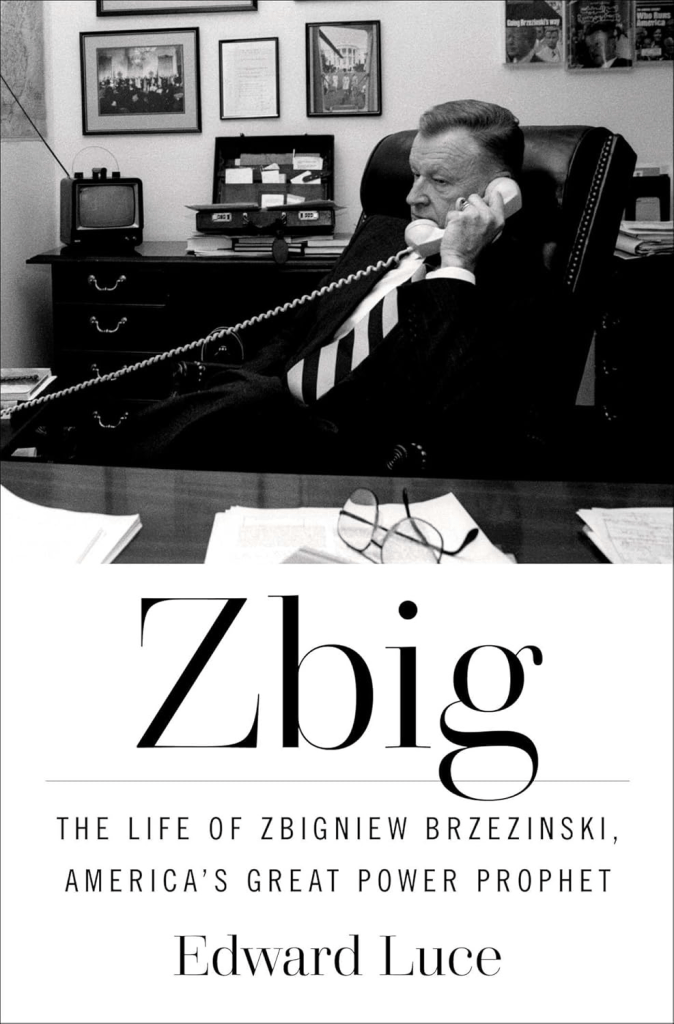
Luce, a gifted storyteller, chronicles the personal life and intellectual journey of former National Security Adviser Zbigniew Brzezinski, who played a significant but underappreciated role in opening the United States to China, bringing the Cold War to an end, and shaping the world that came after. In writing this gem of a book, Luce has rendered a genuine service to history.
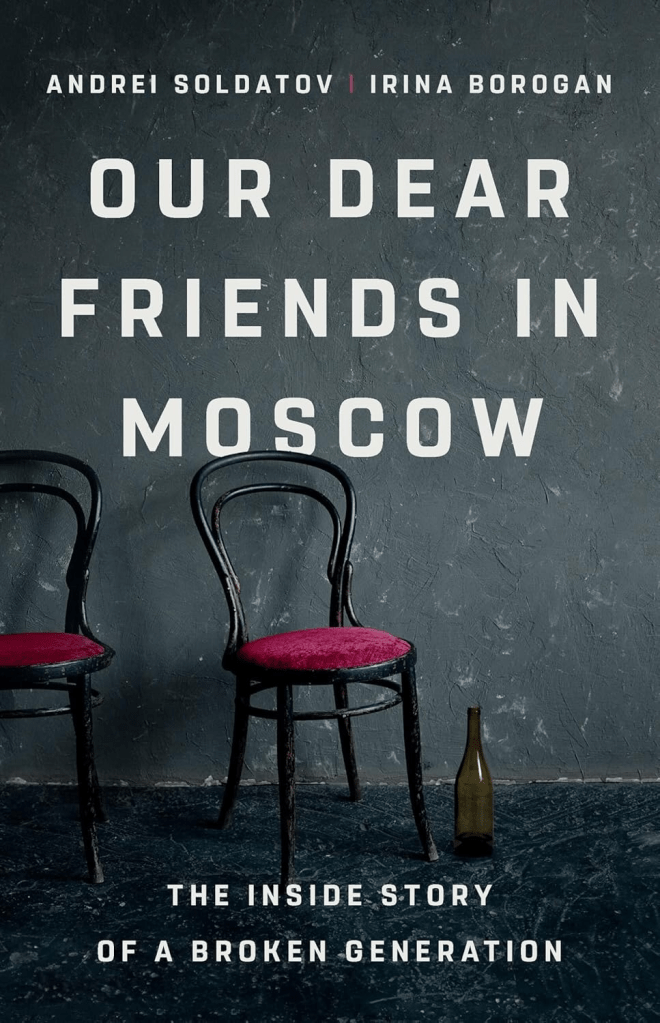
Soldatov and Borogon, two Russian journalists, tell the story of their one-time group of friends and colleagues—young Russians who, over the course of the Putin years, steadily drift toward nationalist and illiberal ideas and end up as supporters of Russia’s war in Ukraine.
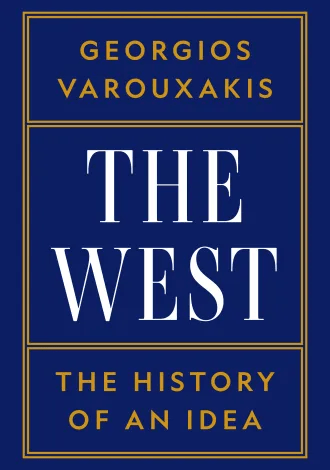
In this masterful study, Varouxakis tracks the meanings of “the West” from the late eighteenth century to the present—and argues that the modern notion of the term emerged in the 1830s as a way to distinguish western Europe from Russia. Today, for beleaguered countries such as Ukraine, “the West” is still a powerful idea.
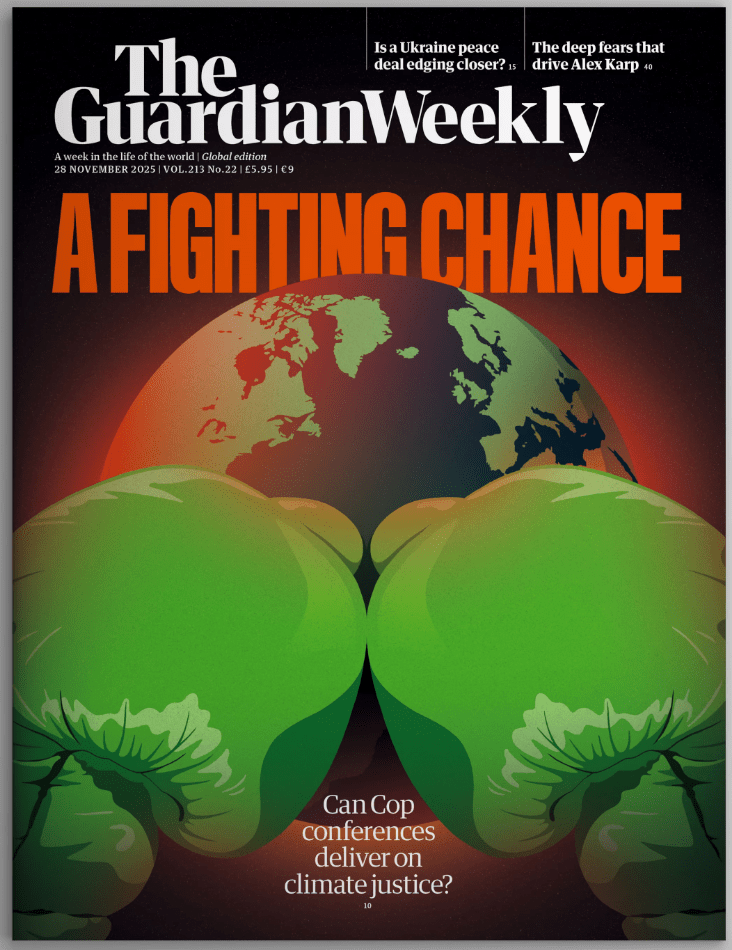
Bitter rows, implacably opposed delegations, threatened walkouts and then, hours after the planned deadline with fear of failure stalking the delegates, a statement towards which recalcitrant countries have been nudged into agreeing is produced. Cop30, which concluded last Saturday in Belém, Brazil, was little different from its recent predecessors, despite the growing urgency of needing to find a solution to our ever hotter planet. For this week’s big story, environment editor Fiona Harvey details how weak consensus was forged between states on the frontline of climate change and the petrostates that sought a rollback from the need to “transition away from fossil” fuels agreed two years ago in Dubai.
Five essential reads in this week’s edition
Spotlight | Is Ukraine edging closer to a peace deal? A whirl of international diplomacy was sparked by a US-Russian authored ‘peace plan’ to end the Ukraine war. Luke Harding and Pjotr Sauer cast a critical eye over the prospects for an agreement.
Spotlight | Trump, Saudi Arabia and shifting Middle Eastern sands Pageantry and trillion-dollar promises reveal how Washington’s regional loyalties may be tilting away from Israel and towards the Gulf, writes Julian Borger
Feature | Is Alex Karp the world’s scariest CEO? His company, Palantir, is potentially creating the ultimate state surveillance tool. Now, Alex Karp’s biographer reveals what makes him tick. BySteve Rose
Opinion | An improbable new adversary for Trump – the Catholic church Inequality, immigration and civil rights are the battlegrounds on which the church – and some other Christian denominations – are fighting the Trump administration, writes Simon Tisdall
Culture | Edmund de Waal’s loose ends The celebrated ceramicist explains to Charlotte Higgins why he turned his decades-long f ixation with Axel Salto – the maker of unsettling stoneware full of tentacle sproutings and knotty growths – into a new show
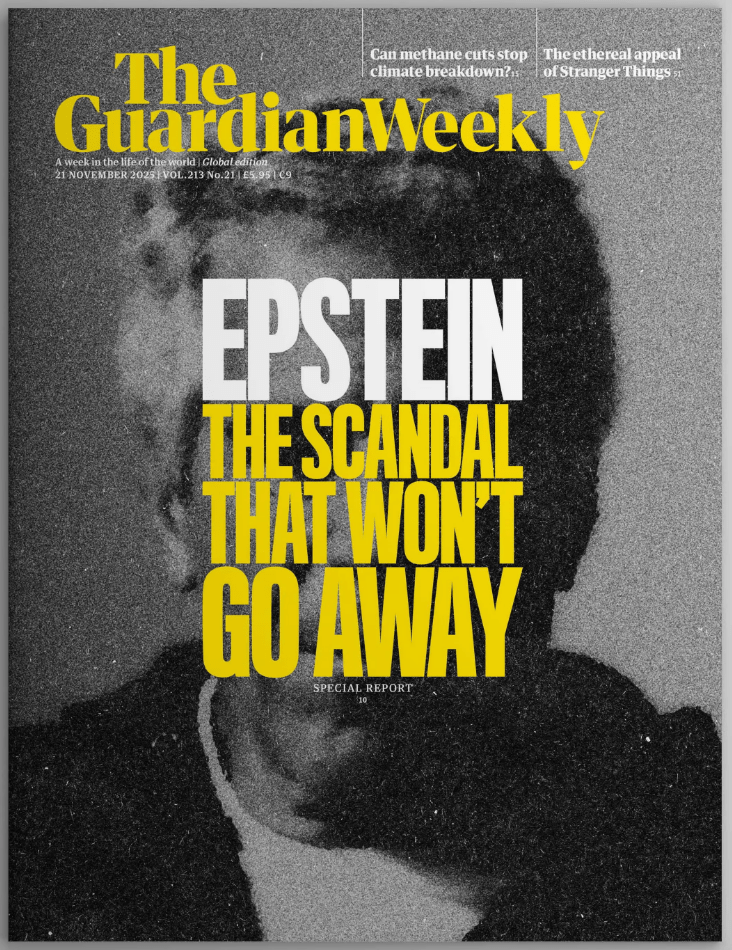
The release last week of a tranche of Jeffrey Epstein’s private emails raised more questions about Donald Trump’s links to the disgraced financier.
The US president had spent much of this year trying to bat away questions about Epstein while rejecting pressure to release the bulk of the files. But in an abrupt reversal on Sunday – widely seen as an admission that he cannot control his Maga base on the issue – Trump urged House Republicans to back the release of the files after all.
That was duly passed this week and if the Senate also votes the same way, the justice department will be compelled to release all unclassified materials on Epstein, who died in jail in 2019 while awaiting trial on sex-trafficking charges.
So we may soon find out what Trump has tried for so long to keep buried. As David Smith writes for our big story, last week’s email release pointed less to a grand conspiracy and more to an elite world in which wealthy, powerful and privileged individuals operate above the law.
One thing’s for sure: despite Trump’s wishes, the Epstein scandal isn’t going away just yet.
Spotlight | Can methane cuts avert climate disaster? With temperatures breaching limits set out in the Paris Agreement, designed to mitigate climate change, experts say tackling the powerful gas could buy crucial time as the clean-energy shift stalls. Fiona Harvey reports
Spotlight | The US military’s plans for a divided Gaza A ‘green zone’ will be secured by international and Israeli troops, while almost all Palestinians have been displaced to a ‘red zone’ where no reconstruction is planned, reports Emma Graham-Harrison
Feature | What chance did one boy have to survive on Britain’s streets? When documentary film-maker Pamela Gordon first met Craig in Nottingham, he was 13 and homeless. She still thought his life might turn around, but she was tragically wrong
Opinion | Labour’s asylum plans are cruel, overspun and unachievable There is mounting disquiet among Labour MPs, while the vulnerable refugees at the heart of this story are living with a renewed sense of panic, writes Diane Taylor
Culture | Stranger Things reaches its upside down finale After a decade, the Netflix hit is bowing out. Ahead of its last episodes, the show’s creators and cast talk to Rebecca Nicholson about big 80s hair, recruiting a Terminator killer – and the birds Kate Bush sent them





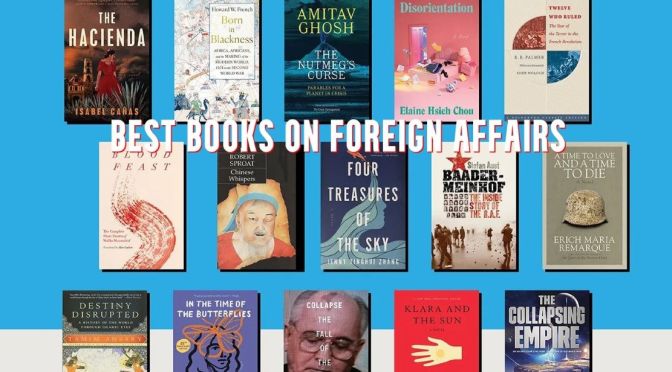
 Foreign Affairs Magazine: The very best of the hundreds of books on international politics, economics, and history that were featured in the magazine this year, selected by Foreign Affairs’ editors and book reviewers.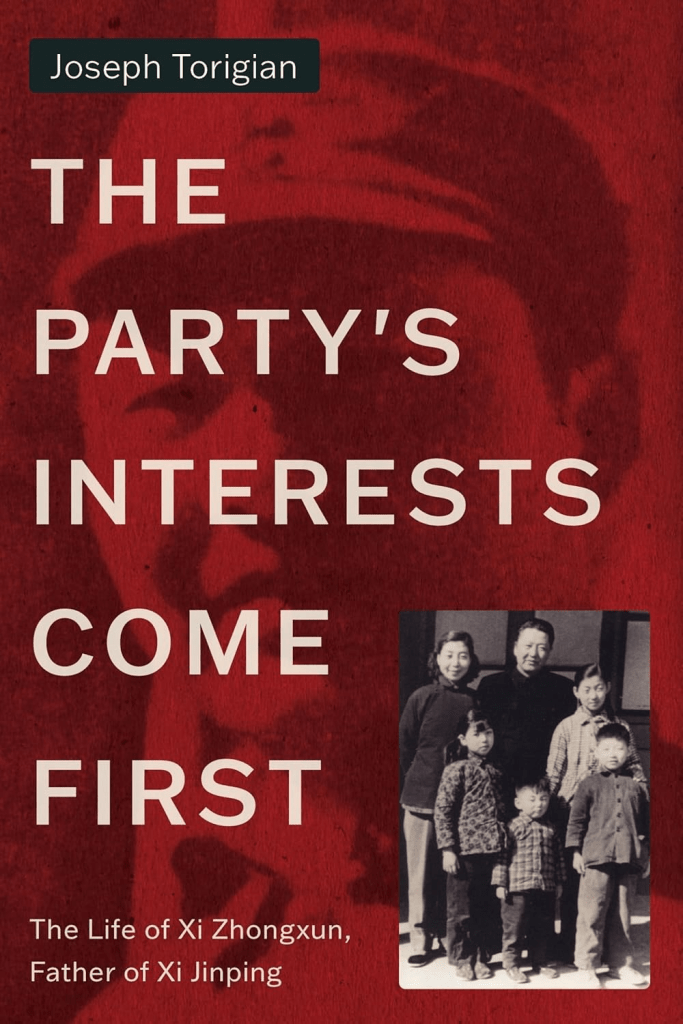





 Boomers Daily