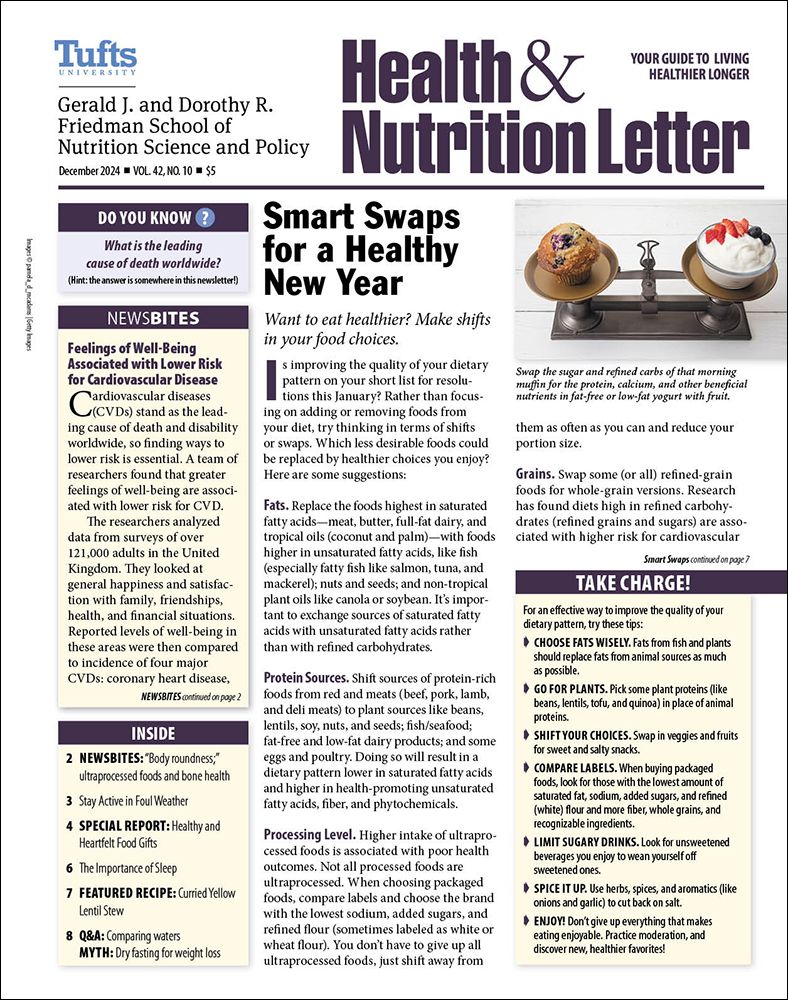
Tufts Health & Nutrition Letter (November 27, 2024): The new issue features…

Tufts Health & Nutrition Letter (November 27, 2024): The new issue features…
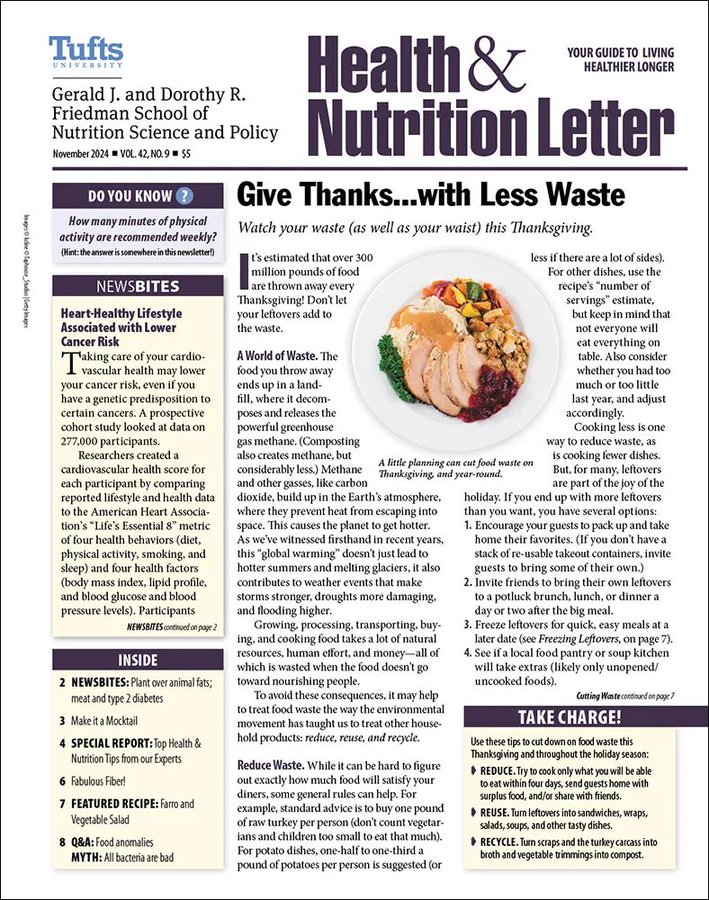
Tufts Health & Nutrition Letter (October 28, 2024): The new issue features ‘Give Thanks…with Less Waste’…
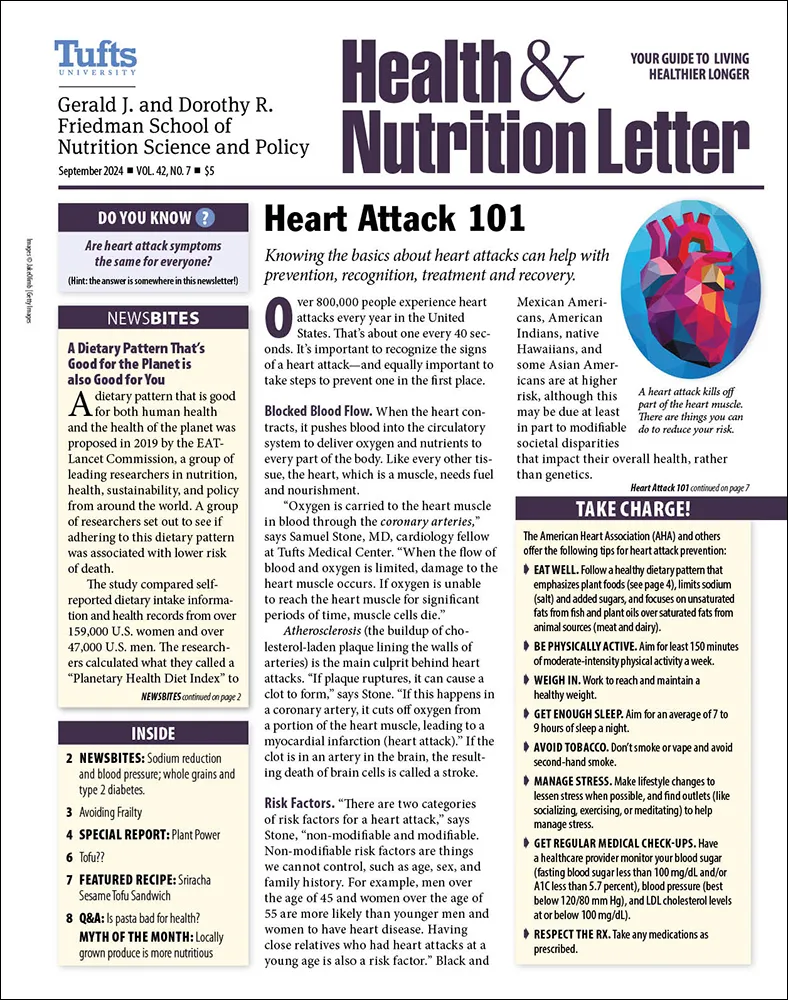

Tufts Health & Nutrition Letter (September 3, 2024): The new issue features Heart Attack 101; Avoiding Frailty; Special Report: Plant Power Tofu??; Is pasta bad for health? and Locally grown produce is more nutritious…
Physical frailty in older age can be avoided. Start now.

We all lose muscle and strength as we age. Frailty is something more. It can take away your health, your vitality, and your independence. But it’s not inevitable.
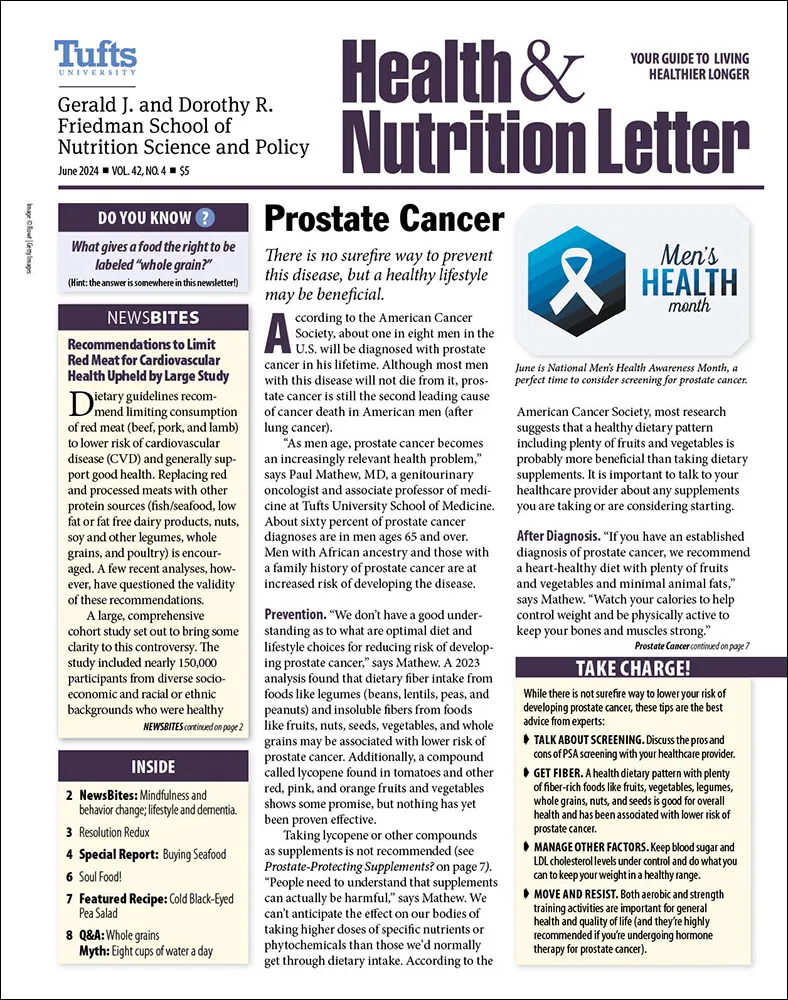
Tufts Health & Nutrition Letter (June 3, 2024): The new issue features ‘Prostate Cancer’ – There is no surefire way to prevent this disease, but a healthy lifestyle may be beneficial…

The benefits of physical activity are well-established. Not only can being physically active make you feel and perform better, but it can also reduce the risk of developing many chronic diseases, including cardiovascular disease, type 2 diabetes, and Alzheimer’s disease and other dementias.
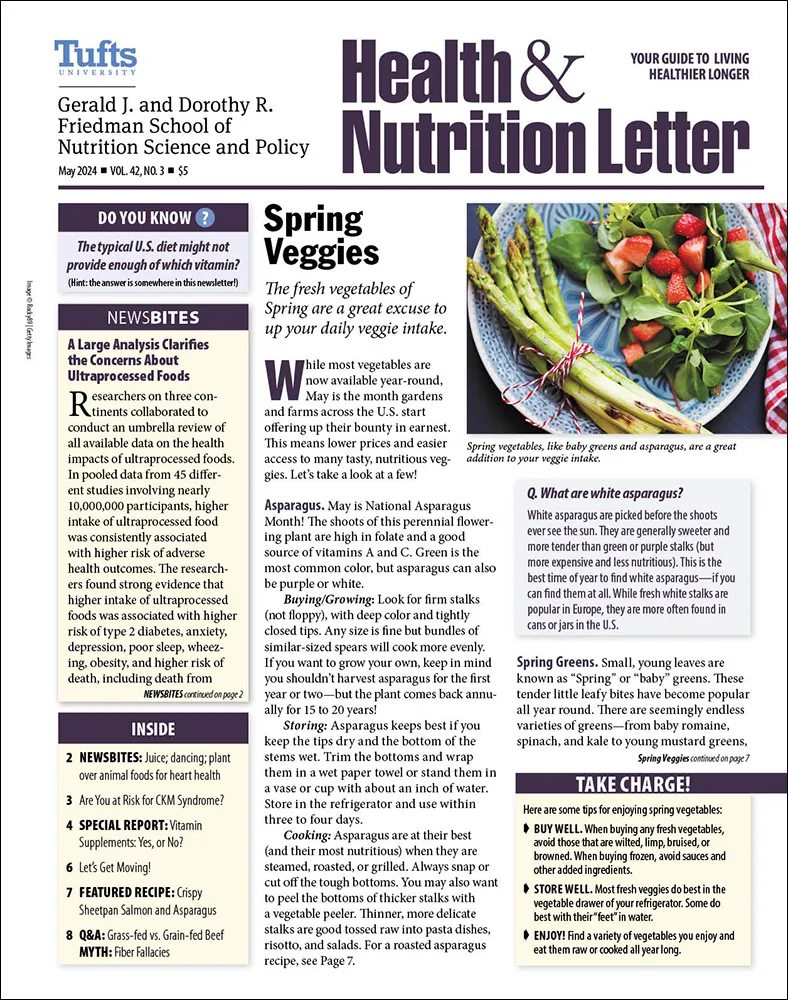
Tufts Health & Nutrition Letter (APRIL 30, 2024): The new issue features Vitamin Supplements – Yes, of No?; A large analysis clarifies the concerns about ultra-processed foods, and more….
Insects have long been a staple food in Asia. In Europe, not so much. But diets are changing, with ever more people trying to avoid meat – for health or moral reasons, or because raising farm animals is less and less sustainable. Now, the European Commission has officially declared mealworms to be food. It’s a game changer for insect farmers, many of whom have so far operated under temporary license. Insects are rich in protein: Up to 70 percent of their entire mass is protein. In addition to that, they’re also rich in healthy Omega-3 fatty acids, like fish. Some insects, especially the mealworm, have over 14 percent of fatty acids – that’s seven times as much as fish.

These days, about half of the protein the world’s population eats is from seafood. Staff Writer Erik Stokstad joins host Sarah Crespi to talk about how brand-new biotech and old-fashioned breeding programs are helping keep up with demand, by expanding where we can farm fish and how fast we can grow them.
Sarah also spoke with Jan Claesen, an assistant professor at the Cleveland Clinic’s Lerner Research Institute, about skin microbes that use their own antibiotic to fight off harmful bacteria. Understanding the microbes native to our skin and the molecules they produce could lead to treatments for skin disorders such as atopic dermatitis and acne. Finally, in a segment sponsored by MilliporeSigma, Science’s Custom Publishing Director and Senior Editor Sean Sanders talks with Timothy Cernak, an assistant professor of medicinal chemistry and chemistry at the University of Michigan, Ann Arbor, about retrosynthesis—the process of starting with a known chemical final product and figuring out how to make that molecule efficiently from available pieces.
From a Wall Street Journal article by Heidi Mitchell:
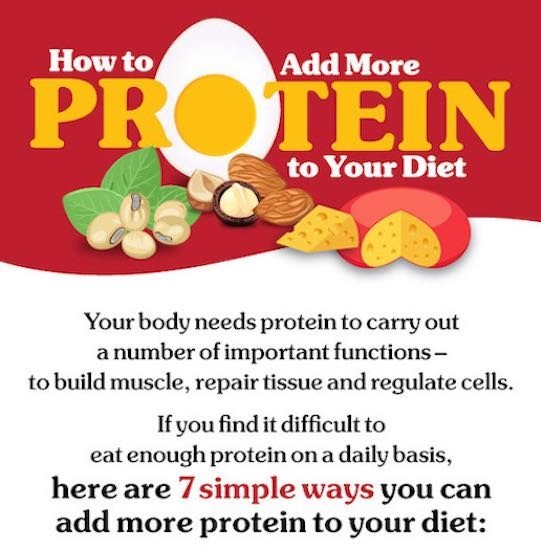
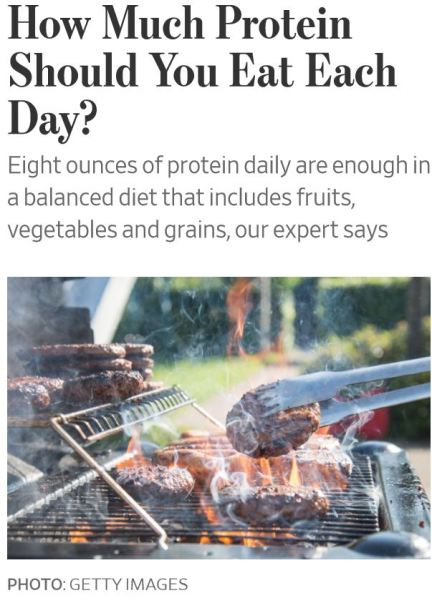 Unlike carbohydrates or fats, proteins are the only nutrients that can be used to build new cells that can form tissue, said Dr. Walter, a registered dietitian.
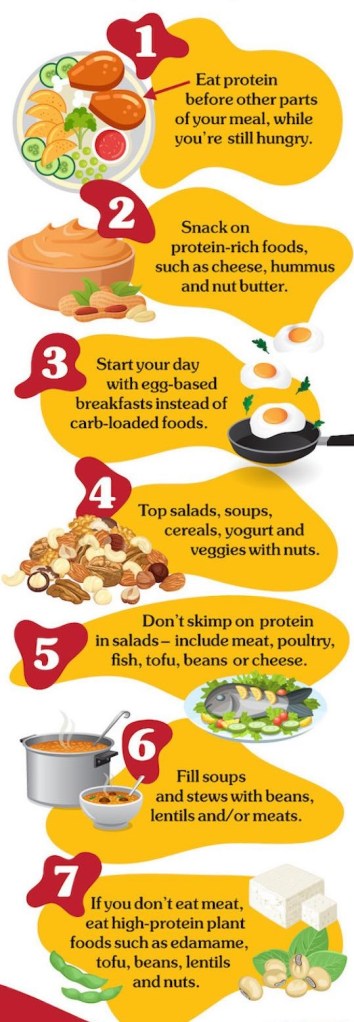
“These have to be supplied by food, and the best source of them is what we call a complete protein, which includes meat, chicken, fish, milk or eggs,” she said. A total of eight ounces, or about 45 grams of protein, is all an adult needs each day, she said, and the type of complete protein it comes from doesn’t matter in a balanced diet that includes fruits, vegetables and grains.
To read more click on the following link: https://www.wsj.com/articles/how-much-protein-should-you-eat-each-day-11563374327




 Boomers Daily


