

Radio News 24/7 reports: U.S. Presidential Debate, Covid-19 surges in Europe, Nigerian protests against police violence and other top news.

Radio News 24/7 reports: U.S. Presidential Debate, Covid-19 surges in Europe, Nigerian protests against police violence and other top news.
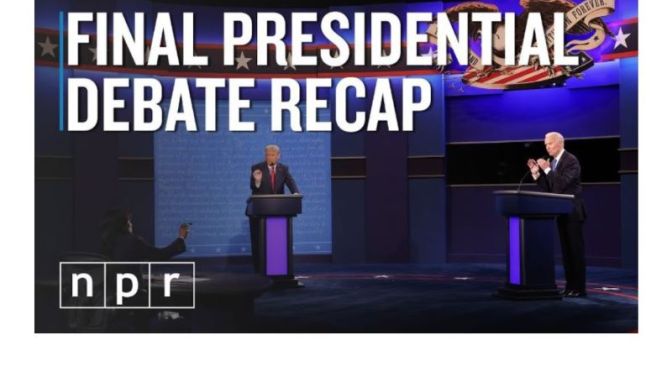
President Trump and former Vice President Joe Biden met for their second and final debate heading into the final sprint to Election Day. NPR’s Asma Khalid has more from the event, where new debate rules kept the conversation focused on policy issues.
• Read “Trump And Biden Had A Real Debate, And 4 Other Takeaways” at https://www.npr.org/2020/10/23/926844…
• Listen to: “Surprise: There Was A Lot Of Policy Talk At The Final Presidential Debate” at https://www.npr.org/2020/10/23/926979…

Presidential candidates’ microphones to be muted in parts of final debate, Pelosi, Mnuchin work to reach deal before Tuesday deadline, and this 14-year-old girl won a $25K prize for a discovery that could lead to a cure for Covid-19.
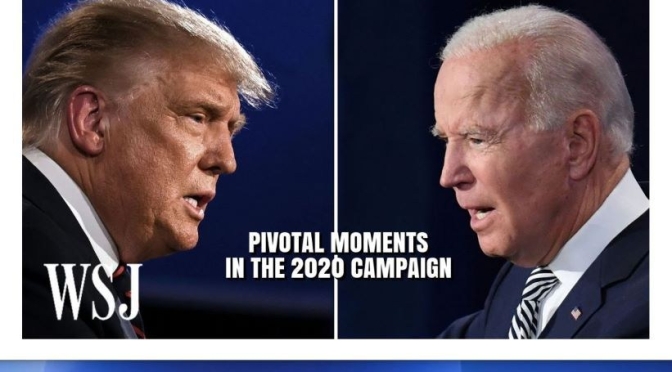
Like so much in 2020, the presidential campaign was thrown into turmoil because of the coronavirus pandemic. WSJ’s political team reviews the critical events of this year’s campaign season and looks forward to what might influence voters on Election Day.
Photos: Jim Watson and Saul Loeb/AFP
The alleged plot by militia members to kidnap Michigan governor Gretchen Whitmer shines a light on domestic extremists in the state. Presidential debate organizers offered up a revised plan for upcoming debates, setting off a harsh exchange between the campaigns.
And Washington DC authorities are urging White House staff to contact trace following that Rose Garden event for Supreme Court nominee Amy Coney Barrett.

NPR News Now reports: Stop-Gap Spending Bill signed into law, Presidential Debate Commission devises new tools, and other top news.
Trump, Biden clash in contentious first debate, Judge Barrett begins Capitol Hill tour ahead of Supreme Court hearings, and James Patterson awards $500 grants to thousands of teachers.
From a TheConversation.com online article:
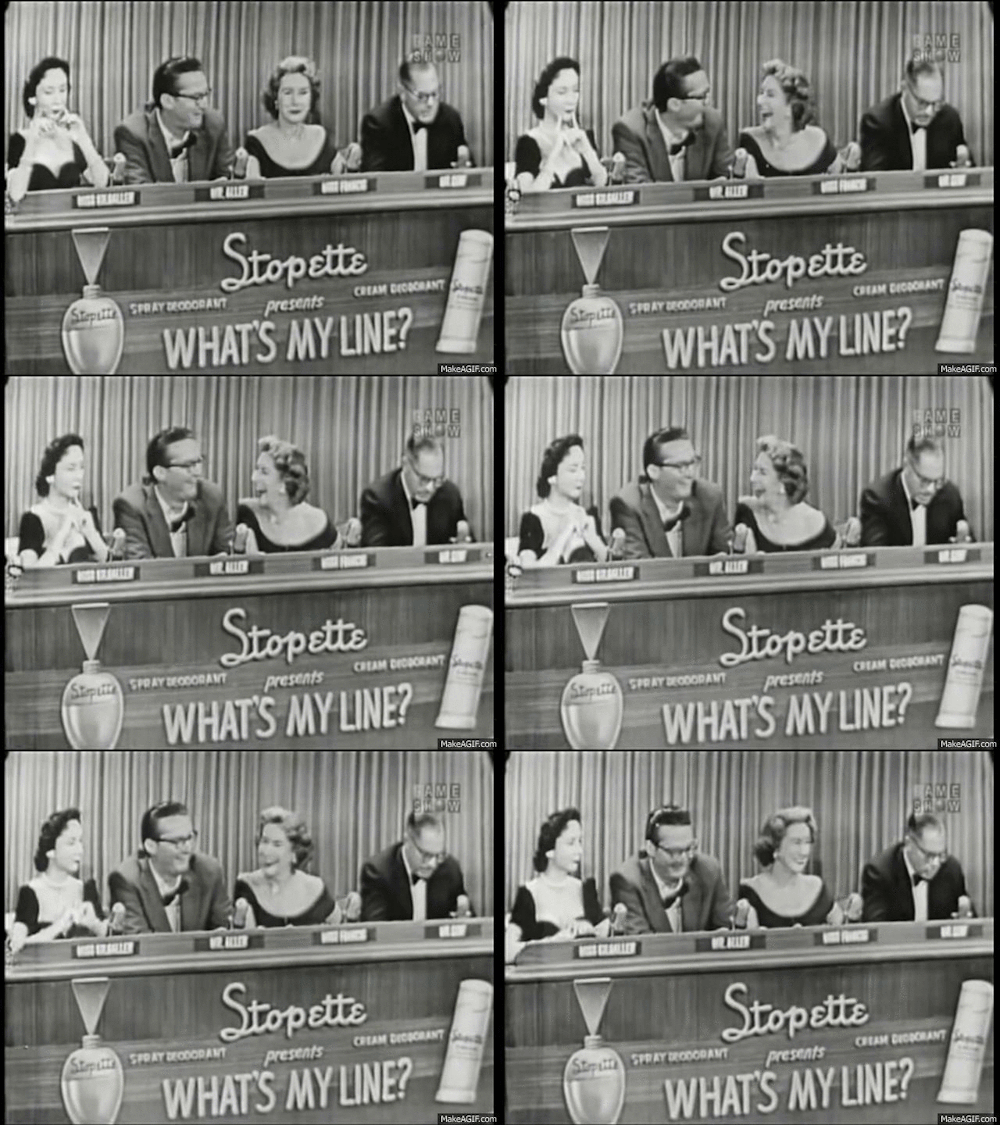 Between 1955 and 1959, America’s prime-time television schedule became dominated by quiz shows.
…(Television executive Frank) Stanton got both Vice President Richard Nixon – who had been a champion debater at Whittier College – and Senator John F. Kennedy to accept invitations to debate live on television. That’s when the really difficult negotiations began.

…Every detail took a long time to agree on, as the election drew ever closer in the late summer of 1960.
…Sure enough, the time pressures pushed everyone to agree on an established TV format Americans were familiar with: the quiz show. The required studios were easily available, the production staff already knew what to do, and journalists could easily moderate discussions in which candidates agreed not to directly question or answer each other.


 Boomers Daily