We discuss why Taiwan is bolstering its defence capabilities and explore why this weekend’s election in Russia matters – despite being a foregone conclusion.
Plus: The last instalment of our Canadian election series and our weekly reflection on the weird and wonderful things we’ve learned over the past seven days.
Next, Peter Teske, a professor in the department of zoology at the University of Johannesburg, joins us to talk about his Science Advances paper on origins of the sardine run—a massive annual fish migration off the coast of South Africa.
Prime Minister Boris Johnson has re-allocated a number of key government posts. We ask how the changes reflect his political standing and what they mean for his agenda. A first-of-its-kind study that deliberately infected participants with the coronavirus is ending; we examine the many answers such research can provide. And the rural places aiming to capitalise on their dark skies.
How aquatic foods could help tackle world hunger, and how Australian wildfires spurred phytoplankton growth in the Southern Ocean.
In this episode:
00:45 The role of aquatic food in tackling hunger
Ahead of the UN’s Food Systems Summit, Nature journals are publishing research from the Blue Food Assessment, looking at how aquatic foods could help feed the world’s population in a healthy, sustainable and equitable way.
We speak to Ismahane Elouafi, Chief Scientist at the Food and Agriculture Organization of the United Nations, who tells us about the role of blue foods in future food systems.
14:52 How Australian wildfires spurred phytoplankton blooms
The devastating Australian wildfires of 2019-2020 released plumes of iron-rich aerosols that circled the globe, fertilizing oceans thousands of miles away. New research suggests that these aerosols ultimately triggered blooms of microscopic phytoplankton downwind of the fires, in the Southern Ocean.
We analyse the Norwegian election results and hear about China’s plans to send aid to Afghanistan. Plus: our Canadian election series shines a spotlight on Conservative leader Erin O’Toole.
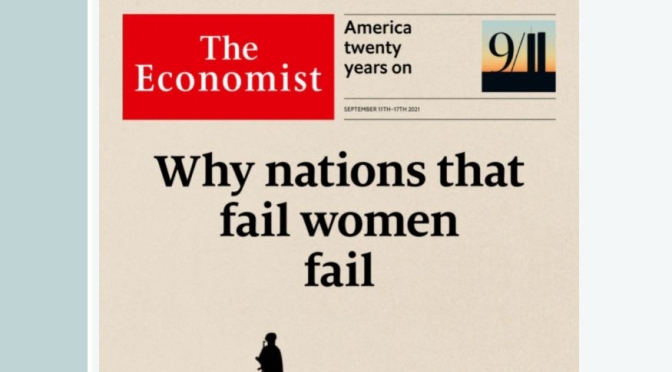
A selection of three essential articles read aloud from the latest issue of The Economist. This week, America then and now: the bitter legacy of 9/11. Why nations that fail women fail, (9:42) and a forgotten revolution in pottery (17:58)
For decades the world’s cities seemed invincible, but the pandemic has hastened and hardened a shift in urban demographics and economics. And an ancient Finnish burial site scrambles notions of gender roles in the distant past.
Monocle’s editorial director, Tyler Brûlé, and our panellists round up the weekend’s biggest news. Plus, we check in with our friends and correspondents in Berlin, London and Hong Kong.
Monocle’s Georgina Godwin and Christopher Cermak review the day’s papers for the biggest news, including the 20th anniversary of the September 11 attacks.





 Boomers Daily