
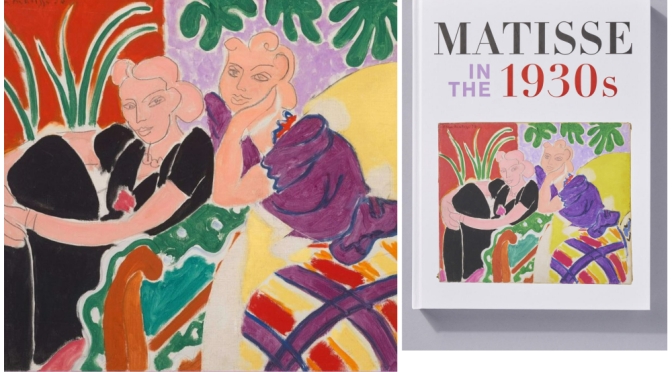

Matisse in the 1930s features a collection of the legendary artist’s work during a decade of artistic exploration—from experimentation, to failure, to renewal—with Philadelphia as a backdrop.
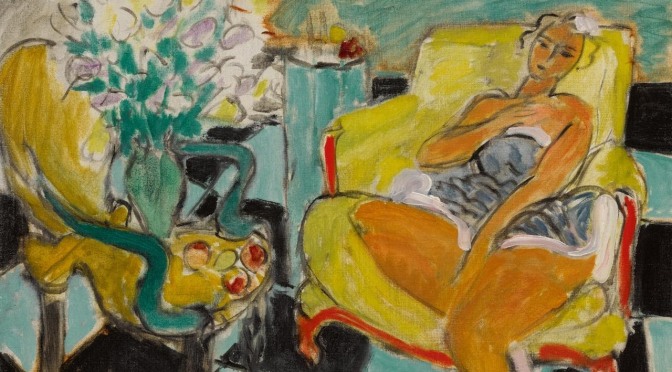
By 1930, Henri Matisse had achieved significant international renown, yet he found himself in a deep creative slump. The turning point came with a commission to decorate the main gallery of the Barnes Foundation in Philadelphia. The resulting monumental mural, The Dance (1930–33), turned Matisse’s artistic practice around.





 In the summer of 1891, Claude Monet began to paint a row of poplar trees that lined the river Epte near his house at Giverny. The trees were auctioned off for timber shortly thereafter, but Monet made a deal with the purchaser to delay cutting them so he could continue to paint the trees through the autumn. Using a shallow rowboat that had slots in the bottom capable of holding several canvases at once, Monet painted twenty-four pictures of the poplars from his floating studio.
 Boomers Daily