
Tag Archives: Octopus

Research Preview: Nature Magazine – April 13, 2023

Volume 616 Issue 7956

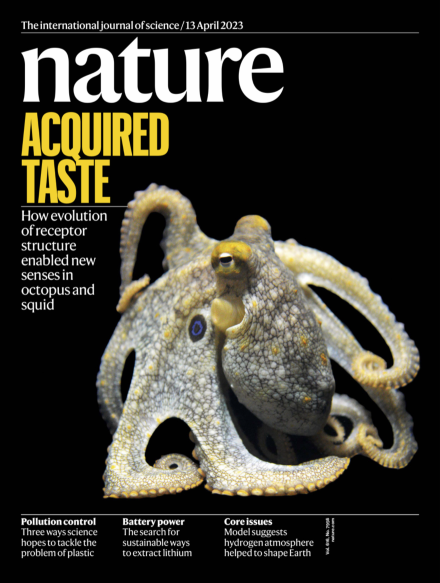
nature Magazine – April 13, 2023 issue: Octopuses use chemotactile receptors (CRs) in the suckers on their arms to ‘taste by touch’ as they explore their sea-floor environment. These proteins evolved from neurotransmitter receptors to allow octopuses to detect poorly soluble natural products on contact.

World’s biggest butterfly is low on genetic diversity
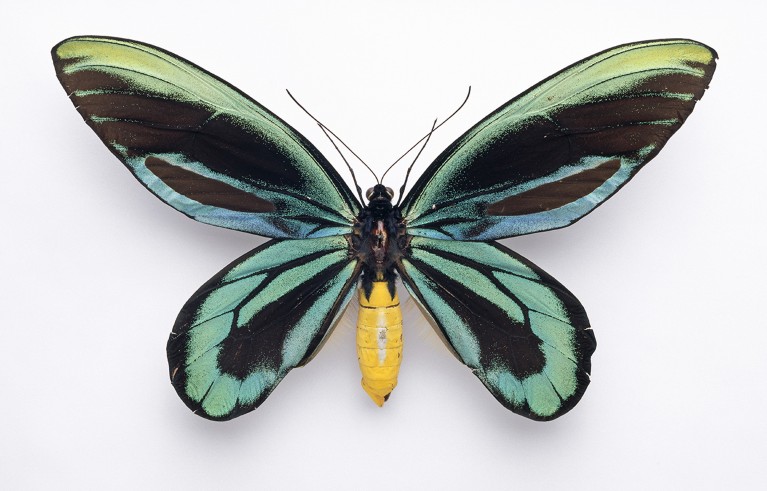
Ornithoptera alexandrae, Queen Alexandra's birdwing butterfly.
Rare beauty: the Queen Alexandra’s birdwing can have a wingspan of more than 28 centimetres. Credit: Alamy

An endangered butterfly, found only in Papua New Guinea, has had a small population for a million years.

Three ways to solve the plastics pollution crisis
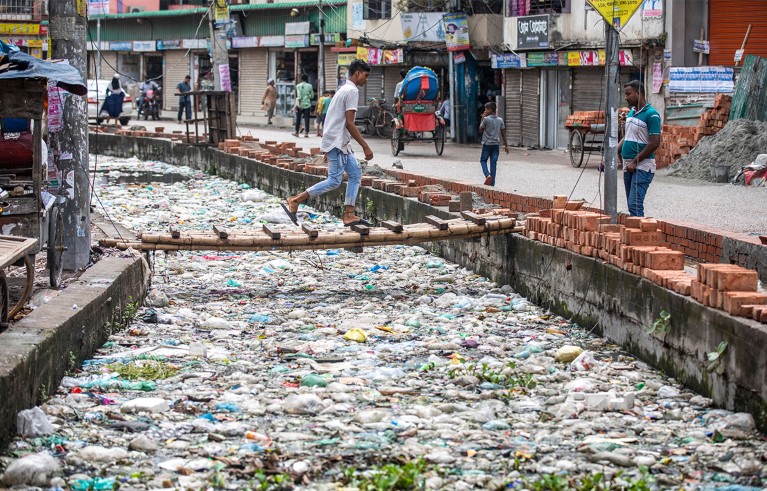
Man walks through a canal which is blocked by piles of plastic waste and food waste dumped, Bangladesh, Dhaka.
A canal blocked by waste, including discarded plastic, in Dhaka, Bangladesh. Credit: Ahmed Salahuddin/NurPhoto/Shutterstock

Researchers are studying how more-sophisticated policies, smarter recycling and new materials could stem the tide of waste.
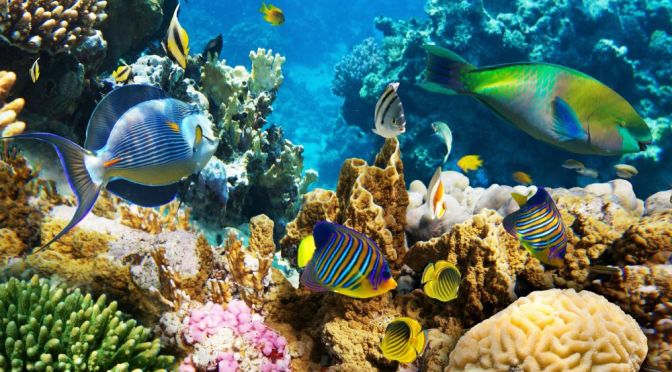
Underwater Views: Marine Coral Reef Wildlife (8K)

A coral reef is an underwater ecosystem characterized by reef-building corals. Reefs are formed of colonies of coral polyps held together by calcium carbonate. Most coral reefs are built from stony corals, whose polyps cluster in groups.

Video timeline: 00:0000:05 Intro 00:0600:13 Seahorse 00:1400:21 Coral reef 00:2200:28 Sea turtle 00:2900:40 Shark 00:4100:48 Octopus 00:4901:00 Lion Fish 01:0101:08 Moray 01:0901:17 Clown Fish and Sea Anemone 01:1801:29 Manta Ray 01:3001:37 Red shrimp 01:3801:48 Jelly Fish 01:4901:58 Sea horse 01:5902:26 Coral reef 02:2702:38 Clown Fish and Sea Anemone 02:3902:50 Turtle eating 02:5103:11 Octopus 03:1203:21 Dolphin 03:2203:31 Sea Turtle 03:3203:42 Star Fish 03:4303:51 Long Arm Octopus 03:5204:04 Scorpion Fish 04:0504:35 Coral reef 04:3604:58 Sea Turtle

Views: Sally Lightfoot Crabs Face Eels & Octopus Off Coast Of Brazil (BBC)

In their search for food, these crabs must leap from rock to rock, dodging the predators that lie in wait.

Sally Lightfoot crabs are brightly-coloured coastal scavengers, found in the Galapagos Islands and across the western coast of South and Central America.

Marine Wildlife: ‘Crabs, Eels & Octopuses’ Off The Coast Of Brazil (Video)

On the wild and windy coast of Brazil, survival is a tricky business. As well as evading giant waves and changing tides, Sally Lightfoot crabs are ambushed by eels and octopuses.

The journey to their feeding grounds is fraught with danger – even for a creature that can walk on water. In unique footage of these incredible crustaceans, we show you how Sally Lightfoot crabs eat, escape and survive in these harsh conditions – and where they may have got their name. Check out our World’s Weirdest Animals playlist for more amazing creatures and don’t forget to subscribe and hit the alert button to keep up with our latest content!

Top Street Food: ‘Crunchy Takoyaki’ In Osaka, Japan

Takoyaki (たこ焼き or 蛸焼) a ball-shaped Japanese snack originating from Osaka – made of a wheat flour-based batter, filled with diced octopus (tako), tempura scraps (tenkasu), pickled ginger (beni shoga), and green onion (negi). Takoyaki balls are brushed with takoyaki sauce (similar to Worcestershire sauce) and mayonnaise, sprinkled with green laver (aonori) and shavings of dried bonito (katsuobushi).