

NPR’s Tamara Keith and Amy Walter of the Cook Political Report join Judy Woodruff to discuss the latest political news, including the opening night of the Democratic National Convention, President Trump’s counter-programming during a big week for former Vice President Joe Biden, Trump’s efforts to undermine the U.S. Postal Service and how Congress might intervene in response.
Tag Archives: News

Morning News Podcast: The Democrats Virtual Convention Begins, Covid-19, Sheryl Sandberg

Axios Today reports: Democrats are going ahead with a mostly virtual convention, starting tonight. But how TV networks will cover the event, and how the millions of American voters watching it will react is still up in the air.
- Plus, the Trump administration is eyeing another unproven coronavirus treatment.
- And, Sheryl Sandberg shares some key takeaways from Lean In’s new report on Black women in the workplace.
Guests: Axios’ Margaret Talev, Jonathan Swan, and Facebook COO Sheryl Sandberg.
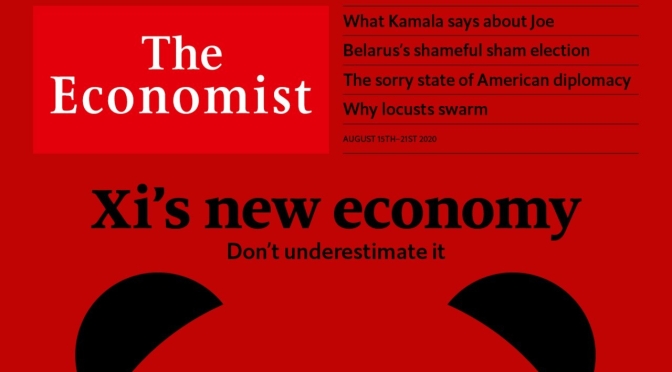
Global News Podcast: China’s New Economy, Belarus’s Sham Election & Fading Office Romance
The Economist Magazine presents a selection of three essential articles read aloud from the latest issue of The Economist. This week, Xi Jinping is reinventing state capitalism (10:20), Belarus’s sham election (14:25), and the decline of the office romance.

World News Podcast: Hong Kong And Belarus Protests, Covid-19 Surge

DW Radio News 24/7 reports: Recently arrested Hong Kong media CEO Jimmy Lai vow that pro-democracy protests against China will continue, Belarus protests, and WHO reports 300,000 new Covid-19 cases in last 24 hours.

Morning News Podcast: Politics Of Post Office Changes, Iowa Outages, California Blackouts

NPR News Now reports: The political issues surrounding operational changes at the Post Office, Iowa power outages after this week’s storms and California blackouts.
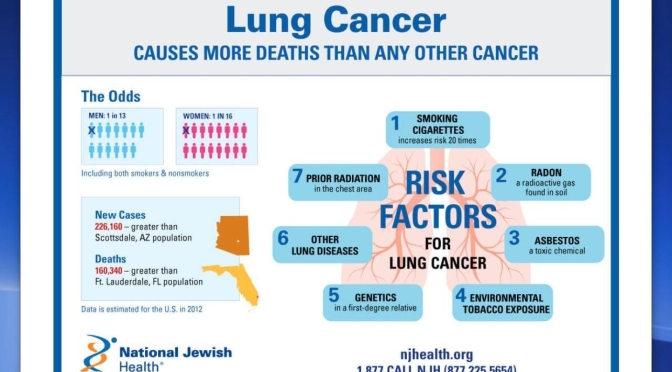
Health: Lung Cancer Deaths Drop As Targeted Therapies Improve (NEJM)
NEJM (Aug 13, 2020) – Population-level mortality from NSCLC in the United States fell sharply from 2013 to 2016, and survival after diagnosis improved substantially. Our analysis suggests that a reduction in incidence along with treatment advances — particularly approvals for and use of targeted therapies — is likely to explain the reduction in mortality observed during this period.
“The survival benefit for patients with non-small cell lung cancer treated with targeted therapies has been demonstrated in clinical trials, but this study highlights the impact of these treatments at the population level,” said Nadia Howlader, Ph.D., of NCI’s Division of Cancer Control and Population Sciences, who led the study. “We can now see the impact of advances in lung cancer treatment on survival.”


Morning News Podcast: Facebook Improvements, Kamala Harris & Thailand
 NPR Up First reports: Facebook is launching a tool to help users register to vote. Kamala Harris’ ethnicity will be important to voters of color. And, Thai students protest the military’s involvement in Thai politics.
World News Podcast: New Arrests In Hong Kong, Satellite Attack Risks
 It’s been about a month since the Chinese Communist Party forced a national security law on Hong Kong. This new law made it illegal for anyone anywhere in the world to promote democratic reform in the region. Recent arrests of top media and political figures have made it clear that Hong Kong’s relatively free political system is over.
- Plus, the risk of space attacks against U.S. satellites is growing.
- And, some hopeful pandemic parenting advice from Dr. Sanjay Gupta.
Guests: Axios’ Bethany Allen-Ebrahimian, and Miriam Kramer and special thanks to Dr. Sanjay Gupta and the Asian American Journalists Association.
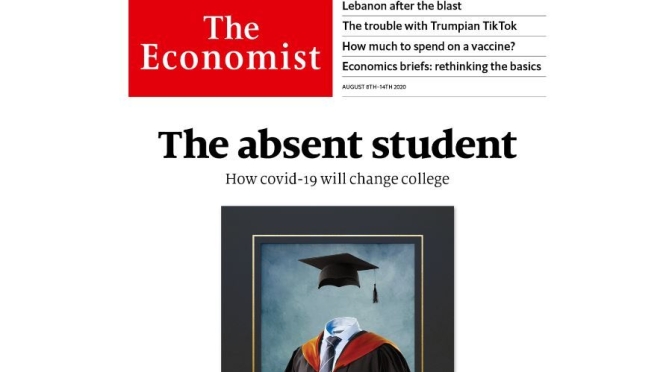
Global News Podcast: Absent Students, Beirut In Ruins & China’s Popular TV
A selection of three essential articles read aloud from the latest issue of The Economist. This week: the absent student, (9:55) Beirut: a city in ruins, (19:45) and why TV from China’s Hunan province has become so popular.
 NPR News Now reports: Congress fails to agree on a new stimulus bill, President Trump considers action, and other top news.
 Boomers Daily