

DW Radio News 24/7 reports: Recently arrested Hong Kong media CEO Jimmy Lai vow that pro-democracy protests against China will continue, Belarus protests, and WHO reports 300,000 new Covid-19 cases in last 24 hours.

DW Radio News 24/7 reports: Recently arrested Hong Kong media CEO Jimmy Lai vow that pro-democracy protests against China will continue, Belarus protests, and WHO reports 300,000 new Covid-19 cases in last 24 hours.

NPR News Now reports: The political issues surrounding operational changes at the Post Office, Iowa power outages after this week’s storms and California blackouts.
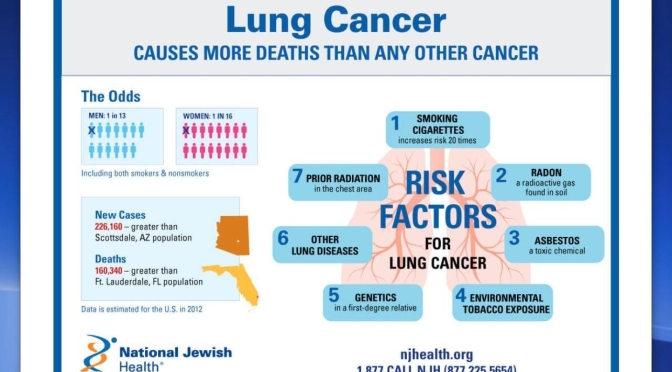
NEJM (Aug 13, 2020) – Population-level mortality from NSCLC in the United States fell sharply from 2013 to 2016, and survival after diagnosis improved substantially. Our analysis suggests that a reduction in incidence along with treatment advances — particularly approvals for and use of targeted therapies — is likely to explain the reduction in mortality observed during this period.
“The survival benefit for patients with non-small cell lung cancer treated with targeted therapies has been demonstrated in clinical trials, but this study highlights the impact of these treatments at the population level,” said Nadia Howlader, Ph.D., of NCI’s Division of Cancer Control and Population Sciences, who led the study. “We can now see the impact of advances in lung cancer treatment on survival.”


 NPR Up First reports: Facebook is launching a tool to help users register to vote. Kamala Harris’ ethnicity will be important to voters of color. And, Thai students protest the military’s involvement in Thai politics.
 It’s been about a month since the Chinese Communist Party forced a national security law on Hong Kong. This new law made it illegal for anyone anywhere in the world to promote democratic reform in the region. Recent arrests of top media and political figures have made it clear that Hong Kong’s relatively free political system is over.
Guests: Axios’ Bethany Allen-Ebrahimian, and Miriam Kramer and special thanks to Dr. Sanjay Gupta and the Asian American Journalists Association.
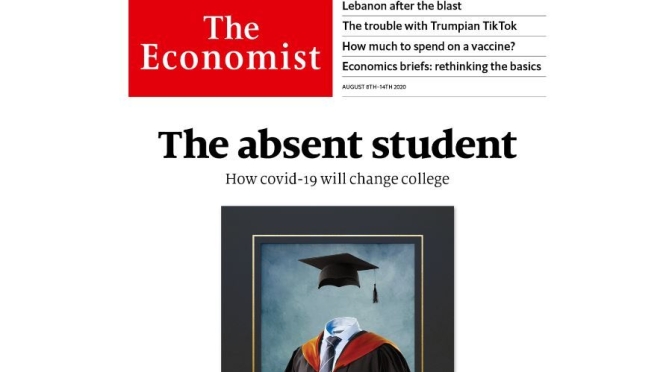
A selection of three essential articles read aloud from the latest issue of The Economist. This week: the absent student, (9:55) Beirut: a city in ruins, (19:45) and why TV from China’s Hunan province has become so popular.
 NPR News Now reports: Congress fails to agree on a new stimulus bill, President Trump considers action, and other top news.
It’s too soon to know what downtown cities will look like after the coronavirus pandemic. What we do know is that no business will be spared. Both small mom and pops and big retailers will have to shut their doors and move away from dense city centers. That could mean landowners, consumers and retailers will have to work together to imagine the new iteration of the American city.
Guests: Axios’ Dion Rabouin, Caitlin Owens, and Sara Goo.
 Staff Writer Meredith Wadman joins host Sarah Crespi to discuss the risk of the novel coronavirus infection to pregnant women. Early data suggest expectant women are more likely to get severe forms of the infection and require hospitalization. Meredith describes how the biology of pregnancy—such as changes to the maternal immune system and added stress on the heart and lungs—might explain the harsher effects of the virus.
Also this week, Sarah talks with Gianluca Roscioli about his experiments with commercial razor blades and real human hair. By using a scanning electron microscope, he was able to show how something relatively soft like hair is able to damage something 50 times harder like stainless steel.
NPR New Now: The Beirut explosion killed at least 135 people, the 2020 U.S. Presidential election, and other top news.


 Boomers Daily