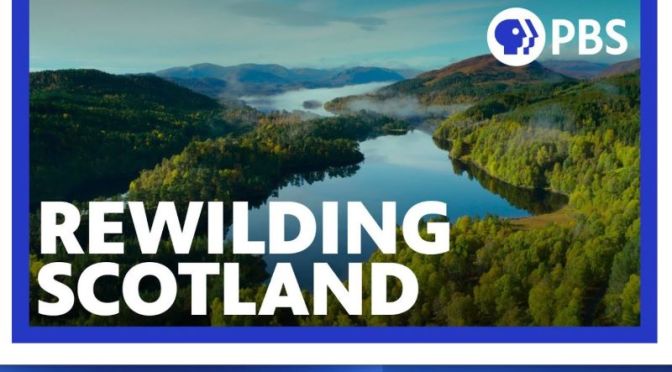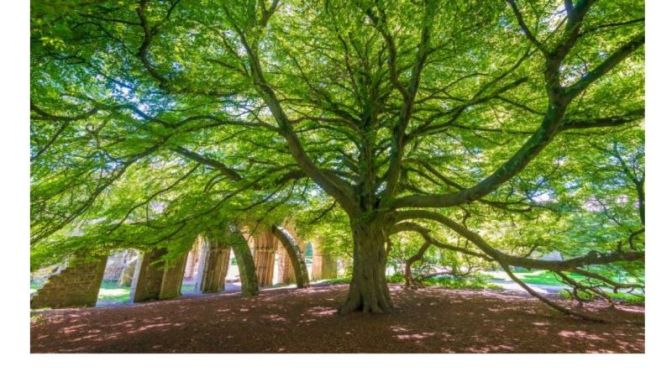
Alan Watson Featherstone, ecologist and founder of “Trees for Life,” describes the moment he realized he needed to help in the effort to rewild Scotland, resulting in the founding of his charity “Trees for Life” to achieve this. Tune in or stream “The Age of Nature” Wednesdays, October 14-28, 2020 at 10/9c.
Tag Archives: Nature
Science Podcasts: Room-Temp Superconductors, Covid-19 Mask Benefits

A high pressure experiment reveals the world’s first room-temperature superconductor, and a method to target ecosystem restoration.
In this episode:
00:44 Room-temperature superconductivity
For decades, scientists have been searching for a material that superconducts at room temperature. This week, researchers show a material that appears to do so, but only under pressures close to those at the centre of the planet. Research Article: Snider et al.; News: First room-temperature superconductor puzzles physicists
08:26 Coronapod
The Coronapod team revisit mask-use. Does public use really control the virus? And how much evidence is enough to turn the tide on this ongoing debate? News Feature: Face masks: what the data say
19:37 Research Highlights
A new method provides 3D printed materials with some flexibility, and why an honest post to Facebook may do you some good. Research Highlight: A promising 3D-printing method gets flexible; Research Highlight: Why Facebook users might want to show their true colours
22:11 The best way to restore ecosystems
Restoring degraded or human-utilised landscapes could help fight climate change and protect biodiversity. However, there are multiple costs and benefits that need to be balanced. Researchers hope a newly developed algorithm will help harmonise these factors and show the best locations to target restoration. Research Article: Strassburg et al.; News and Views: Prioritizing where to restore Earth’s ecosystems
28:40 Briefing Chat
We discuss some highlights from the Nature Briefing. This time, a 44 year speed record for solving a maths problem is beaten… just, and an ancient set of tracks show a mysterious journey. Quanta: Computer Scientists Break Traveling Salesperson Record; The Conversation: Fossil footprints: the fascinating story behind the longest known prehistoric journey
Travel & Nature Videos: ‘Wild Pyrenees’ (2020)
Filmed and Edited by: Jono Gilbert
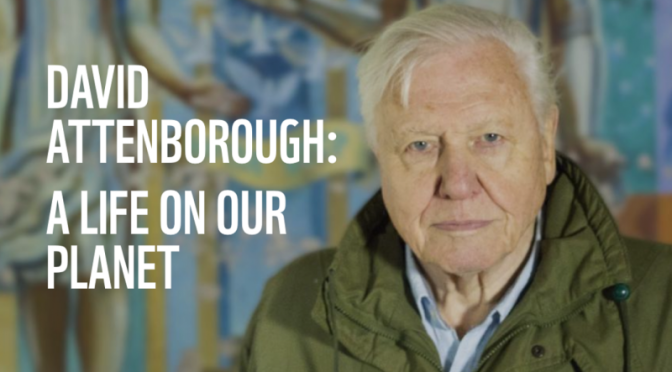
Video Interviews: ‘Sir David Attenborough – A Life On Our Planet’ (PBS)
Filmmaker Sir David Attenborough has been documenting the natural world since the 1950s. In his latest book and film, “A Life on Our Planet,” he offers a grave and alarming assessment about the climate crisis Earth is facing. The 94-year-old Attenborough spoke with William Brangham recently as part of our ongoing arts and culture series, Canvas.
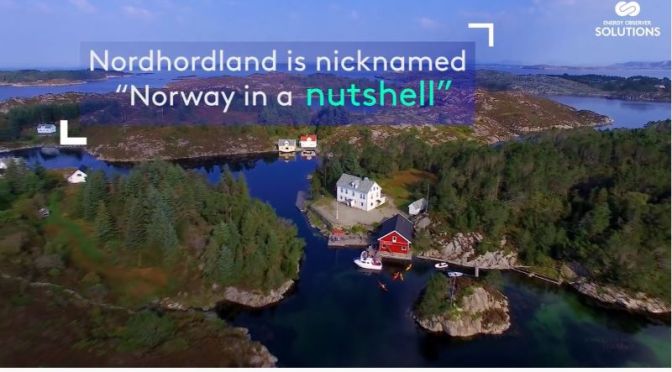
Travel & Nature Videos: ‘Nordhorland – Norway’s Only UNESCO Biosphere’
In western Norway, the Nordhordland region is the only UNESCO Biosphere Reserve in Norway. This site of more than 600,000 hectares between sea and fjords promotes sustainable development, combining economic activity and protection of biodiversity.
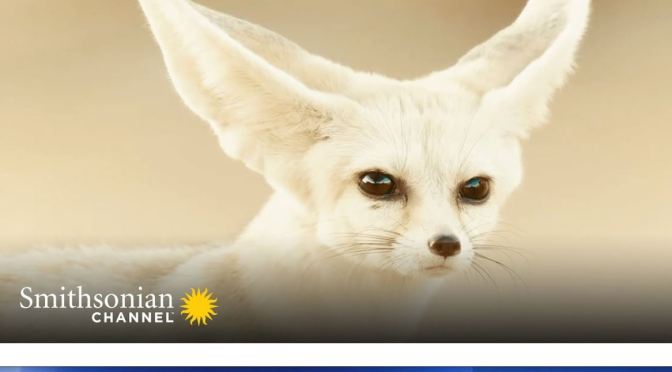
Wildlife Video: ‘Fennec Foxes – Smallest Canines On Earth’ (Smithsonian)
Fennec foxes, native to the deserts of North Africa, are the smallest canines on the planet, weighing in at just over two pounds. This is a sharp contrast to their most distinctive feature: a pair of oversized ears.
Top Science Podcasts: ‘Ice Loss In Greenland, Long-Covid & Whale Deep Dive

How current and future ice loss in Greenland compares to the past, Long-Covid, and using graphene to make ultra-sensitive radiation detectors.
In this episode:
00:45 Greenland’s historic ice loss
Climate change is accelerating the loss of ice and glaciers around the world leading to unprecedented levels of disappearance. Researchers have drilled samples from deep in the Greenland ice sheet, to model how current, and future, losses compare to those seen in the last 12,000 years. Research Article: Briner et al.; News and Views: The worst is yet to come for the Greenland ice sheet; Editorial: Arctic science cannot afford a new cold war
09:23 Coronapod
Despite recovering from an initial COVID-19 infection, many patients are experiencing severe symptoms months later. We find out about the impact of ‘Long Covid’ and the research that’s being done to try and understand it. News Feature: The lasting misery of coronavirus long-haulers
18:55 Research Highlights
A robot defeats humans at yet another sport, and extreme diving in Cuvier’s beaked whales. Research Highlight: A robot triumphs in a curling match against elite humans; Research Highlight: A smiling whale makes a record deep dive
21:20 A radiation detector made of graphene
Radiation-detectors known as bolometers are vital instruments in many fields of science. This week, two groups of researchers have harnessed graphene to make super sensitive bolometers that could be used to improve quantum computers, or detect subtle traces of molecules on other planets. Research Article: Lee et al.; Research Article: Kokkoniemi et al.
27:49 Briefing Chat
We discuss some of the latest stories highlighted in the Nature Briefing. This week we chat about the lack of diversity in academia, and an animal ally that can protect wildlife during forest fires. Nature Careers: Diversity in science: next steps for research group leaders; National Geographic:
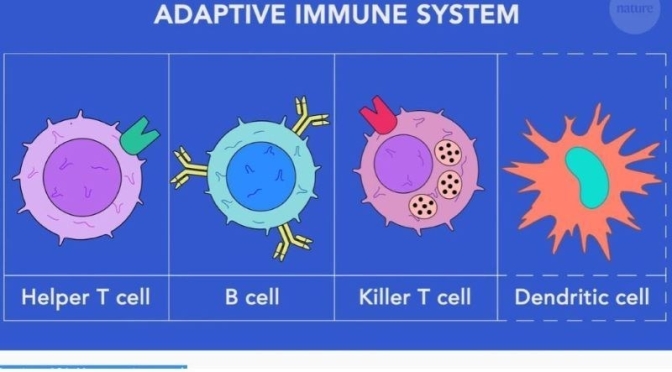
Health Videos: ‘How Vaccines Work With The Adaptive Immune System’
As the world waits for a potential COVID-19 vaccine, we delve into how vaccines actually work. What are the different types of vaccine? How do they trigger and train the immune system, and what is the role of herd immunity?
Top New Travel Videos: ‘Glacier Gorge’ – Rocky Mountain National Park
Glacier Gorge is considered one of the most beautiful and diverse areas in the Rocky Mountain National Park, Colorado.
Main locations in the video: Ribbon Falls (0:24), Black Lake (0:39), Frozen Lake (1:58), Green Lake (4:47), Blue Lake (6:00), back to Black Lake (7:01), Jewel Lake (7:30), Mills Lake (7:47).
Recorded July 2020 in 4K Ultra HD with Sony AX700 and DJI Osmo Pocket.
Music: Lauge & Baba Gnohm – Monolith EP (Remastered by HubySea) – 1 – Leaving the Cave
Video: ‘Origins Of The Destructive Almeda Wildfire In Oregon’ (NYT)
The Almeda fire left a path of destruction as it tore through the Rogue Valley in southern Oregon. About 24 hours after it started, an estimated 2,350 homes had been left in ashes. We used satellite images, videos and social media posts to track what happened.