

This week on the Nature cover: Swarm learning. Decentralized AI network generates confidential disease classifiers for precision medicine. Browse the issue here: https://t.co/xdh9rW0csw pic.twitter.com/aNuKQTZv1t
— nature (@Nature) June 9, 2021
Tag Archives: Nature
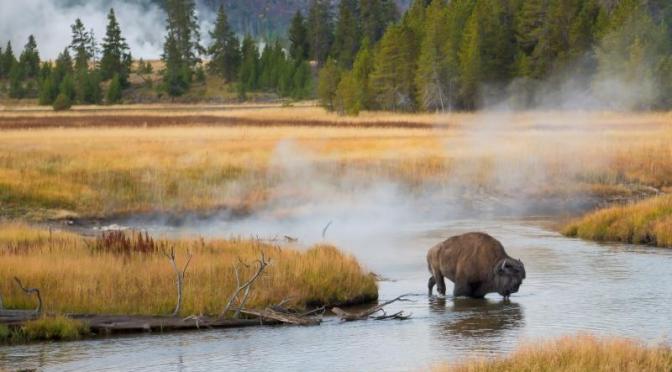
Wildlife: Yellowstone Bison and Marsh Birds
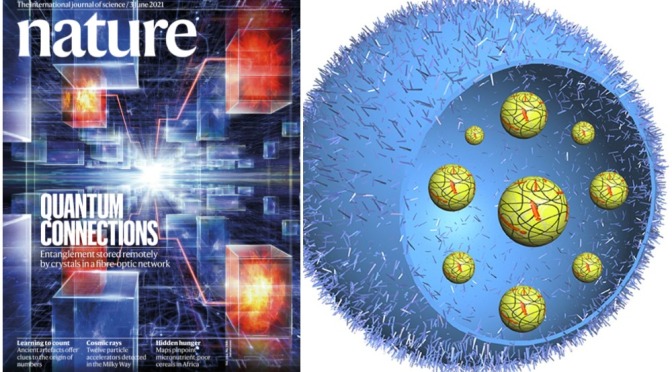
Research Highlights: Nature – June 3, 2021
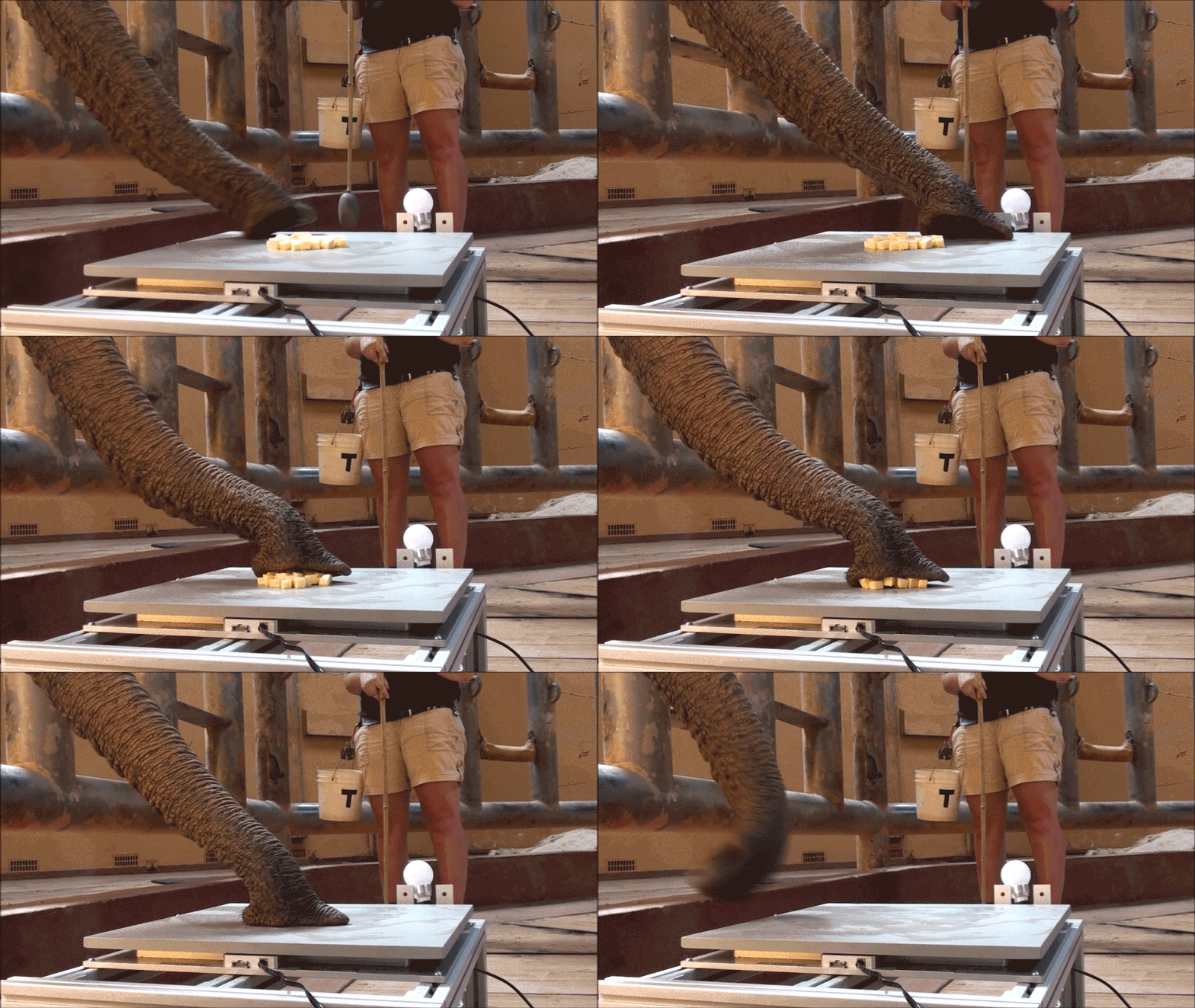
Science: How Humans Started Counting, Sea Anemones & ClownFish
The cross-discipline effort to work our how ancient humans learned to count.
In this episode:
00:45 Number origins
Around the world, archaeologists, linguists and a host of other researchers are trying to answer some big questions – when, and how, did humans learn to count? We speak to some of the scientists at the forefront of this effort.
News Feature: How did Neanderthals and other ancient humans learn to count?
07:47 Research Highlights
How sea anemones influence clownfish stripes, and how skin-to-skin contact can improve survival rates for high-risk newborns.
Research Highlight: How the clownfish gets its stripes
Research Highlight: Nestling skin-to-skin right after birth saves fragile babies’ lives
09:48 Briefing Chat
We discuss some highlights from the Nature Briefing. This time, an upper limit for human ageing, and could tardigrades survive a collision with the moon?
Scientific American: Humans Could Live up to 150 Years, New Research Suggests
Science: Hardy water bears survive bullet impacts—up to a point

Research: Aging & Cancer Microenvironments
Professor Ashani Weeraratna has been studying the cancer microenvironment in her lab for the past 17 years. Taking into account that the tissues in our bodies change as we age is important when researching cancer biology. She hopes that gaining a better understanding of how the growth of cancer cells is affected by their direct cellular ‘neighbourhood’, especially when we age, could be key to developing better treatments for patients with cancer. Read more in https://www.nature.com/immersive/d428…
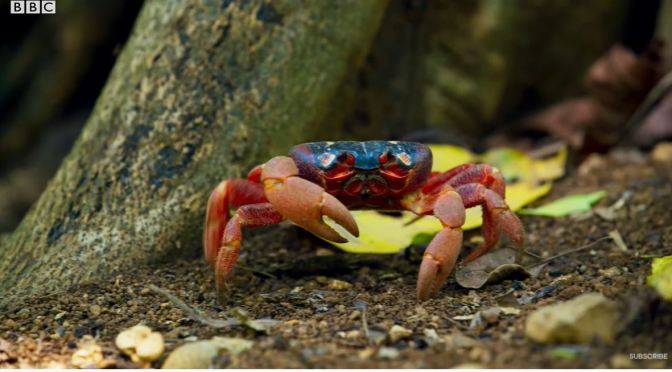
Views: Red Crabs Battle Yellow Crazy Ants On Christmas Island (BBC)
The Christmas Island red crab is of land crab that is endemic to Christmas Island and Cocos (Keeling) Islands in the Indian Ocean. Although restricted to a relatively small area, an estimated 43.7 million adult red crabs once lived on Christmas Island alone,[3] but the accidental introduction of the yellow crazy ant is believed to have killed about 10–15 million of these in recent years.[4] Christmas Island red crabs make an annual mass migration to the sea to lay their eggs in the ocean.[5] Although its population is under great assault by the ants,[6] as of 2020 the red crab had not been assessed by the International Union for Conservation of Nature (IUCN) and it was not listed on their Red List.
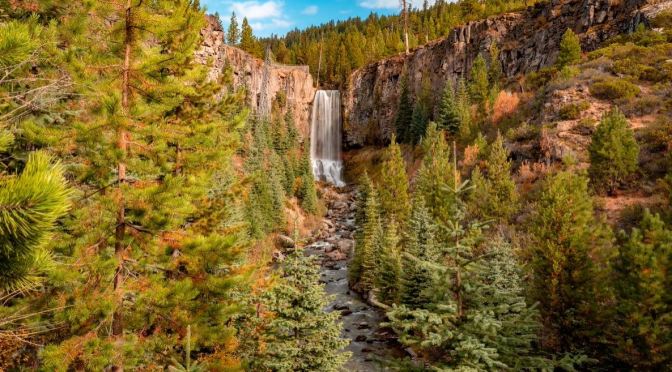
Natural Views: Deschutes National Forest, Oregon
Travel to a land sculpted by ancient volcanoes, where crystal blue rivers carve their way through primeval forests, towering mountains give way to lush valleys and pristine lakes, and deep below the surface lie vast networks of cavernous wonders. This is the Deschutes National Forest.
The Deschutes National Forest is a United States National Forest located in parts of Deschutes, Klamath, Lake, and Jefferson counties in central Oregon. It comprises 1.8 million acres along the east side of the Cascade Range.
This film is brought to you by Visit Bend: visitbend.com/
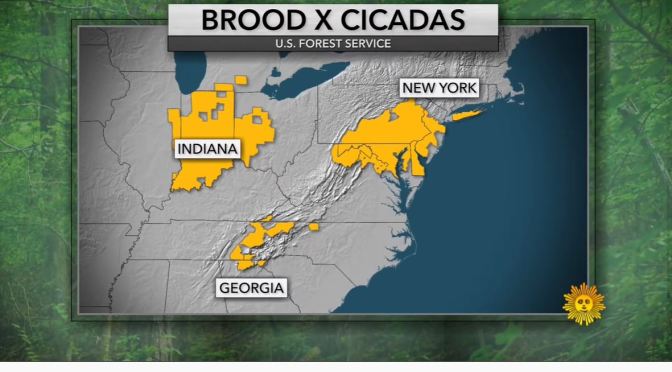
Views: Billions Of Cicadas Emerge In The Eastern U.S. After 17 Years (CBS Video)
Periodical cicadas, identified as Brood X, are back, providing us with a once-every-17-years opportunity to witness a remarkable natural phenomenon, as these insects emerge and breed, while producing sounds as loud as a jet engine. Correspondent Chip Reid talks with entomologists about the cicadas’ cycle, and how their protein can satiate the appetites of predators (and cookie lovers).
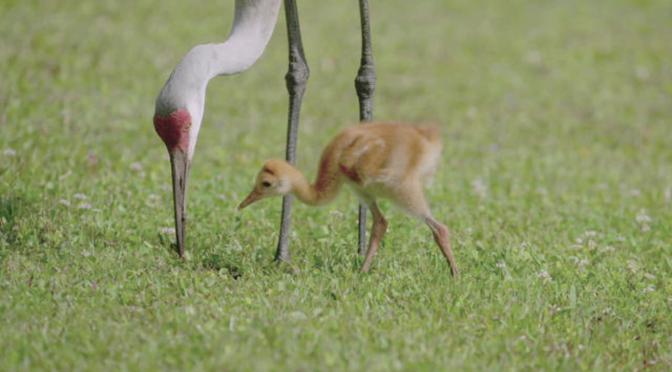
Nature Views: Sandhill Cranes & Chicks Near Titusville, Florida (Video)
On this Mother’s Day “Sunday Morning” takes us among sandhill cranes and their chicks in Titusville, Florida. Videographer: Doug Jensen.
The sandhill crane is a species of large crane of North America and extreme northeastern Siberia. The common name of this bird refers to habitat like that at the Platte River, on the edge of Nebraska’s Sandhills on the American Plains.
Titusville is a city and the county seat of Brevard County, Florida, United States. The city’s population was 43,761 as of the 2010 United States Census. Titusville is located along the Indian River, west of Merritt Island and the Kennedy Space Center, and south-southwest of the Canaveral National Seashore.
Science Podcast: How Brain Cells Use Energy, Lobster Bellies & Red Meat
Ultra-precise measurements connect brain activity and energy use in individual fruit-fly neurons.
In this episode:
00:45 How brain cells use energy
A team of researchers have looked in individual fruit-fly neurons to better understand how energy use and information processing are linked – which may have important implications for future fMRI studies in humans.
Research Article: Mann et al.
07:04 Research Highlights
A tough but flexible material inspired by lobster underbellies, and research reveals that red meat consumption hasn’t dropped since the 1960s.
Research Highlight: Material mimicking lobster belly cracks the code for toughness
Research Highlight: Meat lovers worldwide pay climate little heed
10:15 Briefing Chat
We discuss some highlights from the Nature Briefing. This time, early results for a new malaria vaccine look positive, and researchers unearth the latest chapter in a long-running plant experiment.
Nature News: Malaria vaccine shows promise — now come tougher trials
BBC News: Malaria vaccine hailed as potential breakthrough
New York Times: One of the World’s Oldest Science Experiments Comes Up From the Dirt
 Boomers Daily