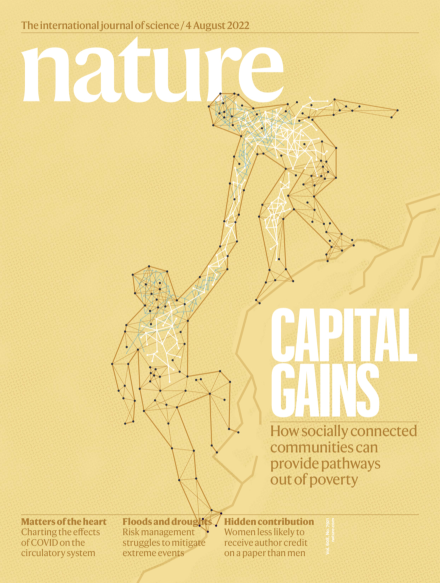
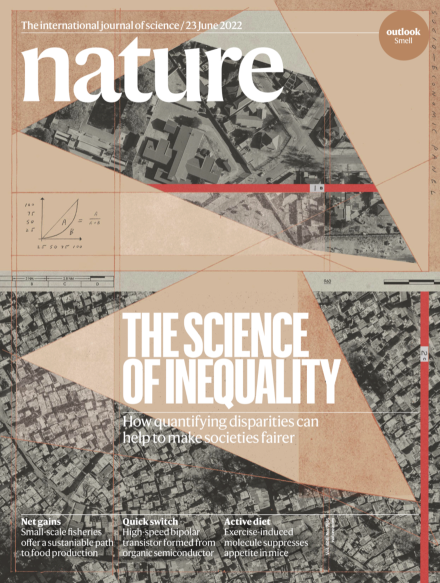
An individual’s social network and community — their ‘social capital’ — has been thought to influence outcomes ranging from earnings to health. But measuring social capital is challenging. In two papers in this week’s issue, Raj Chetty and his colleagues use data on 21 billion friendships from Facebook to construct a Social Capital Atlas containing measures of social capital for each ZIP code, high school and college in the United States. The researchers measure three types of social capital: connectedness between different types of people, social cohesion and civic engagement. They find that children who grow up in communities where people of low and high socio-economic status interact more have substantially greater chances of rising out of poverty. The team then examines what might limit social interactions across class lines, finding a roughly equal contribution from lack of exposure — because children in different socio-economic groups go to different schools, for example — and friending bias, the tendency for people to befriend people similar to them.
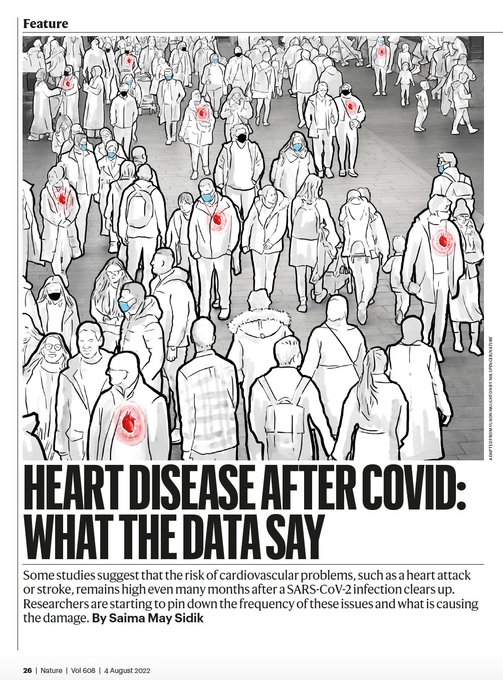
In December 2020, a week before cardiologist Stuart Katz was scheduled to receive his first COVID-19 vaccine, he came down with a fever. He spent the next two weeks wracked with a cough, body aches and chills. After months of helping others to weather the pandemic, Katz, who works at New York University, was having his own first-hand experience of COVID-19.
On Christmas Day, Katz’s acute illness finally subsided. But many symptoms lingered, including some related to the organ he’s built his career around: the heart. Walking up two flights of stairs would leave him breathless, with his heart racing at 120 beats per minute. Over the next several months, he began to feel better, and he’s now back to his normal routine of walking and cycling. But reports about COVID-19’s effects on the cardiovascular system have made him concerned about his long-term health. “I say to myself, ‘Well, is it really over?’” Katz says.
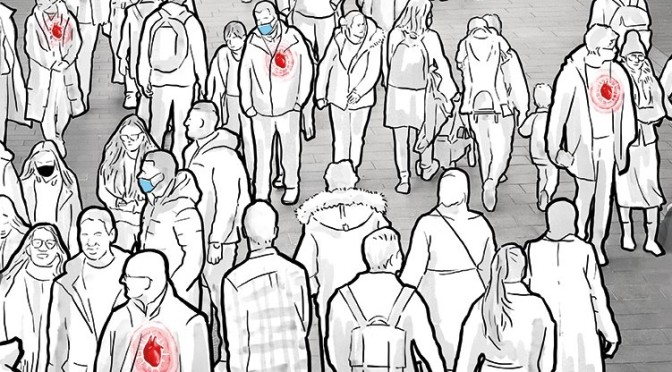
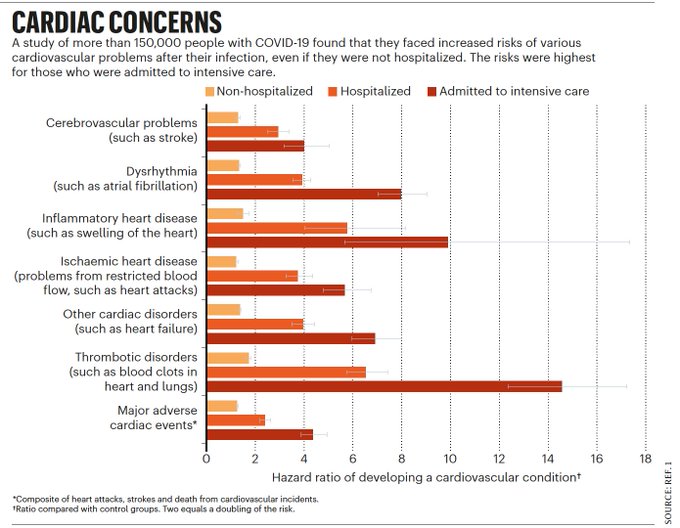
In one study1 this year, researchers used records from the US Department of Veterans Affairs (VA) to estimate how often COVID-19 leads to cardiovascular problems. They found that people who had had the disease faced substantially increased risks for 20 cardiovascular conditions — including potentially catastrophic problems such as heart attacks and strokes — in the year after infection with the coronavirus SARS-CoV-2. Researchers say that these complications can happen even in people who seem to have completely recovered from a mild infection.
Some smaller studies have mirrored these findings, but others find lower rates of complications. With millions or perhaps even billions of people having been infected with SARS-CoV-2, clinicians are wondering whether the pandemic will be followed by a cardiovascular aftershock. Meanwhile, researchers are trying to understand who is most at risk of these heart-related problems, how long the risk persists and what causes these symptoms.
Ewen Callaway News 27 Jul 2022 – Dual action of ketamine confines addiction liabilityExperiments in mice show that although ketamine has positive reinforcement properties, which are driven by its action on the dopamine system, it does not induce the synaptic plasticity that is typically observed with addiction.
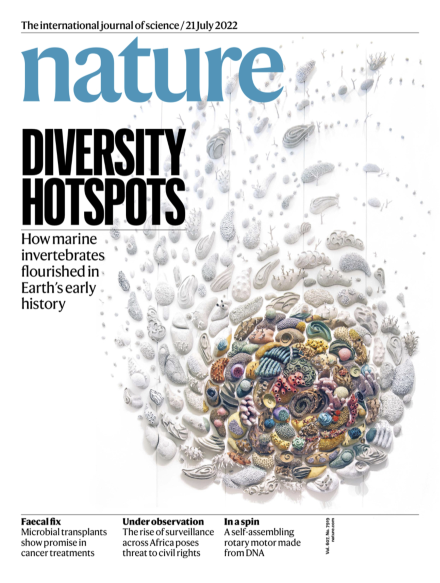
The cover shows an artistic impression of marine life in Indonesia’s coral reefs. The question of whether there are limits to biodiversity in the seas is typically addressed by examining the fossil record. In this week’s issue, Pedro Cermeño and his colleagues present a model that combines the fossil record with plate tectonics and Earth’s environmental conditions to offer insight into regional diversification of marine invertebrates. The researchers used the model to examine how biodiversity recovered after mass extinctions during the Phanerozoic eon, covering
some 500 million years of Earth’s history. They found that throughout the Phanerozoic, less than 2% of area of the globe covered by water showed signs of diversity levels reaching saturation. The team also note that as Pangaea broke up into continents, the stability of Earth’s environmental conditions allowed the development of diversity hotspots that helped to drive an increase in biodiversity in the late Mesozoic and Cenozoic eras.
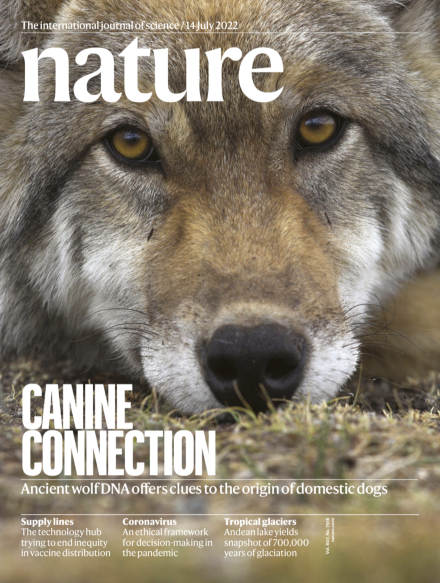
Although the domestic dog can trace its origins to the grey wolf (Canis lupus), exactly when, where and how domestication happened has remained a source of debate. In this week’s issue, Anders Bergström, Pontus Skoglund and their colleagues, take a step towards resolving this question. The researchers analysed the genomes of 72 ancient wolves from across Europe, Siberia and North America, and spanning the past 100,000 years. They found that dogs are most closely related to ancient wolves from eastern Eurasia but that dogs in the Near East and Africa derive
up to half their ancestry from a distinct population related to modern southwest Eurasian wolves. Although none of the genomes analysed was a direct match for either dog ancestry, the researchers say that it has narrowed down where next to look for the ancestors of domestic dogs.
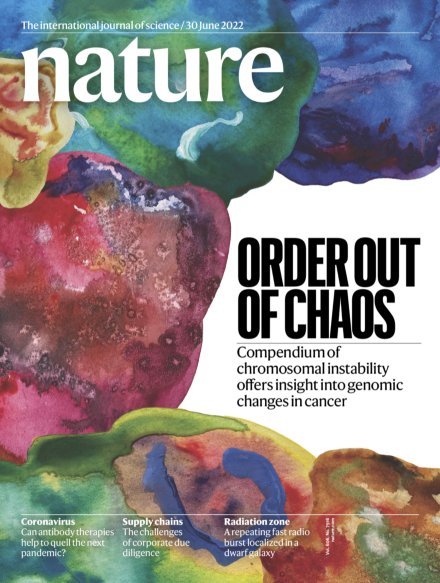
The cover shows an artistic representation of various cancer cells. The large-scale gains, losses and rearrangements of DNA seen in chromosomal instability are a typical feature of cancer — but there is no comprehensive framework to decode the causes of this genomic variability and their possible links to disease. In this week’s issue, Florian Markowetz, Geoff Macintyre and their colleagues present such a framework with a compendium of 17 signatures of chromosomal instability that can be used to predict how tumours might respond to drugs and that help to identify future therapeutic targets. The team created the compendium by examining 7,880 tumours representing 33 types of cancer. In a separate paper, Nischalan Pillay and colleagues examined 9,873 cancers to generate
To study inequality is to confront a world of contrasts: excessive wealth next to palpable poverty; sickness abutting health. The COVID pandemic has exposed and worsened many such disparities. This week, Nature presents a special collection of articles focusing on the researchers trying to quantify and reduce inequality. Whether they are measuring the effects of the pandemic or testing interventions to lift people out of poverty, the message is simple: gathering the right information will help to mitigate the harm caused by inequality.
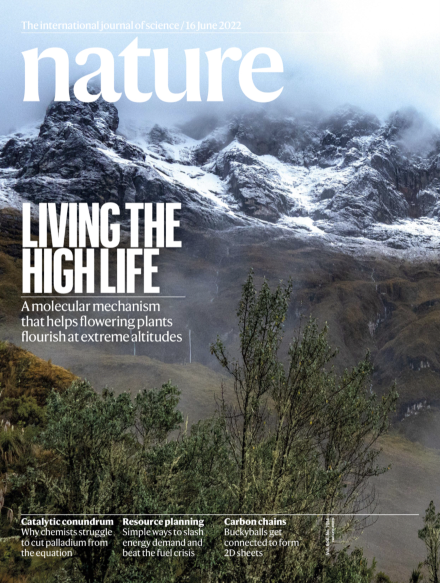
The cover image shows plants growing at altitude on Altar Volcano in Chimborazo, Ecuador. Extreme altitudes pose challenges for most forms of life, and flowering plants are no exception. But flowering plants have been found growing as high as 6,400 metres above sea level. In this week’s issue, Michael Holdsworth and his colleagues reveal a molecular mechanism that helps plants to adapt to the extremes of altitude. The researchers studied a range of plants, representing four diverse clades of flowering plants — thale cress (Arabidopsis thaliana), tomato, poppy and the grass
Brachypodium distachyon. They found that plants use genetic adaptations to adjust their sensitivity to atmospheric oxygen, whose partial pressure decreases with altitude. By decoding the ambient oxygen level, the plants are able to sense the altitude at which they grow and optimize internal biochemical processes.
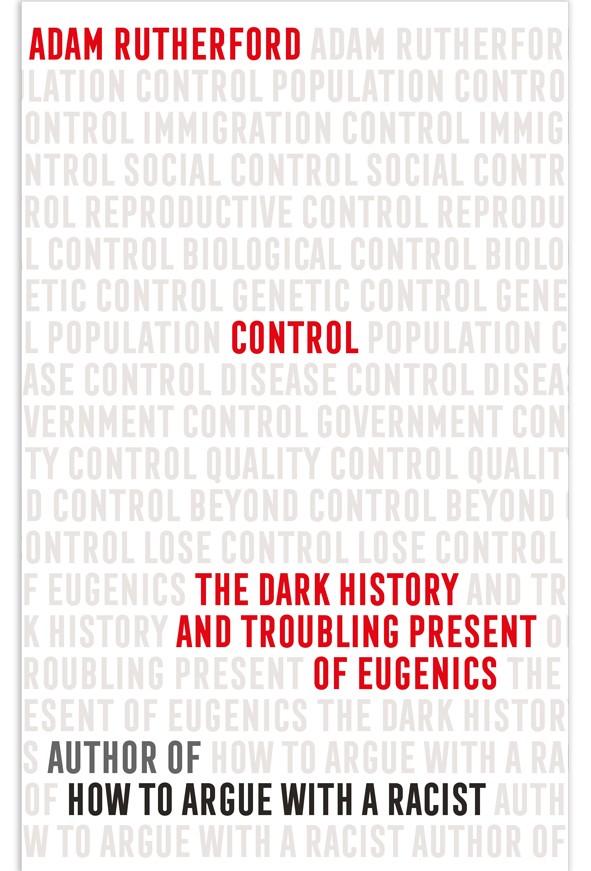
When Charles Darwin’s cousin, Francis Galton, coined the word eugenics in 1883, he called it the study of the conditions under which “men of a high type are produced”. This gross idea led to the gates of Auschwitz, reminds broadcaster Adam Rutherford (an alumnus of the Galton Laboratory, former name of University College London’s human‑genetics centre). It hasn’t gone away, he explains in his timely salvo on the politics and history of notions that dog genetics, events up to and after the ‘CRISPR twins’ and the resurgence of white supremacy.
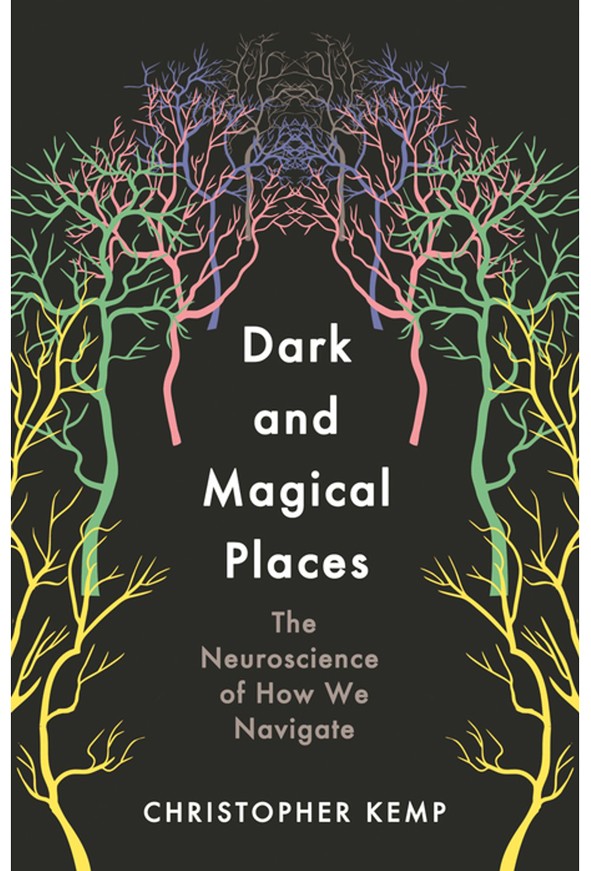
Dark and Magical Places
Christopher Kemp Profile/Wellcome Collection (2022)
“I have no sense of direction,” confesses molecular biologist Christopher Kemp — unlike his wife, “an effortless and intuitive navigator”. Once, in a mirror maze, he was transfixed with alarm, and had to be pulled out by his seven-year-old son. Many others experience similar disorientation, sometimes with disastrous results, as when hikers get lost. Their stories vitalize this compelling study of the brain, memory and navigation, in which one psychologist compares our understanding of parts of the brain with knowledge of black holes.
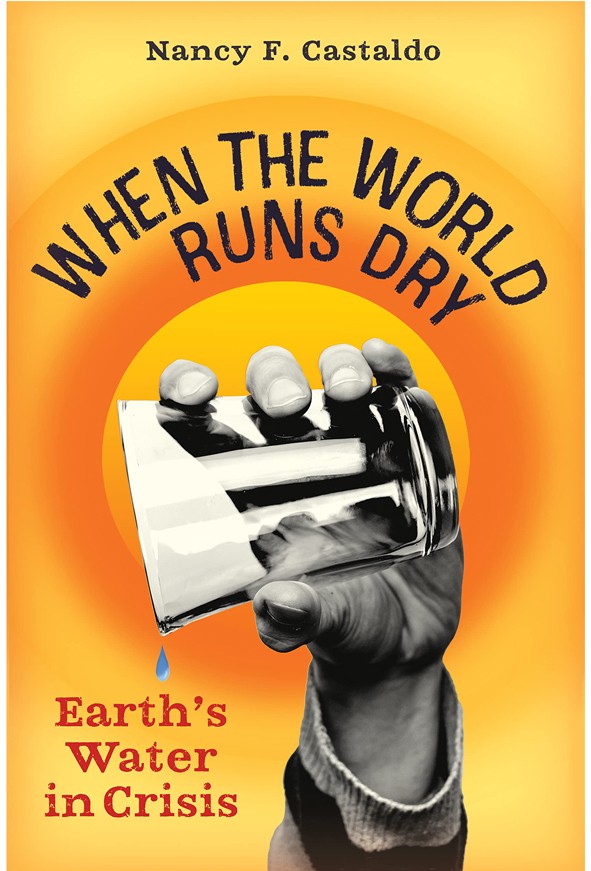
When the World Runs Dry
Nancy F. Castaldo Algonquin (2022)
Globally, millions of people must walk up to 6 kilometres daily to get clean water, says environmental writer Nancy Castaldo. Moreover, each year, more children die as a result of water contamination than from violence, including war, said the United Nations in 2019. Castaldo’s alarming book discusses many examples of shortages and tainting, ranging from drought in Cape Town, South Africa, to lead pollution in Flint, Michigan. She concludes with realistic steps to reduce domestic consumption and contamination.
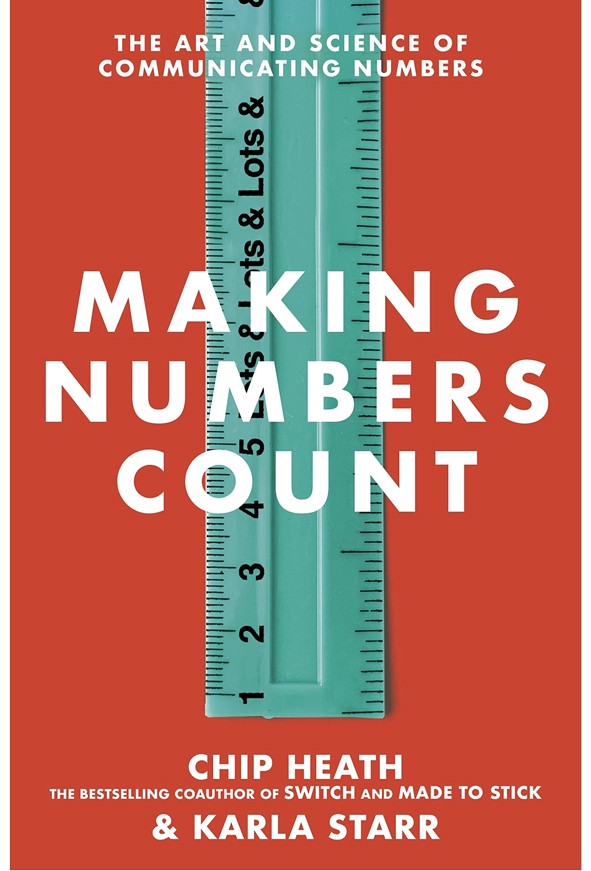
Making Numbers Count
Chip Heath and Karla Starr Avid Reader (2022)
Business scholar Chip Heath and science journalist Karla Starr are familiar with the need to “translate numbers into instinctive human experience”, informatively and memorably. Unable to find a book on the subject, they decided to write their own. Their diverse guide bubbles with translated statistics. For example, there are about 400 million civilian-owned firearms in the United States — that translates into one for every adult and child, with around 70 million left over.
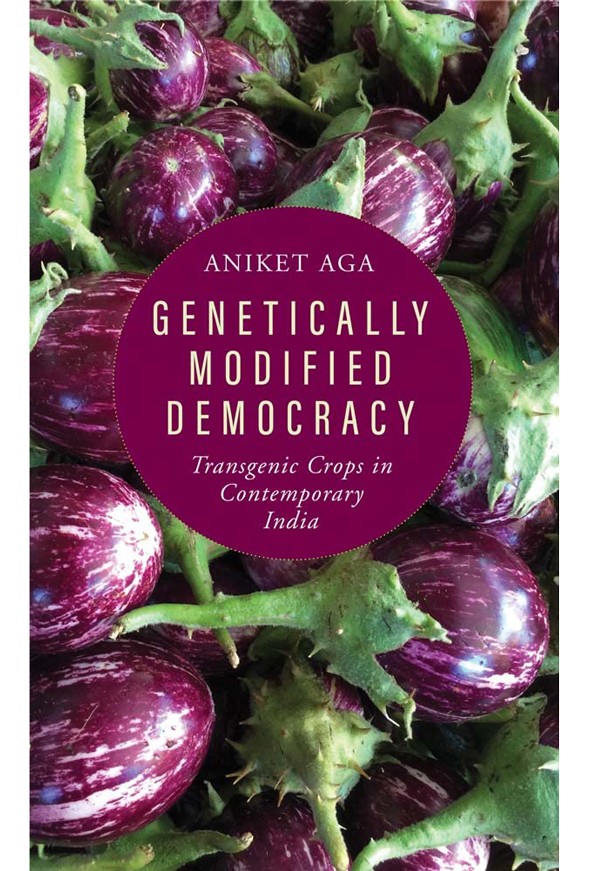
Genetically Modified Democracy
Aniket Aga Yale Univ. Press (2021)
India’s 1960s Green Revolution began without much deliberation. The government promoted high-yielding varieties of wheat and rice, and guaranteed purchase prices. This helped “already well-off, landed farmers”, notes environmentalist Aniket Aga, but led to huge debts for the struggling majority. When genetically modified crops reached India in 2002, they cultivated much more scrutiny, involving scientists, seed companies, farmers, consumers and the state. Aga describes the debate, without claiming to provid



 Boomers Daily