
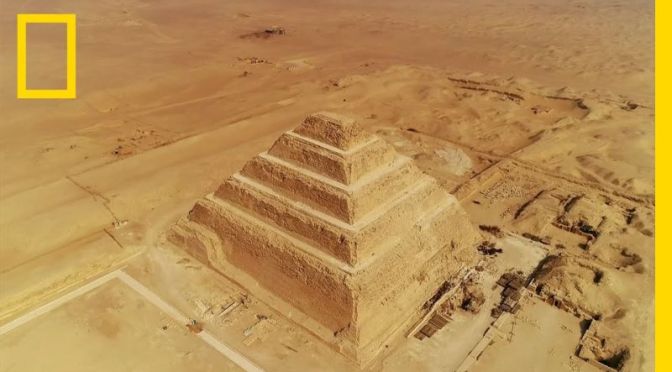
Egyptologists explore why the ancient Egyptians only built these massive structures for a few centuries in their vast 3,000 year history.
Tag Archives: National Geographic
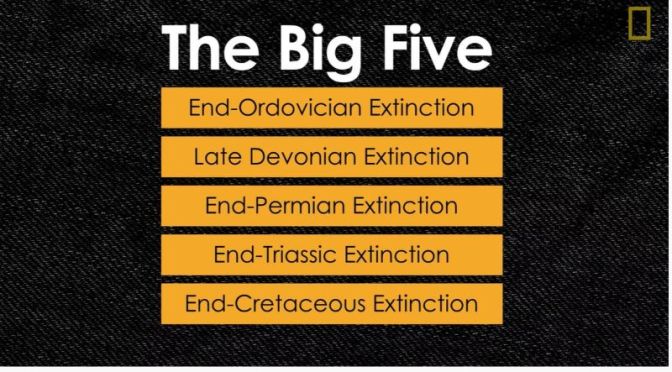
History: “Mass Extinctions Paved Way For Human Evolution” (NatGeo Video)
Everybody thinks mass extinctions are a bad thing. As much as they eliminate life, they also helped trigger the creation of new species. By studying fossils from the Big Five mass extinctions, we can learn how life was able to bounce back and see what this could mean for humans in future mass extinctions.
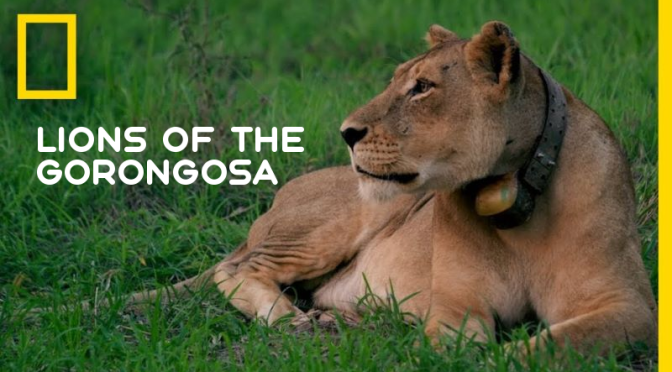
Wildlife Videos: “Lions Of The Gorongosa” (NatGeo)
Tune in to Nat Geo Wild’s Big Cat Week Sept 7-11 and learn more about how Nat Geo is working to save big cats.
Gorongosa National Park is a preserved area in the Great Rift Valley of central Mozambique. Its forests and savannahs are home to lions, hippos and elephants. Lake Urema and its surrounding wetlands and rivers attract scores of water birds. The multitiered Murombodzi Falls spills over jagged rocks on the slopes of Mount Gorongosa. Limestone gorges and bat-filled caves define Cheringoma Plateau.
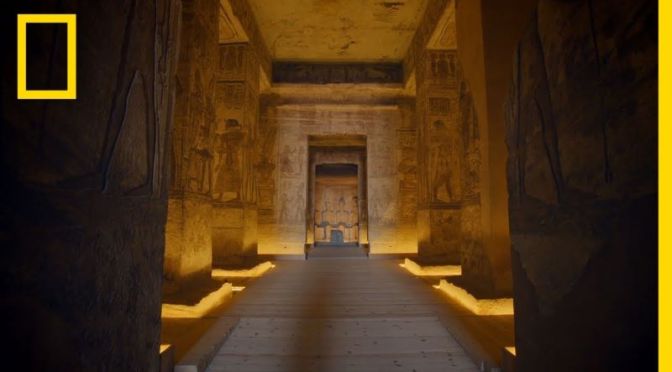
Ancient Egypt: “Ramses – Master Of Diplomacy”
Through ancient propaganda and by immortalizing some of his greatest achievements, Ramses the Great became revered as one of the most powerful rulers of Ancient Egypt. Even to do this day he credited for making Egypt one of the most powerful nations of the ancient world.
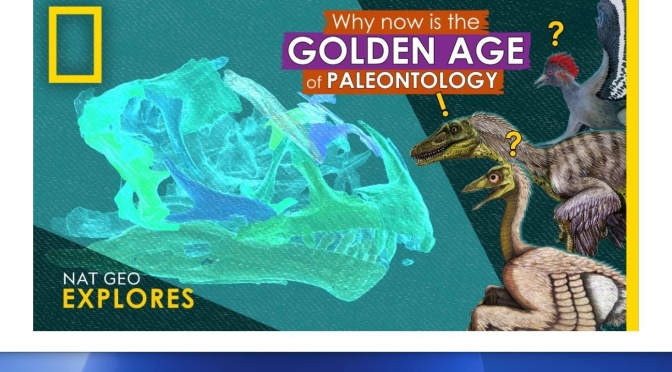
Evolution Of Dinosaurs: “The Golden Age Of Paleontology” (Video)
With advancements in technology and access to areas once considered unreachable, the field of paleontology is experiencing a golden age of discovery. Roughly 50 new dinosaur species are found each year, giving us a closer look at their prehistoric world like never before. Our previous understandings of how dinosaurs looked and evolved are being revolutionized, especially in regards to evidence that modern birds descended from dinosaurs. But while it’s exciting to see how incredibly far paleontology has come from the previous generations, it’s equally as thrilling to imagine what new discoveries lie just ahead.
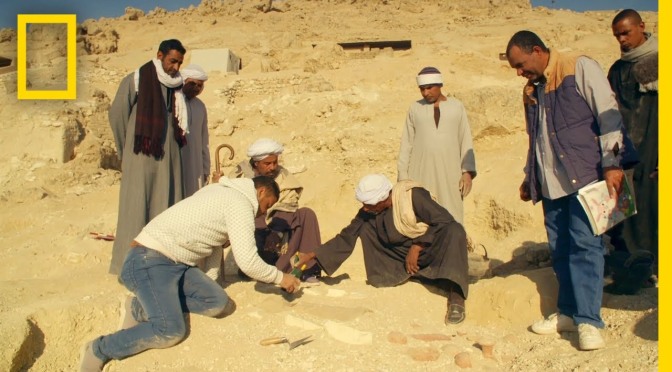
Ancient Egypt History: “Celebration Of The Dead”
Archaeologists are searching for the tomb of Amenhotep III and in the process they find pottery from the ancient Egyptian celebration of the dead.
About Lost Treasures of Egypt: An immersive, action-packed and discovery-led series following International teams of Egyptologists as they unearth the world’s richest seam of ancient archaeology – Egypt’s Valley of the Kings. For a full season of excavations and with unprecedented access to the teams on the front line of archaeology, we follow these modern-day explorers as they battle searing heat and inhospitable terrain to make the discoveries of a lifetime. Using innovative technology and age-old intuition in their quest to uncover the secrets of these ancient sites, can the team’s discoveries re-write ancient history?
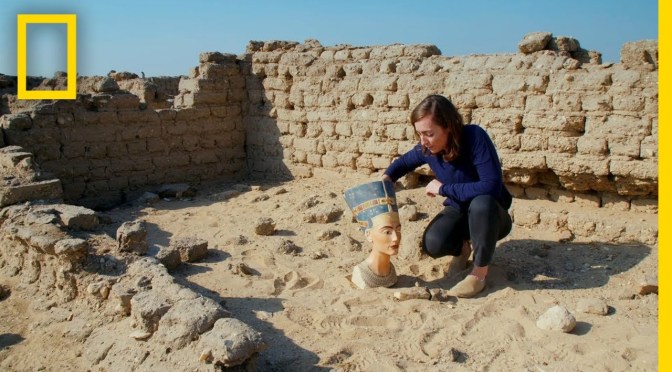
Ancient Egypt: The “Mystery Of Queen Nefertiti” (NatGeo Video)
Queen Nefertiti is one of the most famous queens of ancient Egypt, but the location of her tomb is still a mystery.
About Lost Treasures of Egypt: An immersive, action-packed and discovery-led series following International teams of Egyptologists as they unearth the world’s richest seam of ancient archaeology – Egypt’s Valley of the Kings. For a full season of excavations and with unprecedented access to the teams on the front line of archaeology, we follow these modern-day explorers as they battle searing heat and inhospitable terrain to make the discoveries of a lifetime. Using innovative technology and age-old intuition in their quest to uncover the secrets of these ancient sites, can the team’s discoveries re-write ancient history?
Neferneferuaten Nefertiti was an Egyptian queen and the Great Royal Wife of Akhenaten, an Egyptian Pharaoh. Nefertiti and her husband were known for a religious revolution, in which they worshipped one god only, Aten, or the sun disc.

Travel & Wildlife: “The Future of Koalas” in Australia (NatGeo Video)
The destructive wildfires that swept through Australia destroyed the habitats for many of the island’s animals. Zoologist Jack Randall explores the efforts being made to rescue and care for the Koalas that were impacted by the wildfires.
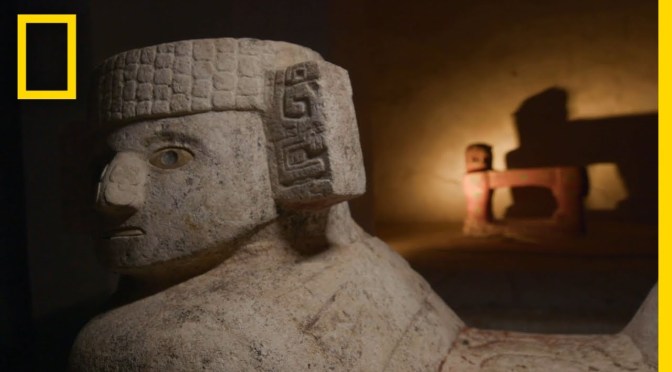
Travel & Exploration: The Secrets Of “Mayan Pyramid El Castillo” (NatGeo Video)
Two National Geographic Explorers enter the Mayan Pyramid, El Castillo, in search of a hidden entrance to an underground cave. While inside they explain the significance of jaguar throne and human sacrifice.
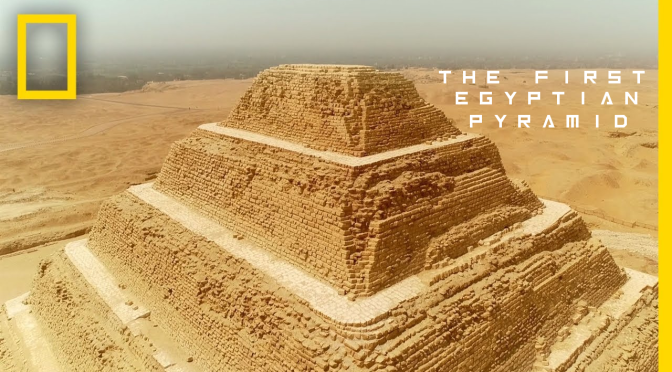
Archaeology: “The First Egyptian Pyramid” (Video)
The first pyramid ever built was constructed more than 4,500 years ago, and designed by Imhotep. Archaeologists are looking for answers as to how he came up with this design.
About Lost Treasures of Egypt: An immersive, action-packed and discovery-led series following International teams of Egyptologists as they unearth the world’s richest seam of ancient archaeology – Egypt’s Valley of the Kings. For a full season of excavations and with unprecedented access to the teams on the front line of archaeology, we follow these modern-day explorers as they battle searing heat and inhospitable terrain to make the discoveries of a lifetime.
Using innovative technology and age-old intuition in their quest to uncover the secrets of these ancient sites, can the team’s discoveries re-write ancient history?
 Boomers Daily