From an MIT Technology Review article by Joseph F. Coughlin:
 Technologists, particularly those who make consumer products, will have a strong influence over how we’ll live tomorrow. By treating older adults not as an ancillary market but as a core constituency, the tech sector can do much of the work required to redefine old age. But tech workplaces also skew infamously young. Asking young designers to merely step into the shoes of older consumers (and we at the MIT AgeLab have literally developed a physiological aging simulation suit for that purpose) is a good start, but it is not enough to give them true insight into the desires of older consumers. Luckily there’s a simpler route: hire older workers.
Of all the wrenching changes humanity knows it will face in the next few decades—climate change, the rise of AI, the gene-editing revolution—none is nearly as predictable in its effects as global aging. Life expectancy in industrialized economies has gained more than 30 years since 1900, and for the first time in human history there are now more people over 65 than under 5—all thanks to a combination of increasing longevity, diminished fertility, and an aging Baby Boom cohort. We’ve watched these trends develop for generations; demographers can chart them decades in advance.
To read more click on the following link: https://www.technologyreview.com/s/614155/old-age-is-made-upand-this-concept-is-hurting-everyone/




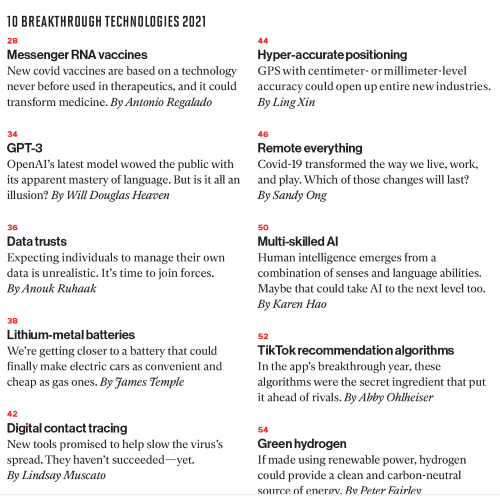

 Coronavirus appears to spread more slowly than the flu. This is probably the biggest difference between the two. The flu has a shorter incubation period (the time it takes for an infected person to show symptoms) and a shorter serial interval (or the time between successive cases). Coronavirus’s serial interval is around five to six days, while flu’s gap between cases is more like three days, the WHO says. So flu still spreads more quickly.
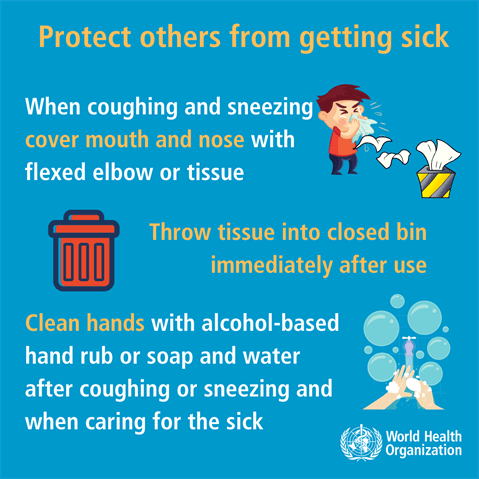 Don’t blame snotty kids—adults are passing coronavirus around.
 Researchers say they’ve successfully plunged human livers to subzero temperatures and then warmed them back up.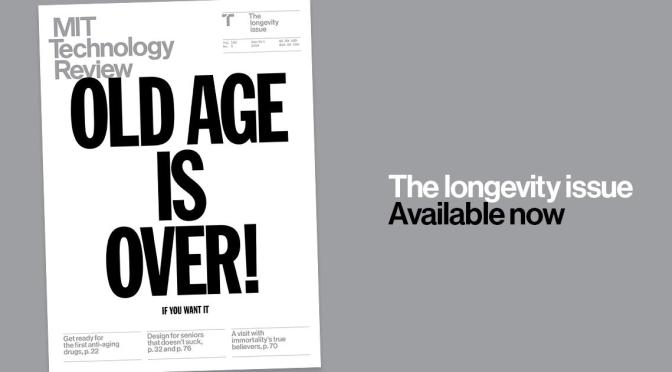
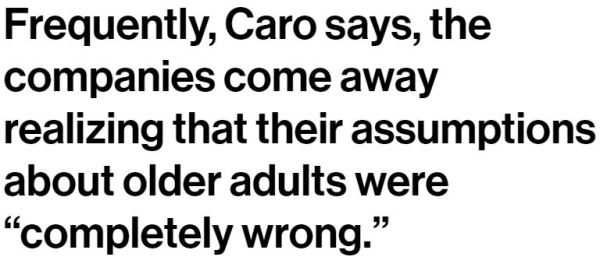 It’s a familiar tune to engineer Ken Smith, director of the mobility division of the Stanford Center on Longevity. He says one of the biggest mistakes designers make is to assume that around the age of 60 people lose interest in aesthetics and design. This can have dire consequences for products meant to help people with their health. No one wants to stick a golf-ball-size hearing aid the color of chewed gum in their ear, any more than they want to wear a T-shirt that reads “SENIOR CITIZEN.”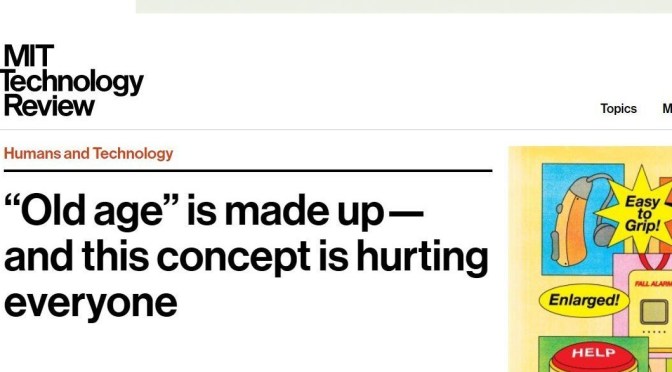

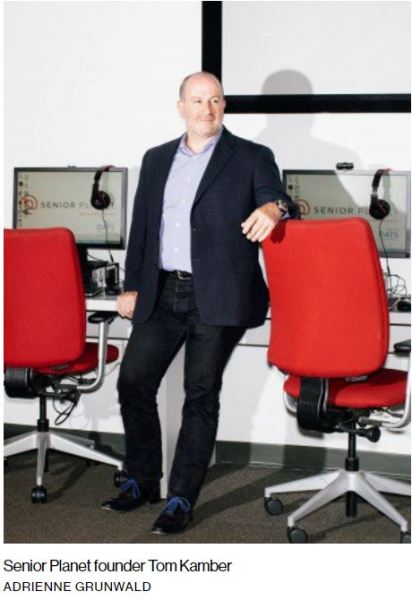 That’s why Kamber created
  Boomers Daily