
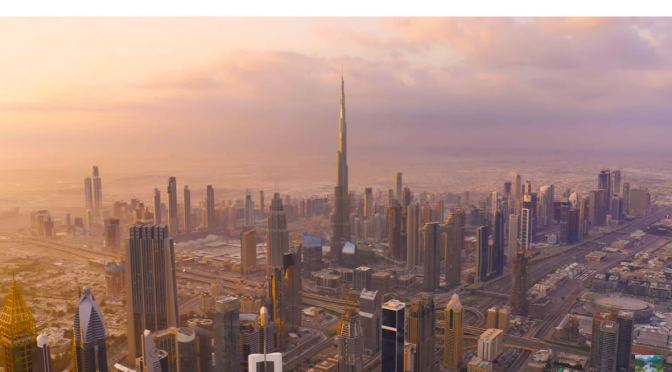
Dubai is a city and emirate in the United Arab Emirates known for luxury shopping, ultramodern architecture and a lively nightlife scene. Burj Khalifa, an 830m-tall tower, dominates the skyscraper-filled skyline. At its foot lies Dubai Fountain, with jets and lights choreographed to music. On artificial islands just offshore is Atlantis, The Palm, a resort with water and marine-animal parks.
Tag Archives: Middle East

Views: The ‘Sultinate Of Oman’ (4K UHD Video)
Oman, officially the Sultanate of Oman, is a country on the southeastern coast of the Arabian Peninsula in Western Asia and the oldest independent state in the Arab world.
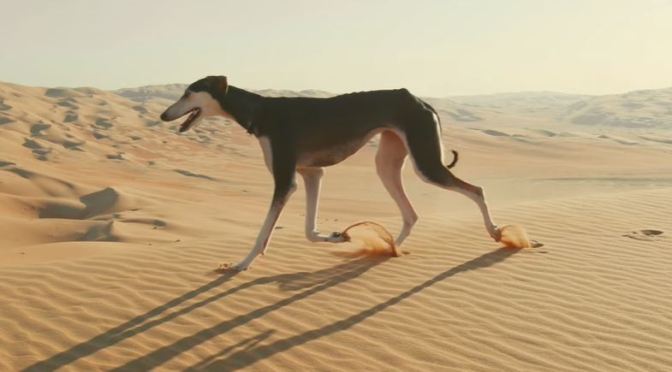
Views: Arabian Saluki – The Fastest Dog In The World
Saluki are a breed of desert dog famed for their speed. In the old days, Bedouins of the Arabian Peninsula relied on them to hunt for gazelle. Today, they are more likely to race for sport.
The Saluki is a standardised breed developed from sighthounds – dogs that hunt primarily by sight rather than scent – that was once used by nomadic tribes to run down game animals.[2] The dog was originally bred in the Fertile Crescent.[1] The modern breed is typically deep-chested and long-legged,[2] and similar dogs appear in medieval and ancient art. The breed is most closely related to the Afghan hound, a basal breed that predates the emergence of modern breeds in the 19th century,[3] and the Saluki has been purebred both in the Middle East, including by royalty, since at least that era, and in the West (especially in Britain and Germany) since the 1840s (with breed standards established in the West and the Middle East around the 1920s–1930s), though as a free-breeding landrace, similar dogs are common as feral animals in the Middle East. A related standardised breed is the north African Sloughi.
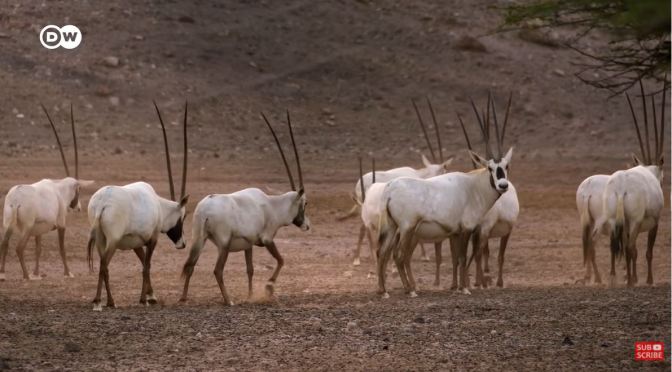
Views: The Endangered Species Refuge Of ‘Sir Bani Yas Island’ – Abu Dhabi, UAE
The Arabian oryx is a beautiful, almost luminously white antelope. But, after being over-hunted by humans in the 20th century, it only narrowly escaped extinction. Today, on the desert island of Sir Bani Yas, the endangered animals find refuge. Part of an archipelago west of Abu Dhabi, Sir Bani Yas is home to a large wildlife reserve, where animals from Arabia, Asia and Africa roam freely. You can watch cheetahs hunting, and imagine how the Bedouins once lived, under open desert skies. Established in the 1970s, extensive ecological measures turned Sir Bani Yas into a man-made “paradise for wild animals.” Now, the reserve stands for the region’s desire for a sustainable future. It’s also a great place to see the magnificent Arabian oryx running free, once more.
Sir Bani Yas Island is part of the Al Gharbia region of the United Arab Emirates. It’s dominated by the Arabian Wildlife Park, with its roaming giraffes, cheetahs and gazelles. Multiple archaeological sites across the island include the ruins of an ancient Christian monastery. Salt dome hills define the island’s desert interior. The coast features beaches, sea kayak routes and a shipwreck.
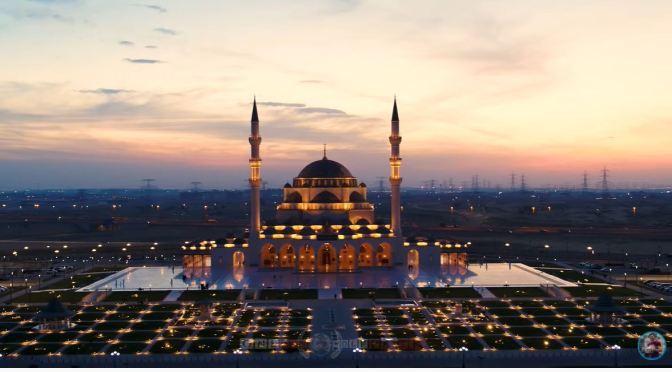
4K Aerial Views: Dubai – United Arab Emirates
Dubai is a city and emirate in the United Arab Emirates known for luxury shopping, ultramodern architecture and a lively nightlife scene. Burj Khalifa, an 830m-tall tower, dominates the skyscraper-filled skyline. At its foot lies Dubai Fountain, with jets and lights choreographed to music. On artificial islands just offshore is Atlantis, The Palm, a resort with water and marine-animal parks.
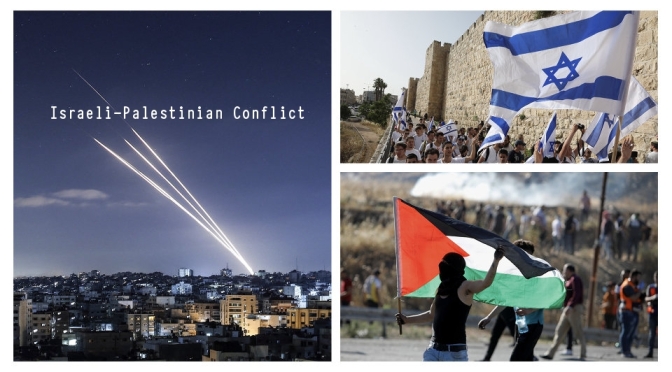
Analysis: ‘Old Dynamics’ In Israel-Hamas Conflict
As international calls for a cease-fire grow and Gaza death tolls rise, there seems to be no clear end in sight. WSJ’s Gerald F. Seib explains why this recent outbreak may be a sign that the old dynamics are still in place in the decades-long conflict between Israel and Palestinians. Photo illustration: Todd Johnson

Nighttime Views: ‘Doha – Capital Of Qatar’ (4K Video)
Qatar is a peninsular Arab country whose terrain comprises arid desert and a long Persian (Arab) Gulf shoreline of beaches and dunes. Also on the coast is the capital, Doha, known for its futuristic skyscrapers and other ultramodern architecture inspired by ancient Islamic design, such as the limestone Museum of Islamic Art. The museum sits on the city’s Corniche waterfront promenade.

City Views: ‘Dubai – United Arab Emirates’ (4K Video)
Dubai is a city and emirate in the United Arab Emirates known for luxury shopping, ultramodern architecture and a lively nightlife scene. Burj Khalifa, an 830m-tall tower, dominates the skyscraper-filled skyline. At its foot lies Dubai Fountain, with jets and lights choreographed to music. On artificial islands just offshore is Atlantis, The Palm, a resort with water and marine-animal parks.
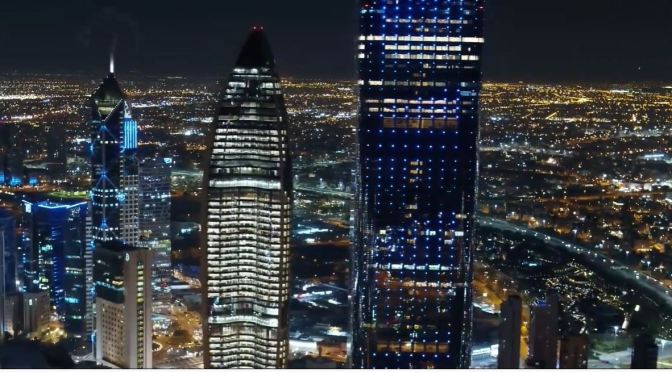
Skyline View: ‘Kuwait City – Kuwait’ (4K UHD Video)
Kuwait City is the capital of the gulf nation of Kuwait. At its heart sits the Grand Mosque, known for its vast interior and chandeliered dome. On the waterfront, the late-19th-century Seif Palace features a neo-Arabic watchtower and manicured gardens. Nearby, the Kuwait National Museum explores history and features science shows at its planetarium. Souk Al-Mubarakiya is a vast food and handicraft market.

 Boomers Daily