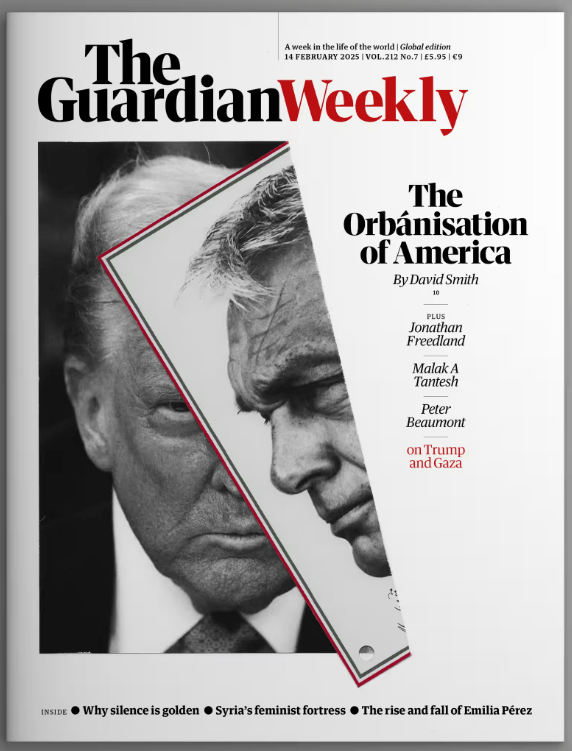
We’re just over three weeks into the second Donald Trump administration, and the pace of events both inside and outside the US has been dizzying and unprecedented.
Many of us have been alarmed by Trump’s shocking pronouncements on the Israel-Gaza war, trade tariffs and territorial claims on Greenland and Panama. But inside America, an equally startling transformation has been taking place.
Aided by the tech billionaire Elon Musk, Trump has moved swiftly to fire critics, reward allies, punish media, gut the federal government and exploit presidential immunity. Yet much of the blueprint comes not from Trump’s own policy team, but from a power-consolidation playbook established over the past decade by the Hungarian authoritarian leader Viktor Orbán.
The UK’s status as a world leader in creative industries will be in peril if we fail to nurture art-and-design skills in our schools, argues Tristram Hunt
Let’s fall in love
Laura Parker investigates the boxing, croaking, crooning, dad dancing and even murder that passes for courtship ritual in the animal kingdom
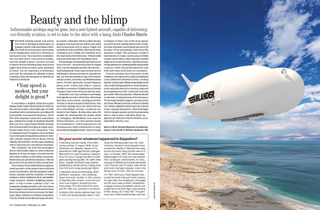
Beauty and the blimp
Could a new airship designed in Britain deliver eco-friendly aviation, asks Charles Harris
Interiors
Amelia Thorpe picks out glass acts in world of garden rooms, greenhouses and orangeries
Soup-er charged
Tom Parker Bowles reveals how to beef up a boozy, hot-as-Hades French onion soup
A leap in the dark
The play of light and shade has long defined Western art. Michael Hall examines what Constable called ‘the chiaroscuro of nature’
The Duke of Richmond’s favourite painting
The owner of Goodwood picks a work that reflects the sporting history of the West Sussex estate
Three wishes for food and farming
Minette Batters calls for the UK to set a self-sufficiency target for producing its own food
Nature and nurture
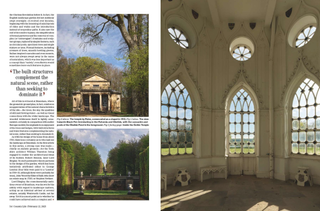
In the final article of a three-part series, Tim Richardson ponders the innovation and imagination behind the wonderful grounds at Bramham Park, West Yorkshire
The legacy
Amie Elizabeth White applauds altruistic John Ritchie Findlay, who paved the way for Scotland’s National Portrait Gallery
The good stuff
Hetty Lintell backs a winner with a range of horseshoe jewellery
Light work
Tiffany Daneff is dazzled by the transformation of a dark London garden into a light-filled oasis
Foraging
Winter mushrooms are a rarity, but the striking velvet shank earns John Wright’s approval as a welcome addition to game pie
Arts & antiques
Carla Passino marvels at the masterpieces amassed by Swiss collector Oskar Reinhart as the works go on show in London
Wick me up before you go-go
The wick trimmer’s work was never done in candlelit times, discovers Matthew Dennison
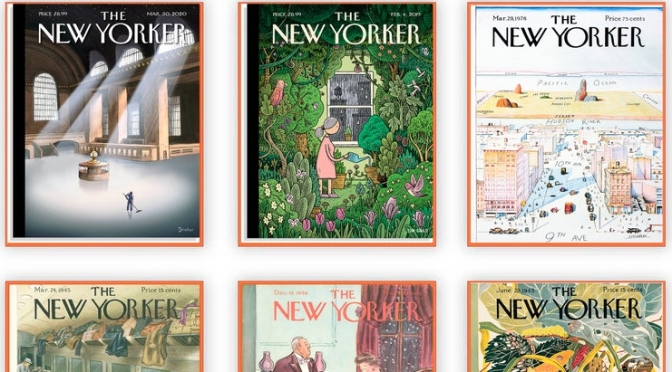
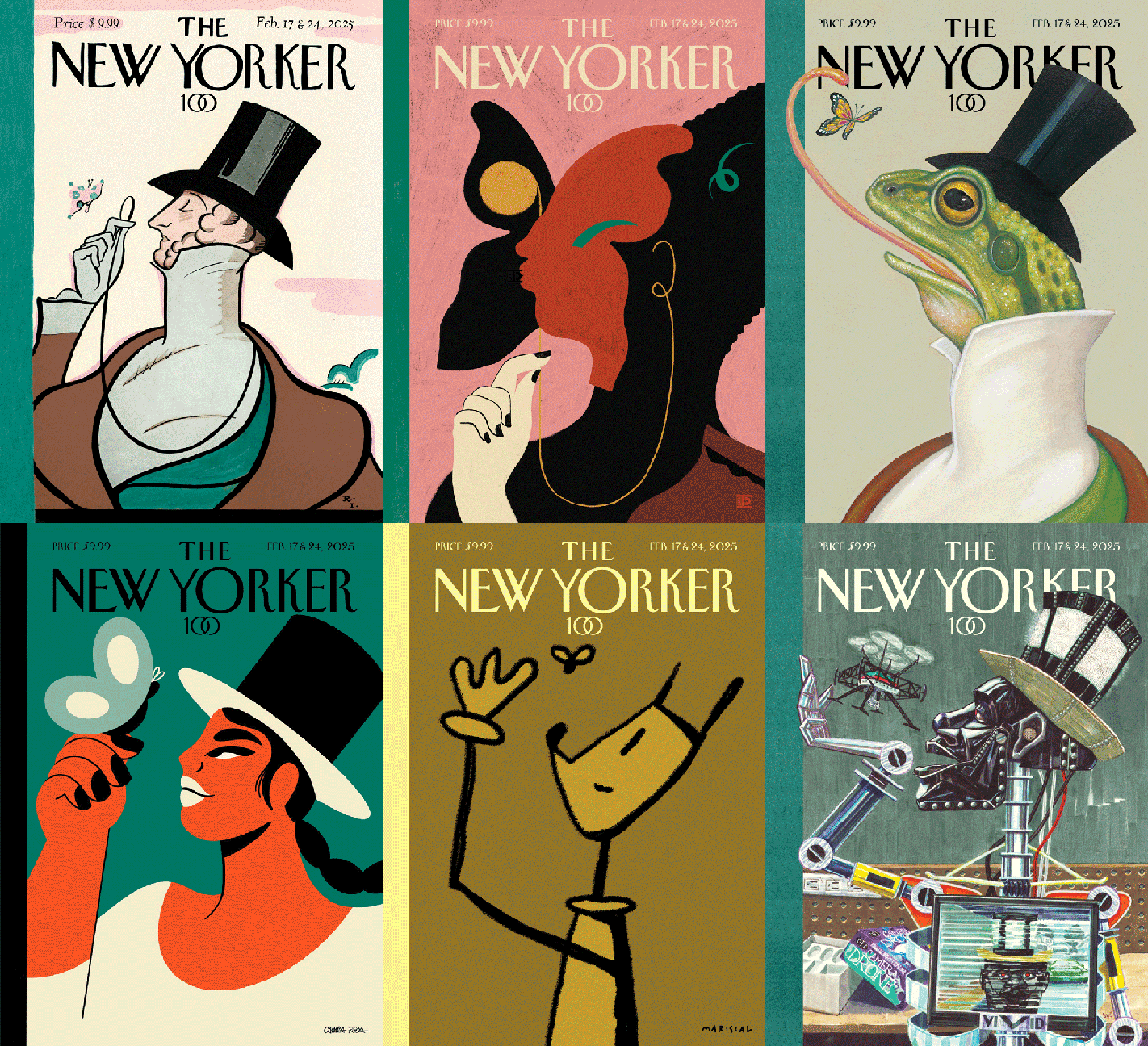
THE NEW YORKER MAGAZINE (February 10, 2025): The latest issue features Rea Irvin’s “Eustace Tilley” at One Hundred – The magazine celebrates its centenary.
The magazine has three golden rules: never write about writers, editors, or the magazine. On the occasion of our hundredth anniversary, we’re breaking them all. By Jill Lepore
Onward and Upward
Harold Ross founded The New Yorker as a comic weekly. A hundred years later, we’re doubling down on our commitment to the much richer publication it became. By David Remnick
The “Intactivists” Campaigning Against the Cut
New York’s biggest foreskin fans take their anti-circumcision message to the streets. By Diego Lasarte
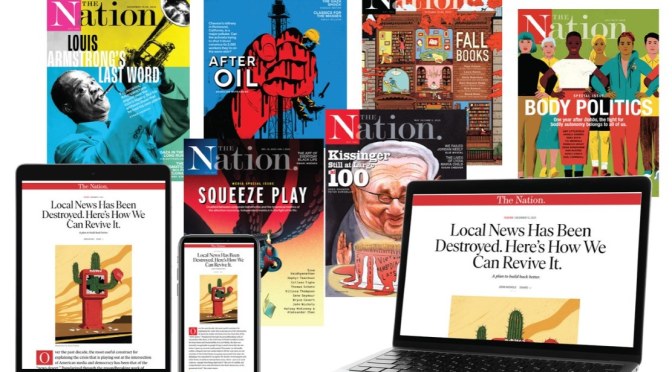
THE NATION MAGAZINE (February 9, 2025): The latest issue features ‘The Supreme Trump Court’ – Donald Trump is poised to become the first president since FDR to appoint the majority of the high court’s justices. Their rulings may be among his most lasting legacies.
Trump and his white-nationalist allies are pursuing a shock-and-awe strategy against immigrants—and many Democrats seem all too eager to join him. Gaby Del Valle
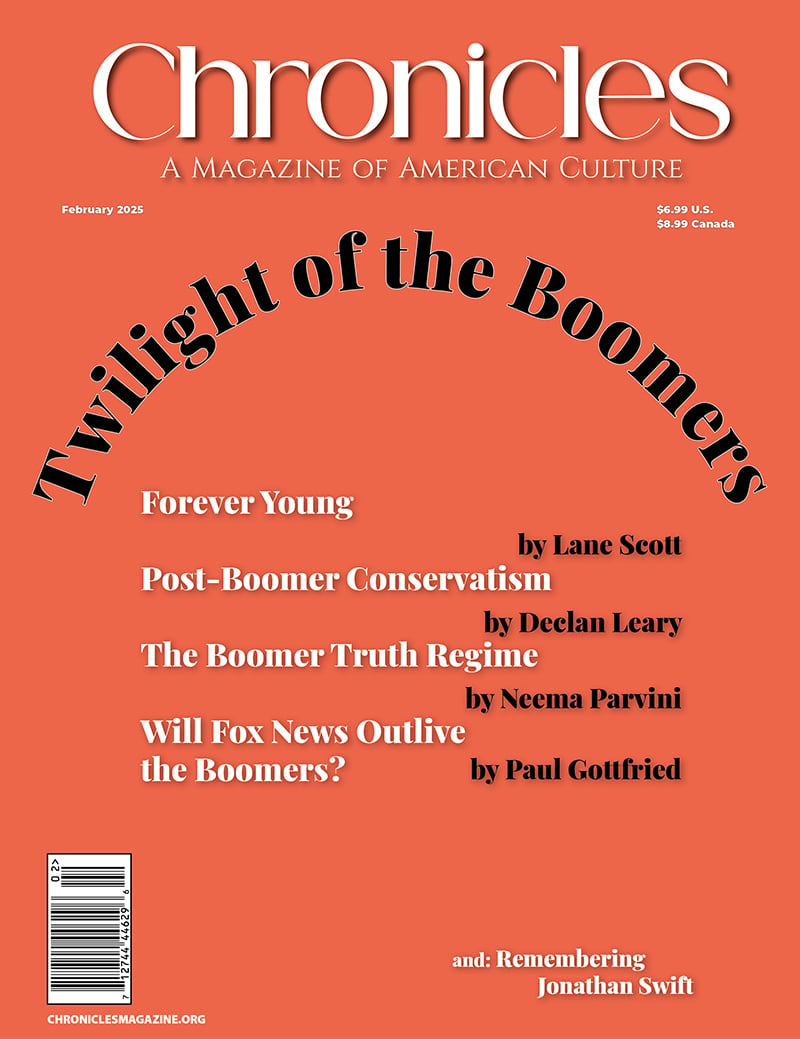
Baby boomers have safeguarded and perpetuated a grand myth through which they interpret past and present events, and derive motivations. Myth is one hell of a drug.
Baby boomer conservatism arose during the salad days of American capitalism, the apex of American military might, and the drama of the Cold War. That’s all gone and the young right stands at a crossroads.
‘I don’t think character exists anymore’, Rachel Cusk declared in a 2018 interview. This was not the first time Cusk appeared to be announcing the atrophy of the traditional novel. In a 2014 interview with The Guardian, Cusk stated she was ‘certain autobiography’ was ‘increasingly the only form in all the arts’. Inversely, fiction and its conventional preoccupation with ‘making up John and Jane’, Cusk argued, was only becoming more ‘ridiculous’, ‘fake and embarrassing’. It is precisely this disregard for literary orthodoxy that runs through Cusk’s widely acclaimed trilogy of autofictional novels – Outline (2014), Transit (2016) and Kudos (2018).
My twin brother calls from the hospital. He’s finished his blood draw and wants to know the word in Portuguese for watermelon. I recite the word for him – melancia – though my brother’s mind isn’t likely to keep hold of it. Zach can no longer keep a hold of his house keys or his phone, which he left yesterday in the bathroom sink. Before we hang up, I ask him to please wait for me in the lounge area for outpatient services, not to wander outside the hospital.
Jacqueline Feldman’s Precarious Lease: The Paris Document – out from Fitzcarraldo Editions on 30 January – delivers captivating literary reportage on Parisian squats of the early 2010s. Feldman introduces us to people who transformed abandoned buildings into homes, shelters and hubs for artistic creation. With echoes of Agnès Varda’s work, Feldman’s prose is compassionate and honest, acknowledging her own role as an observer. She answered these questions by email about her fifteen-years-long project, begun in 2009.
News, Views and Reviews For The Intellectually Curious





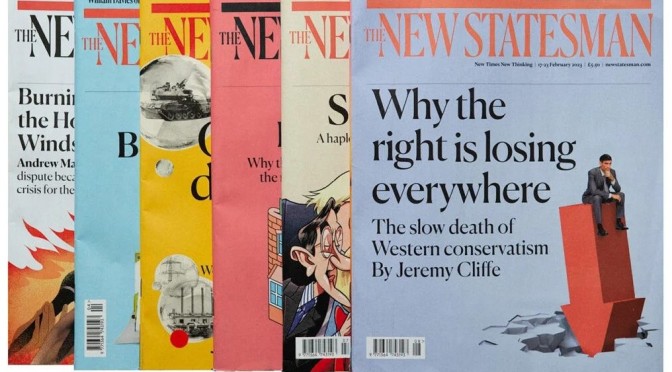

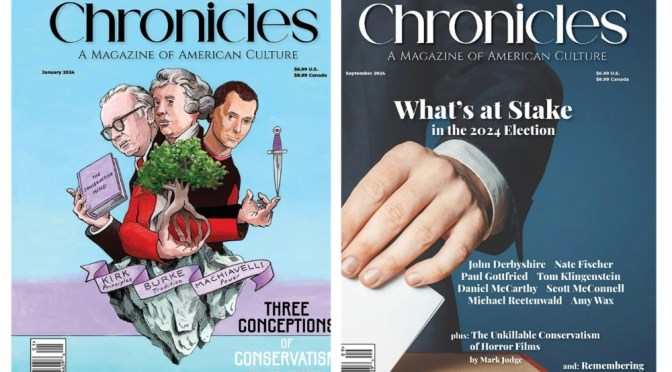
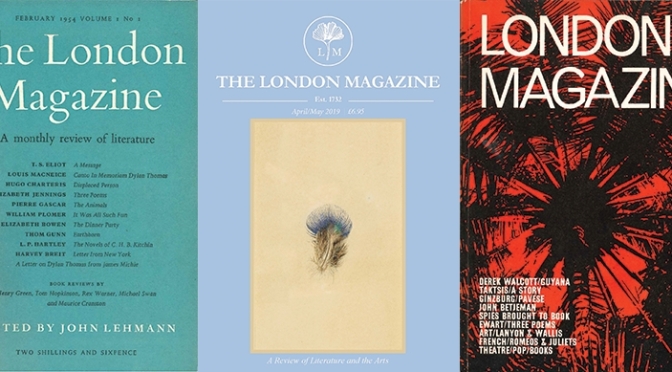
 Boomers Daily