
From an Italy Magazine online article:
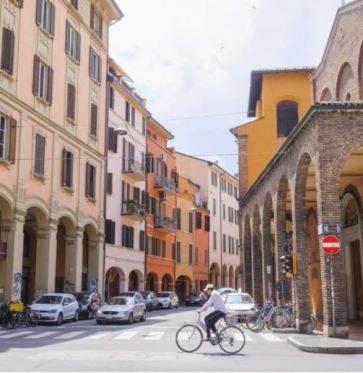 The awesome sight of the expansive Reno river greets you as you enter Casalecchio di Reno. A fairly non-descript satellite town, Casalecchio’s best asset is Parco Della Chiusa (also known as Parco Talon), a vast forest and nature reserve full of crumbling old mansions, hiking trails and great views of the river and undulating hills. The park is a popular spot for picnics and makes a worthwhile destination on its own.
 In this half-day cycle starting from central Bologna and ending at the small town of Sasso Marconi, you can take in hilly scenery of Bologna’s back country, see where history was made at the villa of radio pioneer Guglielmo Marconi and sample some local delicacies in one of the province’s best osterias. The route is entirely flat, mostly along cycle paths and can be done by even the most beginner cyclist. With no tourists around, it offers a chance to see Italian life in all of its ordinariness, away from the sometimes twee environs of the centro storico.
In total, the ride from Bologna to Sasso Marconi should take you one hour at a leisurely pace, not counting stops along the way. Rent a bicycle from Dynamo, a bike co-op on Via dell’Indipendenza near the bus station – a half day rental will cost you 13 euros.
To read more: https://www.italymagazine.com/featured-story/get-out-town-half-day-cycle-trip-bologna
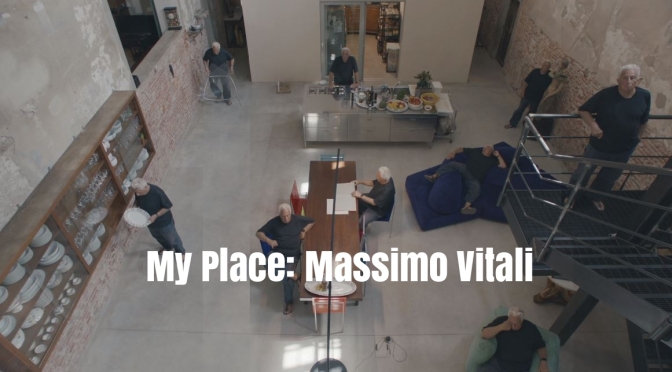
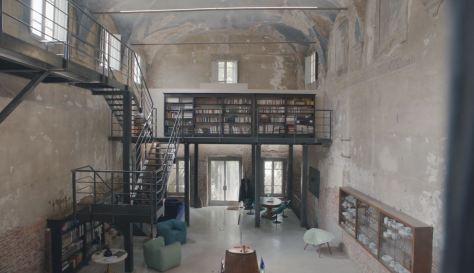
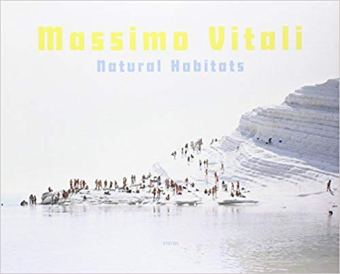 An assortment of inflatable alligators, damp bodies and candy cane-colored umbrellas typify Italian photographer Massimo Vitali’s ongoing Beach Series, which he began in 1995. Born in Como, Italy in 1944 Vitali’s internationally recognized panoramas of busy ski resorts, clubs, pools and piazzas explore the multilayered stories present in communal leisure places.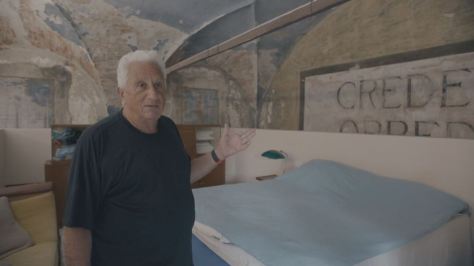

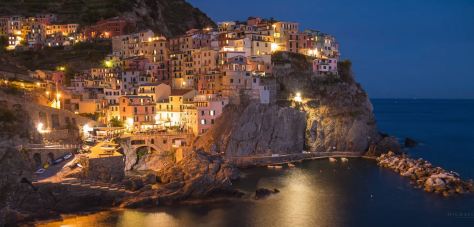
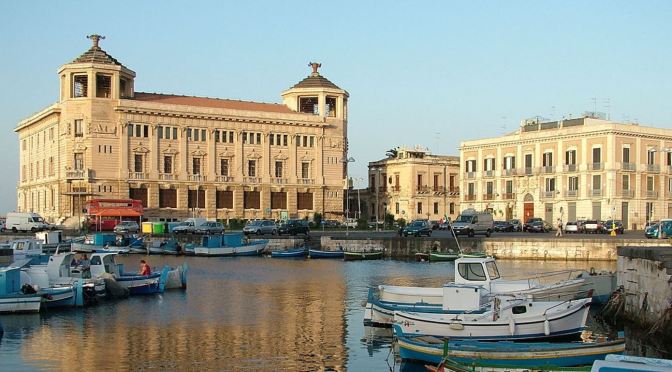
 A passeggiata, or evening walk, around the perimeter of Ortigia reveals many notable structures and stories. Start from the Parco Letterario Elio Vittorini, on the eastern side, and head clockwise. As waves crash against the rocks below the sea wall, you’ll pass crenelated lookout points and the chiseled facade of the 17th-century Chiesa dello Spirito Santo, before finding yourself in the palm-planted gardens of the 13th-century Castello Maniace.
 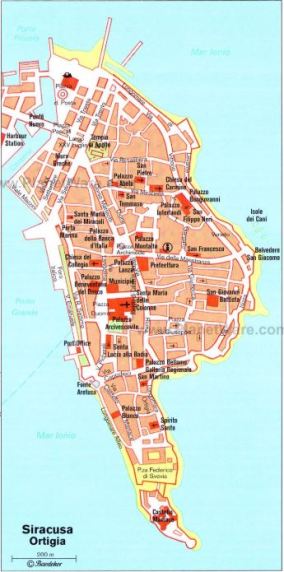 Ithe southeastern Sicilian city that Cicero called “the greatest and most beautiful of all Grecian cities” achieved a size and status in the ancient world that made it a rival of major powers like Athens and Carthage. Takeovers and makeovers by Romans, Byzantines, North Africans, Normans and others left their marks as well, influencing everything from religious art to the region’s distinctive savory-sweet-sour cooking style. Much of the ancient city has crumbled since Cicero’s day, though the ruins can still be explored in Syracuse’s celebrated archaeological park and museum. But the main attraction today is the historical center of Syracuse: Ortigia island, a maze of narrow streets, ornate Baroque churches and centuries-old palazzi.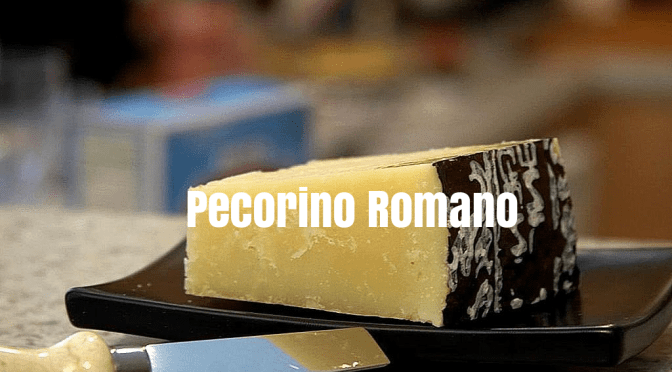
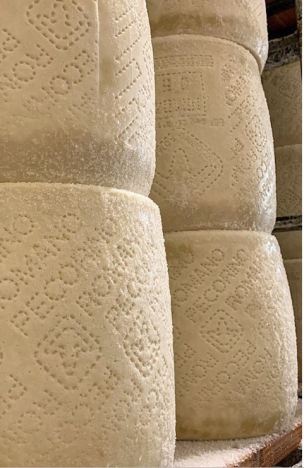 Pecorino Romano today is still made from rich sheep’s milk (pecorino comes from the Italian word for sheep, pecora) and the cheesemaking process closely follows the traditions of the ancient Romans. But most of it is now produced on the island of Sardinia, rather than in the countryside around Rome and Lazio. So why the shift?
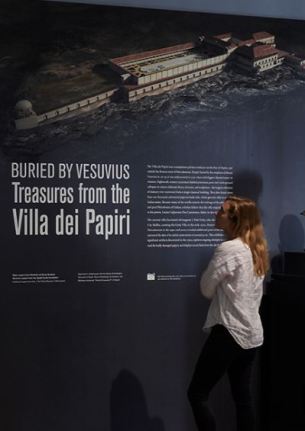 …the Getty Villa, despite some anomalies and insertions, is considered a strong likeness, which makes it a powerful locale for “Buried by Vesuvius: Treasures From the Villa dei Papiri,” the first major exhibition of works discovered in the Roman residence. The show includes Weber’s 1758 architectural map—used to build the Getty Villa—along with some of the approximately 90 sculptures pulled from the site, showing athletes, philosophers, rulers, poets and mythological figures. The exhibition also displays findings from the recent excavations.
 Boomers Daily