From Harvard Medical School Health Letter:
 Hand pain is more than just annoying. The stiffness and swelling that go along with hand pain can sap strength and diminish the ability to carry out routine functions, like buttoning clothes.
One common cause of hand pain is osteoarthritis—when the shock-absorbing cartilage between bones in the finger joints and at the base of the thumb becomes worn or damaged. Hand pain can also result from nerve conditions, like the pain and tingling you feel when there is pressure on the median nerve in the wrist or the ulnar nerve near the elbow. Sometimes hand pain results from tendinitis, an inflammation of the tissue that attaches muscles to the bones. Here are five methods to help manage hand pain, retain hand function, and avoid surgery.
A splint stabilizes the position of your fingers, thumb, or wrist. “Wear a splint for a few weeks if arthritis flares, so the inflammation can settle down,” says Dr. Philip Blazar, an orthopedic surgeon and associate professor at Harvard Medical School.
An injection of a corticosteroid into a joint can reduce inflammation. “The relief it provides can last up to a year,” says Dr. Blazar. For some people the amount of relief diminishes with subsequent injections.
A nonsteroidal anti-inflammatory drug (NSAID) helps relieve hand pain by blocking enzymes that produce pain and swelling, but Dr. Blazar says it’s not effective for carpal tunnel syndrome. Long-term use of oral NSAIDs such as ibuprofen (Advil, Motrin) are linked to ulcers, stomach bleeding, liver damage, and increased risk of heart attacks. Topical NSAIDs, such as diclofenac (Voltaren), may pose less risk.
Heat can loosen hand stiffness. Dr. Blazar says a hot shower will do the job. Cold is effective for hand pain that results from activity, such as playing golf. “Apply it in the form of flexible gel pads you keep in the freezer, or even bags of frozen peas or corn, which conform well to the three-dimensional complexities of the hand,” says Dr. Blazar.
These focus on your hand’s tendons and muscles. A physical therapist or occupational therapist can guide you through exercises to stretch and strengthen the muscles, which can help absorb the stress on joints in the hand and reduce pain.





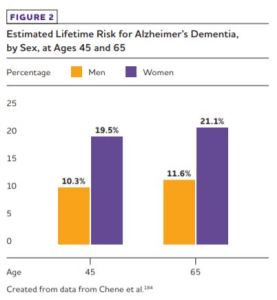 Scientists are beginning to understand why Alzheimer’s disease affects more women than men and why the disease seems to progress more quickly in women’s brains.
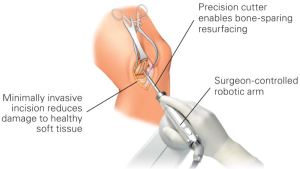 “Knee replacement is increasing in frequency, and it has an associated substantial cost implication to any health-care provider. It is also essential that patients receive the most efficacious operation for this condition. Before our study, and despite several cohort-based reports, knowledge of whether one operation type is superior, remained uncertain. Our 5-year study has indicated that both TKR and PKR are beneficial interventions but, based on our combined clinical and cost-effectiveness data and providing the operation is performed by those with adequate experience, we recommend that PKR should be offered as the treatment of choice for late-stage isolated medial compartment osteoarthritis of the knee.

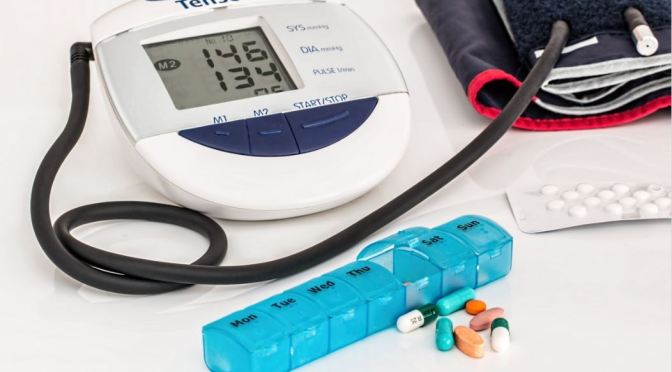

 “Living a healthy lifestyle may help offset a person’s genetic risk of dementia, according to new research.
 What does it mean for someone to flourish? Flourishing is more than just being happy—although that’s a part of it. But the idea of flourishing expands beyond happiness to look at a person’s overall well-being, taking into account things like life satisfaction or someone’s sense of purpose. That’s why studying flourishing is an interdisciplinary science drawing on public health, philosophy, psychology, and more.
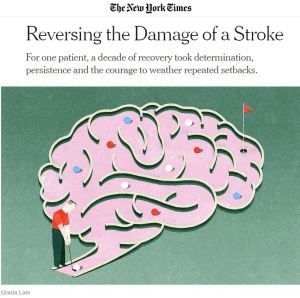 The learning curve was steep: “I couldn’t read; I couldn’t write. I could see the hospital signs, the elevator signs, the therapists’ cards, but I couldn’t understand them,” he wrote. The aphasia — the inability to understand or express speech — “had beaten and battered” his pride.
 Discover the latest tools used to diagnose and treat back and neck pain. Series: “UCSF Osher Center for Integrative Medicine presents Mini Medical School for the Public”
 Boomers Daily