Tag Archives: Health

Health: ‘A Changing Climate, Changes Disease’

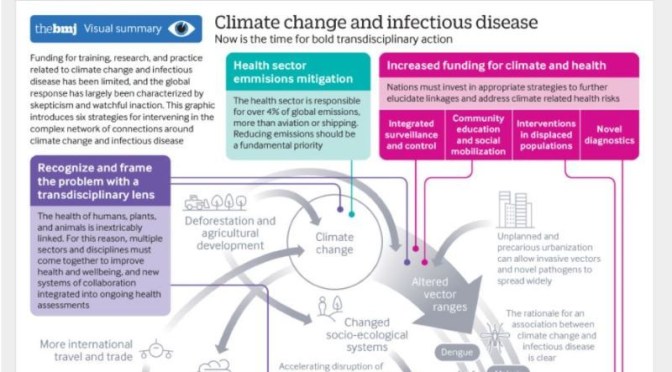
In recent decades, the worldwide burden of infectious disease has fallen, thanks to sanitation, hygiene, and prevention and control efforts. But the covid-19 pandemic shows how great a threat to global health remains – particularly as the climate crisis continues to affect disease spread and our response in myriad ways. Increasing temperatures are expanding the areas where diseases such as malaria and dengue thrive. More flooding and drought increases disease risk. Hygiene requires access to clean water. Further urbanization and migration related to climate change will also complicate prevention and control. The BMJ has published “The time is now” collection, calling for the strengthening of the global response to climate change and communicable disease. https://www.bmj.com/communicable-dise…

Retirement: Medicare, Medigap & Part D – Seniors Find Choices “Dizzying”

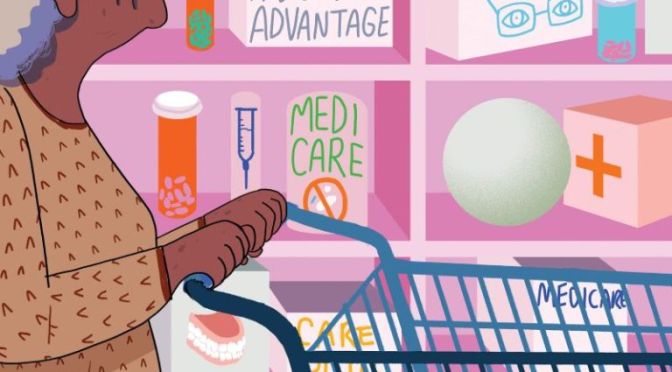
If you’re enrolled only in original Medicare with a Medigap supplemental plan, and don’t use a drug plan, there’s no need to re-evaluate your coverage, experts say. But Part D drug plans should be reviewed annually. The same applies to Advantage plans, which often wrap in prescription coverage and can make changes to their rosters of in-network health care providers.

“The amount of information that consumers need to grasp is dizzying, and it turns them off from doing a search,” Mr. Riccardi said. “They feel paralyzed about making a choice, and some just don’t think there is a more affordable plan out there for them.”

November 13, 2020

When creation of the prescription drug benefit was being debated, progressive Medicare advocates fought to expand the existing program to include drug coverage, funded by a standard premium, similar to the structure of Part B. The standard Part B premium this year is $144.60; the only exceptions to that are high-income enrollees, who pay special income-related surcharges, and very low-income enrollees, who are eligible for special subsidies to help them meet Medicare costs.

“Given the enormous Medicare population that could be negotiated for, I think most drugs could be offered through a standard Medicare plan,” said Judith A. Stein, executive director of the Center for Medicare Advocacy.

“Instead, we have this very fragmented system that assumes very savvy, active consumers will somehow shop among dozens of plan options to see what drugs are available and at what cost with all the myriad co-pays and cost-sharing options,” she added.

Advocates like Ms. Stein also urged controlling program costs by allowing Medicare to negotiate drug prices with pharmaceutical companies — something the legislation that created Part D forbids.

Read full article in NY Times

Health Podcasts: What Can We Do To Age Well

BBC Radio 4 (July 30, 2024): From the Hay Festival, James and a panel of experts explain what we can all do to help ourselves age well. We discover what’s going on in our bodies when we age, the difference between biological and chronological age, as well as getting the audience moving for a physical test.

James is joined by gerontologist Sarah Harper from the University of Oxford, biomedical scientist Georgina Ellison-Hughes from King’s College London, and doctor Norman Lazarus to understand how exercise, diet, and mental health all have a part to play in how we age.

Health: ‘Risks & Benefits Of AI Revolution In Medicine’

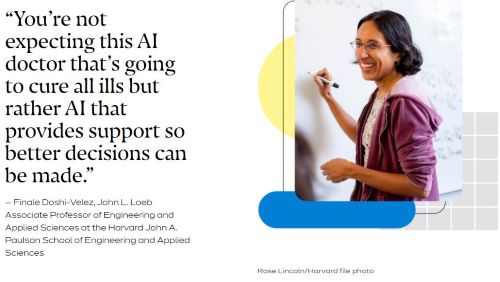
It has taken time — some say far too long — but medicine stands on the brink of an AI revolution. In a recent article in the New England Journal of Medicine, Isaac Kohane, head of Harvard Medical School’s Department of Biomedical Informatics, and his co-authors say that AI will indeed make it possible to bring all medical knowledge to bear in service of any case.

Properly designed AI also has the potential to make our health care system more efficient and less expensive, ease the paperwork burden that has more and more doctors considering new careers, fill the gaping holes in access to quality care in the world’s poorest places, and, among many other things, serve as an unblinking watchdog on the lookout for the medical errors that kill an estimated 200,000 people and cost $1.9 billion annually.

“I’m convinced that the implementation of AI in medicine will be one of the things that change the way care is delivered going forward,” said David Bates, chief of internal medicine at Harvard-affiliated Brigham and Women’s Hospital, professor of medicine at Harvard Medical School and of health policy and management at the Harvard T.H. Chan School of Public Health. “It’s clear that clinicians don’t make as good decisions as they could. If they had support to make better decisions, they could do a better job.”

Read more

Smart Technology: ‘The Internet Of Bodies’ (IoB)

Internet-connected “smart” devices are increasingly available in the marketplace, promising consumers and businesses improved convenience and efficiency. Within this broader Internet of Things (IoT) lies a growing industry of devices that monitor the human body and transmit the data collected via the internet.

This development, which some have called the Internet of Bodies (IoB), includes an expanding array of devices that combine software, hardware, and communication capabilities to track personal health data, provide vital medical treatment, or enhance bodily comfort, function, health, or well-being. However, these devices also complicate a field already fraught with legal, regulatory, and ethical risks. In this video,

RAND mathematician Mary Lee examines this emerging collection of human body–centric and internet-connected technologies; explores their benefits, security and privacy risks, and ethical implications; surveys the nascent regulatory landscape for these devices and the data they collect; and makes recommendations to balance IoB risks and rewards.

Read more about the Internet of Bodies here: https://www.rand.org/pubs/research_re…

Interview: Anthony Fauci On Covid-19 (JAMA Video)

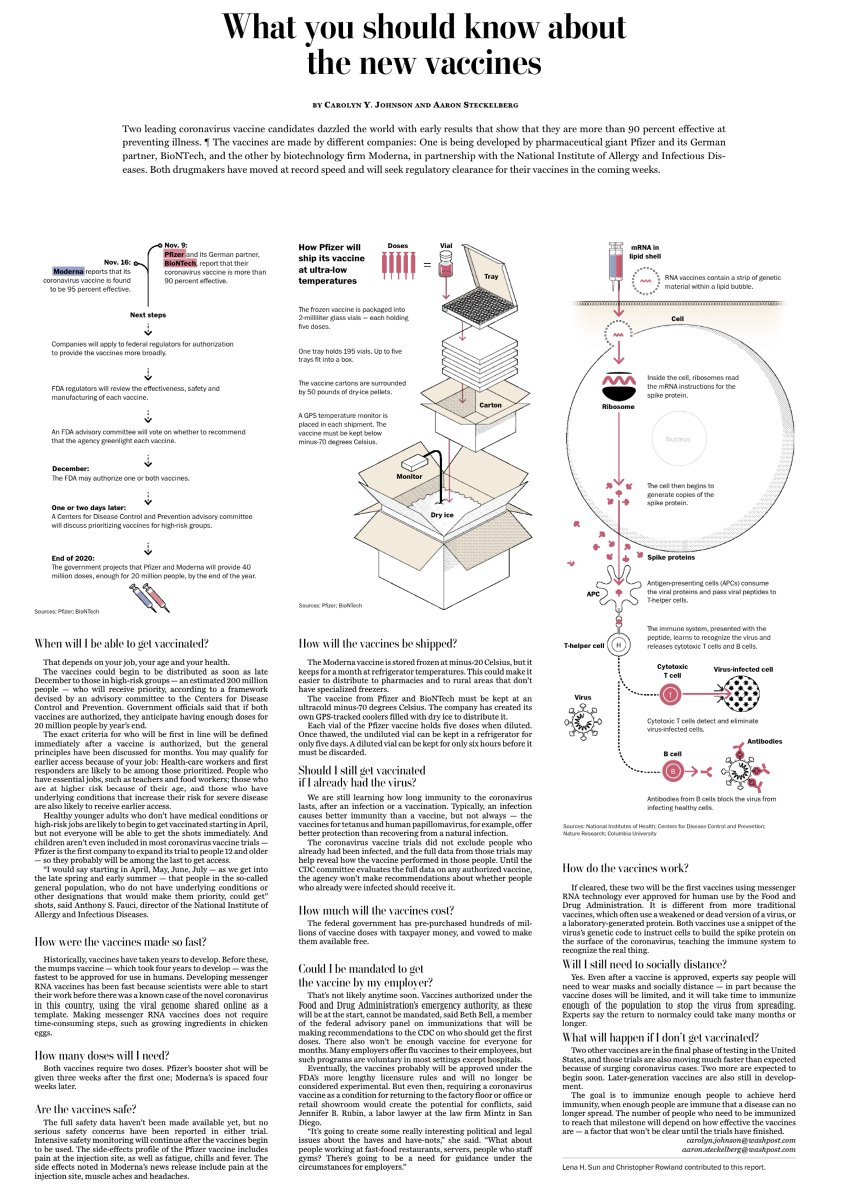
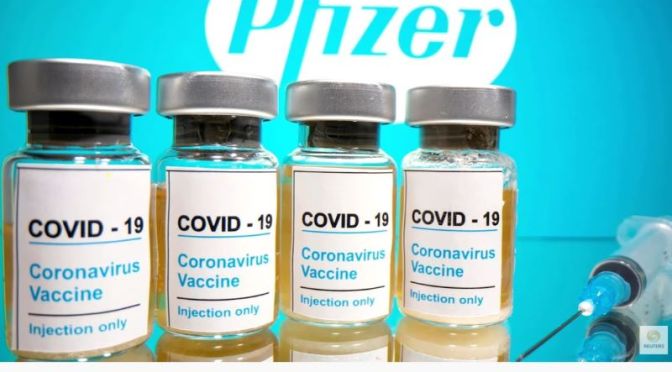
Anthony S. Fauci, MD returns to JAMA’s Q&A series to discuss the latest developments in the COVID-19 pandemic, including the continued importance of nonpharmaceutical interventions (masking, handwashing, physical distancing) for managing rising case numbers in the US and globally.

Recorded October 28, 2020.

Topics discussed in this interview: 0:00 Introduction 0:20 NAM Presidential Citation for Exemplary Leadership 1:19 COVID-19 numbers and excess deaths 4:05 National masking mandate 5:55 How to get people to accept masking 7:07 Herd Immunity and the Great Barrington Declaration 9:51 The holidays and airplane travel 13:44 Therapies update 17:54 Vaccines update 20:08 Vaccine distribution 22:00 Vaccine safety 24:42 How Australia has dealt with COVID-19 spikes 27:00 Acknowledgements and baseball

Travel Videos: ‘Comparing Different Airline Flights During Covid-19’ (WSJ)

As airports and airlines around the world continue to operate in the midst of a global pandemic, not every flight and region has the same Covid-19 protocols. Three WSJ reporters flew to different regions around the world to look at how air travel has changed.