When the coronavirus hit, why were countless Americans left unprotected amid a desperate shortage of PPE and other critical medical equipment?
FRONTLINE, The Associated Press and the Global Reporting Centre investigate.
In the wake of President Donald Trump’s COVID-positive diagnosis, and as cases spike in parts of the country, “America’s Medical Supply Crisis” examines why the United States was left vulnerable to key equipment shortages — and why problems persist, months into the coronavirus crisis.
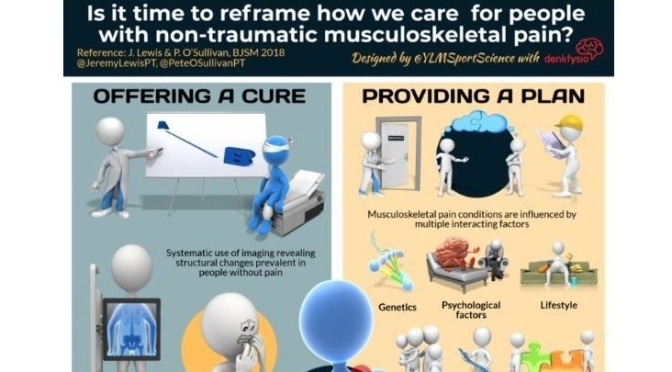
The Johns Hopkins Musculoskeletal Center aims to streamline and improve access for diagnosis and treatment of conditions affecting muscles, bones and connective tissues. Each of the center’s locations feature a diverse group of physicians, therapists, and advanced practitioners who work together to bring you the right treatment at the right time.
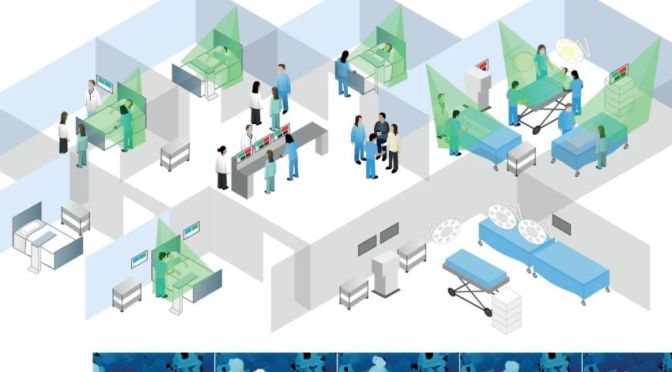
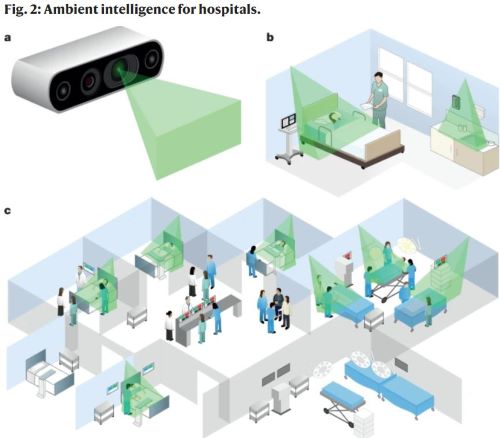
As many as 400,000 Americans die each year because of medical errors, but many of these deaths could be prevented by using electronic sensors and artificial intelligence to help medical professionals monitor and treat vulnerable patients in ways that improve outcomes while respecting privacy.
The Fix: Invisible light guided by AI?
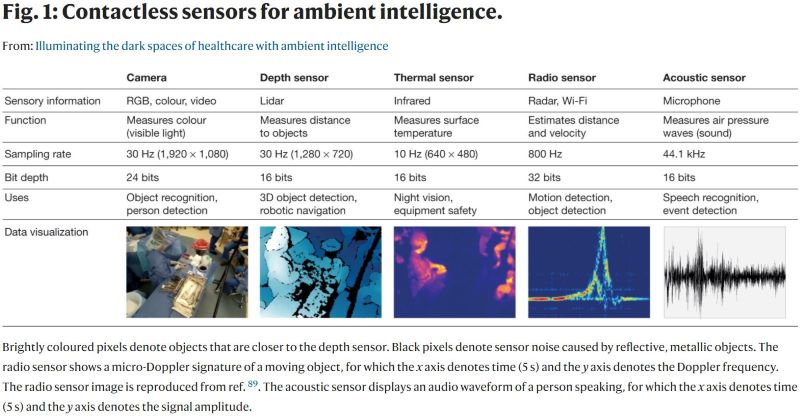
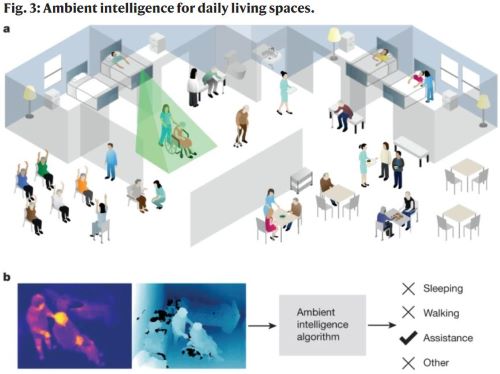
Haque, who compiled the 170 scientific papers cited in the Nature article, said the field is based largely on the convergence of two technological trends: the availability of infrared sensors that are inexpensive enough to build into high-risk care-giving environments, and the rise of machine learning systems as a way to use sensor input to train specialized AI applications in health care.
These alert systems are being tested to see if they can reduce the number of ICU patients who get nosocomial infections — potentially deadly illnesses contracted by patients due to failure of other people in the hospital to fully adhere to infection prevention protocols.
Constant monitoring by ambient intelligence systems in a home environment could also be used to detect clues of serious illness or potential accidents, and alert caregivers to make timely interventions. For instance, when frail seniors start moving more slowly or stop eating regularly, such behaviors can presage depression, a greater likelihood of a fall or the rapid onset of a dangerous health crisis. Researchers are developing activity recognition algorithms that can sift through infrared sensing data to detect changes in habitual behaviors, and help caregivers get a more holistic view of patient well-being.
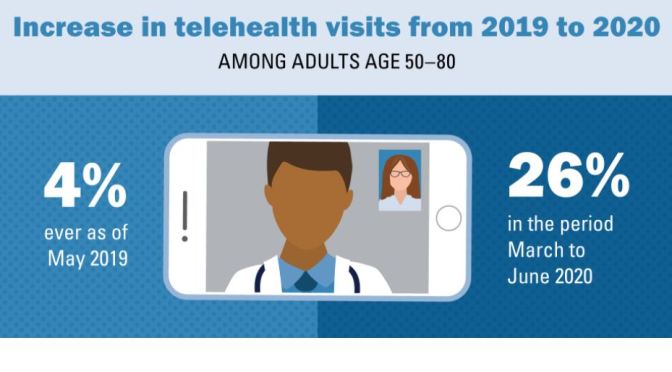
From 2019 to 2020, there was a substantial increase in the proportion of older adults who reported that their health care providers offered telehealth visits. In May 2019, 14% of older adults said that their health care providers offered telehealth visits, compared to 62% in June 2020.
Similarly, the percentage of older adults who had ever participated in a telehealth visit rose sharply from 4% in May 2019 to 30% in June 2020. Of those surveyed in 2020, 6% reported having a telehealth visit prior to March 2020, while 26% reported having a telehealth visit in the period from March to June 2020.
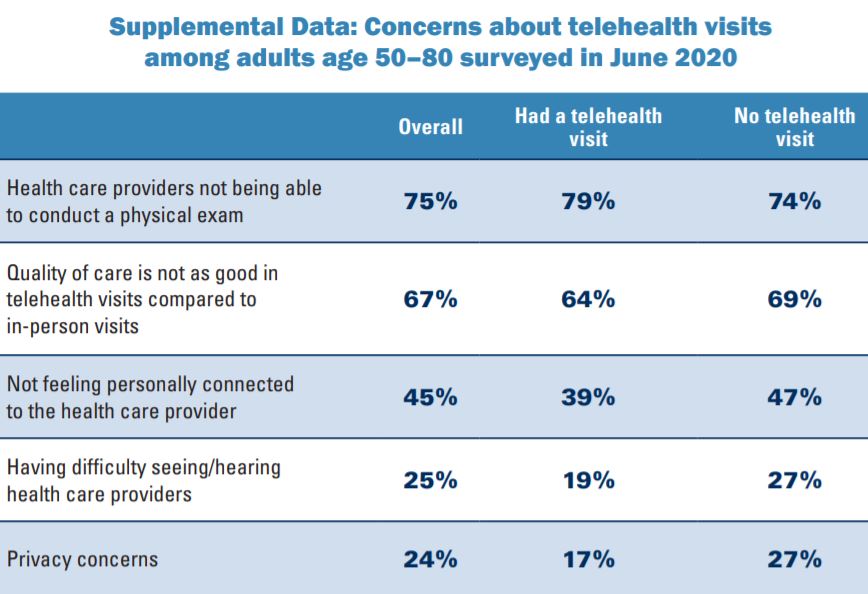
Over the past year, some concerns about telehealth visits decreased among adults age 50–80 whether or not they had a telehealth visit. Older adults’ concerns about privacy in telehealth visits decreased from 49% in May 2019 to 24% in June 2020, and concerns about having difficulty seeing or hearing health care providers in telehealth visits decreased from 39% in May 2019 to 25% in June 2020. Concerns about not feeling personally connected to the health care provider decreased slightly (49% to 45%).
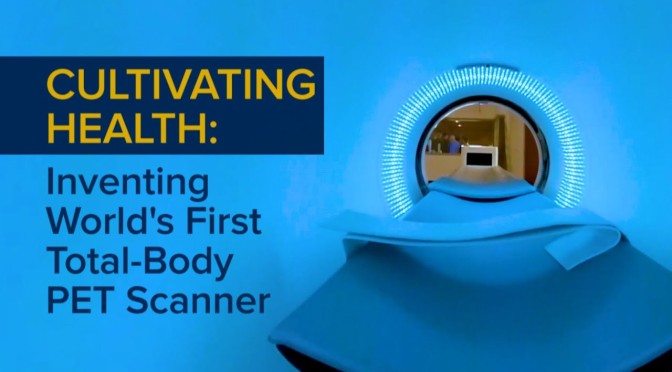
UC Davis Health scientists Simon Cherry and Ramsey Badawi spent 15 years developing the world’s first total-body PET scanner, called EXPLORER. This imaging machine scans a patient’s entire body at one time, delivering breathtaking image quality that improves patient diagnoses and disease research.
The Best Hospitals Honor Roll highlights 20 hospitals that excel across most or all types of care evaluated by U.S. News. Hospitals received points if they were nationally ranked in the 16 specialties – the more specialties and the higher their rank, the more points they got – and if they were rated high performing in any of the 10 procedures and conditions. The top point-scorers made the Honor Roll.
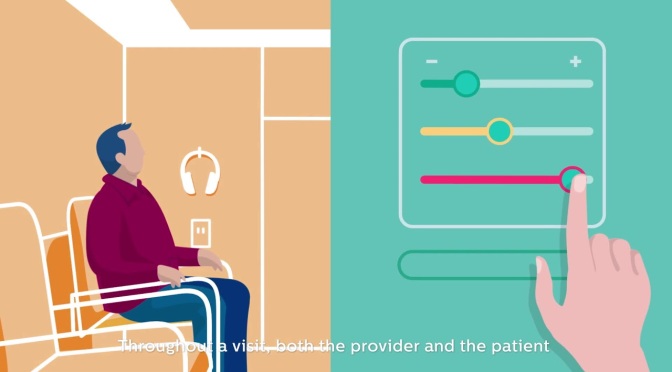
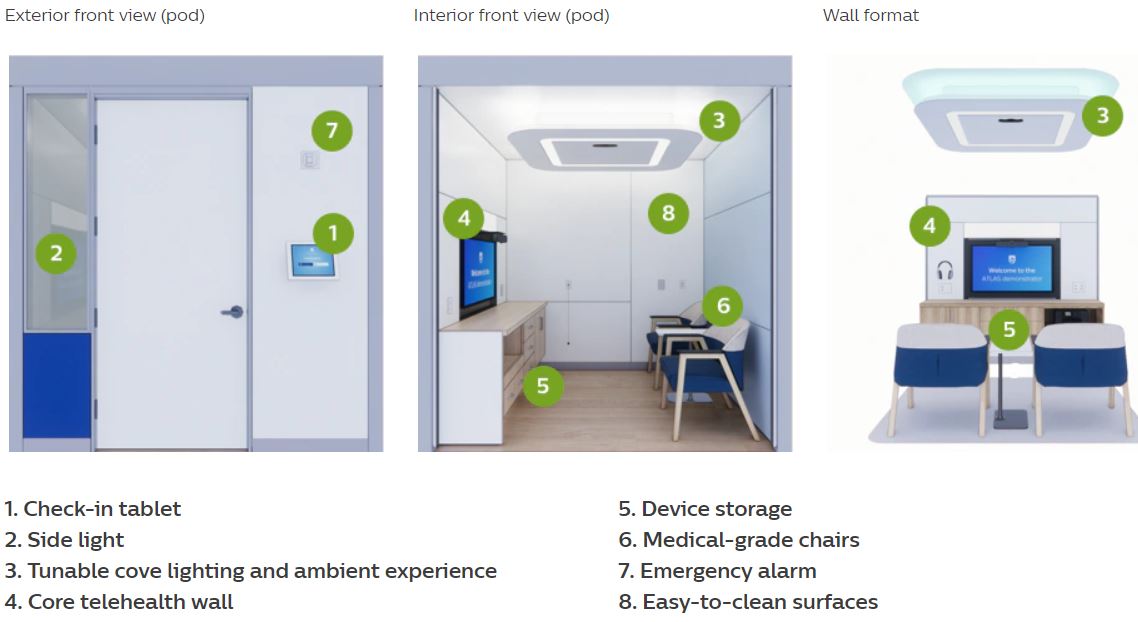
Philips Virtual Care Station, inspired by the VA’s ATLAS program, is a community-based telehealth solution designed to expand access to high-quality care by connecting patients and providers remotely through a secure, clinical-grade environment.








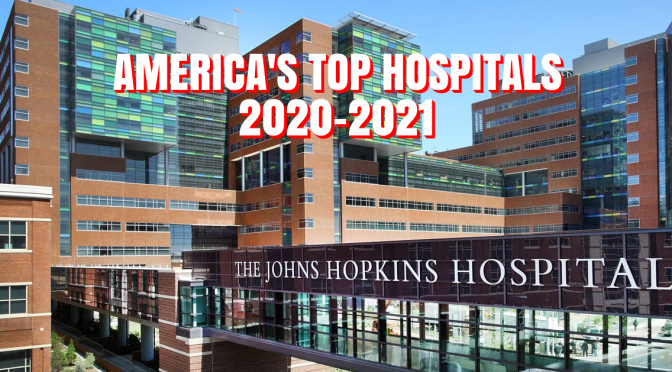
 The Best Hospitals Honor Roll highlights 20 hospitals that excel across most or all types of care evaluated by U.S. News. Hospitals received points if they were nationally ranked in the 16 specialties – the more specialties and the higher their rank, the more points they got – and if they were rated high performing in any of the 10 procedures and conditions. The top point-scorers made the Honor Roll.
 Boomers Daily