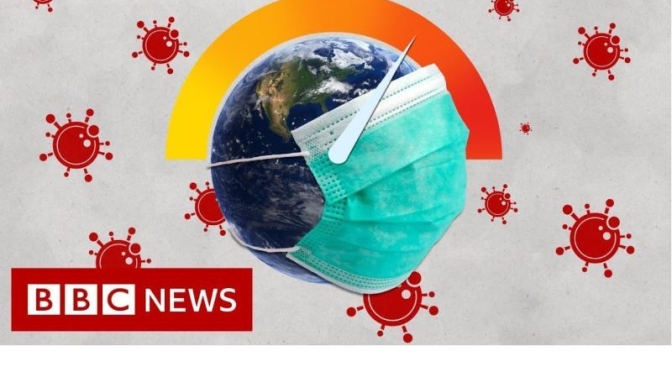
When Covid-19 sparked lockdowns around the world, emissions of one of the greenhouse gases responsible for climate change, atmospheric carbon dioxide, plummeted. But is this record drop a short-term effect of the 2020 pandemic or a ‘new normal’? BBC Weather’s Ben Rich explores the impact of coronavirus on the global climate.
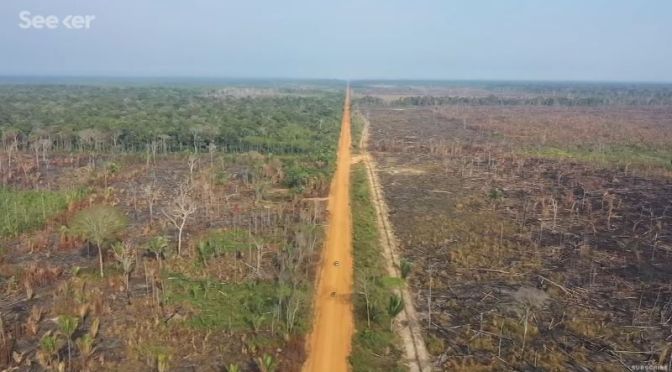
New research suggests that if the current rate of deforestation continues, the Amazon rainforest could transform into a savannah within 15 years. Do we have time to stop it?
The Amazon basin spans over 6 million square kilometers, and is home to one-fifth of the world’s land species. In addition, it supports the 30 million people who live and depend on the land as a source of food, medicine, and shelter. That’s not even including the key role it plays in regulating the regional AND global climate.
Trees absorb water through their roots and transport it to their leaves, where it’s released as vapor through small pores in a process called transpiration. As the water vapor rises and condenses, it forms rain clouds over the forest canopy. Basically, the rainforest is making its own weather. For example, one large tree can release 1,000 liters of water into the atmosphere in a single day.
The rainforest recycles this water up to six times before it moves out of the region, but as more trees are cut down, those that remain may not be able to recycle enough water to survive. Less trees means more sunlight will hit the forest floor, exposing the forest to higher temperatures. Since deforestation began accelerating in the 1970’s, 800,000 square kilometers of the Amazon have been lost. And over that same period, the average temperature of the basin has risen by 1 degree Celsius.
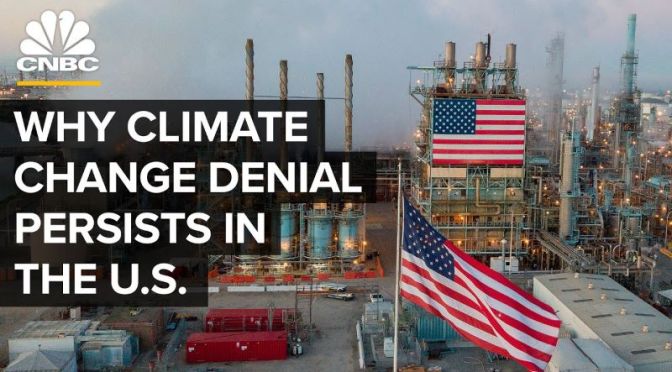
Despite overwhelming scientific evidence, some American politicians continue to deny that climate change exists, while others question the severity of its impact. But public opinion is shifting, and today even oil and gas companies publicly admit that climate change demands action. So why does climate denialism continue to influence U.S. politics? Here’s a look into who is funding the movement, and why denial is mainly a U.S. problem.
The Arctic is not a barren, frozen wasteland. It’s home to some of the most unique ecosystems in the world. More than this: it’s home to people. Those people are at the center of the controversy over drilling for oil in the Arctic. The Trump administration is now starting the formal process of selling leases in the Arctic National Wildlife Refuge to oil companies, according to the New York Times. The move comes after the Trump administration opened the refuge for oil drilling in August 2020. There are potentially billions of dollars in untapped oil and gas reserves in the Arctic. But, there is value in keeping the region untouched, too. The Arctic provides more than $281 billion per year in fishing, oil, mineral extraction, tourism and climate stabilization services, according to a preliminary assessment done in 2016 by environmental economist Tanya O’Garra, who worked at the Center for Research on Environmental Decisions at Columbia University at the time the research was conducted.
This week the whole show focuses on keeping cool in a warming world. First up, host Sarah Crespi talks with Senior News Correspondent Elizabeth Pennisi about the latest research into how to stay safe when things heat up—whether you’re running marathons or fighting fires.
Sarah also talks with Po-Chun Hsu, assistant professor of mechanical engineering and materials science at Duke University, about the future of cooling fabrics for everyday use. It turns out we can save a lot of energy and avoid carbon dioxide emissions by wearing clothing designed to keep us cool in slightly warmer buildings than we’re used to now. But the question is, will cooling clothes ever be “cool”? Visit the whole special issue on cooling.
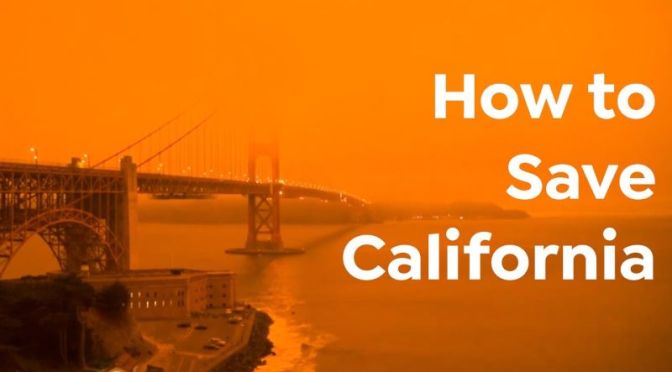
Wildfires are a fact of life in California but extent and devastation in the American West feel dramatic this year: More than 5 million areas of uncontrolled fires lead to incredible footage on the news & reports of orange skies in Oakland or San Francisco. The 2020 fire season has broken almost every record in terms of frequency and ferocity. We analyzed several factors like climate change, housing development and fire suppression & management to see what’s behind the largest and most destructive wildfires in the state’s history and what can be done to solve the worsening problem?
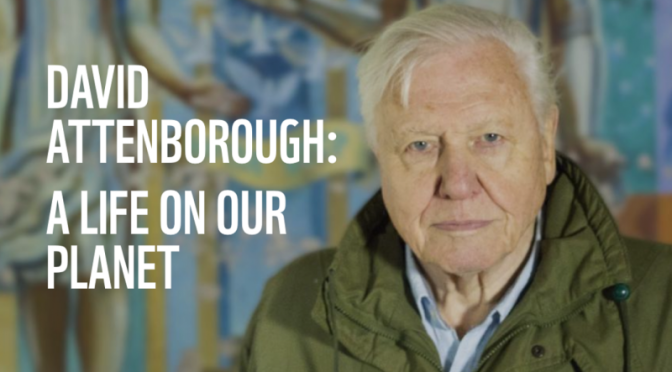
Filmmaker Sir David Attenborough has been documenting the natural world since the 1950s. In his latest book and film, “A Life on Our Planet,” he offers a grave and alarming assessment about the climate crisis Earth is facing. The 94-year-old Attenborough spoke with William Brangham recently as part of our ongoing arts and culture series, Canvas.
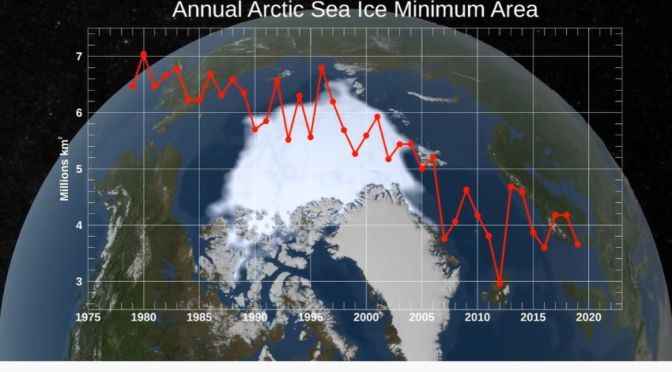
On Sept. 15, 2020, Arctic sea ice reached its annual minimum extent — the second-lowest on record. This summer, temperatures soared in the Siberian Arctic, and intense fires burned through peatland. The Arctic region is warming three times faster than the rest of the planet.
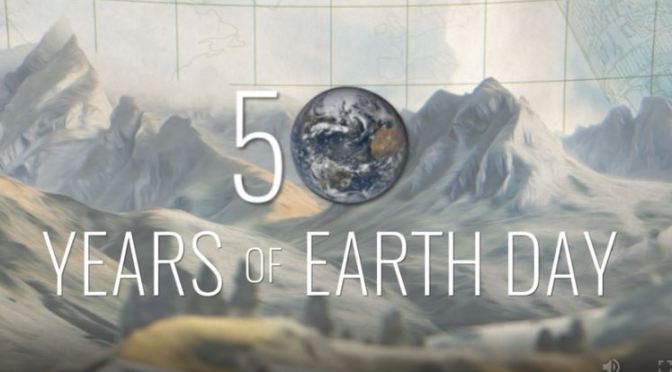
It’s been five decades since Apollo 8 astronaut William Anders photographed Earth peaking over the Moon’s horizon. The iconic image, dubbed Earthrise, inspired a new appreciation of the fragility of our place in the universe. Two years later, Earth Day was born to honor our home planet. As the world prepares to commemorate the 50th anniversary of Earth Day, NASA reflects on how the continued growth of its fleet of Earth-observing satellites has sharpened our view of the planet’s climate, atmosphere, land, polar regions and oceans.





 Boomers Daily