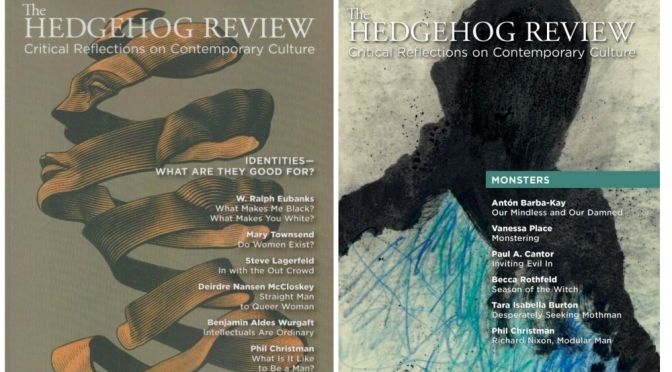

“The Character of Place” and “A Cultural Revolution on the Right”
Double Theme: “The Culture of Place” and “A Cultural Revolution on the Right”

Double Theme: “The Culture of Place” and “A Cultural Revolution on the Right”
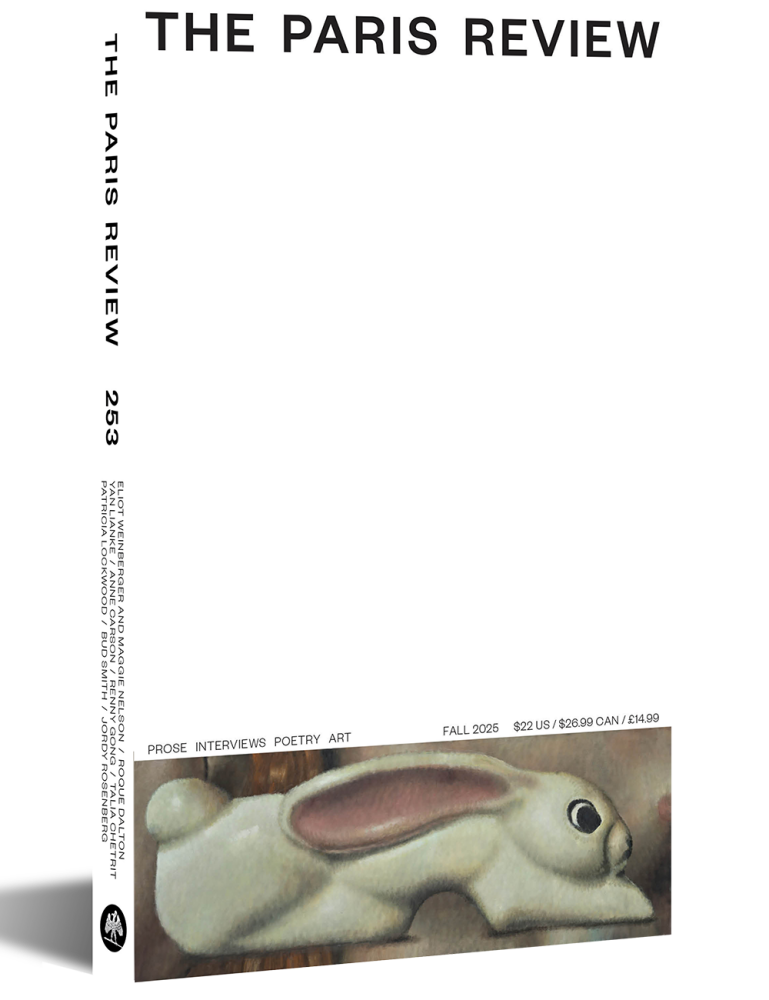
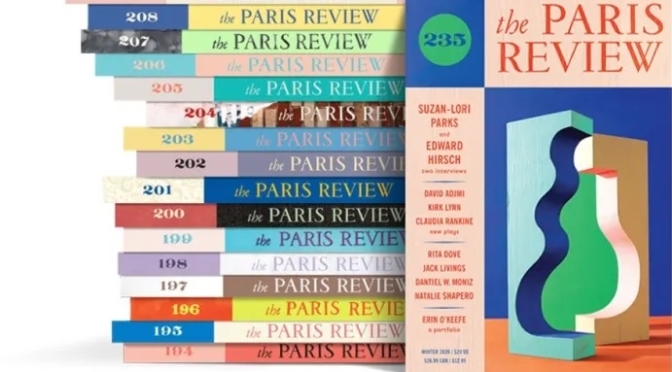
THE PARIS REVIEW : The latest issue features interviews with Maggie Nelson and Eliot Weinberger, prose by Bud Smith and Yan Lianke, poetry by Patricia Lockwood and Ishion Hutchinson, art by Martha Diamond and Talia Chetrit, a cover by Issy Wood, and more…
Eliot Weinberger on the Art of the Essay: “I have no interest in first-person investigation. Personally, I’ve never found myself an interesting person.”
Maggie Nelson on the Art of Nonfiction: “It’s important to notice when the spark of magic or curiosity is there and what snuffs it out, and being around too many writers, for me, snuffs it out.”
Prose by Anne Carson, Renny Gong, Aurora Huiza, Jordy Rosenberg, Bud Smith, and Yan Lianke.
Poetry by Roque Dalton, Ishion Hutchinson, Patricia Lockwood, Mariano Melgar, Eileen Myles, Katie Peterson, and authors unknown.
Art by Talia Chetrit, Martha Diamond, and Jamian Juliano-Villani; cover by Issy Wood.
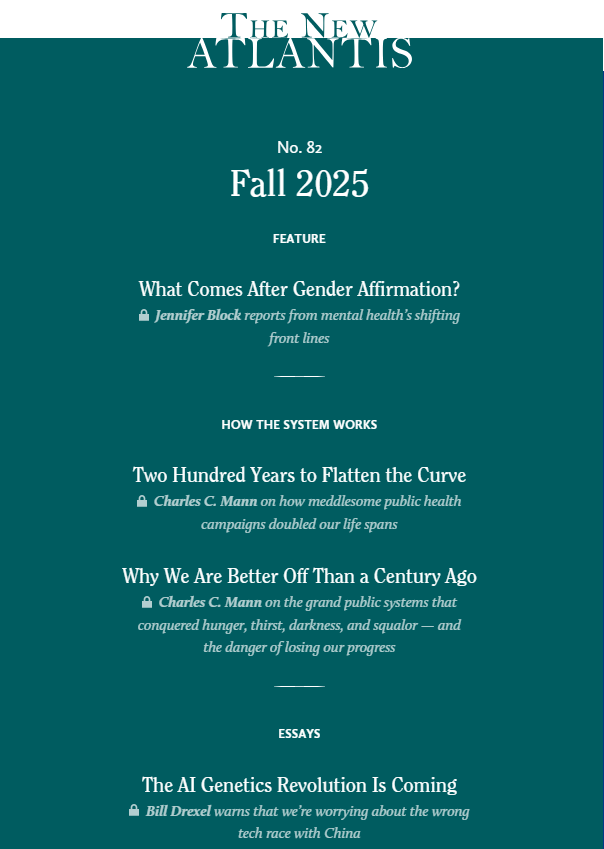
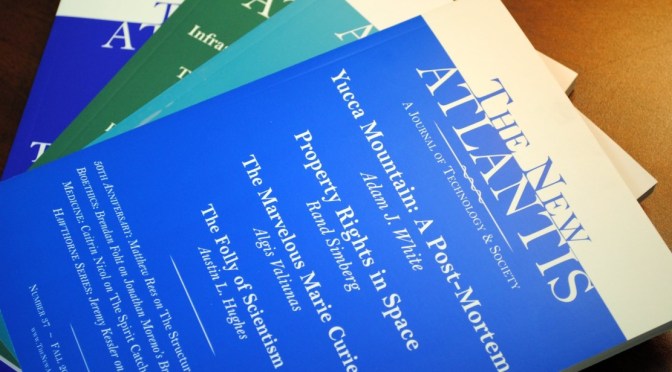
THE NEW ATLANTIS MAGAZINE: The latest issue features….
Making transition the first-line treatment for children was a mistake, many health agencies now say. A growing group of psychologists wants to restore the therapeutic relationship.
How generations of meddlesome public health campaigns changed everyday life — and made life twice as long as it used to be
Our ancestors built grand public systems to conquer hunger, thirst, darkness, and squalor. That progress can be lost if we forget it.
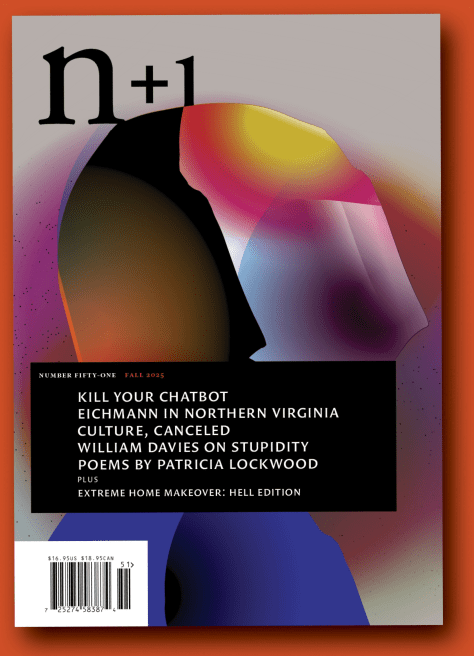
The AI upheaval is unique in its ability to metabolize any number of dread-inducing transformations. The university is becoming more corporate, more politically oppressive, and all but hostile to the humanities? Yes — and every student gets their own personal chatbot. The second coming of the Trump Administration has exposed the civic sclerosis of the US body politic? Time to turn the Social Security Administration over to Grok. Climate apocalypse now feels less like a distant terror than a fact of life? In five years, more than a fifth of global energy demand will come from data centers alone.
Naturally there were lots of law enforcement types hanging around the convention — men with military fades, moisture-wicking shirts, and tattoos of the Bible and the Constitution and eagles and flags distended across their arms. But there were also a handful of women ICE applicants and a lot of men of color. The deportation officer applicant pool was, I felt, shockingly diverse — one might say it looked like America. The whole place looked and felt like America.
The challenge posed by this political crisis is how to take the stupidity seriously without reducing it to a wholly mental or psychiatric, let alone genetic, phenomenon. Stupidity can be understood as a problem of social systems rather than individuals, as André Spicer and Mats Alvesson explore in their book The Stupidity Paradox. Stupidity, they write, can become “functional,” a feature of how organizations operate on a daily basis, obstructing ideas and intelligence despite the palpable negative consequences. Yet it’s hard to identify anything functional about Trumpian stupidity, which is less a form of organizational inertia or disarray than a slash-and-burn assault on the very things — universities, public health, market data — that help make the world intelligible.

FOREIGN POLICY MAGAZINE: The latest issue features ‘The End Of Development’
The West’s aid model was always a mirage. It’s time for a realistic alternative. By Adam Tooze
Investors have drained the global south in pursuit of aggressive profit maximization. Daniela Gabor
Once dismissed from the field he helped found, Albert O. Hirschman feels newly relevant. Daniel W. Drezner
Poorer countries have become more integrated but not necessarily more united. David C. Engerman
BY DAN FREEDMAN

 Boomers Daily