
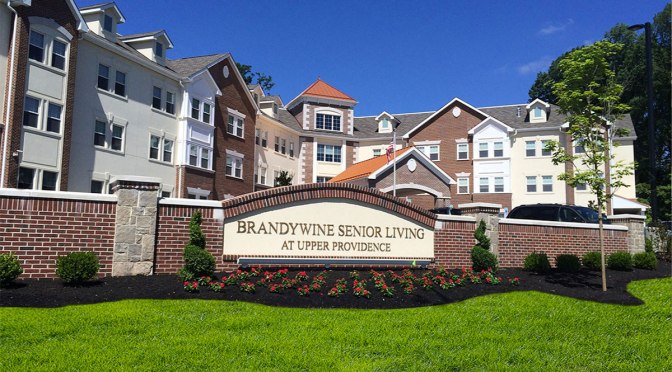
From a Wall Street Journal online article:
 The rise of technologies that help the elderly stay in their homes threatens to upend one of commercial real estate’s biggest bets: Aging baby boomers will leave their residences in droves for senior housing.
Developers and senior-housing companies have spent billions of dollars over the past five years to build facilities that provide housing, food, medical care and assistance for the elderly.
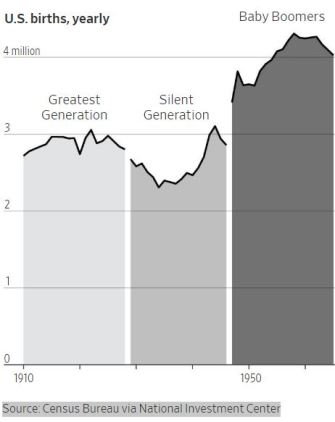
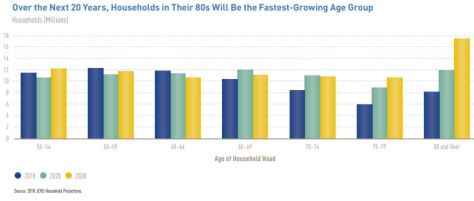
While these properties have been filling up with people born during the Depression or World War II era, real-estate investors are eagerly eyeing the massive baby-boomer generation: 72 million people born between 1946 and 1964, or about one in five Americans. Their needs would require hundreds of thousands of new units, if previous demand patterns persist.
But this wager on elderly care is falling short of expectations, and there are concerns that it could become one of the biggest real-estate miscalculations in recent memory, some analysts suggest.
To read more: https://www.wsj.com/articles/boomers-want-to-stay-home-senior-housing-now-faces-a-budding-glut-11573554601

 Being with people at the end of life is very intense work. You are regularly seeing a part of life that a lot of people don’t see, or see very rarely. How do you feel that affects your relationships generally and your friendship specifically?
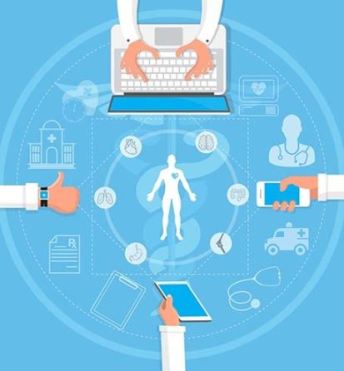 First place prize awarded to MapHabit: This mobile software provides behavior prompts with customizable picture and keyword visual maps to assist memory-impaired people with accomplishing activities of daily living. The care management platform employs different interfaces depending on whether the user is a person with impaired memory, caregiver or long-term care community manager. Caregivers can monitor adherence to medication schedules or track other activities.
 A new
A new 
 At Dr. Soong’s hospital, withholding the results of urine cultures, unless doctors actually called the microbiology lab to request them,
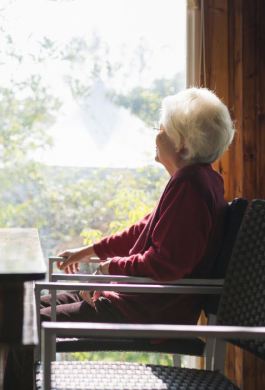 There may be no easy fix for the loneliness epidemic plaguing the nation, but helping people cope with hearing loss could be one key to tackling this complex problem. Hearing loss affects 1 of every 5 people and is strongly linked to loneliness: Every decibel drop in perception in people under 70 increases the odds of becoming severely lonely by 7%,
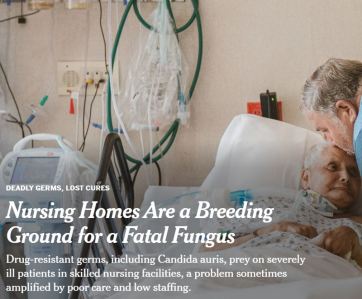 Scientific research on nursing homes and drug resistance is sparse, but some recent studies offer evidence of the problem. A
  Boomers Daily