Tag Archives: Covid-19 Vaccine

Covid-19: ‘The Rise Of The RNA Vaccines’ (Podcast)

Benjamin Thompson, Noah Baker and Elie Dolgin discuss RNA vaccines.

In this episode:

01:16 How RNA vaccines came to prominence

In less than a year, two RNA vaccines against COVID-19 were designed, tested and rolled out across the world. We discuss these vaccines’ pros and cons, how RNA technology lends itself to rapid vaccine development, and what this means for the fight against other diseases.

News feature: How COVID unlocked the power of RNA vaccines

09:20 The hurdles for trialling new COVID-19 vaccines

Multiple candidates for new COVID-19 vaccines are still being developed, which may offer advantages over the vaccines currently available. However, running placebo-controlled trials of these candidates is becoming increasingly difficult, so researchers are looking for different ways to evaluate them.

News: Search for better COVID vaccines confounded by existing rollouts

14:45 How long will COVID vaccines be effective?

There is much concern around the world about two faster-spreading variants of SARS-CoV-2. We get an update on whether these variants could render vaccines ineffective.

News: Could new COVID variants undermine vaccines? Labs scramble to find out
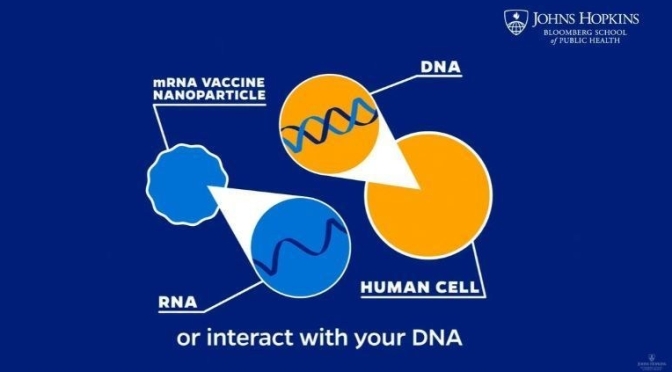
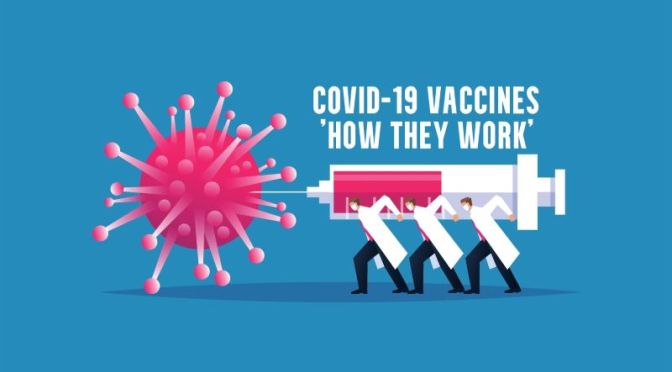
Covid-19: ‘How mRNA Vaccines Work’ (Video)

Messenger RNA—or mRNA—vaccines have been in development for decades, and are now approved for use against COVID-19. Here’s how they work and what you should know about them. Visit https://www.jhsph.edu/covid-19​ for even more resources.

Covid-19: ‘How Israel Will Vaccinate Entire Country By March’ (WSJ Video)

Israel says it’s on track to vaccinate everyone over 16 by the end of March. To understand how the small country has vaccinated more of its population than any other so quickly, WSJ visited clinics that are giving shots to young and middle-aged citizens. Photo: Tamir Elterman for The Wall Street Journal

Covid-19: ‘How Vaccines Work’ (Yale Medicine)

Vaccines are one of the most effective tools we have in preventing and reducing the burden of infectious diseases. In the midst of the COVID-19 pandemic, vaccines are once again poised to change the tide in our favor in the fight against a deadly virus. But how exactly do vaccines work? And are they safe? “You can think of your body’s immune system like an orchestra,” says Yale immunobiologist Akiko Iwasaki, PhD. “The different functions of the immune response are like different instruments. And vaccines work like sheet music for the orchestra, telling the immune system what to do and how to do it.” Different viruses require different types of immune responses in order to confer protection, and some of them can be complex. But with SARS-CoV-2, the virus that causes COVID-19, a simple type of response is all that’s needed to prevent infection. “You just need to trigger an antibody response where the antibodies bind to the surface of the virus and prevent it from entering our cells,” says Ruslan Medzhitov, PhD, professor of immunobiology. “And these types of vaccines tend to be extremely safe.” In addition to the inherent safety of this kind of “training” for the immune system, experts emphasize that the expedited timeline of COVID-19 vaccine development is not a reflection of lax safety standards. “Before a vaccine is approved, it goes through a rigorous amount of testing for safety and efficacy,” says Iwasaki. “So, once a vaccine is made to be publicly available, we should be lining up.” Watch this video to learn more about the fundamentals of how vaccines work, how they are developed, and the importance of vaccination for public health.

Morning News Podcast: Georgia Votes, Vaccines & England’s New Lockdown

People in Georgia will finish voting today. At stake is control of the U.S. Senate. But the runoff elections have been overshadowed by the president’s false claims.

The U.S has administered fewer than 5 million coronavirus vaccines. How can we safely speed up? And U.K. Prime Minister Boris Johnson ordered a new national lockdown for England until at least mid-February.

Global Health: ‘A Look At Challenges In 2021’ (Video)

From the race to roll-out coronavirus vaccinations around the world, to other concerns such as mental health and measles, BBC Health Reporter Smitha Mundasad looks at the health challenges facing the world in the next year.

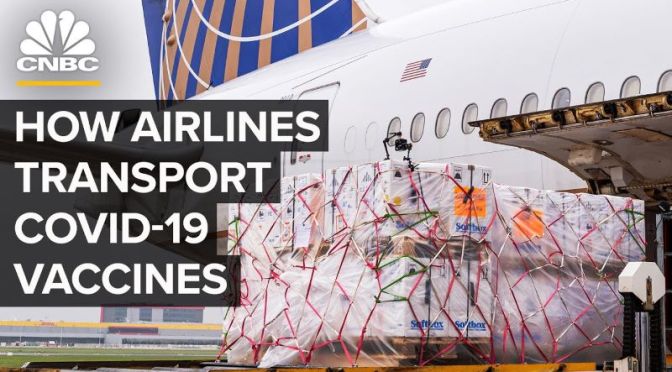
Analysis: ‘How Airlines Are Transporting The Covid-19 Vaccines’ (CNBC Video)

Major U.S. airlines like American Airlines, United and Delta have stepped up to become a crucial part of the vaccine delivery supply chain alongside logistic giants like UPS, FedEx and DHL. Even though it’s only one part of the journey, it’s a critical one. DHL and McKinsey estimate vaccinating the world will require up to 15,000 flights.

Covid-19: ‘Reducing Risk Now & Preparing For The Next Pandemic’ (Podcast)

Virologist Angela Rasmussen talks about her battle against misinformation in the media, the virus, vaccines, disinfecting surfaces, home testing, and the next pandemic.

Eric J. Topol, MD: Hello, I’m Eric Topol for Medscape, and this is Medicine and the Machine. I’m so glad to have my colleague and partner in this podcast, Abraham Verghese, with me from Stanford. Today, we have the rarefied privilege to discuss the whole pandemic story, the virus and vaccines, with one of the country’s leading virologists, Dr Angela Rasmussen. Welcome, Angie.

Angela L. Rasmussen, MA, MPhil, PhD: Thank you so much for having me, Eric. It’s wonderful to be here.

Covid-19 In 2021: End Is In Sight, Challenges Remain

We enter 2021 surrounded by these rays of hope that the end of the pandemic might be in sight. But monumental challenges remain. Vaccine manufacture, distribution, and uptake are substantial pieces of a complex puzzle that must be completed to reach the 75–90 percent vaccination rate that global health experts say is key to stopping the spread. 

And the virus itself is almost sure to change as it infects more people, possibly becoming more transmissible or dangerous. For instance, as I write this in late December 2020, public health officials in the UK are reporting the rapid spread of a new strain of SARS-CoV-2 that seems to be highly infectious.

This is a perfect example of the continued surprises this pandemic may yet throw at us. But virologists, epidemiologists, drug developers, and other scientists will continue to band together to study this virus and share information that can help humanity address this and future issues appropriately. In addition to careful monitoring of the virus as it mutates and spreads, I fully expect there to be regular monitoring of vaccinated individuals, further refinement of vaccine, and continued development of new COVID-19 therapies. And I can promise that The Scientist will continue to track these developments closely and provide up to date and accurate information about the COVID-19 pandemic and other scientific issues in 2021 and beyond.

Read more