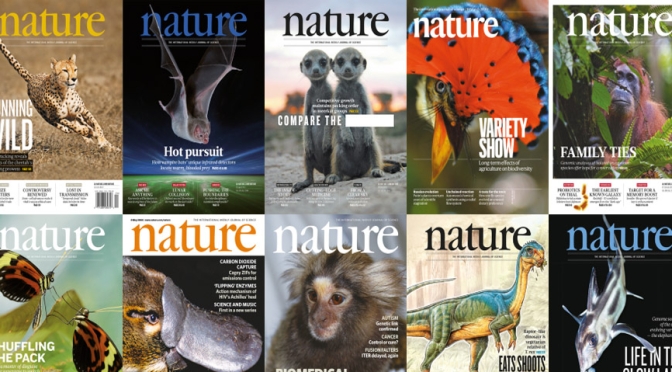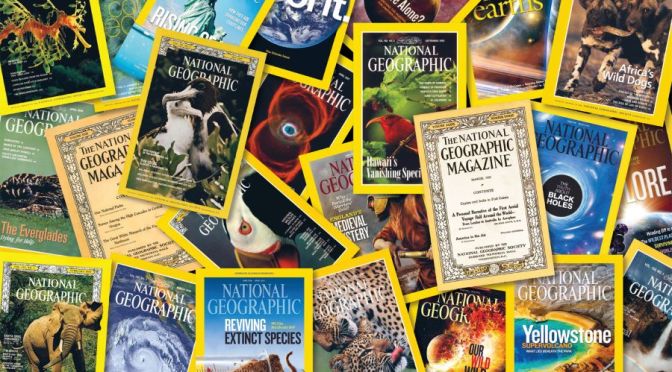
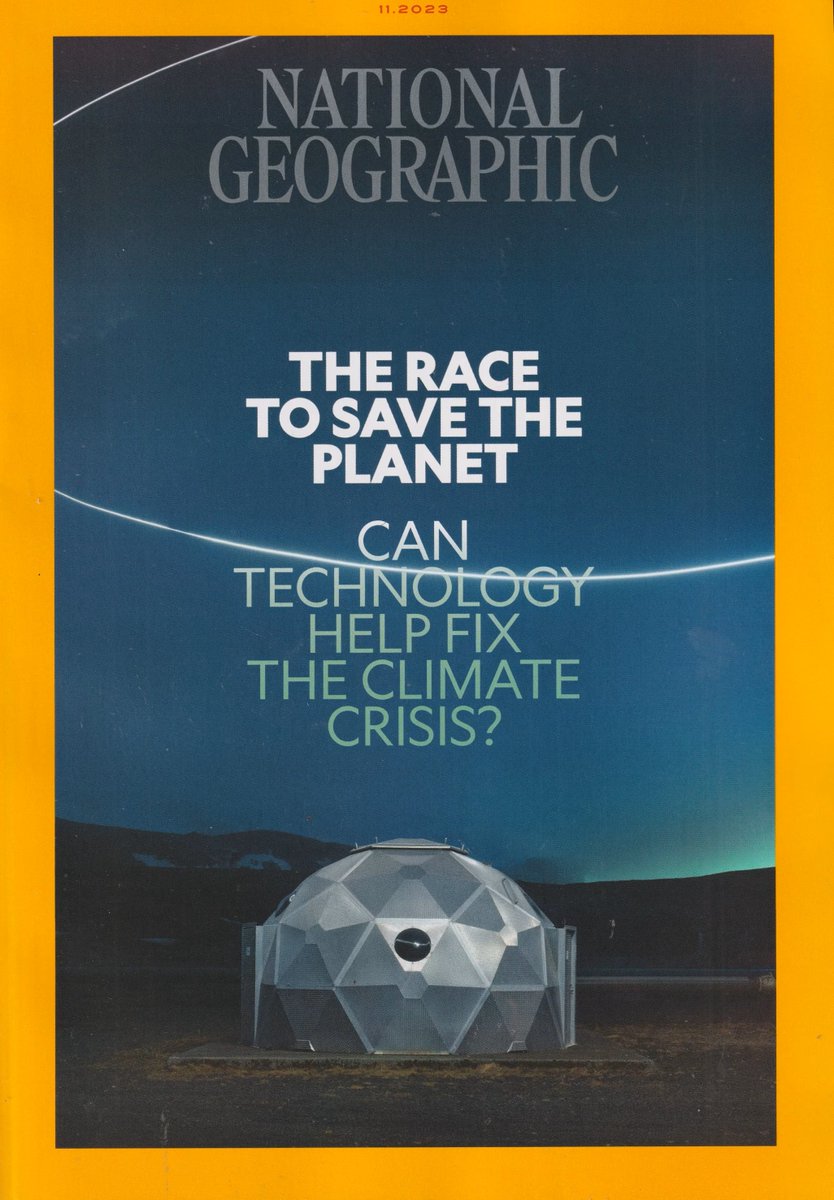
nature Magazine – October 19, 2023: The latest issue features how humans develop in the very early stages when a newly formed embryo is implanted in the wall of the uterus, largely because of the physical and ethical challenges that are presented by studying early human embryos.
The test 30 years ago of what remote sensing could tell us about our own planet shows the value of looking with unbiased eyes at what we think we already know.
A cell census provides information on the source of human brain specialization
The brain is composed of multiple regions associated with distinct functions, which have become further specialized in the human lineage. To define how this specialization is implemented, how it arises during development, and how it has emerged over the course of human evolution, a detailed understanding of the cells that make up the human brain is required.
The ecology of whales in a changing climate
Some whale populations are exhibiting unexpected cycles of boom and bust
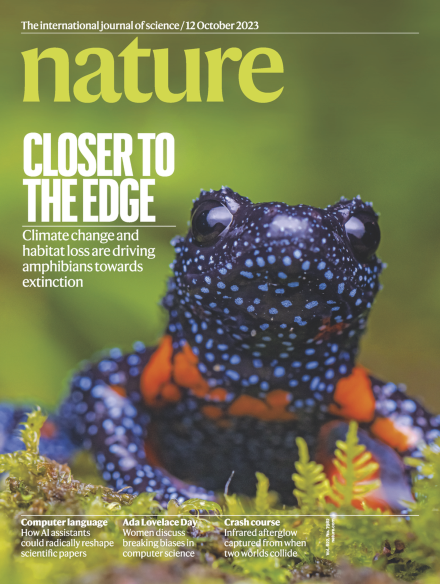
nature Magazine – October 12, 2023: The latest issue features the results of a comprehensive re-evaluation of the conservation status of amphibians since 2004.
Companies say the technology will contribute to faster drug development. Independent verification and clinical trials will determine whether this claim holds up.
nature Magazine – September 21, 2023: In this week’s issue, an estimate of global human exposure to air pollution from landscape fires (dominated by wildfires, but also including planned or controlled open land fires) between 2000 and 2019.
As many countries head into autumn, they are targeting vaccinations at people in high-risk categories, leaving those at lower risk uncertain about what to do.
Climate change, civil war and international sanctions all contributed to the devastation caused by some of Libya’s worst flooding ever, researchers say.
DW Documentary (September 9, 2023) – The race against climate change is in full swing. Can cities be a solution? The UN says that by the year 2050, some 70 per cent of all people will be urban dwellers. But how can cities sustainably accommodate as many people as possible and still offer a good quality of life?
“Urban living must save the planet!” says Xuemei Bai, an Australian professor for sustainability research. But is it really possible to live more sustainably in the city than in the countryside? What about the suburbs? “The suburbs are a climate killer,” says climate economist Gernot Wagner. In the classic suburb – large plots of land with detached or semi-detached properties – CO2 emissions are two to three times as high as in city centers or rural areas. So, why are cities so crucial for the climate?
The answer is simple: Because they are growing exponentially. The UN says that by the year 2050, more than two thirds of the world’s population will be living in cities. Density is one reason cities have so much potential. In a city, measures such as home redevelopments or electric bus routes impact far more people than they would in rural areas.
So, should we all live in megacities to save the Earth? In Europe, many people are turning their backs on urban life in favor of a home in the suburbs or the countryside. So what should the cities of the future look like, if they are to sustainably accommodate as many people as possible while still offering a good quality of life? After all, skyscrapers aren’t necessarily a good choice. Urban planner Dita Leyh compares a city of high-rise buildings with an asparagus field: “They’re like asparagus tips everywhere.
The spaces in between aren’t really useable. That’s not an interesting public space,” she says. So, what should a city look like then? There’s no single blueprint, because every city has its own challenges, as well as different climactic and social conditions. Can cities really save us? #documentary#dwdocumentary
The story of the “Atlantis of the North Sea” is one about our impermanence and ultimate futility against the elements. But within it also lies a warning of our potential future in an age of climate change.
nature Magazine – August 10, 2023 issue: Algorithm designs 3D shapes to follow specific pathways; Why Indigenous youth need a voice in the climate debate; DNA leaks linked to inflammageing in the brains of mice; JWST spots what could be a quasar from the early Universe….
The Scopus, Dimensions and Web of Science databases are introducing conversational AI search.
The conversational AI-powered chatbots that have come to Internet search engines, such as Google’s Bard and Microsoft’s Bing, look increasingly set to change scientific search, too. On 1 August, Dutch publishing giant Elsevier released a ChatGPT-like artificial-intelligence (AI) interface for some users of its Scopus database, and British firm Digital Science announced a closed trial of an AI large language model (LLM) assistant for its Dimensions database. Meanwhile, US firm Clarivate says it’s working on bringing LLMs to its Web of Science database.
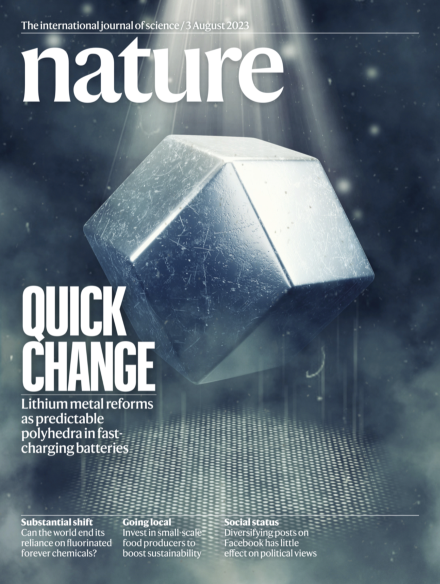
nature Magazine – August 3, 2023 issue: Lithium-metal batteries promise to charge rapidly and to hold more energy than batteries based on lithium ions. Recharging these batteries requires lithium metal to be reformed at the anode, but this process is affected by the battery’s electrolyte and current collector, which causes the shape of the lithium deposits to vary unpredictably, impairing the battery’s performance.
MIT Technology Review – July/August 2023: ‘The Accessibility issue’ features Connecting climate change and the digital divide. A blind educator working to make images accessible to everyone. How the app meant to streamline immigration at the border may be making things worse. Plus regulating robotaxis, Metaverse attorneys, and the forgotten history of highway photologs.
We need to take steps toward a more inclusive future—one that we all can inhabit.
“Technology,” wrote the late historian of technology Melvin Kranzberg Jr., “is neither good nor bad, nor is it neutral.” It’s an observation that often doesn’t stick with people as they think about technologies related to accessibility.
For people who can’t speak, there has been depressingly little innovation in technology that helps them communicate.
A piece of hardware, however impressively designed and engineered, is only as valuable as what a person can do with it. After the iPad’s release, the flood of new, easy-to-use AAC apps that LoStracco, Shevchenko, and their clients wanted never came.
DW Documentary (June 13, 2023) – Can high-tech solutions help protect the climate? What would be the side effects of further human intervention in nature?
Attempts are being made to reduce the CO2 in the atmosphere with technical solutions. For example, new carbon capture technology that can extract CO2 from air and water, even if the amount currently captured is minimal and not enough to prevent the climate crisis and its consequences. Still, there is no shortage of ideas. Adding basalt rock dust to agricultural fields not only binds carbon dioxide but keeps the soil fertile.
Biochar, made from organic waste, has a similar effect. Some ideas are bolder: A protective screen of particles in the upper layers of the atmosphere could filter sunlight, as seen with the eruption of the Pinatubo volcano in the Philippines in 1991. The millions of tons of sulfur dioxide spewed into the stratosphere cooled the earth significantly.
Theoretically, aircraft could be used to deliver the particles. But experts warn that the consequences for humans and the weather would be felt worldwide and could never be fully controlled.