
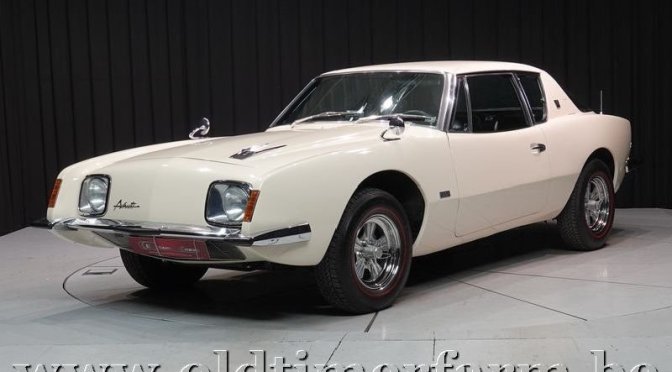
From a Classic Driver magazine online listing:
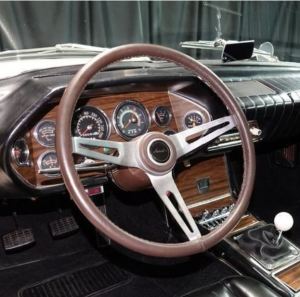 Described as “one of the more significant milestones of the postwar industry”, the car offered combined safety and high-speed performance. Subsequent to Studebaker’s discontinuation of the model, a series of five owner arrangements continued manufacture and marketing of the Avanti model.
The Studebaker Avanti was manufactured and marketed between June 1962 and December 1963. The automaker marketed the Avanti as “America’s only four-passenger high-performance personal car.”
 The Avanti was developed at the direction of Studebaker president, Sherwood Agbert. “The car’s design theme is the result of sketches Egbert “doodled” on a jet-plane flight west from Chicago 37 days after becoming president of Studebaker in February 1961.” Designed by Raymond Loewy’s team, the Avanti featured a radical fiberglass body mounted on a modified studebaker Lark Daytona 109-inch convertible chassis and powered by a modified 289 Hawk engine. APaxton supercharger was offered as an option.
To read and see more: https://www.classicdriver.com/en/car/studebaker/avanti/1964/724178


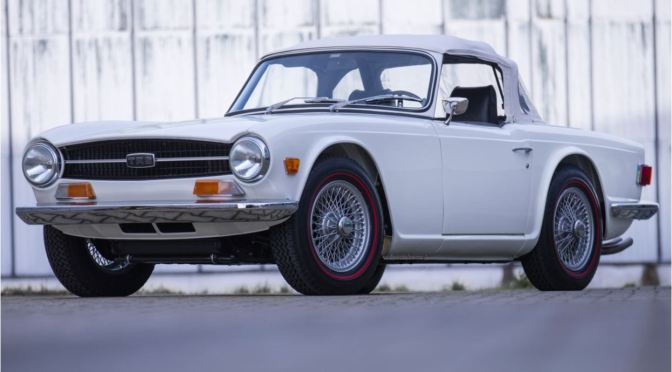


 The Type E Series III had the privilege of launching the new Jaguar V12 engine in 1971. This superb 5.3L engine with two overhead cams, derived from a prototype for the 24 Hours of Le Mans, was powered by four carburettors. and developed 272CV DIN upon its release, it will give up to 700CV in competition versions.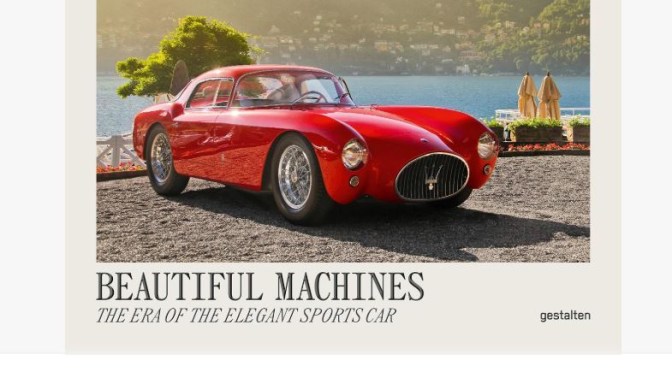
 Start your engines for a grand tour of the most stylish grand motoring automobiles ever created. Evoking an era when elegance, romance, and outright performance defined the automobile and the fascinating stories that made them icons of the road. From the shark-inspired Maserati Ghibli to the fiery Lamborghini Miura, from European elegance with American firepower such as the Iso Grifo and Facel Vega to the groundbreaking designs of the Alfa Romeo Tipo 33 Stradale and Renault Alpine and the advanced technology behind the Jensen FF or Porsche 918 Spyder.

 The result is a testimony to the true meaning of haute couture – this car doesn’t need to impress or be flashy. It’s first and foremost superb craftsmanship, which has been married to extreme refinement. Next time you venture into Paris and notice a dark blue Eden Roc being driven by a young and elegant tattooed man, don’t hesitate to look closer and try to spot Leroy’s intricate tailor-made feathery details.
 Maxime Leroy is anything but your typical classic car collector. He is a visionary creator with a strong personality whose adult life has been devoted to showcasing feathers. He discovered the art of plumasserie at school thanks to two of his professors. At that time, the school was the last school in France dedicated to teaching this dying art. And thanks to Leroy, who now spends two days a week there teaching, it still is.
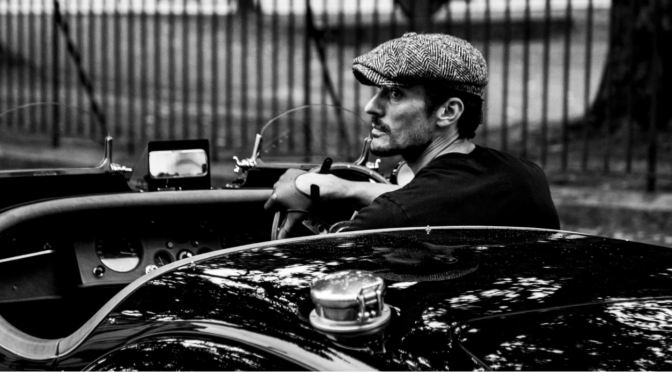
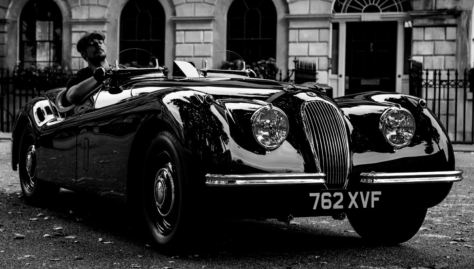
 David Gandy wears many hats. He wears his
  Boomers Daily