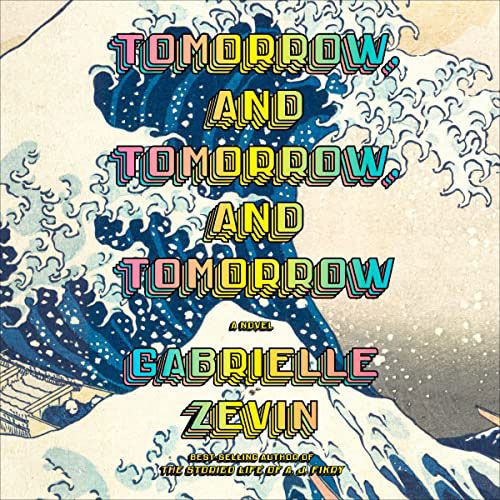
Read by: Jennifer Kim and Julian Cihi Length: 13 hrs, 52 mins. Speed I listened: 1.7x–1.8x
I haven’t savored listening to a book in recent memory quite as much as I did this novel. It’s about two friends — Sadie Green and Sam Masur — who meet as kids in Los Angeles and then reconnect at MIT, where they begin developing experimental video games together. The lead characters (and let’s throw in the supporting ones too) are at times completely relatable, at times bittersweet, and almost always completely heartwarming. The book is mostly read by Kim except for a short fever dream by Cihi. Kim’s delivery might be monotone in places, but I found it steady, deliberate, and clear, so I didn’t have to miss a moment.
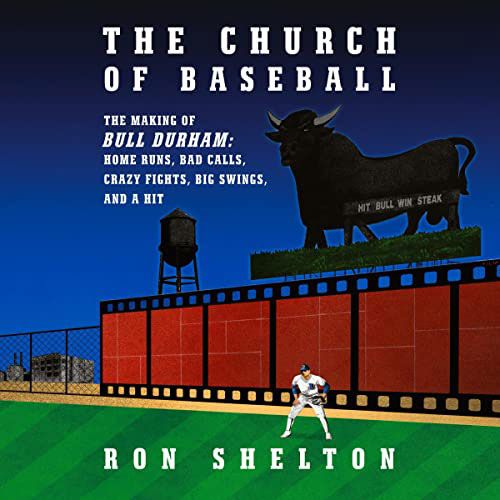
Read by: The author Length: 8 hrs, 12 mins. Speed I listened: 1.75x
Does there have to be a book about the making of 1988’s Bull Durham? Probably not. Did I get a kick out of this trip down memory lane with the movie’s writer-director? I did. It’s rare you get a glimpse into the making of a Hollywood movie in minute detail, and this one’s pretty soup to nuts, down to Shelton hiring the on-set script supervisor. These kind of books always start and end with the idea that everyone in Hollywood is crazy, and it’s good to be reminded of that. To that end, here, Kevin Costner’s agents tried to prevent him from starring as Minor League Baseball star Crash Davis, which turned out to be one of his most iconic roles. Shelton has a knowing but aw-shucks vibe that makes great company even if his performance of dialogue scenes from the original script could use more oomph.
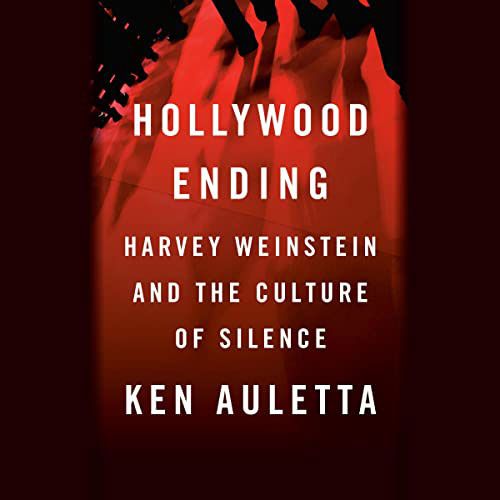
Read by: Jonathan Coleman Length: 19 hrs, 41 mins Speed I listened: 2x
A darker addition to July’s “Hollywood Is Crazy Files” is this gripping account of Harvey Weinstein’s rise to and fall from power. You’re probably familiar with many of the sordid details in this book, and at 20 hours, it isn’t short. Still, I couldn’t turn off this compendium of the disgraced movie producer’s unbelievable behavior, from his rampant spending on hotel rooms to his truly despicable treatment of so many women. Auletta’s reporting is mostly firsthand, and hearing it cumulatively is jaw-dropping. As the narrator, Coleman is deadpan and direct enough to sometimes make you forget you aren’t listening to an actual thriller. Also kudos to the drippingly ironic title.
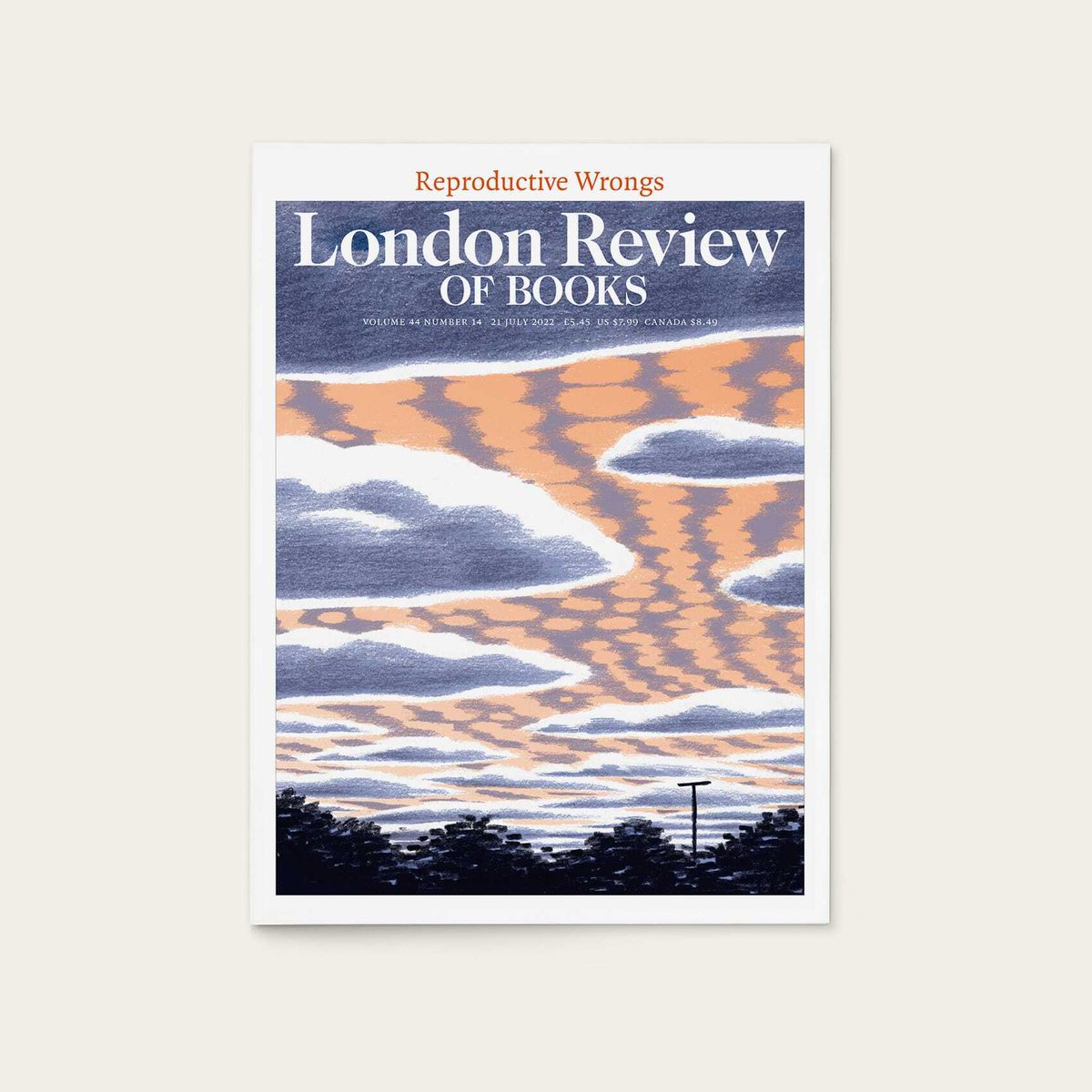
Our new issue is now online, featuring 29 responses to the overturning of Roe v. Wade, Barbara Newman on medieval sanctuary, @moonjets on Shelley, Mimi Jiang on the end of Shanghai’s lockdown and @mmschwartz on the Bataclan verdict. https://lrb.co.uk
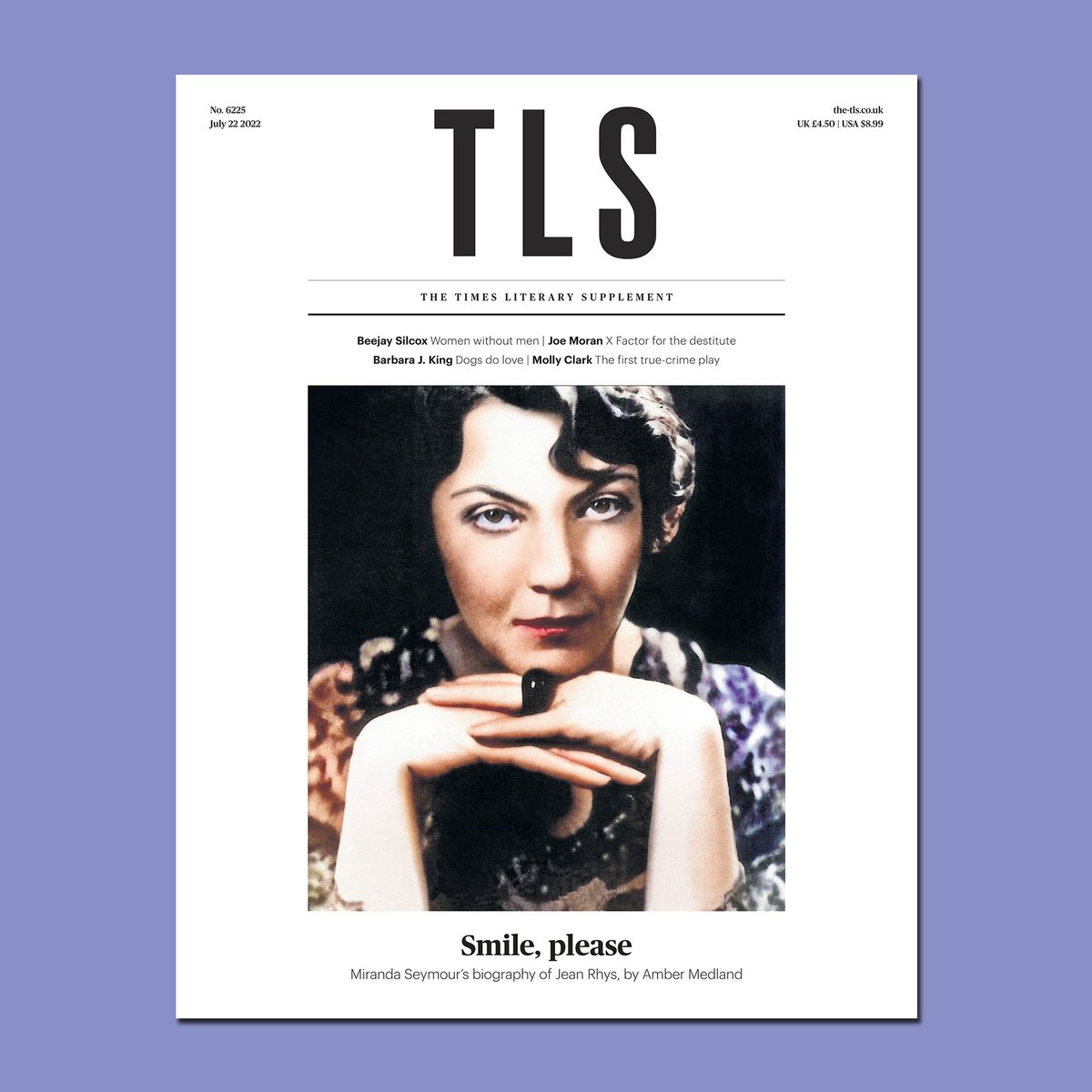
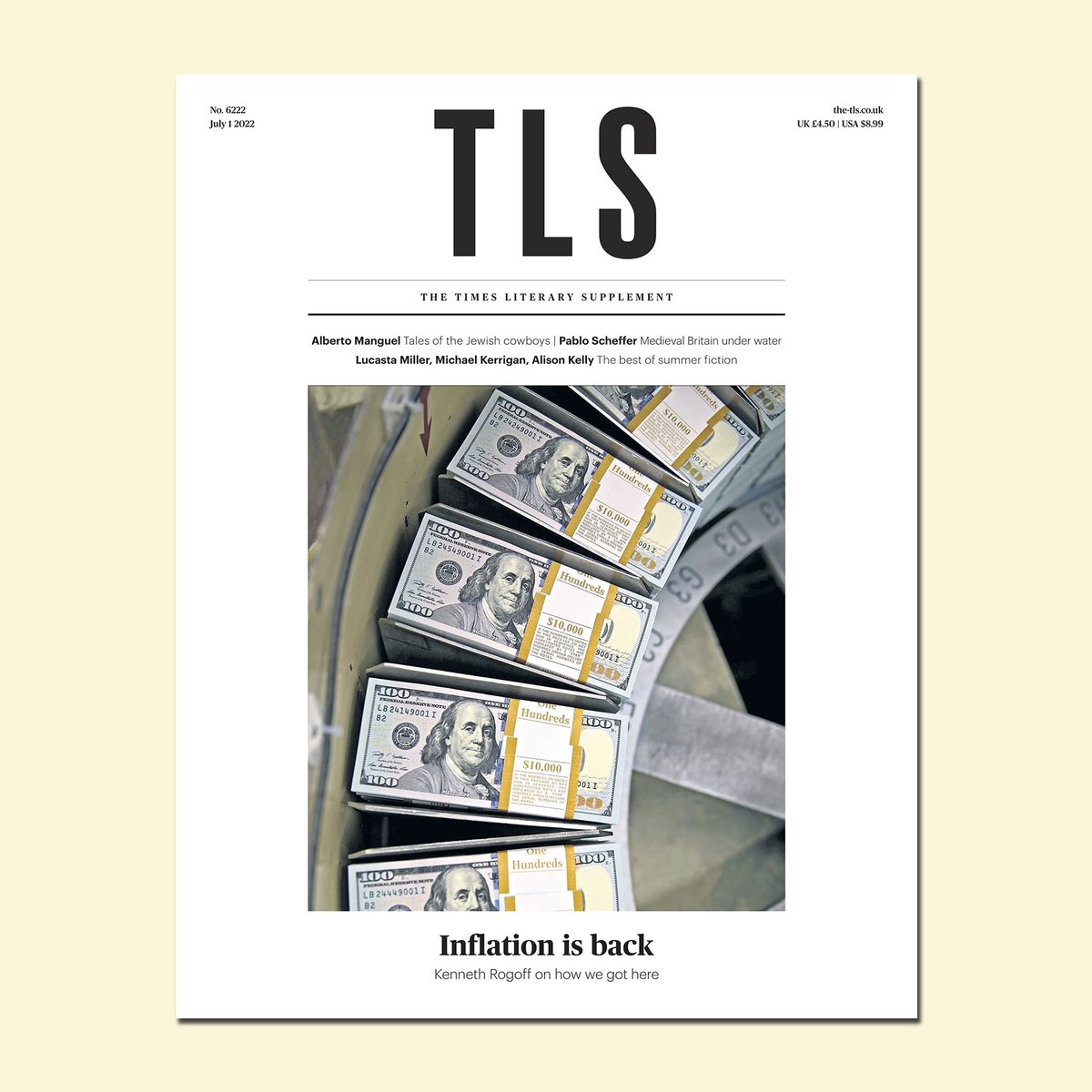
@TheTLS – July 1, 2022. Featuring Kenneth Rogoff on inflation; @KuperSimon on the Tour de France; @natsegnit on the ultrawealthy; Terry Eagleton on Geoff Dyer; @amyhawk_ on Hong Kong; @scheffer_pablo on climate change in medieval literature – and more.
Nearly 50 years ago, the Supreme Court legalized abortion. The decision has since divided the country. Now that the court has overturned Roe v. Wade, here are 10 books that outline the history and the terms of the debate.
This week’s @TheTLS, featuring our annual Summer Books feature; Michele Pridmore-Brown on transhumanism; @zoesqwilliams on the Oxford chumocracy; a newly discovered response to the Wilde trials by George Egerton; Claire Lowdon on the new Ottessa Moshfegh – and more pic.twitter.com/ZrOwuzsqQ2
Times Literary Supplement for June 24, 2022: @TheTLS, featuring our annual Summer Books feature; Michele Pridmore-Brown on transhumanism; @zoesqwilliams on the Oxford chumocracy; a newly discovered response to the Wilde trials by George Egerton; Claire Lowdon on the new Ottessa Moshfegh – and more.
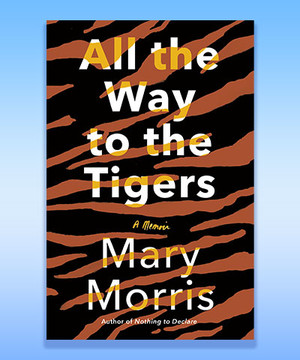
When travel writer and novelist Mary Morris was badly injured in an ice-skating accident, she feared that her life of adventure was over. But a quote from Thomas Mann convinced her otherwise: “He would go on a journey. Not far. Not all the way to the tigers.” Thus began Morris’s three-year-quest — which does take her far, from Brooklyn to the jungles of India — to find a tiger in the wild. Like her much-lauded memoir Nothing to Declare, Morris’s latest book is a thoughtful, spiritual, genre-bending journey.
Soft Skull Press
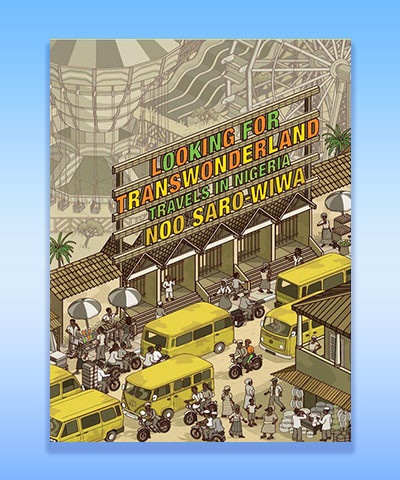
Looking for Transwonderland: Travels in Nigeria
By Noo Saro-Wiwa ’01JRN (2012)
Noo Saro-Wiwa spent her childhood in the United Kingdom, traveling back to her native Nigeria only on summer vacations. But when she was nineteen, her father, a journalist and activist, was killed by Nigerian police. Saro-Wiwa returned to her homeland to reckon with her father’s legacy and try to understand the history of the nation that killed him. Part memoir, part family history, and part travelogue, it’s an intriguing (and surprisingly funny) look at a very complicated country.
Mariner Books
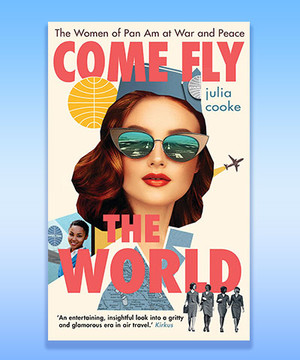
Come Fly the World: The Jet-Age Story of the Women of Pan Am
By Julia Cooke ’13SOA (2021)
There’s nothing glamorous about flying these days, so it’s extra fun to tag along with Julia Cooke back to the 1960s, the golden age of air travel, when working as a Pan Am stewardess was peak cool. Cooke tells five such women’s stories, which run the gamut from the enviable (shopping sprees in Paris and beach holidays in the Philippines) to the unbelievable (evading the KGB in Moscow and smuggling a newsreel out of war-torn Pakistan).
Getty Research Institute
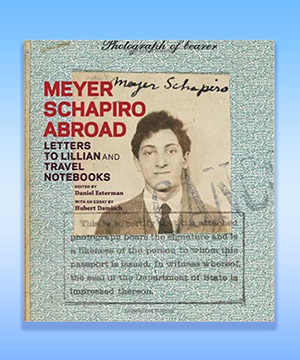
Meyer Schapiro Abroad: Letters to Lillian and Travel Notebooks
By Meyer Schapiro ’24CC, ’35GSAS, edited by Daniel Esterman ’65CC (2009)
Meyer Schapiro is known as one of the twentieth century’s most accomplished art historians. But in 1926 and 1927, he was still a Columbia graduate student, studying abroad in Europe and the Middle East. The letters that he wrote to his then fiancée, Lillian, as well as the notebooks that he kept, are ripe with budding observations on art and politics and represent a fascinating time capsule of intellectual life nearly a century ago.
St. Martin’s Press
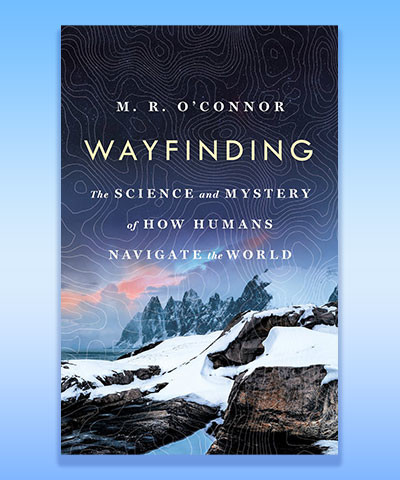
Wayfinding: The Science and Mystery of How Humans Navigate the World
By M. R. O’Connor ’08JRN (2019)
Technology has made wayfinding — “the use and organization of sensory information from the environment to guide us” — almost obsolete. But before GPS, or even written maps, humans purposefully traveled great distances across the earth. Journalist M. R. O’Connor draws on disciplines from neuroscience to anthropology to explore how they did it. Her findings are fascinating, and so is her journey to reach them, which takes her to the Arctic tundra, the Australian outback, and the islands of the South Pacific.
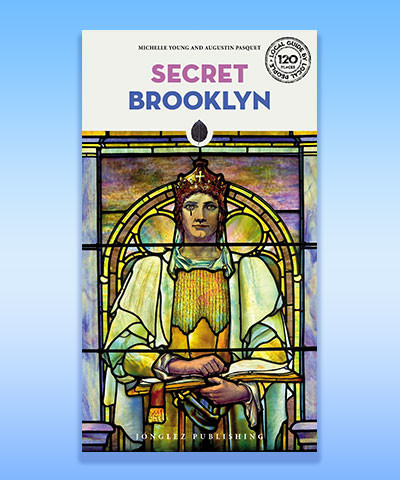
Jonglez Publishing
Secret Brooklyn: An Unusual Guide
By Michelle Young ’12GSAPP and Augustin Pasquet (2019)
Michelle Young, an adjunct professor of architecture at Columbia, is the founder of Untapped New York, a website dedicated to the secret corners and hidden gems of America’s biggest city. So it’s no surprise that her guide to Brooklyn is equally full of treasures — things like the world’s oldest subway tunnel and a museum built into the hallway of a Williamsburg apartment building. It’s an indispensable resource for visitors and residents alike.
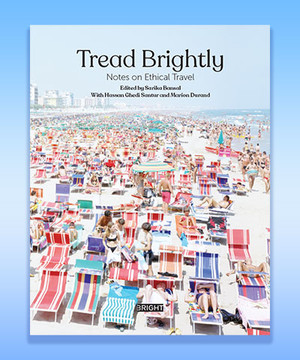
Sarika Bansal
Tread Brightly: Notes on Ethical Travel
Edited by Sarika Bansal ’12SIPA (2021)
Editor Sarika Bansal is a true citizen of the world: she has lived on five continents, speaks four languages, and has traveled extensively. So she’s more than qualified to ask tough questions and offer wisdom about how to travel ethically. The essays and photos in her collection tackle topics like the ecological implications of cruise ships, the ways that study-abroad programs and “orphanage tourism” impact communities, and the role that privilege plays in exploration. It’s a timely wake-up call, with plenty of thoughtful ideas for the future.
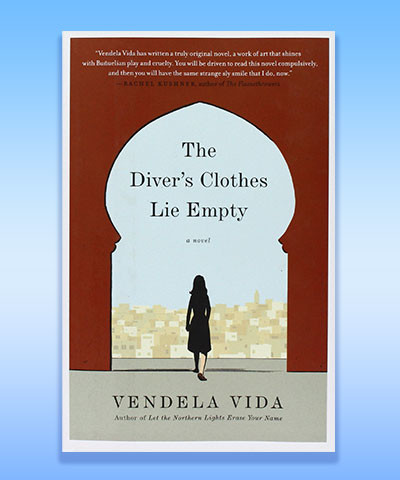
Ecco
The Diver’s Clothes Lie Empty
By Vendela Vida ’96SOA (2015)
One of the most alluring elements of travel is self-reinvention, an idea central to Vendela Vida’s captivating, mind-bending thriller. Upon arriving at her hotel in Casablanca, Vida’s heroine is robbed of her passport and all her belongings. Strangely liberated by the crime that stripped her of her identity, she starts posing as a famous film star, which takes her on a series of mysterious adventures. Vida’s writing is full of fun twists, and any armchair traveler will delight in her portrait of the sunbaked Moroccan city.
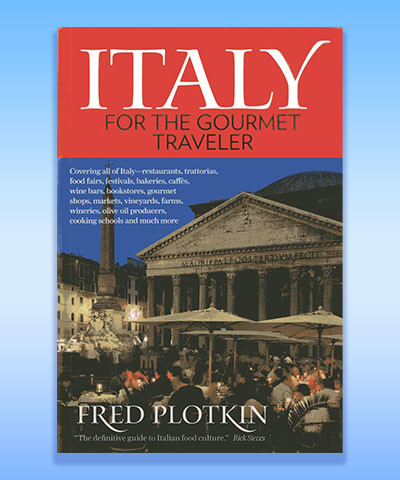
Kyle Books
Italy for the Gourmet Traveler
By Fred Plotkin ’80JRN (2014)
There are plenty of good reasons to travel to Italy, but for most people the food is high on the list. And Fred Plotkin — an expert on Italian opera and cuisine — is the consummate guide. He has tips on the best restaurants, gelato stands, markets, wineries, and olive-oil distilleries, from the bustling centers of Rome and Milan to tiny villages off most tourist-trodden paths. Plotkin is working with travel-guide guru Rick Steves on a new gastronomic guide to Italy, out in 2023. Until then, this fifth edition remains an excellent resource.
Seal Press
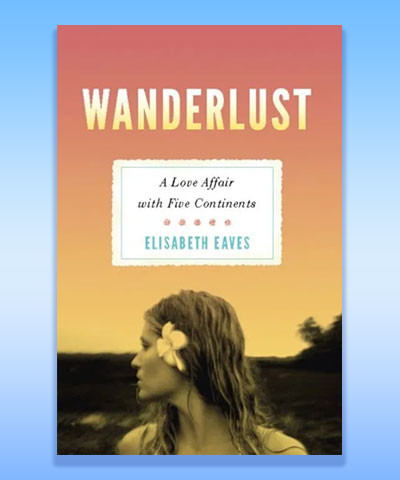
Wanderlust: A Love Affair with Five Continents
By Elisabeth Eaves ’99SIPA (2011)
Elisabeth Eaves lives by the notion that you can “go off into the world and let it carry you along.” Her memoir chronicles fifteen years of truly globe-spanning travel — from the busy streets of Cairo to the jungles of Papua New Guinea. Almost every new place comes with a romance, but Eaves is clearly reluctant to settle down with any of the men she meets. It’s a journey that will speak to anyone who craves the unknown and fears the mundane.
Our new issue is now online, featuring David Trotter on Sylvia Townsend Warner, @debfriedell on Jane Roe, @kitchenbee on our palm oil dependency, Thomas Meaney on Lea Ypi, Jacqueline Rose and Sam Frears watching ‘EastEnders’ and a cover by Naomi Frears:https://t.co/xaTOjYd3Vrpic.twitter.com/Yb7PUJjfdx




 Boomers Daily