
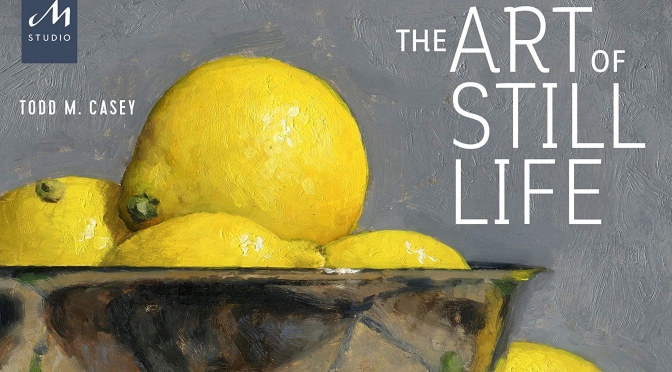
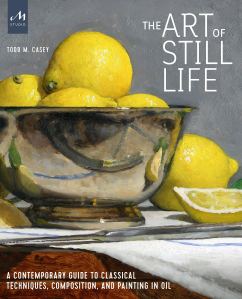
 Every artist needs to learn and master the still life. Written by a well-known artist and expert instructor, The Art of Still Life offers a comprehensive, contemporary approach to the subject that instructs artists on the foundation basics and advanced techniques they need for successful drawing and painting.
In addition to Casey’s stunning paintings, the work of over fifty past and present masters is included, so that the book will do double duty as a hardworking how-to 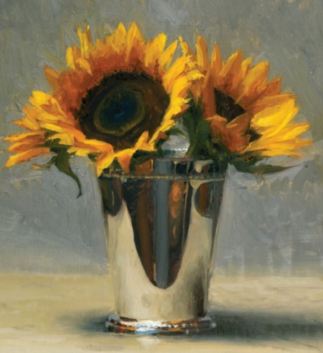 manual and a visual treasure trove of some of the finest still life art throughout history and being created today.
A Massachusetts native, TODD M. CASEY studied at art schools in Boston and San Francisco before embarking on the classical artistic education offered by Jacob Collins’s famed Water Street Atelier in New York City. A modern master of the still life genre, Casey teaches at several institutions, including the Art Students League of New York. He is represented by Rehs Contemporary Galleries, Inc., New York, and his paintings are held in numerous private collections worldwide. He lives with his wife and daughter in New York’s Hudson Valley. Visit his website at toddmcasey.com.
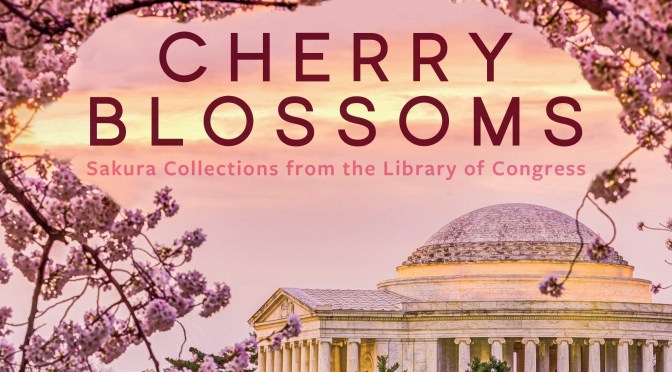
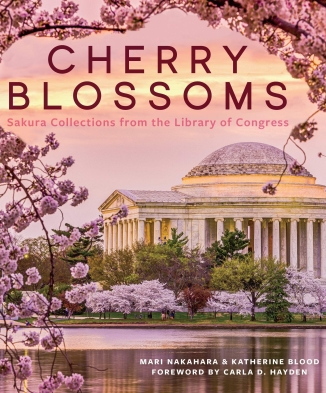 “Cherry Blossoms” reflects on the long tradition of flower viewing in Japanese culture with vivid color woodblock prints by ukiyo-e master artists, photographs, color lithographic posters and Kōkichi Tsunoi’s exquisite watercolor drawings from 1921. The book highlights the rich connections between Japan’s centuries-old traditions and contemporary counterparts. The American public’s affection for the blossoms is revealed in vintage and contemporary photographs of the Tidal Basin, collections related to the National Cherry Blossom Festival and the Cherry Blossom Princess Program, as well as decades’ worth of creatively designed festival posters.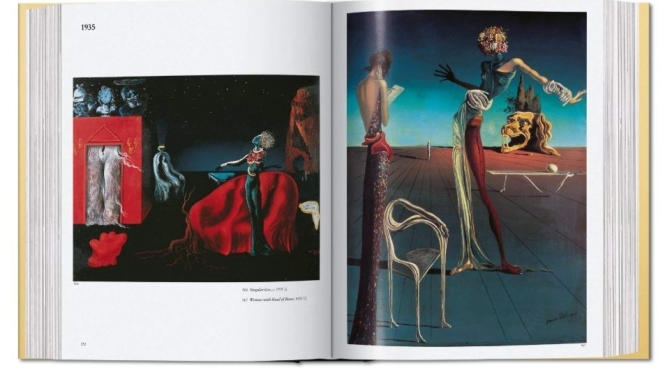
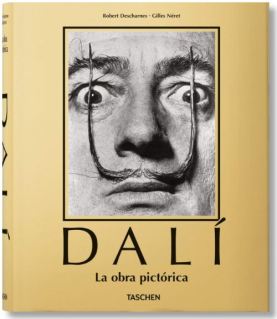 The study is divided into two parts: the first examines Dalí’s beginnings as an unknown artist. We witness how the young Dalí deployed all the isms―Impressionism, Pointillism, Cubism, Fauvism, Purism and Futurism―with playful mastery, and how he would borrow from prevailing trends before ridiculing and abandoning them. The second part unveils the conclusions of Dalí’s lifelong inquiries, as well as the great legacy he left in works such as Tuna Fishing (1966/67) or Hallucinogenic Toreador (1970). It includes previously unpublished homages to Velázquez or Michelangelo, painted to the same end as the variations on past masters done by his contemporary, Picasso.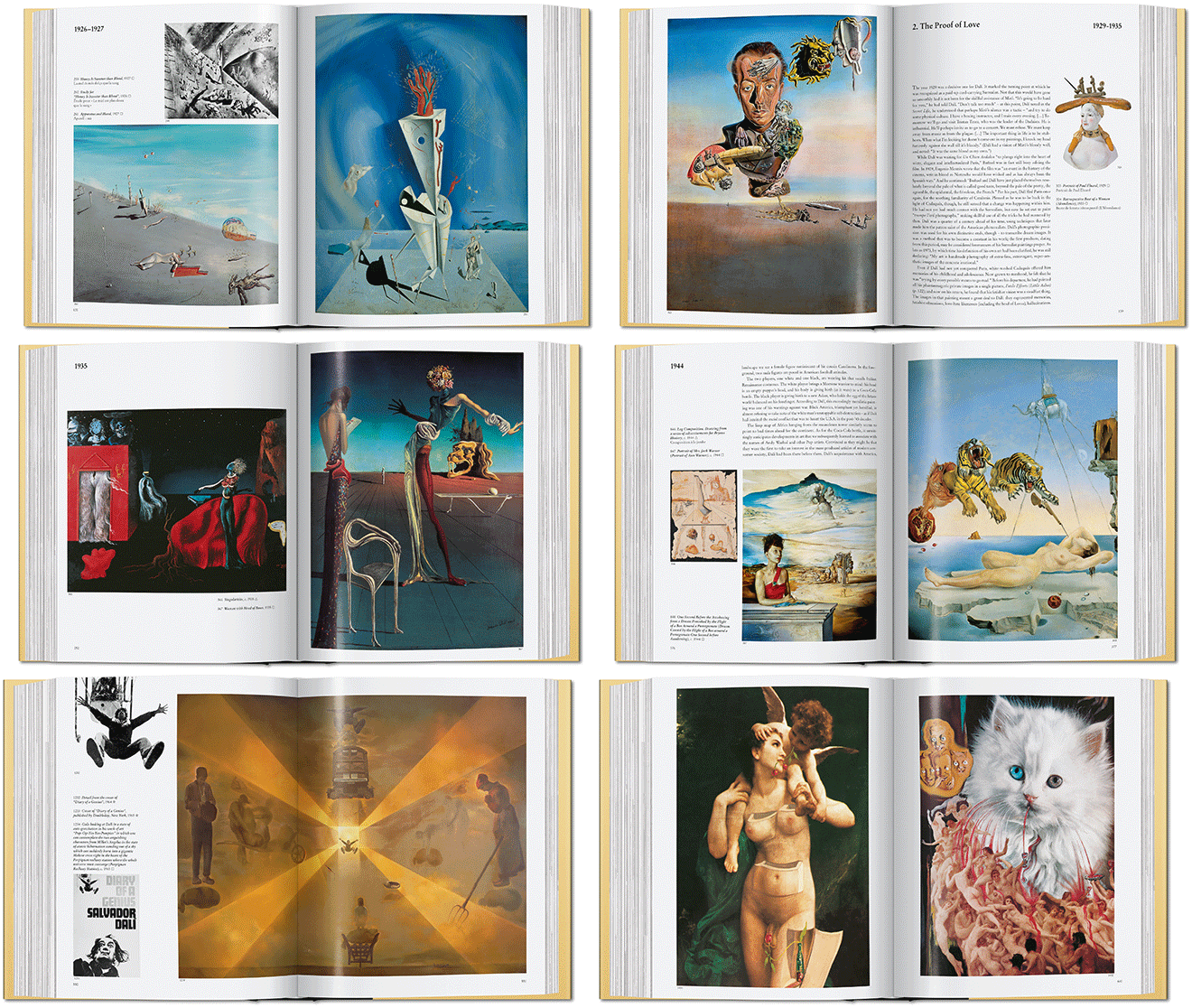
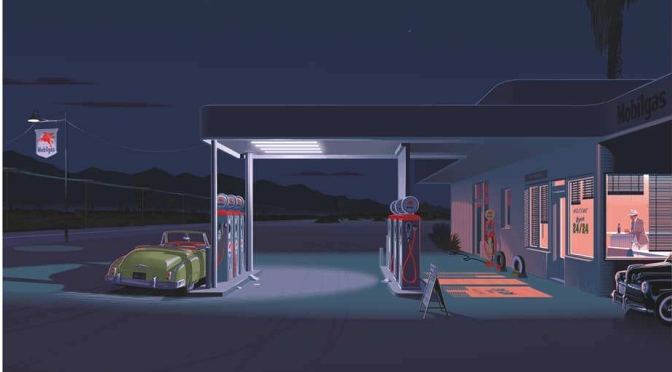
 Laurent Durieux is a famous Belgian illustrator well known to lovers of pop culture and collectors for his reinterpretations of posters of cult films. Each of his American exhibitions was sold out during the opening night and in the presence of thousands of enthusiastic fans.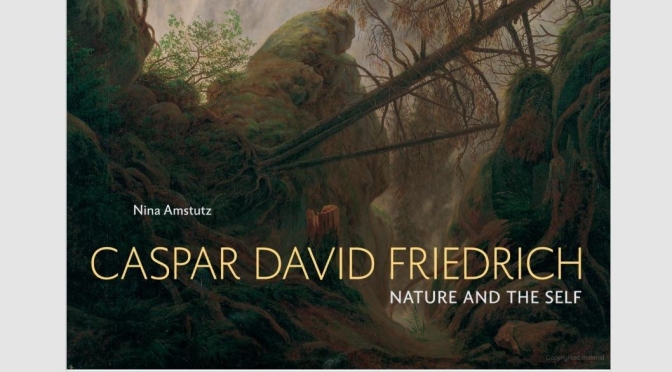
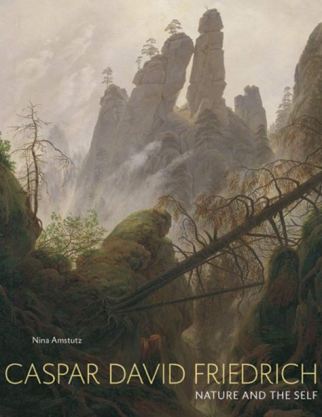 In this revelatory book, Nina Amstutz combines fresh visual analysis with broad interdisciplinary research to investigate the intersection of landscape painting, self-exploration, and the life sciences in Friedrich’s mature work. Drawing connections between the artist’s anthropomorphic landscape forms and contemporary discussions of biology, anatomy, morphology, death, and decomposition, Amstutz brings Friedrich’s work into the larger discourse surrounding art, nature, and life in the 19th century.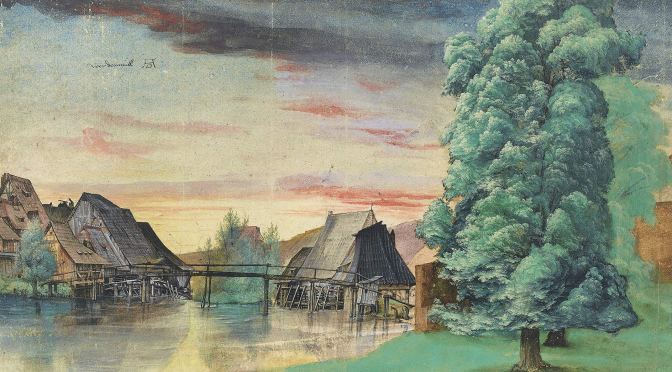
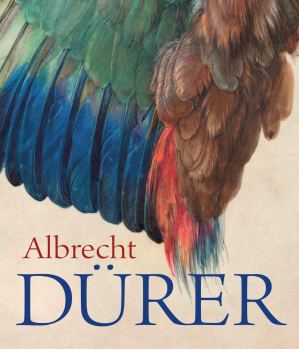 This book showcases more than 100 of Dürer’s drawings including Hare, Self Portrait at the Age of 13, and Melencolia I, along with paintings and prints. Featuring scholarly essays and beautifully reproduced works, this book shows the reader not only how important Dürer’s drawings are to his own oeuvre, but also how he helped drawing become an appreciated medium in its own right.
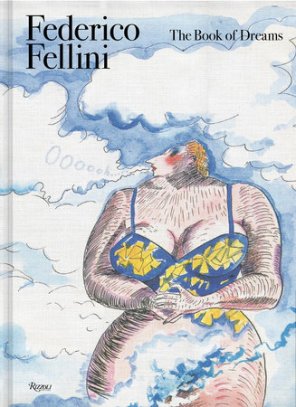 The volume will be released to coincide with the centenary of Federico Fellini’s birth (January 2020), which will be celebrated in Italy with a traveling exhibition on the director that will start its journey from Milan in December 2019.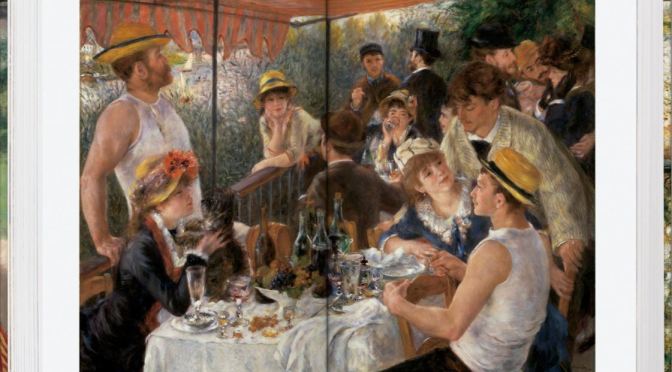
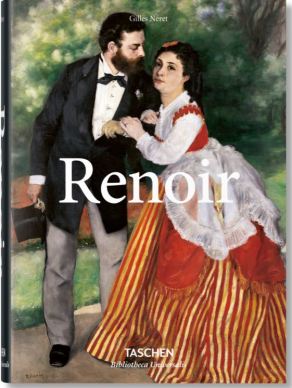 In an incisive text tracing the artist’s career and stylistic evolution, Gilles Néret shows how Renoir reinvented the painted female form, with his everyday goddesses and their plump forms, rounded hips and breasts. Renoir’s later phase, marked by his return to the simple pleasure of the female nude in his baigneuses series, was his most innovative and stylistically influential, and would inspire such masters as Matisse and Picasso.
 happiness, love, and beauty. Derived from our large-format volume, the most comprehensive retrospective of his work published to date, this compact edition examines the personal history and motivation behind the legend. Though he began by painting landscapes in the Impressionist style, Renoir found his true affinity in portraits, after which he abandoned the Impressionists altogether. Though often misunderstood, Renoir remains one of history’s most well-loved painters—undoubtedly because his works exude such warmth, tenderness, and good spirit.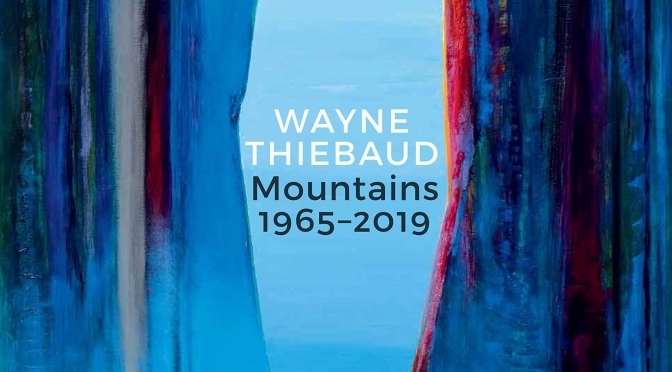
 In the 2000s, California-based painter Wayne Thiebaud began focusing on a series of mountain paintings, a subject he had first addressed in the 1960s and 1970s. Rendered in his signature confectionary palette, these colorful works combine memories of mountains he had seen in childhood and observations of the summits of the Sierra Nevada Range in Yosemite. With their heroic, exaggerated proportions and unusual perspectives, these paintings seem to combine fiction and reality. Conveying a sense of the sublime and the vast magnitude of our surroundings, they draw upon the history of landscape painting of the American West.

 Boomers Daily