


Category Archives: Views

Art: ‘Hokusai. Thirty-Six Views Of Mount Fuji’
Mount Fuji has long been a centerpiece of Japanese cultural imagination, and nothing captures this with more virtuosity than the landmark woodblock print series Thirty-six Views of Mount Fuji by Katsushika Hokusai (1760–1849).

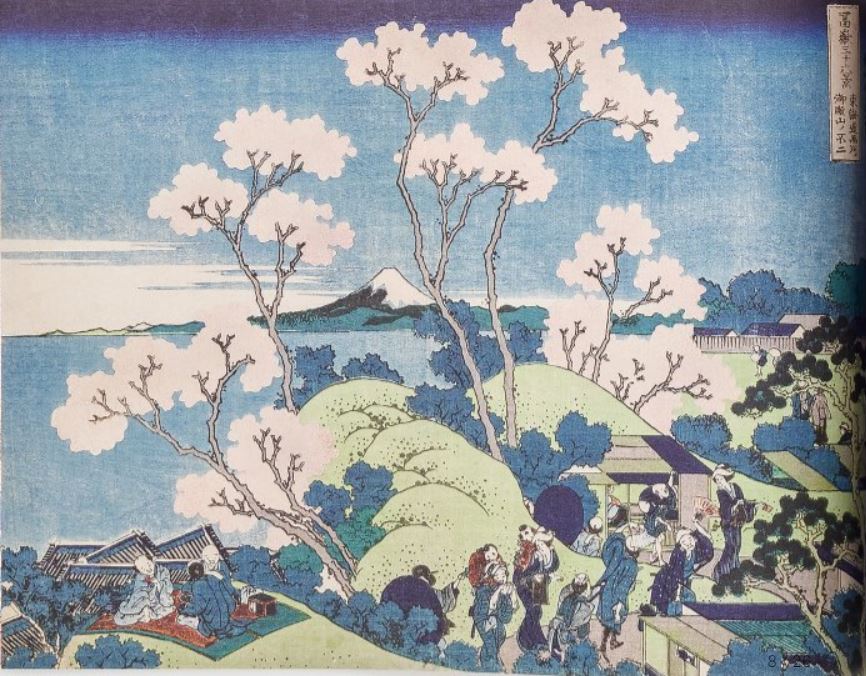
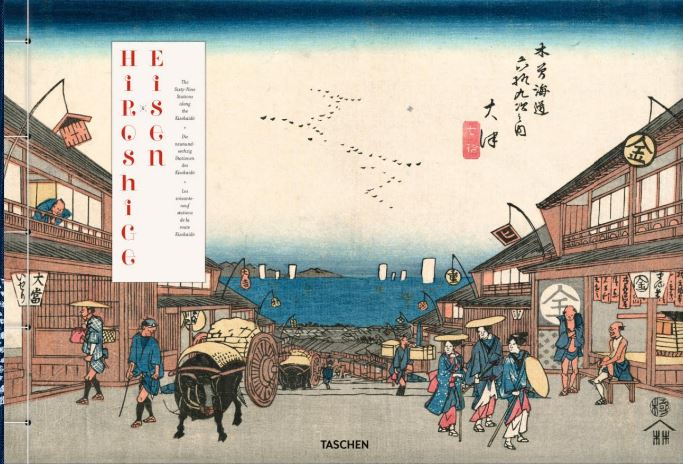


The renowned printmaker documents 19th-century Japan with exceptional artistry and adoration, celebrating its countryside, cities, people, and serene natural beauty. Produced at the peak of Hokusai’s artistic ambition, the series is a quintessential work of ukiyo-e that earned the artist world-wide recognition as a leading master of his craft.
The prints illustrate Hokusai’s own obsession with Mount Fuji as well as the flourishing domestic tourism of the late Edo period. Just as the mountain was a cherished view for travelers heading to the capital Edo (now Tokyo) along the Tōkaidō road, Mount Fuji is the infallible backdrop to each of the series’ unique scenes. Hokusai captures the distinctive landscape and provincial charm of each setting with a vivid palette and exquisite detail. Including the iconic Under the Great Wave off Kanagawa (also The Great Wave), this widely celebrated series is a treasure of international art history.

Views: Tufts ‘Health & Nutrition Letter’ (Aug ’21)


Bike Tours: Janiculum Hill In Rome, Italy (4K Video)
The Janiculum, occasionally the Janiculan Hill, is a hill in western Rome, Italy. Although it is the second-tallest hill in the contemporary city of Rome, the Janiculum does not figure among the proverbial Seven Hills of Rome, being west of the Tiber and outside the boundaries of the ancient city.

Views: Olympic Athletes Movements In 3-D (Video)
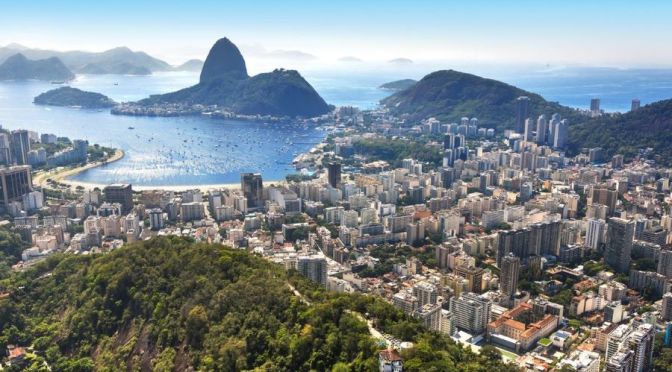
Aerial City Views: Rio de Janeiro, Brazil (4K Video)
Rio de Janeiro is a huge seaside city in Brazil, famed for its Copacabana and Ipanema beaches, 38m Christ the Redeemer statue atop Mount Corcovado and for Sugarloaf Mountain, a granite peak with cable cars to its summit. The city is also known for its sprawling favelas (shanty towns). Its raucous Carnaval festival, featuring parade floats, flamboyant costumes and samba dancers, is considered the world’s largest.
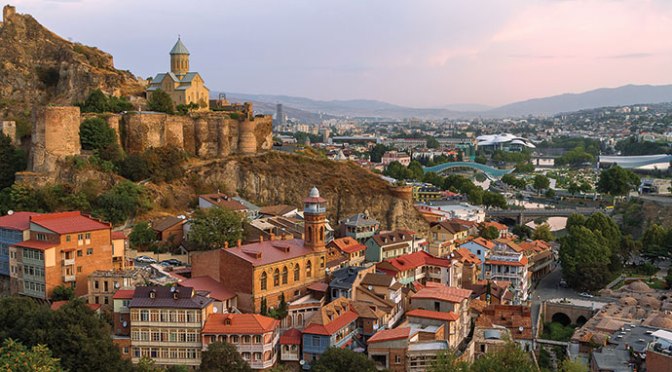
Aerial Views: The Country Of Georgia (4K Video)
Georgia, a country at the intersection of Europe and Asia, is a former Soviet republic that’s home to Caucasus Mountain villages and Black Sea beaches. It’s famous for Vardzia, a sprawling cave monastery dating to the 12th century, and the ancient wine-growing region Kakheti. The capital, Tbilisi, is known for the diverse architecture and mazelike, cobblestone streets of its old town.
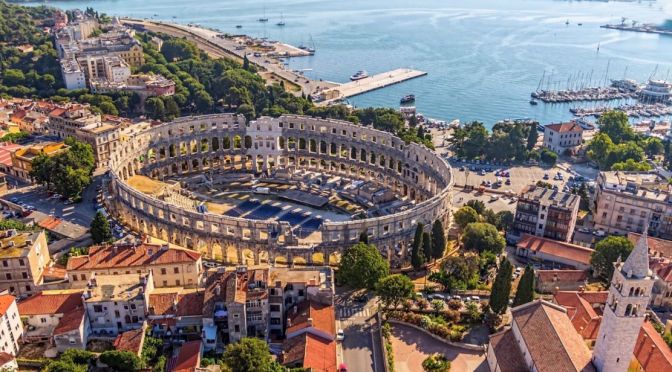
Walks: Pula – Istrian Peninsula, Croatia (4K)
Pula, a seafront city on the tip of Croatia’s Istrian Peninsula, is known for its protected harbor, beach-lined coast and Roman ruins. Settled in the prehistoric era and valued for its strategic location, Pula has been occupied, destroyed and rebuilt numerous times. The Romans, Ostrogoths and Venetians, as well as the Allied Forces in World War II, have each administered the city.

Books: ‘The Tiny Bee That Hovers At The Center Of The World’ – David Searcy
An ethereal meditation on longing, loss, and time, sweeping from the highways of Texas to the canals of Mars–by the acclaimed essayist and author of Shame and Wonder
David Searcy’s writing is enchanting and peculiar, obsessed with plumbing the mysteries and wonders of our everyday world, the beauty and cruelty of time, and nothing less than what he calls “the whole idea of meaning.” In The Tiny Bee That Hovers at the Center of the World, he leads the reader across the landscapes of his extraordinary mind, moving from the decaying architectural wonder that is the town of Arcosanti, Arizona, to driving the vast, open Texas highway in his much-abused college VW Beetle, to the mysterious, canal-riddled Martian landscape that famed astronomer Percival Lowell first set eyes on, via his telescope, in 1894. Searcy does not come at his ideas directly, but rather digresses and meditates and analyzes until some essential truth has been illuminated–and it is in that journey that the beauty is found.

 Boomers Daily