Category Archives: Science

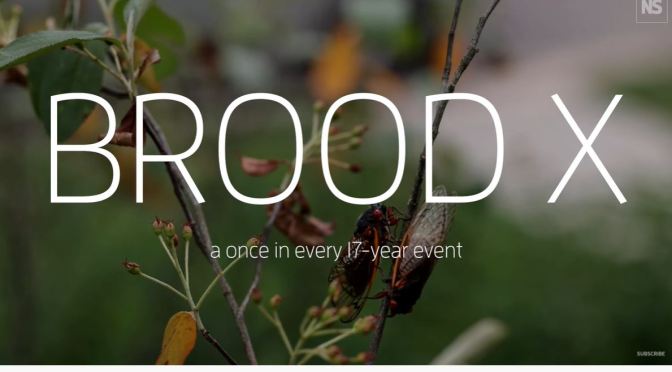
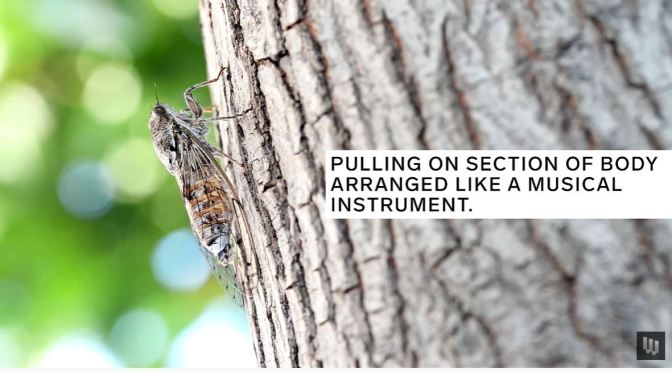
Science: ‘Brood X’ Cicadas Emerge After 17 Years

Trillions of cicadas are starting to emerge in 15 US states after 17 years underground. Gene Kritsky has been studying them for decades and has created a citizen science app, Cicada Safari, to help track the brood.

More than 3000 cicada species have been described worldwide. Most have a yearly life cycle, but seven species in the US belonging to the Magicicada genus remain underground as nymphs for 13 or 17 years before emerging, a process called periodical brooding. The only other two species of cicada to do this are found in Fiji and India. Read more at https://www.newscientist.com/article/…

Post Covid-19: How Our Brains Will Weigh Risks

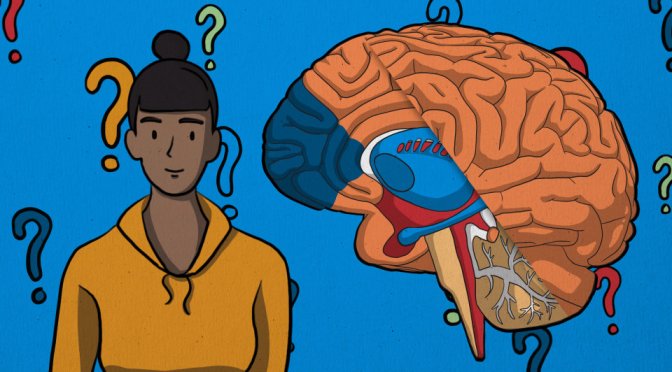
Indoor dining, workout classes, concerts. These once commonplace events are coming back into daily life. But because of Covid-19, everyone now has a different level of comfort. What happens in the brain as we decide what’s risky or not? Photo illustration: Laura Kammermann

Climate Change: A Fleet Of Saildrones Patrol Oceans

A fleet of unmanned surface vehicles equipped with AI and a suite of scientific sensors are currently mapping the ocean floor, counting fish populations and monitoring ocean and weather conditions all over the planet in the fight against climate change. CNET’s Stephen Beacham spoke with Saildrone Inc. Vice President of Ocean Mapping Brian Connon to learn more about Saildrone’s mission. Read the CNET Article: Autonomous Saildrones are the newest weapon in fighting climate change https://cnet.co/2RwaJaq

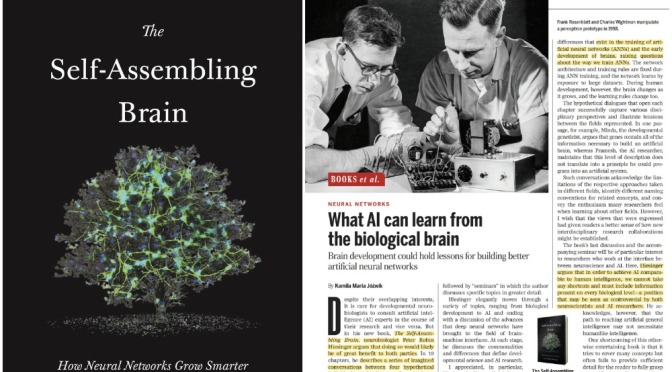
Book Reviews: ‘The Self-Assembling Brain’ – The Future Benefits For AI

As Peter Robin Hiesinger argues, “the information problem” underlies both fields, motivating the questions driving forward the frontiers of research. How does genetic information unfold during the years-long process of human brain development―and is there a quicker path to creating human-level artificial intelligence? Is the biological brain just messy hardware, which scientists can improve upon by running learning algorithms on computers? Can AI bypass the evolutionary programming of “grown” networks? Through a series of fictional discussions between researchers across disciplines, complemented by in-depth seminars, Hiesinger explores these tightly linked questions, highlighting the challenges facing scientists, their different disciplinary perspectives and approaches, as well as the common ground shared by those interested in the development of biological brains and AI systems. In the end, Hiesinger contends that the information content of biological and artificial neural networks must unfold in an algorithmic process requiring time and energy. There is no genome and no blueprint that depicts the final product. The self-assembling brain knows no shortcuts.

Read book review here

Research: Importance Of Exercise & Movement For Brain Function & Health

But the connection between movement and the brain goes deeper than you might think. A revolutionary new understanding of the mind-body connection is revealing how our thoughts and emotions don’t just happen inside our heads, and that the way we move has a profound influence on how our minds operate. This opens up the possibility of using our bodies as tools to change the way we think and feel.

Evidence is starting to stack up that this is indeed the case, and it isn’t all about doing more exercise. In my new book, Move! The new science of body over mind, I explore emerging research in evolutionary biology, physiology, neuroscience and cell biology to find out which body movements affect the mind and why.

Whatever it is that you want from your mind – more creativity, improved resilience or higher self-esteem – the evidence shows that there is a way of moving the body that can help. Here is my pick of the best ways to use your body to achieve a healthier, better-functioning mind.

Read more

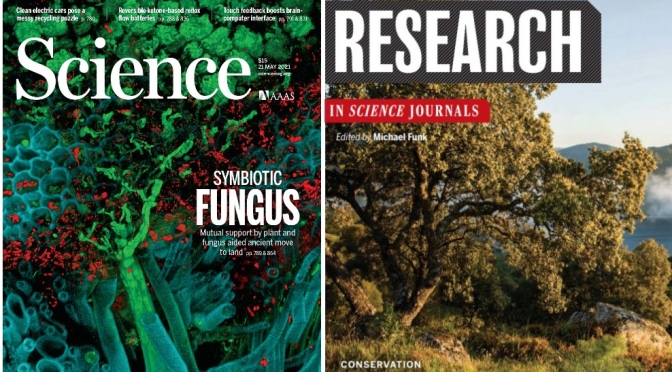
Science Podcast: Snow-Covered ‘Zombie Fires’, Flashy Plant Research

Smouldering fires lay dormant before bursting back into flame in spring.

In this episode:


00:56 The mysterious overwintering forest fires

Researchers have shown that fires can smoulder under snow in frozen northern forests before flaring up the following spring. Understanding how these so-called ‘zombie’ fires start and spread is vital in the fight against climate change.

Research Article: Scholten et al.

07:39 Research Highlights

Aesthetic bias means pretty plants receive the most research attention, and ancient tooth gunk reveals the evolution of the mouth microbiome.

Research Highlight: Flashy plants draw outsize share of scientists’ attention

Research Highlight: Microbes in Neanderthals’ mouths reveal their carb-laden diet

10:04 Briefing Chat

We discuss some highlights from the Nature Briefing. This time, Voyager 1 detects a faint interstellar ‘hum’, and a trove of Neanderthal bones found in an Italian cave.

Reuters: Faraway NASA probe detects the eerie hum of interstellar space

The Guardian: Remains of nine Neanderthals found in cave south of Rome

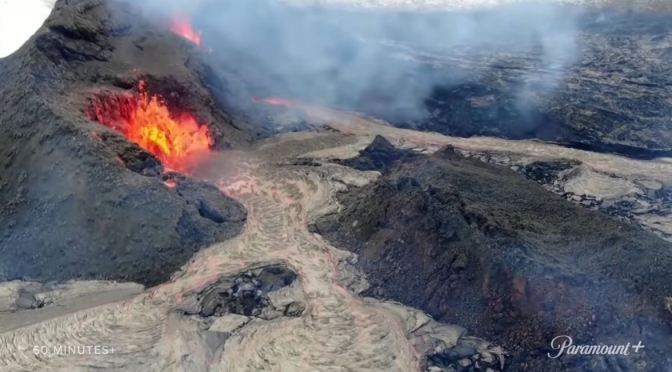
Video: Hawaii’s surprise volcanic eruption: Lessons from Kilauea 2018