Category Archives: Science

Science: Avoiding Sudden Food Scarcity, Lattice Strength, Time Neurons

Addressing the problem of sudden food scarcity in US cities, and the up-and-coming field of computational social science.

In this episode:

00:45 Food shocks

Climate change, the COVID-19 pandemic, and geopolitical crises can cause food shortages. To tackle this issue, Alfonso Mejia and colleagues have modelled how to best mitigate these food shocks in US cities. Alfonso tells us about the new analyses and what steps cities could take in the future.

Research Article: Gomez et al.

News and Views: How to buffer against an urban food shortage

06:07 Research Highlights

A tiny lattice can withstand the impacts of projectiles at twice the speed of sound, and the neurons that allow humans to perceive time.

Research Highlight: Supersonic strikes leave just a dent in this super-light material

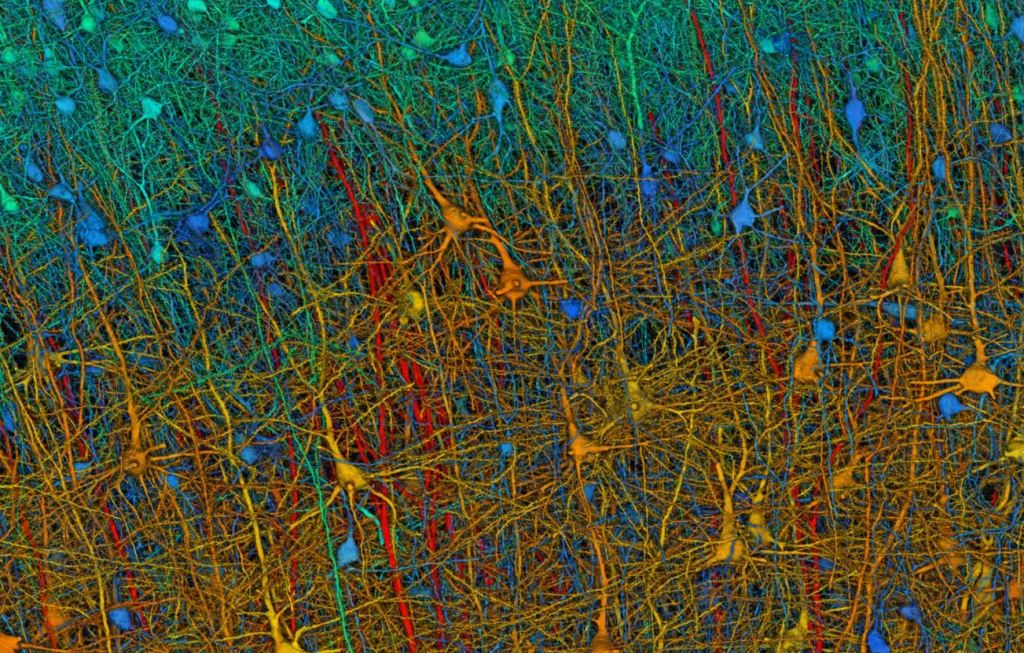
Research Highlight: The ‘time neurons’ that help the brain keep track

08:25 Computational Social Science

Big data is transforming research, and social science is no exception. This week, Nature is running a special issue on ‘computational social science’. We catch up with some of the editors involved to find out more about this up-and-coming field.

Collections: Computational Social Science

19:27 Briefing Chat

We discuss some highlights from the Nature Briefing. This time, discovering the dazzling diversity of viruses, and how China eradicated malaria.

Nature News Feature: Beyond coronavirus: the virus discoveries transforming biology

Science: It’s official: China has eliminated malaria

Health: Understanding Chronic Pain (Podcast)

Chronic pain affects about 40% of the UK population. While there is growing recognition that pain can be an illness in and of itself, there is still a lot we don’t know. 

Anand Jagatia hears from fibromyalgia sufferer Vicky Naylor on what it’s like to live with chronic pain, and the Guardian’s science correspondent Linda Geddes about the causes for these sometimes debilitating conditions. 

Science Podcast: Plastic Artifact Preservation & Extreme Pressure Gauges

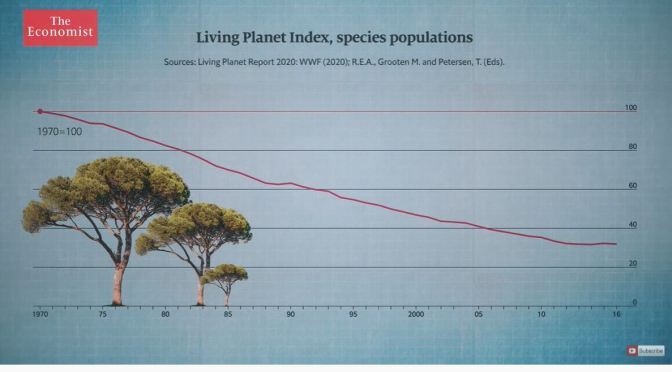
Ecosystems: How To Stop Mass Extinction Of Species

The world’s animals and wildlife are becoming extinct at a greater rate than at any time in human history. Could technology help to save threatened species? Read our latest technology quarterly on protecting biodiversity: https://econ.st/3dqdkKN

Covid-19: mRNA Vaccines Do Not Change Your DNA

With so many myths about COVID-19 vaccines regarding their impact on our health, many people don’t know what to believe. In our fact check, find out what you need to know about the mRNA vaccines — as we expose the myths and reveal the facts.

Science Podcast: Botox & Depression, Fruit Fly Sex Drive And New Books

First this week, Contributing Correspondent Cathleen O’Grady talks with host Sarah Crespi about controversy surrounding the use of Botox injections to alleviate depression by suppressing frowning. 

Next, researcher Stephen Zhang, a postdoctoral fellow at the Beth Israel Deaconess Medical Center, discusses his Science Advances paper on what turns on the fruit fly sex drive. Finally, we are excited to kick off a six-part series of monthly interviews with authors of books that highlight the many intersections between race and science and scientists. This week, guest host and journalist Angela Saini talks with Keith Wailoo, professor of history and public affairs at Princeton University, who helped select the topics about the books we will be covering and how they were selected.