Category Archives: Science
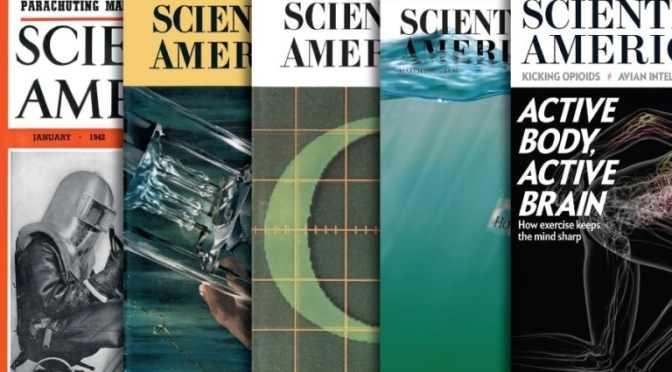
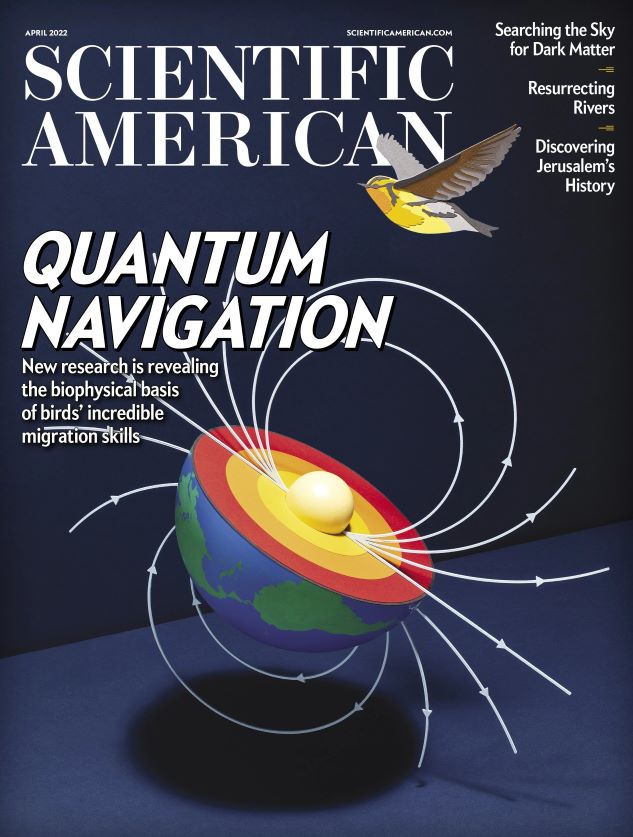
Cover Preview: Scientific American – April 2022
Science: Scanning Sewage For Covid-19, Pandemic Questions, Future Threats
First up, Contributing Correspondent Gretchen Vogel joins host Sarah Crespi to discuss what scientists have learned from scanning sewage for COVID-19 RNA. And now that so many wastewater monitoring stations are in place—what else can we do with them?
Next, we have researcher Katia Koelle, an associate professor of biology at Emory University. She wrote a review on the evolving epidemiology of SARS-CoV-2: What have been the most important questions from epidemiologists over the course of the pandemic, and how can they help us navigate future pandemic threats?
Check out the full COVID-19 retrospective issue on lessons learned from the pandemic.
This week’s episode was produced with help from Podigy.
[Image: Stephan Schmitz/Folio Art; Music: Jeffrey Cook]
[alt: partially constructed bridge over water filled with giant SARS-CoV-2 viral particles]
Authors: Sarah Crespi; Gretchen Vogel
Episode page: https://www.science.org/doi/10.1126/science.adb1867
Science: Future Of Energy, Amazon Rainforest, CRISPR
The war in Ukraine has sparked an energy crisis, as European countries attempt to cut ties with Russia. The team discusses what this means for the future of energy production and how it may speed up our pivot to renewable energy. They also explore the growing concerns at various nuclear sites in Ukraine, as some have been seized by the Russians, while others have been damaged during the conflict.
For the first time a virgin birth has taken place in a mammal – a female mouse has given birth without any input from a male. The team explains how CRISPR gene editing has been used to create embryos from unfertilised eggs.
As the Amazon rainforest becomes less resilient to drought, there are fears it may be passing a tipping point that could turn the whole system from forest into savannah. Earth system scientist Tim Lenton of the University of Exeter explains the devastating global impact this would have.
Taking a much-needed trip off the planet, the team discusses two stories from Mars, one from NASA’s Perseverance rover and another from China’s Zhurong rover. We also present an audio space-quiz you can take part in! Thanks to NASA/JPL-Caltech/LANL/CNES/CNRS/ISAE-Supaéro for the audio clips.
And legendary cosmologist Martin Rees shares his thoughts on the existence of extraterrestrial intelligence in the universe and the fascinating concept of ‘secular’ intelligent design.
On the pod are Rowan Hooper, Penny Sarchet, Matt Sparkes, Adam Vaughan and Richard Webb. To read about these stories and much more, subscribe at newscientist.com/podcasts.
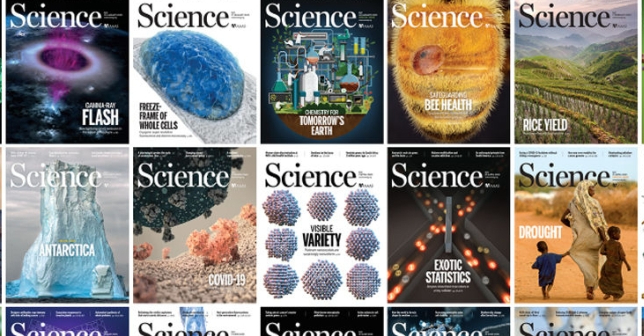
Cover Preview: Science Magazine – March 11
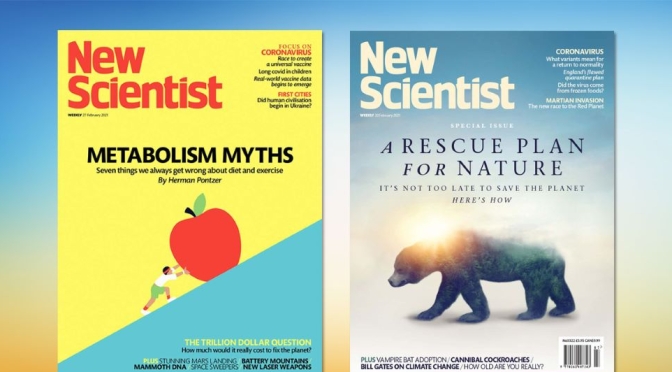
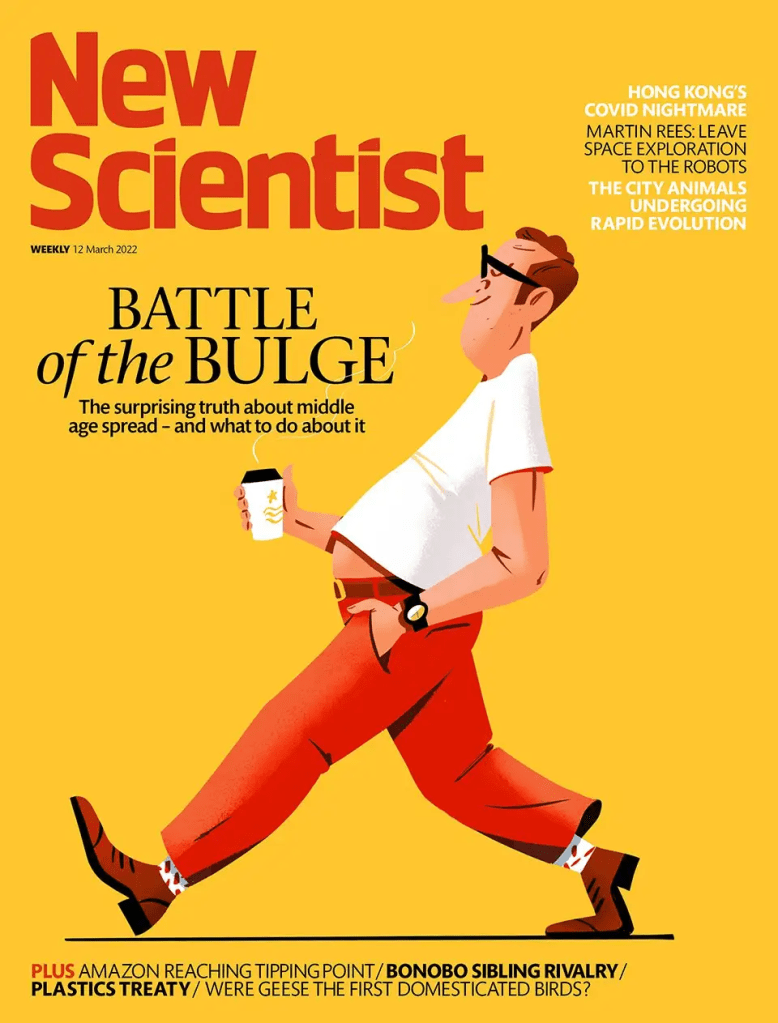
Preview: New Scientist Magazine – March 12
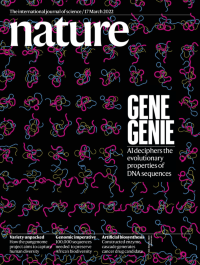
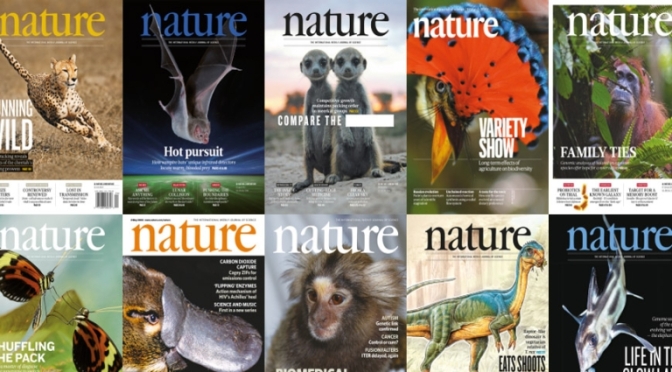
Cover Preview: Nature Magazine – March 10
History & Science: Ancient Texts Deciphered With AI
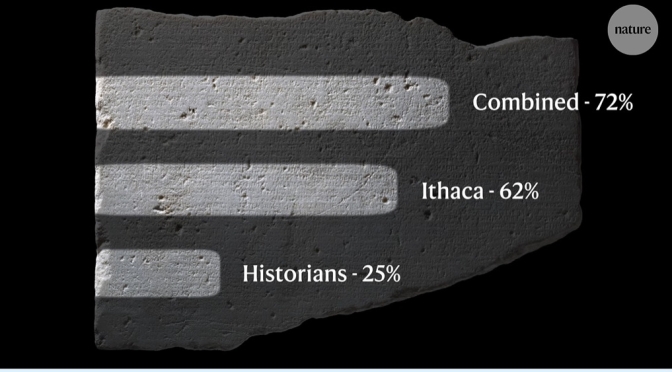
The origins of ancient inscriptions are often shrouded in mystery. Writing carved into stone millennia ago can be hard to read and is often missing entire sections of the text. Now a neural network, trained on thousands of existing inscriptions, could help historians figure out when and where a piece of writing comes from – as well as fill in missing words and characters.
Read the paper: https://www.nature.com/articles/s4158…
Science: 2021 Top ‘Flash Fiction’ Short Stories
Microbes: A Microscopic View Of The Human Body
Among the unknown worlds in the universe, we can count our very own bodies. Like planet earth, each of us is made up of fascinating landscapes that are home to all kinds of wildlife.
The film takes the viewer on a unique microscopic safari, where we encounter some of the myriad creatures that live, thrive, compete, feed, are born and die on or inside our bodies. In fact, microscopic creatures play a more powerful role than we know: These life forms impact our health, our life expectancy, our physique and even our behavior.
The film renders these hidden worlds visible with the help of special effects: Combining cinematic electron microscopy with a super macro film technique. The documentary explains cutting-edge scientific findings, by turns surprising, enlightening and amazing. It raises questions about who we are, and how we exist in the unexplored, complex ecosystems that help constitute us.
We are born 100% human, but will die 90% microbial. Between these two points in our lives lies the unexplored terrain of ‘Life on Us’.