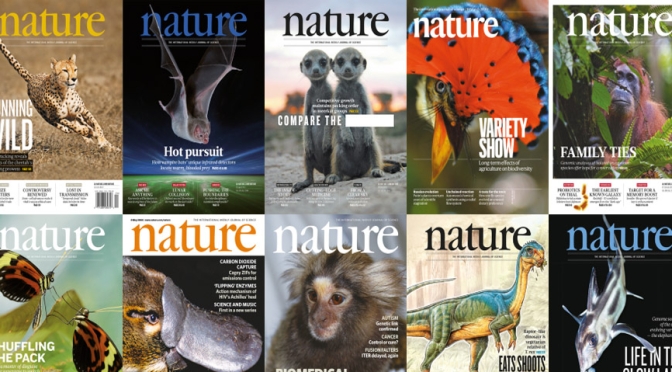
Nature Magazine – December 6, 2023:The latest issue cover features Internal Clocks – Blood proteins reveal age of human organs to help track health and disease…
The massive buried structures at Gunung Padang in Indonesia would be much older than Egypt’s great pyramids — if they’re even human constructions at all.
Ancient humans painted scenes in Indonesian caves more than 45,000 years ago, but their art is disappearing rapidly. Researchers are trying to discover what’s causing the damage and how to stop it — before the murals are gone forever.
New Scientist (December 5, 2023) – Stonehenge was built between 3000 and 2000 BC and is one of the world’s most famous prehistoric monuments. Each year, the site attracts thousands of visitors during the summer and winter solstices.
Whether used for ceremonial, astronomical or spiritual events, Stonehenge remains a subject of intrigue. Now, using the latest scientific technologies such as radiocarbon dating and 3D laser scanning, archaeologists are understanding how this colossal stone circle was built and what its purpose was, as well as gaining new insight into how our Stone Age human ancestors lived.
New studies even suggest some of the stones could align with the moon during rare lunar events.
Science Magazine – November 30, 2023:The new issue cover features a chinstrap penguin (Pygoscelis antarcticus) cares for a chick while its partner catches a quick nap.
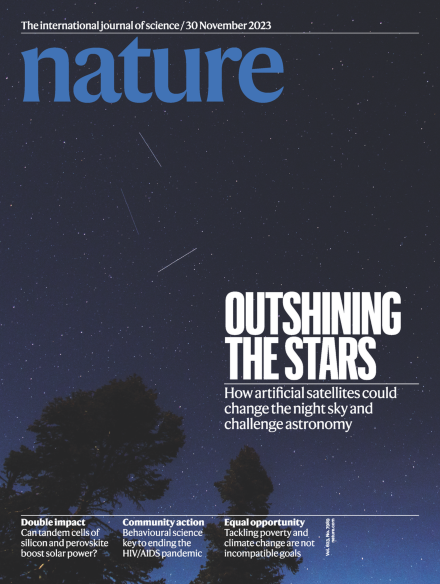
Nature Magazine – November 29, 2023:The latest issue cover features trails left by satellites, including BlueWalker 3, a prototype communications satellite, as they pass across the sky.
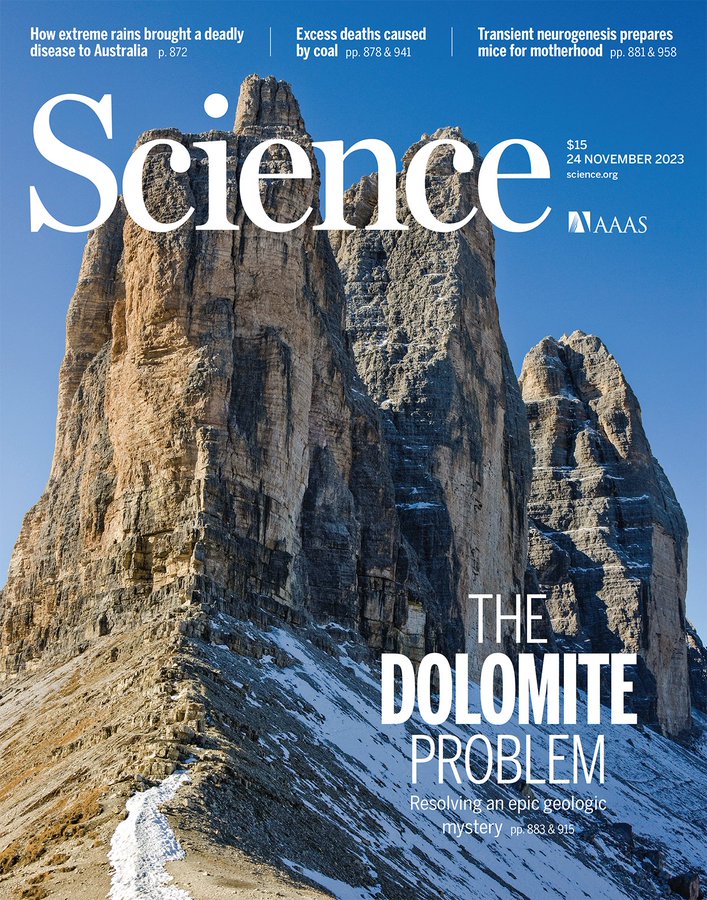
Science Magazine – November 17, 2023: The new issue features Dolomite, a key mineral in stunning geological formations, such as Drei Zinnen (shown here), Niagara Falls, and Hoodoos. Despite its natural abundance, laboratory growth of dolomite has proven impossible—a contradiction known as the “dolomite problem.”
Nature Magazine – November 23, 2023: The latest issue cover features how cryo-electron microscopy can reveal the structure of motor protein myosin filaments, which power the heart via muscle contraction.
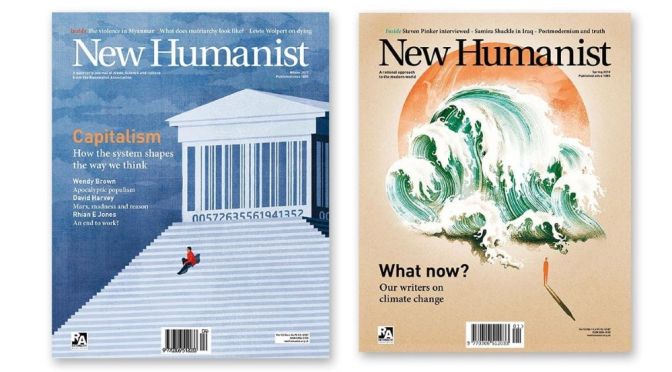
NEW HUMANIST MAGAZINE – WINTER 2023 ISSUE: The new issue features Pavan Amara on the new technologies revolutionising reproduction, Gabriele Di Donfrancesco on Europe’s battle over “family values” and Rachael Lennon on a decade of same-sex marriage, and a new column from Shaparak Khorsandi…
Science Magazine – November 17, 2023:The new issue features Heaps of Warming – Municipal solid waste emits large amounts of greenhouse gases; AI is set to revolutionize weather forecasts; Rewriting DNA in the body lowers cholesterol, and more….
Nature Magazine – November 16, 2023: The latest issue cover features how echinoderms such as starfish and sea urchins have evolved five-fold symmetry, with five limbs radiating from a central mouth.
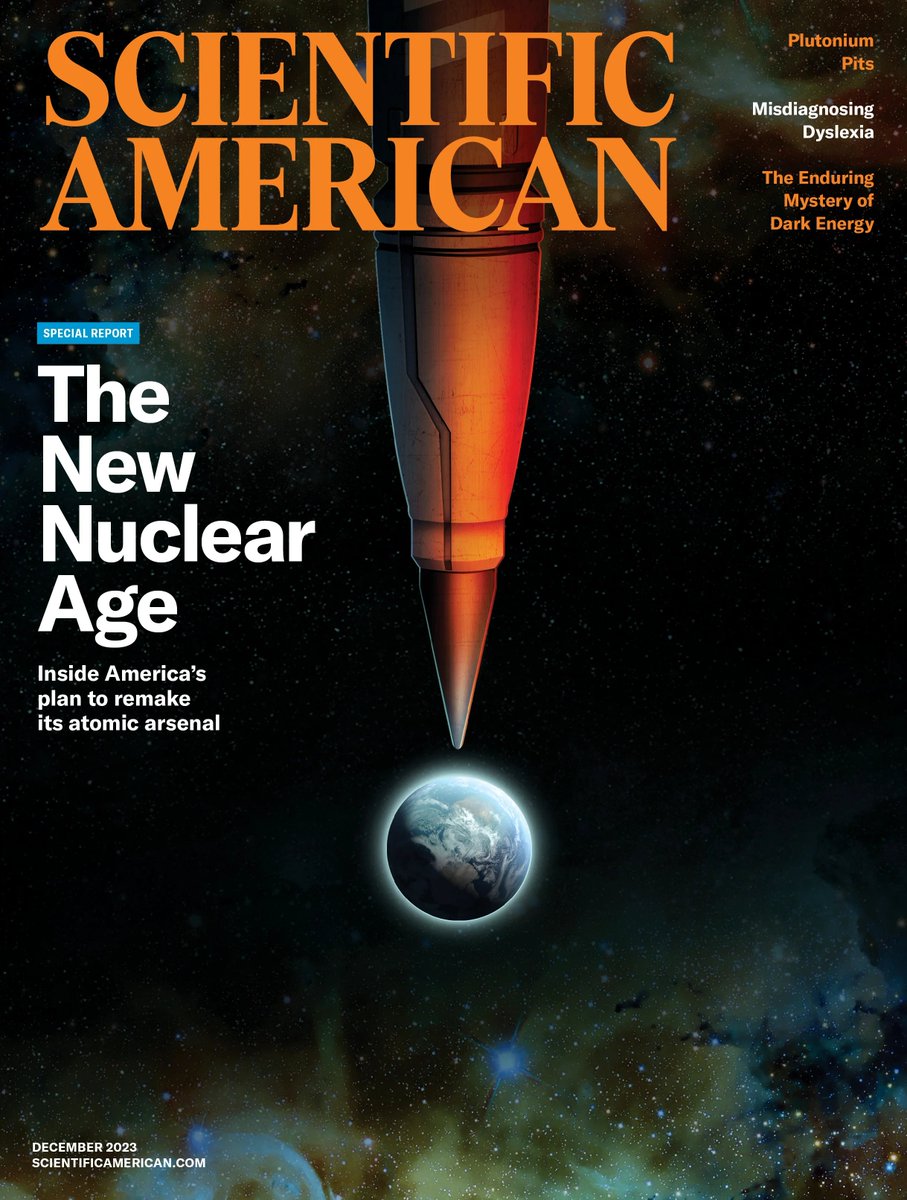
Scientific American – November 2023: The issue features The New Nuclear Age – Inside America’s plan to remake its atomic arsenal; The Most Shocking Discovery in Astrophysics Is 25 Years Old – Scientists are still trying to figure out dark energy; Behind the Scenes at a U.S. Factory Building New Nuclear Bombs – The U.S. is ramping up construction of new “plutonium pits” for nuclear weapons….
One afternoon in early 1994 a couple of astronomers sitting in an air-conditioned computer room at an observatory headquarters in the coastal town of La Serena, Chile, got to talking. Nicholas Suntzeff, an associate astronomer at the Cerro Tololo Inter-American Observatory, and Brian Schmidt, who had recently completed his doctoral thesis at the Center for Astrophysics | Harvard & Smithsonian, were specialists in supernovae—exploding stars. Suntzeff and Schmidt decided that the time had finally come to use their expertise to tackle one of the fundamental questions in cosmology: What is the fate of the universe?
The point of the thing was to forever change our concept of power. When the U.S. military assembled a team of scientists, led by physicist J. Robert Oppenheimer, to build a nuclear bomb during World War II with the hope of beating the Nazis to such a terrible creation, many of those involved saw their efforts as a strange kind of civic destiny. The Manhattan Project, wrote Richard Rhodes, Pulitzer-winning author of The Making of the Atomic Bomb, was “compelled from the beginning not by malice or hatred but by hope for a better world.” Oppenheimer himself once said, “The atomic bomb was the turn of the screw. It made the prospect of future war unendurable. It has led us up those last few steps to the mountain pass; and beyond there is a different country.”
News, Views and Reviews For The Intellectually Curious
















 Boomers Daily