
Category Archives: Previews

Literary Preview: The Paris Review – Summer 2023

Image

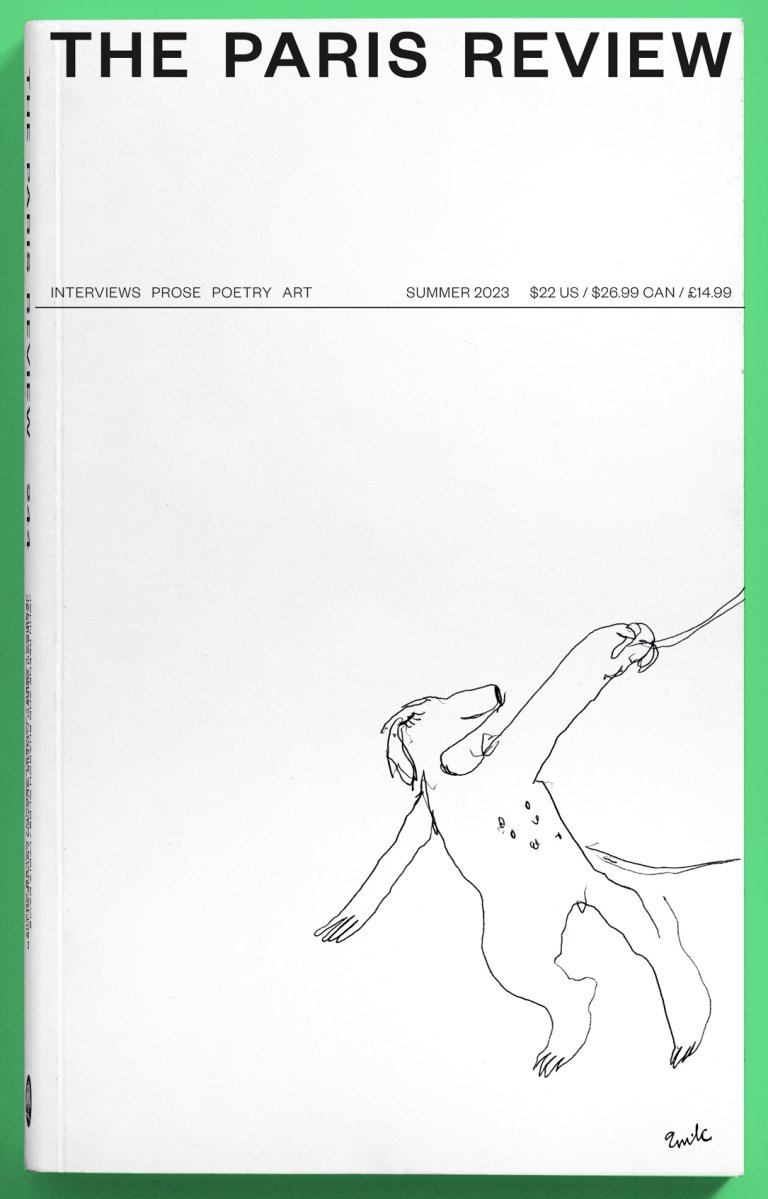
The Paris Review – Summer 2023 Issue: The  Review  take an especial pleasure, as readers, in the diary form: that peculiar mixture of performance and unwitting self-revelation, of shapelessness and obsessive (occasionally deranged) selectivity; that sense of a narrative unfolding in real time, almost without the author’s permission. And while the Review doesn’t do themes, as we were putting together our new Summer issue, no. 244, it was hard not to notice our partiality peeking through.

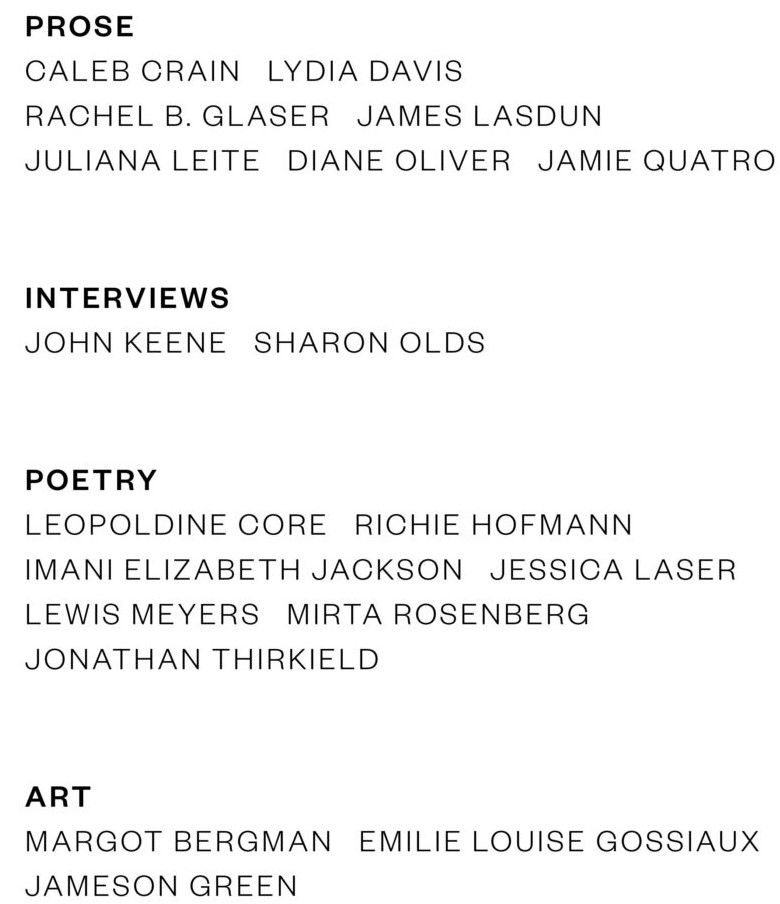
In the issue, Lydia Davis shares selections from her 1996 journal, and they often read like warm-up scales for her exquisitely off-kilter stories. (“For lunch—a huge potato and a glass of milk.”) You’ll also find masterful uses of the diary as a fictional device. The Brazilian writer Juliana Leite’s “My Good Friend,” translated by Zoë Perry, is an elderly widow’s apparently unremarkable Sunday-evening entry—“About the roof repair, I have nothing new to report”—that turns into a story of mostly unspoken decadeslong love. And James Lasdun’s “Helen” features excerpts from the journal of a woman who lives in what the narrator describes as a “state of incandescent, almost spiritual horror,” and whose crippling self-consciousness doesn’t protect her from humiliations the reader can see coming.

Also in issue no. 244, John Keene, in an Art of Fiction interview with Aaron Robertson, describes how blogging heralded his recovery as a writer after losing drafts of several of the stories that eventually became Counternarratives. And Sharon Olds, in an Art of Poetry interview, tells Jessica Laser about the need to keep one’s art and biography separate, especially when they are clearly not. Keeping a diary might be therapeutic, Olds explains, but “writing a poem to understand yourself better would be like making a cup with no clay, or maybe like having the clay but not making the cup.” She concludes, “If I had to choose between a poem being therapeutic and it being a better poem, I’d want it to be a better poem.”

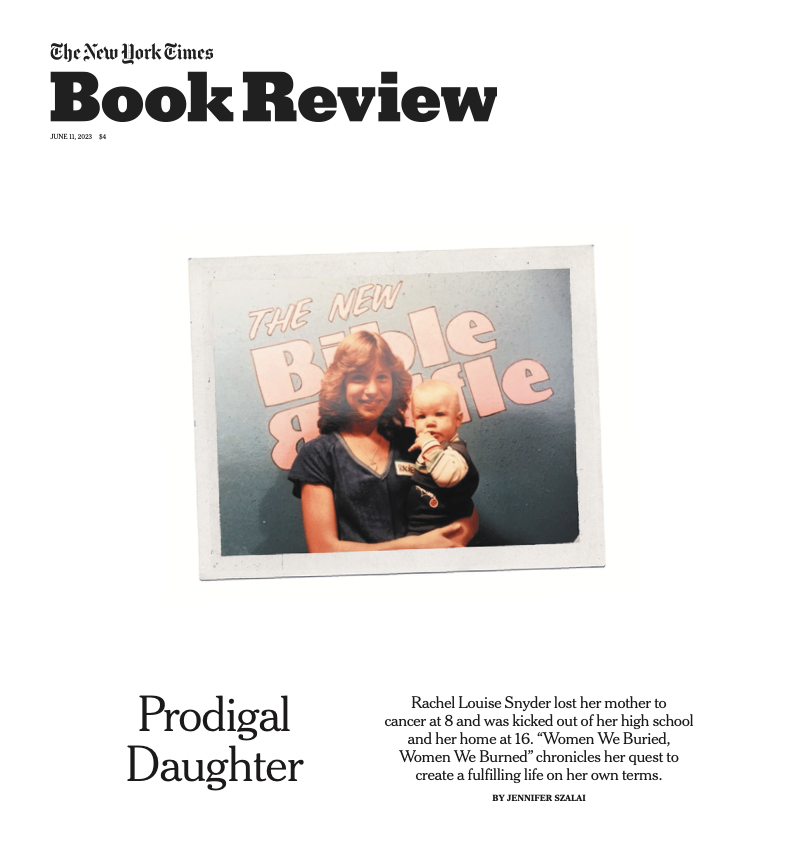
Preview: New York Times Magazine – June 11, 2023

Image

THE NEW YORK TIMES MAGAZINE (June 09, 2023) – Inside the $4-billion credit repair industry. Plus, the mycologist who wants us to learn about the magic of mushrooms and the cringe comedian perfect for this moment.

The High Cost of Bad Credit

Taqwanna Clark standing in an office in a blue suit. "Credit Life Inc" is on the wall behind Clark.
Taqwanna Clark, a credit-repair agent in Houston and the founder of Credit Lift Inc.Credit…Eli Durst for The New York Times

Desperate to improve their ratings, Americans now spend billions on “credit repair” — but the industry often can’t deliver on its promises.

By Mya Frazier

When Taqwanna Clark went to buy a video camera at Fry’s Electronics in Houston, she asked if they had a layaway plan. The cashier instead handed her an application for a store credit card. She applied. “Instantly, it came back declined — like, No!” she says. “Denied, denied — you know, your credit is not good enough.” Clark was 30 and working as a security guard at the Port of Houston. On weekends, she performed as a rapper in the local club scene, under the name T-Baby. She wanted the camera to shoot music videos, to promote her music career. “If I can’t afford a $200 camera,” she recalls thinking, “then I’m in a bad way with this credit thing.”
The Man Who Turned the World on to the Genius of Fungi

A close-up photograph of Merlin Sheldrake.
Merlin Sheldrake, author of the best-selling book “Entangled Life.” 

A vast fungal web braids together life on Earth. Merlin Sheldrake wants to help us see it.

By Jennifer Kahn

One evening last winter, Merlin Sheldrake, the mycologist and author of the best-selling book “Entangled Life,” was headlining an event in London’s Soho. The night was billed as a “salon,” and the crowd, which included the novelist Edward St. Aubyn, was elegant and arty, with lots of leggy women in black tights and men in perfectly draped camel’s-hair coats. “Entangled Life” is a scientific study of all things fungal that reads like a fairy tale, and since the book’s publication in 2020, Sheldrake has become a coveted speaker.

Tim Robinson and the Golden Age of Cringe Comedy

A photo illustration of Tim Robinson’s face stretched lengthwise in a collage.
Credit…Photo illustration by Lola Dupre

His sketch show, “I Think You Should Leave,” zeroes in on the panic-inducing feelings of living in a society where we can’t agree on the rules.

By Sam Anderson

Tim Robinson loves spicy food.

This minor fact is one of the major things I learned at my very awkward dinner interview with Robinson and Zach Kanin, creators of the cult Netflix comedy series “I Think You Should Leave.” Robinson ordered drunken spaghetti with tofu — spicy — and, almost immediately, the spaghetti started to make his voice hoarse. He insisted, however, that this had nothing to do with the spice — in fact, he said, his food wasn’t spicy enough. I asked our server if she could go spicier. She brought out a whole dish of special chiles. Robinson spooned them enthusiastically over his noodles.

Research Preview: Science Magazine – June 9, 2023

Image

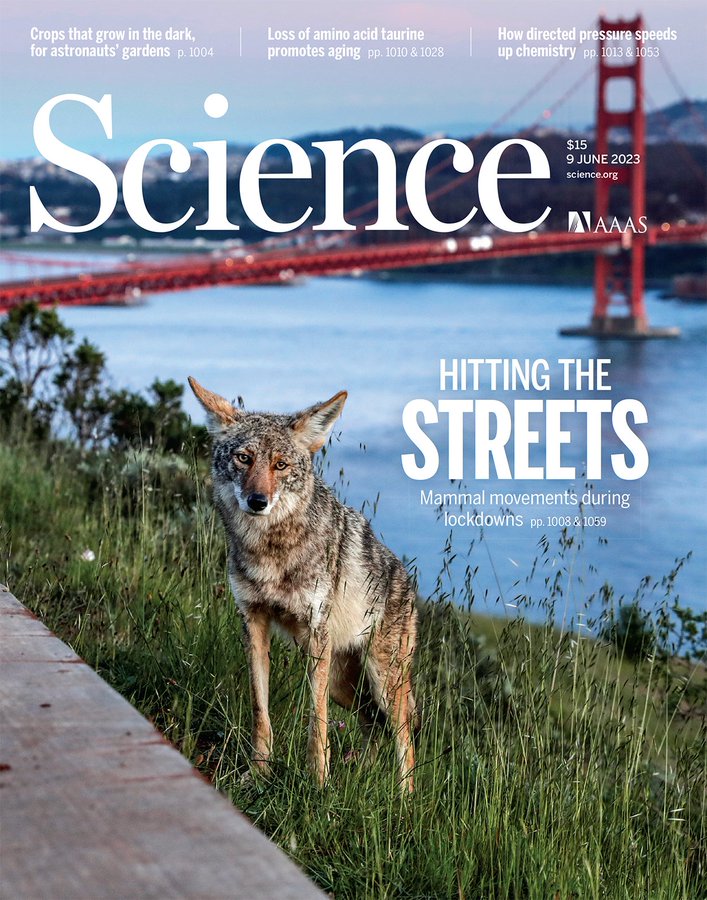
Science Magazine – June 9, 2023 issue: In response Covid-19 lockdowns that severely altered human mobility, with many people confined to their homes, animals such as the coyote (Canis latrans) traveled longer distances and occurred closer to roads. These changes suggest that animals can modify their behavior in response to rapid changes in human mobility.

Was a small-brained human relative the world’s first gravedigger—and artist?

Anthropologists praise Homo naledi fossils but doubt spectacular claims of intentional burial and art

A reconstruction of Homo naledi’s head

A trio of papers posted online and presented at a meeting today lays out an astonishing scenario. Roughly 240,000 years ago, they suggest, small-brained human relatives carried their dead through a labyrinth of tight passageways into the dark depths of a vast limestone cave system in South Africa. Working by firelight, these diminutive cave explorers dug shallow graves, sometimes arranging bodies in fetal positions and placing a stone tool near a child’s hand. Some etched cave walls with crosshatches and others cooked small animals in what amounted to a subterranean funeral, more than 100,000 years before such behaviors emerged in modern humans.

LET THERE BE DARK

Small lettuce sprouts growing on acetate

Crops grown without sunlight could help feed astronauts bound for Mars, and someday supplement dinner plates on Earth

For the first astronauts to visit Mars, what to eat on their 3-year mission will be one of the most critical questions. It’s not just a matter of taste. According to one recent estimate, a crew of six would require an estimated 10,000 kilograms of food for the trip. NASA—which plans to send people to Mars within 2 decades—could stuff a spacecraft with prepackaged meals and launch additional supplies to the Red Planet in advance for the voyage home. But even that wouldn’t completely solve the problem.

Previews: The Economist Magazine – June 10, 2023

Image

The Economist Magazine– June 10, 2023 issue:

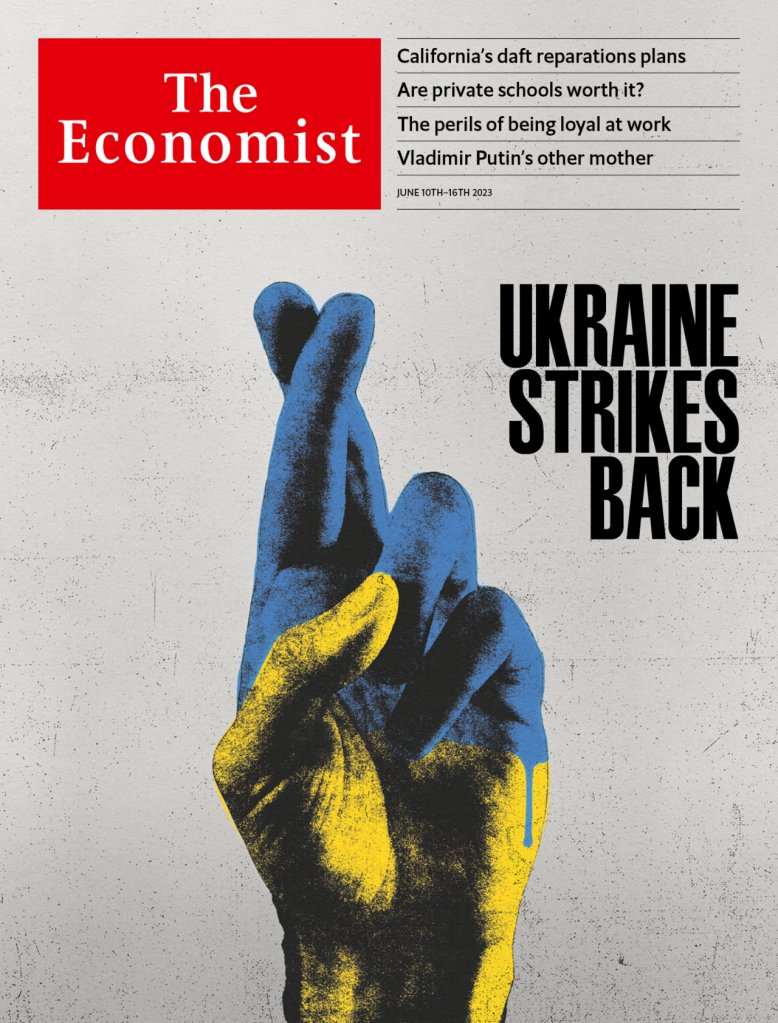
Ukraine strikes back


The counter-offensive is getting under way. The next few weeks will be critical

Trailed ten days early with a blood-stirring video in which Ukrainian troops asked God to bless their “sacred revenge”, Ukraine’s counter-offensive is under way. For weeks its armed forces have conducted probing and shaping operations along the 1,000km front line, looking for weaknesses and confusing the Russians. Now Ukraine is testing enemy defences with an intensity not seen for months, with attacks against the occupiers in a series of positions in the east and south. The apparent demolition of the Kakhovka dam on June 6th, if it was indeed Russian sabotage as Western military sources believe, would be clear evidence that they are already feeling the pressure.

Apple’s Vision Pro is an incredible machine. Now to find out what it is for

The meaning of “spatial computing”

No one shows off a new gadget quite like Apple. But the device that Tim Cook unveiled on June 5th was billed as something more significant. The Vision Pro, a pair of sleek glass goggles, represents “an entirely new spatial-computing platform”, said Apple’s boss, comparing its launch to that of the Macintosh and the iPhone. Apple’s message is clear: after desktop and mobile computing, the next big tech era will be spatial computing—also known as augmented reality—in which computer graphics are overlaid on the world around the user.

California’s reparations scheme is bad policy and worse politics

Democrats should ditch it in favour of ideas that Americans actually support

Politics: The Guardian Weekly – June 9, 2023

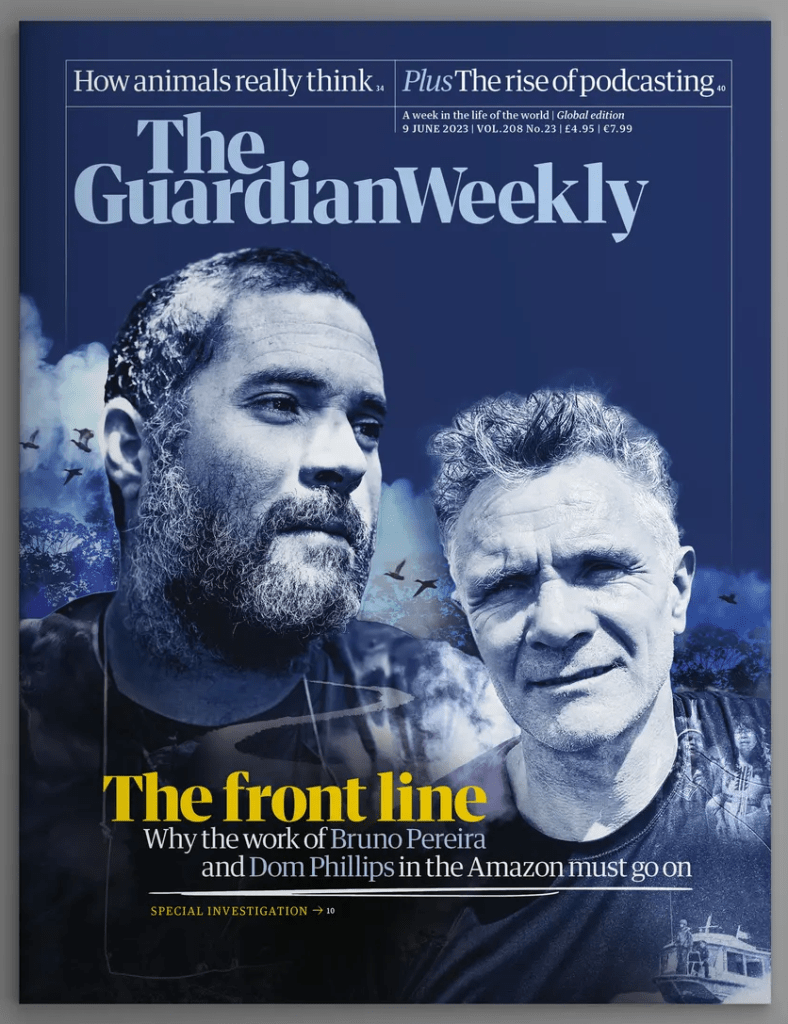
The Guardian Weekly (June 9, 2023) – A year ago, the Indigenous expert Bruno Pereira and Guardian contributor Dom Phillips were murdered in a remote area of the Brazilian Amazon. They had travelled there to meet with Indigenous activists who patrol the Javari valley to protect it from illegal fishing and mining gangs.

Their deaths laid bare the environmental devastation inflicted under Brazil’s former president, Jair Bolsonaro, as well as the extreme threat to those who dare to disrupt the activities of exploitative industries in the region. That’s why, in collaboration with an international journalists’ consortium, the Guardian has published the Bruno and Dom project: a series that seeks to honour their work and continue it. You’ll find a selection of pieces in this week’s Guardian Weekly and the rest are available online.

Research Preview: Nature Magazine – June 8, 2023

Image

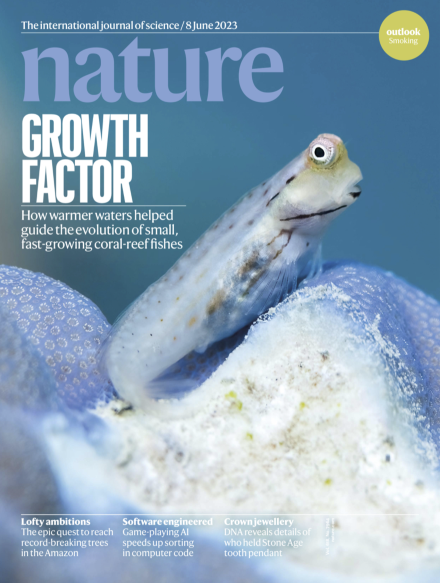
nature Magazine – June 8, 2023 issue:  Coral reef fishes, such as the blenny Ecsenius stictus pictured on the cover, are diverse, abundant and grow quickly. In this week’s issue, Alexandre Siqueira and his colleagues investigate the evolutionary history of these fishes to find out how growth has shaped life on coral reefs. 

Camera that could fit on a penny captures vivid colour photos

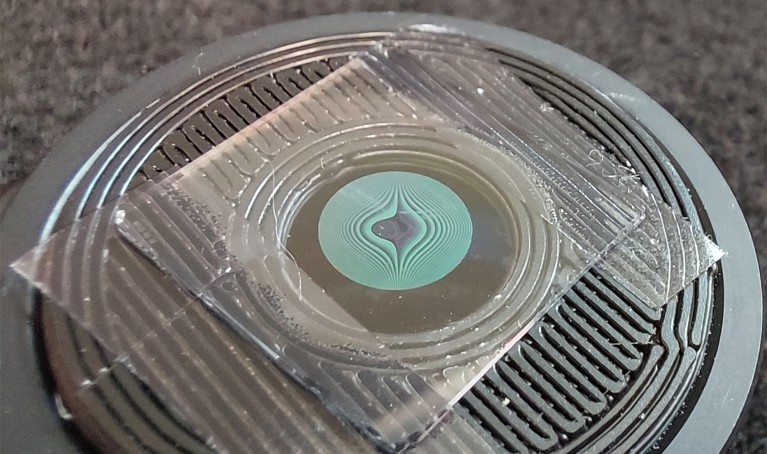
Optimized phase mask of five-millimetre diameter fabricated using a nanofabrication approach.

A ‘meta-lens’ and corrective algorithms allow a tiny device to produce high-resolution images.

A computational-imaging technique paves the way for ultra-small cameras that could be used in various portable devices.

These hardy ants build their own landmarks in the desert

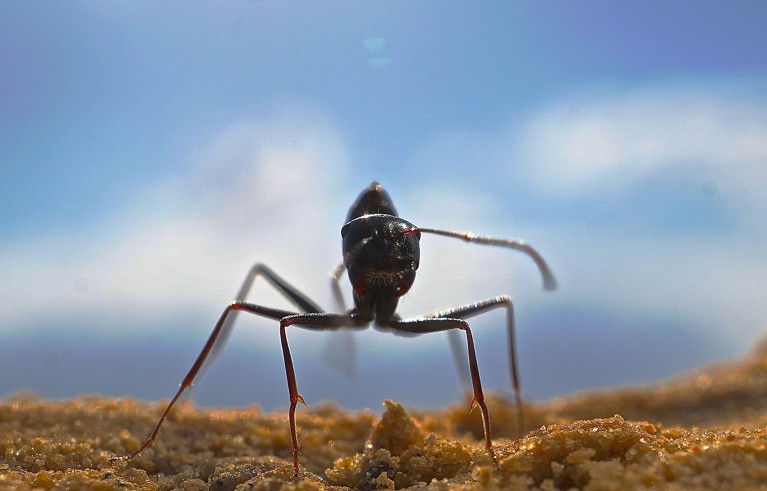
Tunisian desert ant Cataglyphis fortis.

Ants living on the sprawling salt pans of Tunisia use DIY markers to find their way home.

The desert ant Cataglyphis fortis lives in Tunisia’s arid salt flats, and can travel more than a kilometre from its underground nest in search of food. Now scientists have found that these ants build tall hills on top of their nests that help the insects to find their way home across the vast, featureless landscape1.

Cover: Stanford Medicine Magazine – Summer 2023

Image

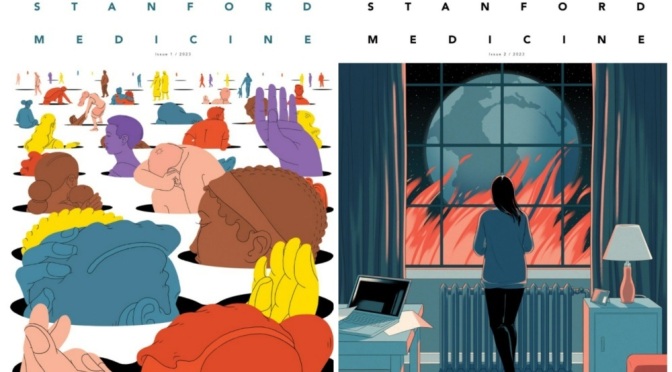
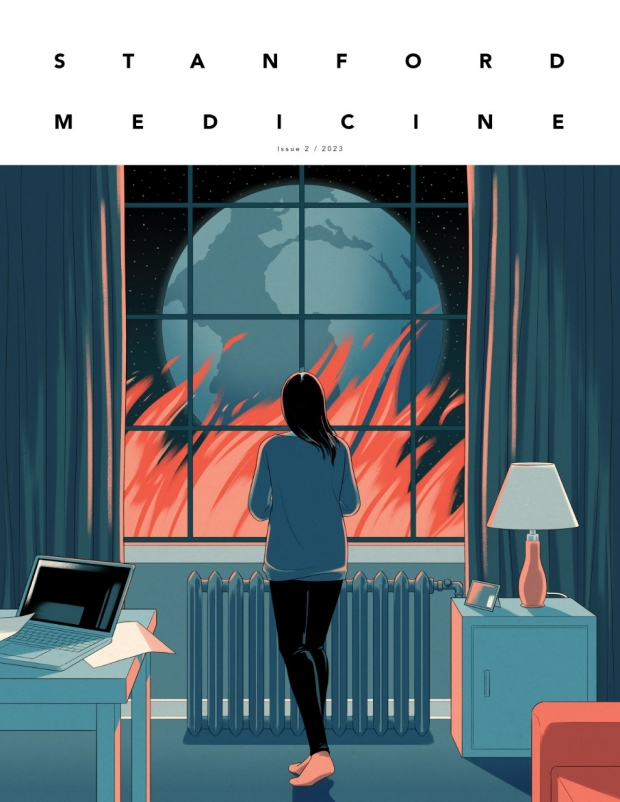
Stanford Medicine Magazine (Summer 2023) – The new issue of Stanford Medicine magazine explores how the environment and health interact — and ways to counter negative impacts.

Special delivery – mRNA moves past COVID-19

Cover for Special delivery

Catastrophe occasionally apologizes for itself by coughing up a consolation prize. World War II gave us penicillin. So, let’s count our blessings.

By Bruce Goldman

The COVID-19 pandemic, from which we’re still struggling to emerge, has expanded our working vocabulary, gifting the public lexicon with new, if admittedly mostly gloomy, words and concepts. (Examples: spike protein, intubation, N95, rapid antigen test.) We may not flood our speech with these terms, but we’re at least passingly familiar with them now.

Sniff – Making sense of smell

Cover for Sniff

Among the human senses, smell — or more formally, olfaction — is often considered the most dispensable. In a recent survey, 1 in 6 college students said they would rather lose their sense of smell than their little left toe, and 1 in 4 would forgo their sense of smell to keep their phone.

By Nina Bai

But for people who’ve found themselves suddenly unable to smell — a more common predicament since the COVID-19 pandemic — the loss can be surprisingly, profoundly devastating.

Arts/Books: Times Literary Supplement – June 9, 2023

Image

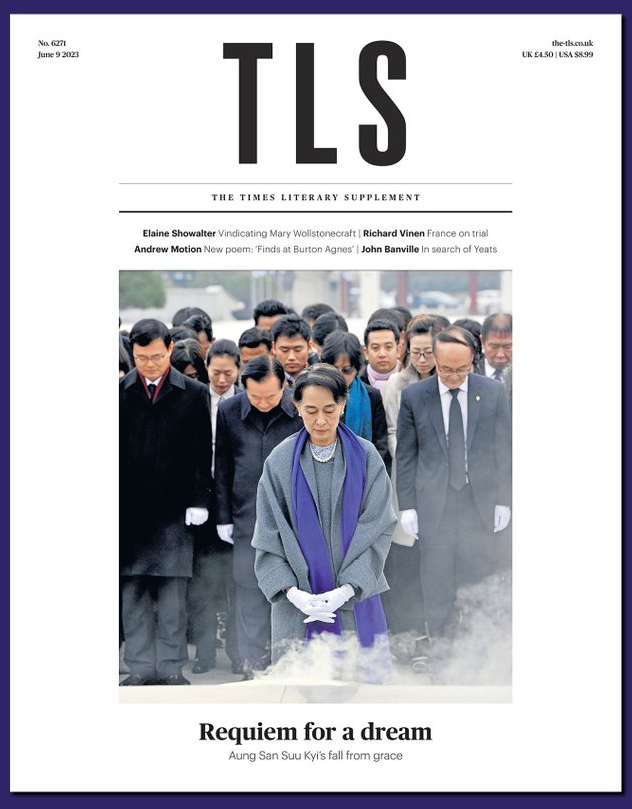
Times Literary Supplement (June 9, 2023): Requiem for a dream – Aung San Suu Kyi’s fall from grace; Vindicating Mary Wollstonecraft; France on Trial; In search of Yeats, and more…

Aung San Suu Kyi by Wendy Law-Yone review — how a saint became a pariah

Aung San Suu Kyi in Yangon, Myanmar, in 2011

This short biography explains why the West misunderstood the Myanmar leader. Review by Richard Lloyd Parry

In humanity’s long history of toppled heroes, shattered reputations and honour besmirched, it is difficult to think of a more extreme case than that of Aung San Suu Kyi. A decade ago, the Myanmar leader was among the most adored and respected figures in the world — winner of the Nobel peace prize, long-term political prisoner, an emblem of peaceful, uncompromising democratic struggle. Her ascension to the national leadership felt like the vindication of precious hopes and principles; today, “the Lady”, as she used to be known, is face down in the mud.

Front Cover: The Atlantic Magazine – July/Aug 2023

Image

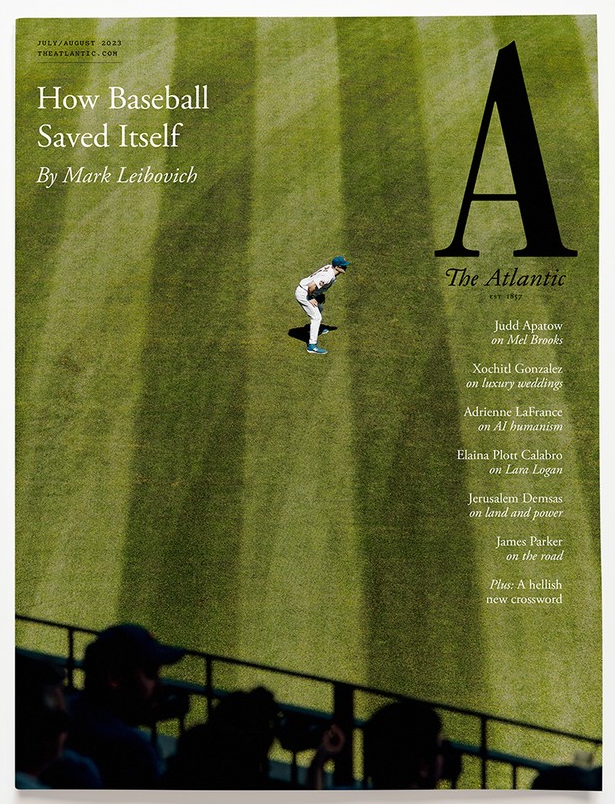
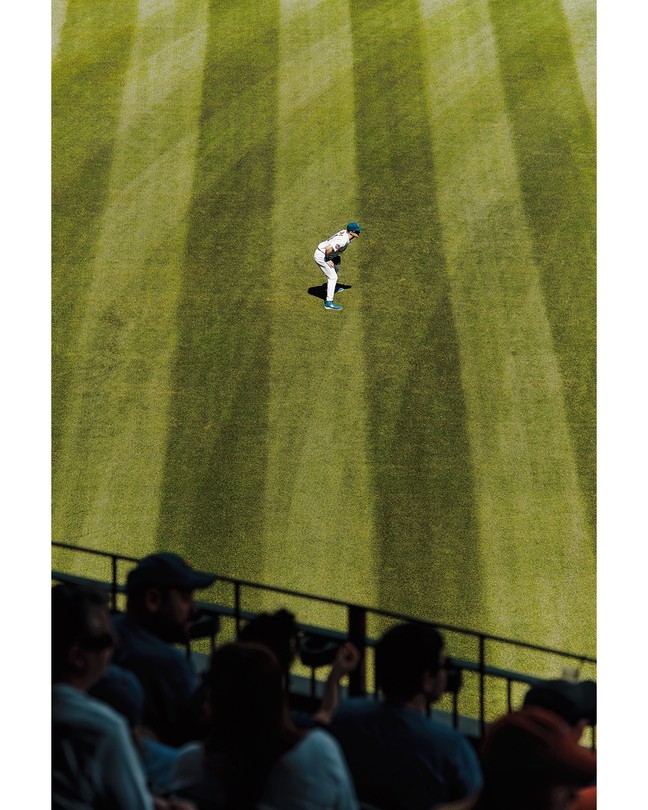
The Atlantic Magazine – July/August 2023 issue: Mark Leibovich goes inside the MLB’s desperate effort to rescue America’s pastime from irrelevance

‘HELL WELCOMES ALL’

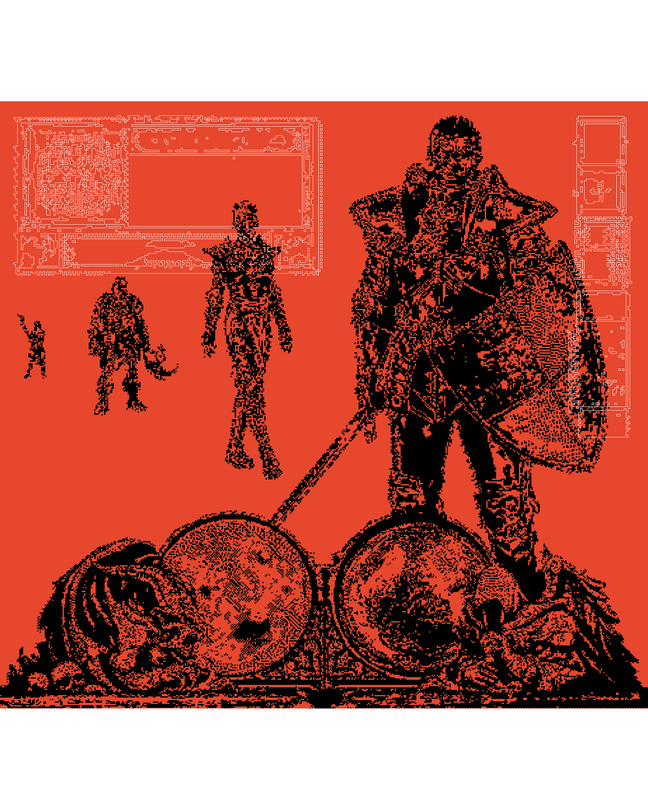
A graphic illustration of black, pixelated video-game characters on a red background.

Can hard-core gamers learn to play well with others? By Spencer Kornhaber

Playing a prerelease version of Diablo IV, the latest installment in a 26-year-old adventure series about battling the forces of hell, I faced swarms of demons that yowled and belched. My character, a sorcerer, shot them with lightning bolts, producing a jet-engine roar. 

HOW BASEBALL SAVED ITSELF

Inside the desperate effort to rescue America’s pastime from irrelevance By Mark Leibovich

A photograph of a baseball outfielder on green field with fans silhouetted in the foreground.

Where in the name of human rain delays is Juan Soto?

The stud outfielder is late. Everyone keeps checking their phones—the antsy Major League Baseball officials, the San Diego Padres PR guy, the handful of reporters, and the assorted hangers-on you encounter around baseball clubhouses. Everyone is wondering when the Padres superstar will show up. He was supposed to be here half an hour ago, just after this baseball players’ sanctum opened and we were allowed to join them in their most elemental of baseball activities: waiting around.

Preview: London Review Of Books — June 15, 2023

Image

London Review of Books (LRB) – June 15, 2023 issue: James Butler on Italo Calvino’s Politics; John Lahr – My Hollywood Fling; Ferdinand Mount – Safe as the Bank of England; Africa’s Cold War by Kevin Okoth, and more…

Toots, they owned you

By John Lahr

Hollywood: The Oral History 
edited by Jeanine Basinger and Sam Wasson.

In April​ 1973, on a Pan Am 747 jumbo jet from London to LA, I took my seat in the upstairs dining room opposite a Cincinnati salesman and his wife. He sold screws – really. Just as improbably, I had sold my first novel to the movies. The tablecloth, the silverware, the crystal wine glasses, the Chateaubriand being carved in front of us at five hundred miles an hour felt extraordinary, a swank unreality that matched my elevated mood. I was 32. I was going to Hollywood. I was making a movie. I was going to be a screenwriter.