

 This week, a new way to study elusive subatomic particles – pions, and the story of Galileo remains relevant in a time of modern science denialism.
In this episode:
00:46 Probing pions
Pions are incredibly unstable and difficult-to-study subatomic particles. Now researchers have come up with a clever way to examine them – by sticking them into helium atoms. Research Article: Hori et al.
08:28 Research Highlights
A colourful way to cool buildings, and the rapid expansion of cities. Research Highlight: A rainbow of layered paints could help buildings to keep their cool; Research Highlight: Urban sprawl overspreads Earth at an unprecedented speed
10:46 The life of Galileo
A new biography of Galileo Galilei examines some of the myths about his life and draws parallels with problems facing scientists today. Books and Arts: Galileo’s story is always relevant
16:42 Pick of the Briefing
We pick our highlights from the Nature Briefing, including botanical graffiti, and rock-eating bacteria. The Guardian: ‘Not just weeds’: how rebel botanists are using graffiti to name forgotten flora; Scientific American: Scientists Waited Two and a Half Years to See whether Bacteria Can Eat Rock




 A selection of three essential articles read aloud from the latest issue of The Economist. This week, a
 patrolling neighborhoods, or military soldiers during field-exercises. Thus, time-restricted eating removes the added stress of what to eat, and serves as a practical intervention conducive to the schedules of many people.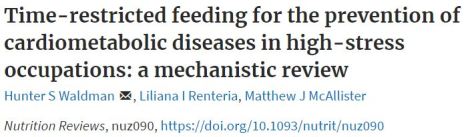

 Staff Writer Jocelyn Kaiser joins Sarah to talk about a recent Science paper describing the results of a large study on a blood test for multiple types of cancer. The trial’s results suggest such a blood test combined with follow-up scans may help detect cancers early, but there is a danger of too many false positives.

 As states grapple with the question of when it will be safe to reopen businesses and relax social distancing, there’s increasing urgency to better understand who’s immune to Covid-19. Does having the virus and recovering mean you can’t get it again, or at least that you can’t be reinfected for some time?
 Boomers Daily