


Category Archives: Magazines

Front Covers: Harper’s Magazine – September 2021

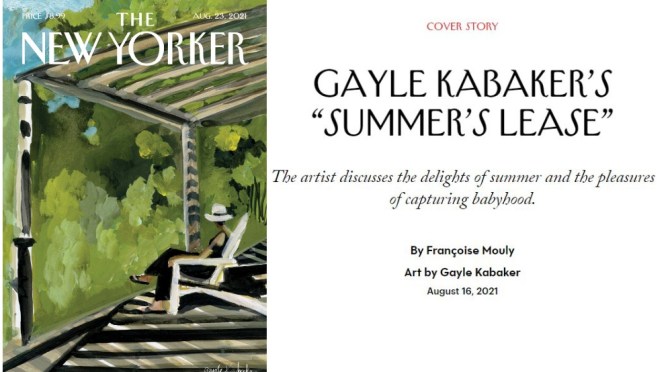
Cover Previews: The New Yorker – August 23, 2021

Front Covers: Harvard Magazine – Sept/Oct 2021


Front Covers: Science Magazine – August 13

Front Covers: ‘Time Magazine’ – Aug 23-30

NEWSWEEK MAGAZINE – SEPTEMBER 11-18, 2026

The Terror Threat No One Saw Coming After 9/11
New technologies have both increased the ability of militants to carry out attacks and expanded the number of potential targets.
AI Is Giving Physical Therapy a Robotic Makeover
AI-powered robots are transforming physical therapy, helping patients recover faster and reshaping the future of rehabilitation.
What Leavitt, AOC and Vance’s Decisions Reveal About Parenthood
It is women who need to make compromises if they want a career and children.
The Price America Pays for Trump’s Reliance on Kushner the Closer
Jared Kushner spent Sunday in a room that Washington had treated as off-limits for nearly three decades: sitting across the table from the leader of Hamas, Khalil al-Hayya.
It’s just one part of a tour of the Middle East for President Donald Trump’s son-in-law and roving negotiator, who meets Israeli Prime Minister Benjamin Netanyahu today in an attempt to breathe life into stalled Gaza peace talks.

Previews: New Scientist Magazine – August 14


Previews: Country Life Magazine – August 11

SPA TOWNS: A mineral-laced spring could lead to a profitable resort for Georgian landowners. Clive Aslet dips into spa towns.
HOT AIR BALLOONS: Levi jeans, Van Gogh’s head and a dinosaur — they’ve all taken flight through Cameron Balloons in Somerset.
WALTER SCOTT: Despite inventing the historical novel, Walter Scott’s books are often left on the shelf. Why is that, asks Jack Watkins, on the writer’s 250th anniversary.
CARLA CARLISLE: Carla on dogs raging at the dying of the light.
GREEK ARCHITECTURE: Marking the 200th anniversary of the completion of St Pancras Church, Harry Mount considers the 19th-century enthusiasm for Greek architecture.
INTERIORS: Romantic sash windows have their fans and detractors.
LUXURY: Hetty Lintell is by the pool.
CHILLI: Tom Parker Bowles was drawn into the chilli’s fiery embrace from a young age.
ELTON HALL: Tilly Ware visits the transformed historic gardens of Elton Hall in Huntingdonshire, where much of the past is a mystery.
 Boomers Daily