The present mess has roots in two entangled, defining White House projects: DOGE and the mind-bending expansion of ICE. By Benjamin Wallace-Wells
Trump’s War Hits the Chaiwalas
Restrictions and attacks in the Strait of Hormuz have made fuel prices rocket. Just ask the roadside tea venders in New Delhi. By Nathan Heller
He Helped Stop Iran from Getting the Bomb
A former C.I.A. officer says that he recruited scientists as part of the United States’ effort to disrupt Iran’s nuclear program. By David D. Kirkpatrick
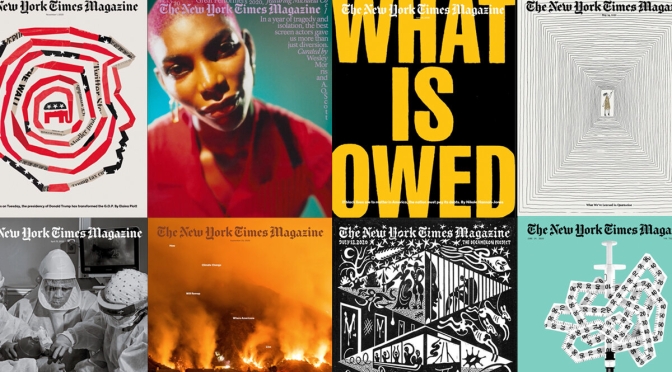
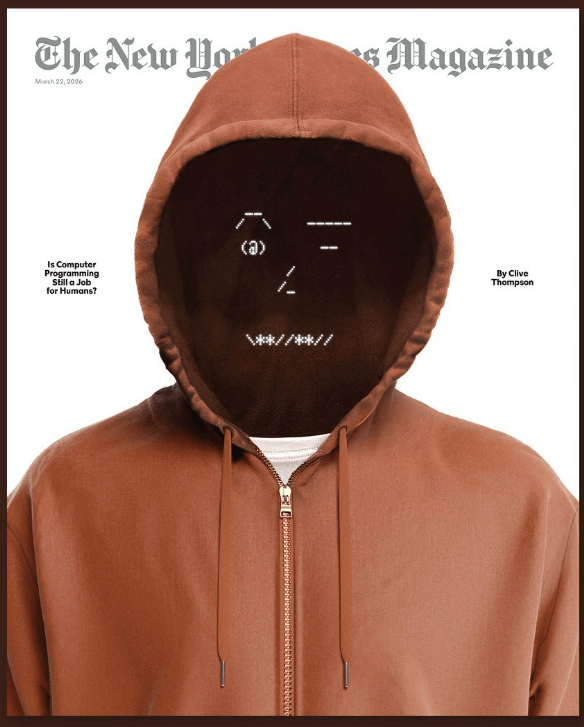
THE NEW YORK TIMES MAGAZINE: The 3.29.26 Issue features Blair Braverman on leaving her life of dog sled racing; Maggie Shipstead on bringing her mother’s ashes to Antarctica; Kevin Fedarko on the Grand Canyon’s North Rim; Taffy Brodesser-Akner on teaching her son to take a vacation; and more.
It’s blunt instead of vague, brash instead of evasive, bold instead of cautious. And yet the word obfuscates as much as old defense jargon. By Nitsuh Abebe
Forty-three current and former C.D.C. employees on the changes they say are replacing science with ideology — and making Americans more vulnerable. By Jeneen Interlandi
The Epstein Scandal Has Reached the Far-Right Meme Stage
Once the Epstein files transitioned from an abstract concept to a real-world event, it became more difficult for fringe conspiracy theorists to control the story.
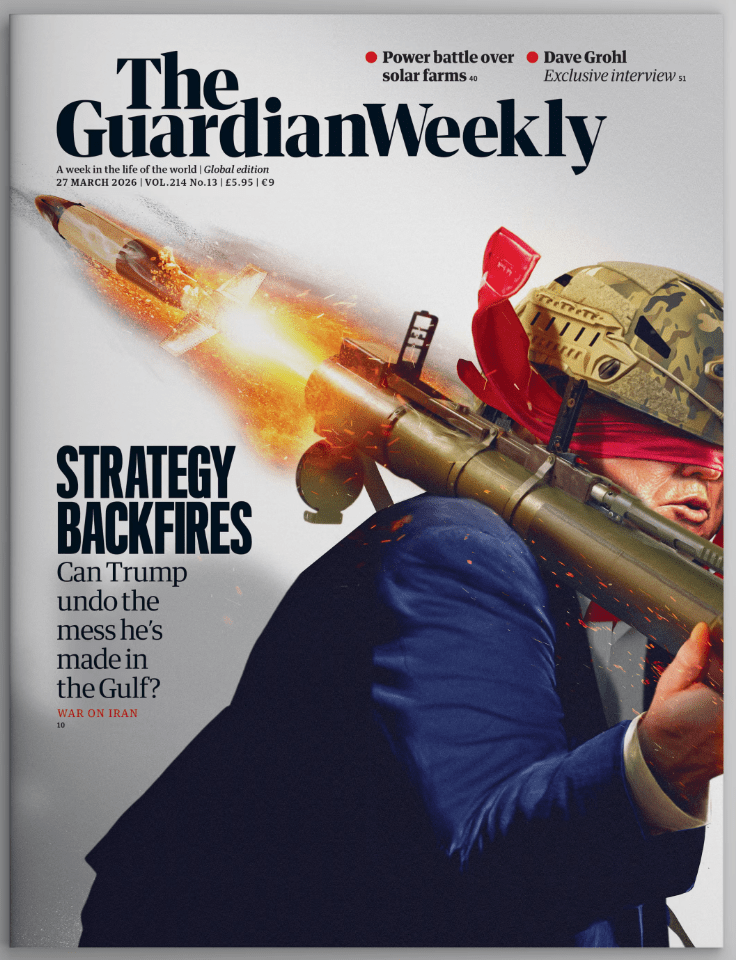
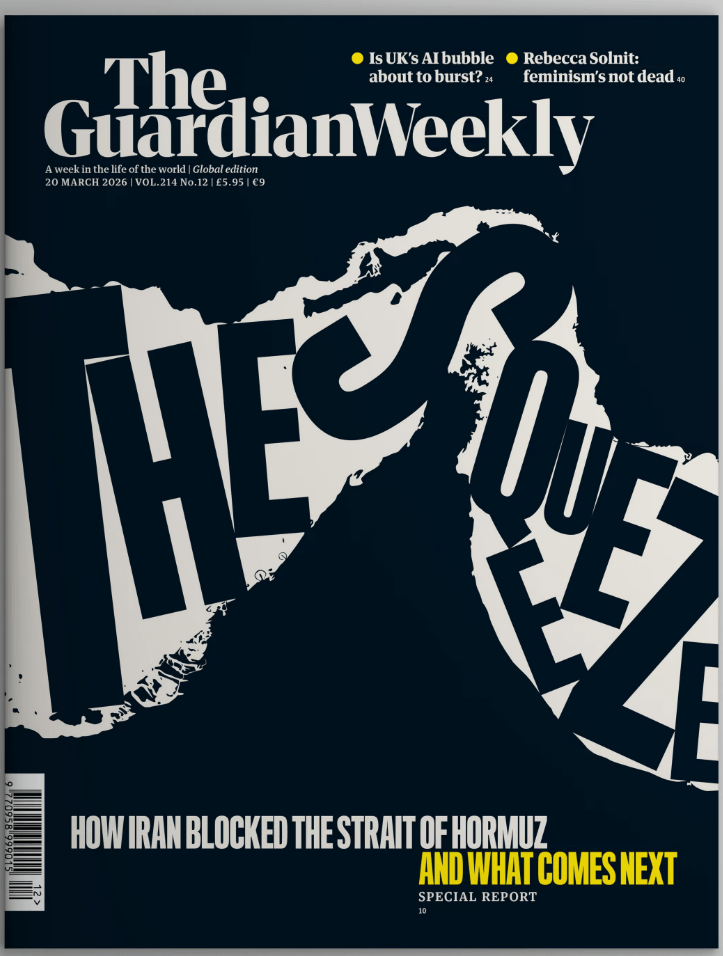
Brinkmanship, the ability to take countries to the edge of conflict, was a staple of cold war diplomacy. The remnants of that finely balanced standoff, bound by a rules-based order and spheres of influence, has given way to a world in freefall; to an ever-widening war in the Gulf where the aims are as unclear as the endpoint.
It is approaching a month since the US and Israel launched their attacks on Iran, arguing they were acting to remove the country’s nuclear threat, destroy its ballistic missile capability and free the populace of a tyrannical theocratic regime. Yet it seems it is these civilians and neighbouring Gulf countries who are bearing the brunt of the campaign while the Iranian regime’s willingness to escalate the war seems undimmed.
Spotlight | The ‘anyone but’ election Pippa Crerar looks ahead to local elections in the UK, where voters seem more concerned with who they want to keep out of political office than who they vote in
Science | Not-so silent nights Can a “vacuum cleaner turned the other way” become a popular solution to snoring disorders? Natasha May explores the rise of Cpap machines
Feature | Gamifying government Steeped in gaming and rightwing culture, Elon Musk’s Doge team set out to defeat the enemy of the United States: its people, write Ben Tarnoff and Quinn Slobodian
Opinion | Collateral damage Attacks on synagogues and Jewish shops in the UK, Europe and the US don’t hurt Benjamin Netanyahu, says Jonathan Freedland, they just hurt ordinary Jews
Culture | Rock return “Validation was an insatiable monster”: Dave Grohl talks to Ben Beaumont-Thomas about Foo Fighters, life after his infidelity and grief for bandmate Taylor Hawkins
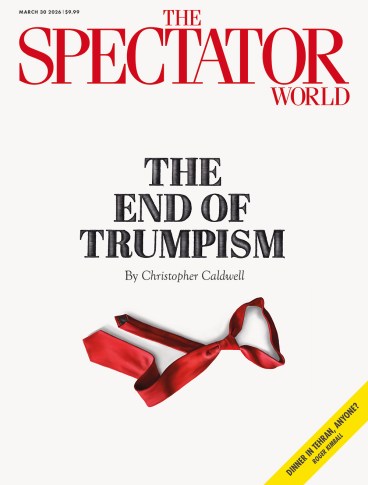
Having Donald Trump as President probably resembles being a heroin addict: you undergo regular episodes of sweating terror and mortal danger, the end result of which is to get you – at best – back to normal. A year ago, the Liberation Day tariffs nearly caused the American economy to seize up, before China mercifully let the matter drop. Then came the even more reckless decision to join Israel in bombing Iran’s Fordow nuclear installation; Iran agreed to halt hostilities just as it was figuring out how to penetrate Israeli airspace with its missiles. By Christopher Caldwell
Readers may disagree with the cover line of this issue. Pronouncing “the end of Trumpism” feels somewhat similar to declaring “the end of history” – a provocative, albeit less grandiose, statement that risks being mocked in the near future. We should start by saying we hope that we are wrong. Trumpism, as this magazine understands….
When you attend the court of King Donald, it’s important to genuflect. Unfamiliar foreigners in need of pointers can look to the man who is currently the most assiduous non-American flatterer: FIFA president Gianni Infantino. By Matt McDonald
Jalisco, Mexico No one seems to know exactly how El Mencho was killed. We are told the feared leader of the Jalisco New Generation Cartel was captured by the Mexican army during a firefight in late February, and subsequently died of his wounds. Beyond that, there is very little information. Why are the Mexican and
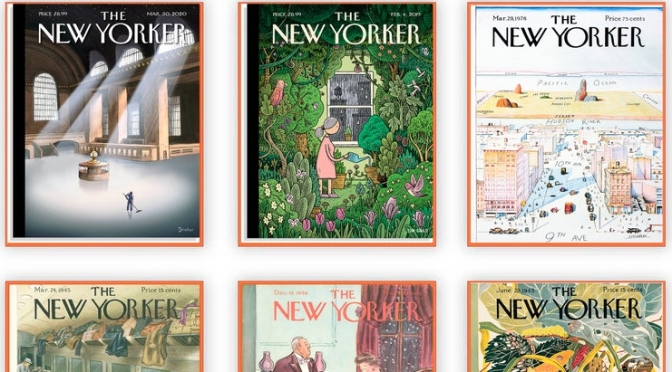
THE NEW YORKER MAGAZINE: The latest issue cover features ‘Roz Chast’s “City Beasts” – Where the wild things are. Also, Jon Lee Anderson on Cuba’s crumbling regime, Jia Tolentino on Robyn, Jill Lepore on entrusting A.I. with moral judgment, and more.
The cruellest irony is that of a President who addresses the Iranian people in the language of liberation and then threatens freedom of the press back home. By David Remnick
Does A.I. Need a Constitution?
A new set of precepts is meant to make the chatbot Claude wise, decent, and safe. It also marks a striking transfer of public responsibility from constitutional government to private tech firms. By Jill Lepore
Is Cuba Next?
Trump’s campaign to topple foreign adversaries encounters a battered but defiant regime. By Jon Lee Anderson
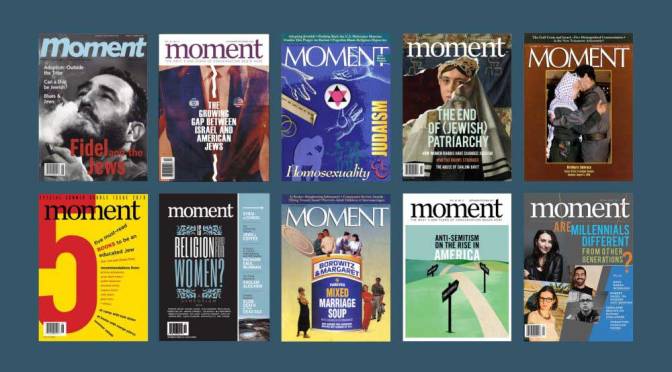
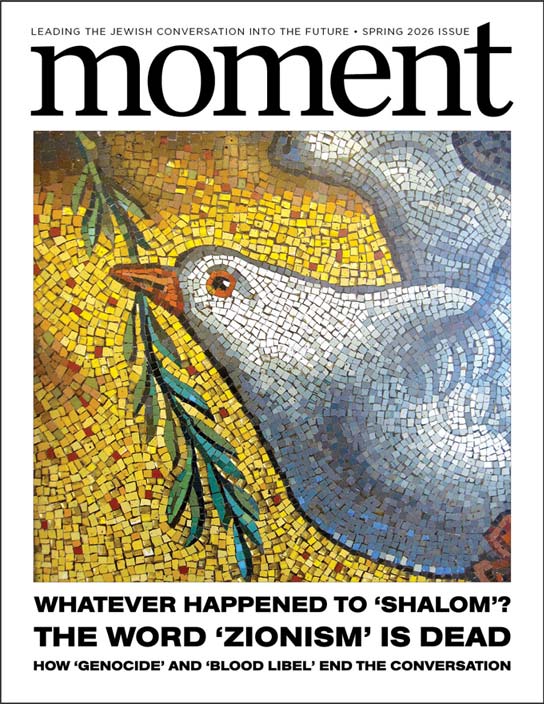
From the start, it’s meant too many things. It’s time to move on. BY NADINE EPSTEIN
Has Israel Said Shalom to ‘Shalom
This cultural essay examines the evolving meaning of the word shalom (peace) in Hebrew and how its usage has shifted within Israeli society and the broader search for hope.
The Iran Diaries
This article explores the history and current state of Iran through the lens of the editor’s father’s 2002 travel diary. It provides context for the anti-regime protests of 2026 and the enduring complexities of Iranian society. by Sarah Breger
As fighting in the Middle East entered its third week, focus has shifted to Tehran’s closure of a key maritime passage, and the potentially huge global economic impact.
For our big story this week, Jillian Ambrose explains how the war in Iran has effectively blocked the Gulf states from exporting a fifth of the world’s oil supply through the strait of Hormuz. Peter Beaumont sets out the significance of the route and the possible options to counter the blockade, while Hannah Ellis-Petersen reports on the building anger and resentment in the region over being dragged into a war they did not start and had diplomatically tried to prevent.
Peter also looks at “the escalation trap” that lies ahead for both sides in the conflict, and we have on-the-ground reports from Jason Burke in northern Israel and William Christou in southern Lebanon, as well as a stark account of day-to-day life from inside Tehran.
Spotlight | ‘Extraordinary cruelty’ Kaamil Ahmed and Alex Clark examine the evidence that starvation is being used as a weapon of war in Sudan
Technology | Star fruit As Apple reaches its half-century, Chris Stokel-Walker rounds up its biggest triumphs and flops
Feature | Feminism’s not dead! In a stirring riposte to all those who have declared the death of the women’s movement, Rebecca Solnit outlines the advances that have been made and argues it’s no time to give up the fight
Opinion | The British right’s Maga obsession UK conservatives were once hostile to the US, but now are keen to emphasise loyalty to Trump above all else, writesKojo Koram
Culture | One win after another After 11 nominations without a single win, film-maker Paul Thomas Anderson deservedly struck gold at the Oscars with One Battle After Another, says Xan Brooks
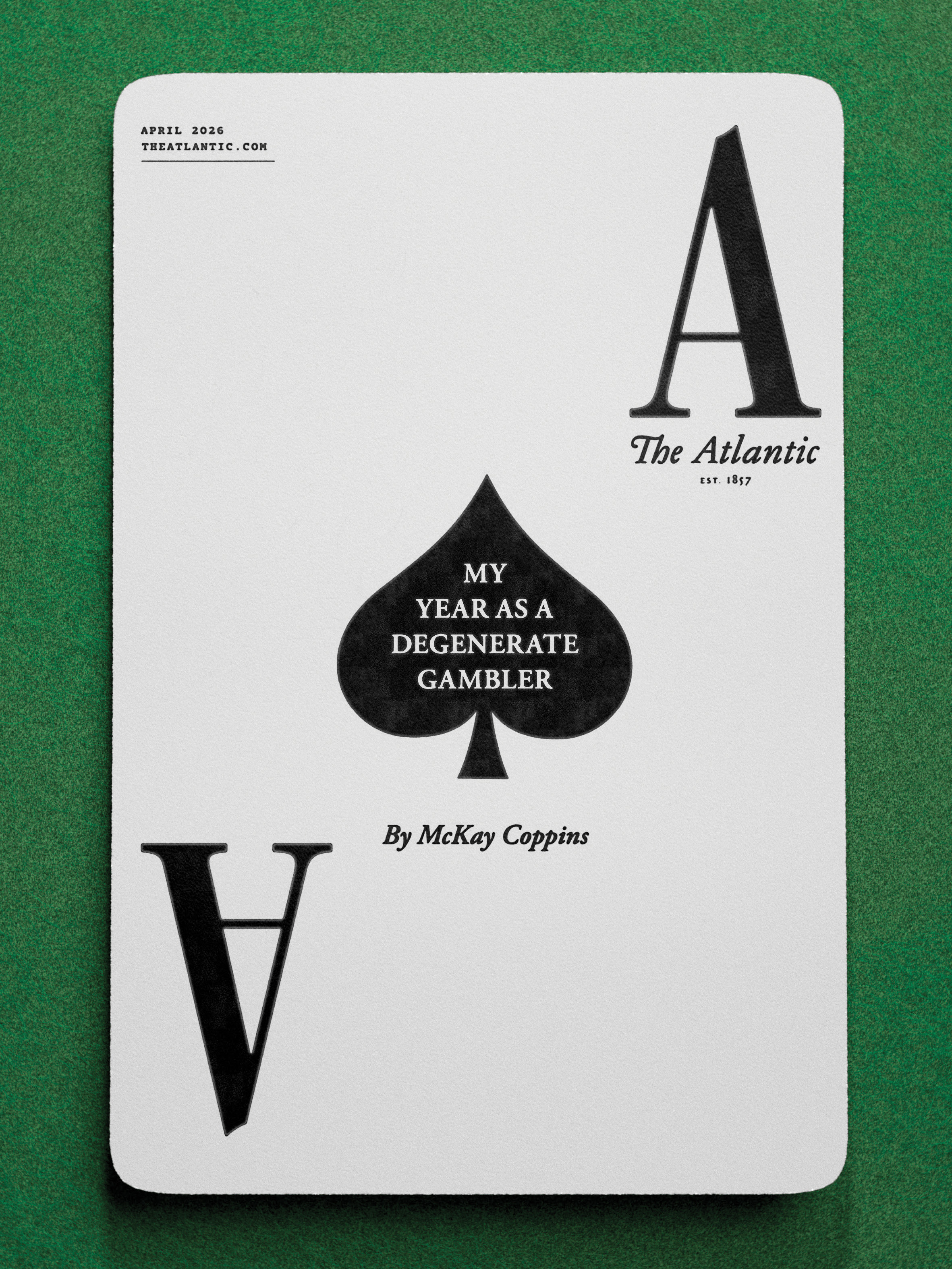
On a Thursday evening in September, I excused myself from the family dinner table and slipped into my bedroom. I didn’t want my kids to see what I was about to do.
With the door locked behind me, I pulled out my phone and downloaded the DraftKings betting app. I felt a certain thrill as I typed in my debit-card information and deposited $500. The first game of the NFL season was a few minutes away. Anything seemed possible. …By McKay Coppins
The odds of being struck by lightning in America in a given year are one in 1.2 million. How does the experience reorient a person’s sense of chance, of fate? By Jacob Stern





 Boomers Daily