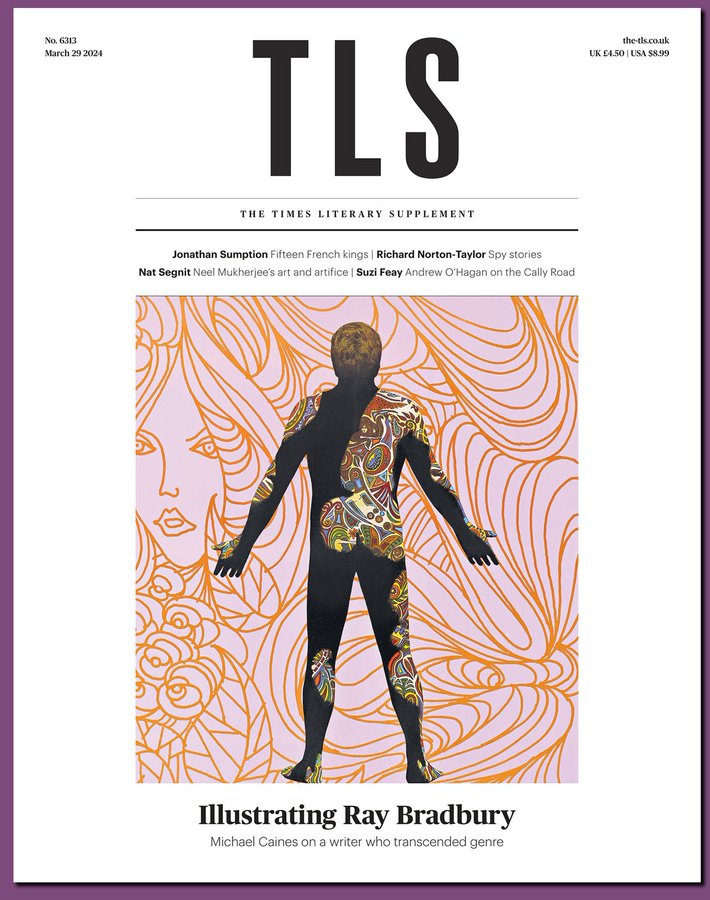
Times Literary Supplement (March 27, 2024): The latest issue features ‘Illustrating Ray Bradbury’ – Michael Caines on a writer who transcended genre; Fifteen French Kings; Spy stories; Neel Mukherjee’s art and artifice; Space colonization and Andrew O’Hagan on the Cally Road….
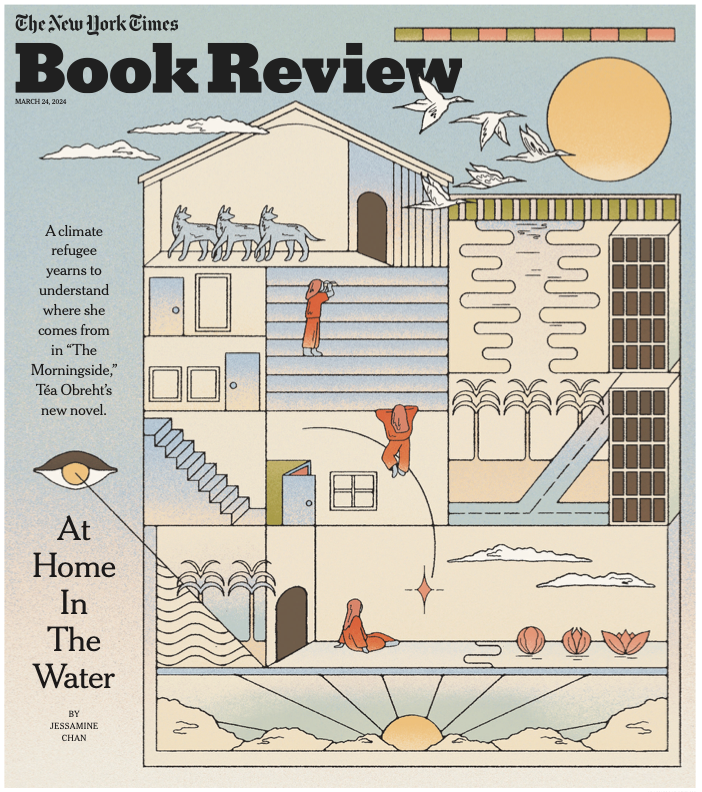
“The Morningside” reckons with climate change and its fallout while finding hope in the stories we preserve.
By Jessamine Chan
THE MORNINGSIDE, by Téa Obreht
The elegant, effortless world-building in Téa Obreht’s haunting new novel, “The Morningside,” begins with a map. Island City resembles Manhattan, but alarmingly smaller, the borders of the city redrawn by the rising water. There’s the River to the east, the Bay to the west. Here, hurricanes and tides have made building collapse a constant danger, the freeway is visible only on low-tide days, food is government rations, the wealthy have fled “upriver to scattered little freshwater townships,” and gigantic birds called rook cranes are everywhere.
CHASING BEAUTY: The Life of Isabella Stewart Gardner, by Natalie Dykstra
Bright, impetuous and obsessed with beautiful things, Isabella Stewart Gardner led a life out of a Gilded Age novel. Born into a wealthy New York family, she married into an even wealthier Boston one when she wed John Lowell Gardner in 1860, only to be ostracized by her adopted city’s more conservative denizens, who found her self-assurance and penchant for “jollification” a bit much.
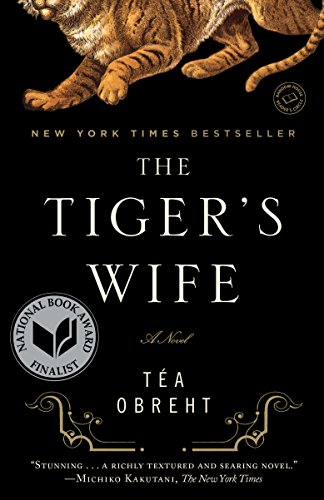
Téa Obreht’s stunning debut novel, “The Tiger’s Wife,” is a hugely ambitious, audaciously written work that provides an indelible picture of life in an unnamed Balkan country still reeling from the fallout of civil war. At the same time it explores the very essence of storytelling and the role it plays in people’s lives, especially when they are “confounded by the extremes” of war and social upheaval and need to somehow “stitch together unconnected events in order to understand” what is happening around them.
Verbose robots, and why some people love Bach: Books in Brief
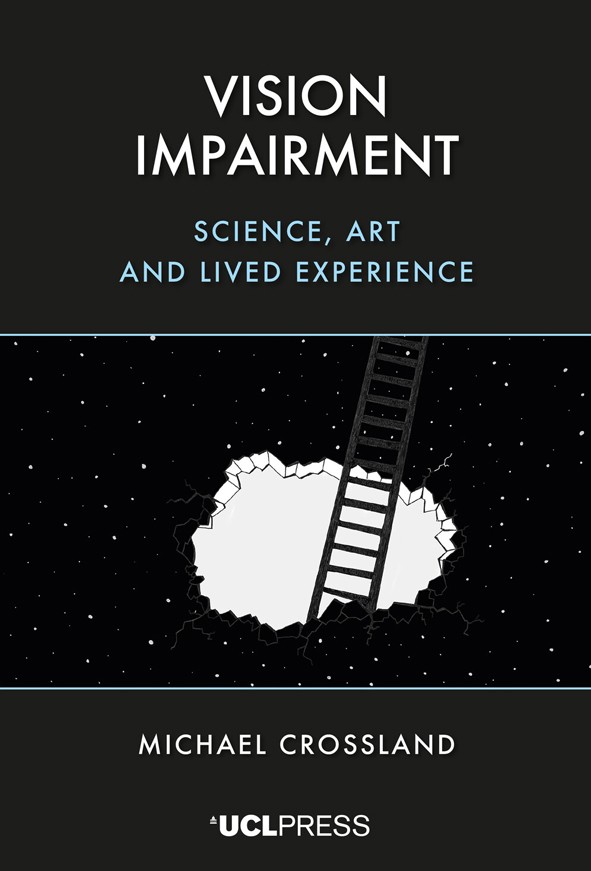
Vision Impairment
Michael Crossland UCL Press (2024)
On a typical day in his clinic, London-based optometrist Michael Crossland assesses both young children and centenarians with low vision. Severe vision impairment affects 350 million people around the world, many of whom in poorer countries lack access to any eye care. His fascinating, sometimes moving, account — mixing ophthalmology with the stories of his patients and many others — reveals that life with vision impairment can be “just as rich and rewarding as life with 20/20 vision”.
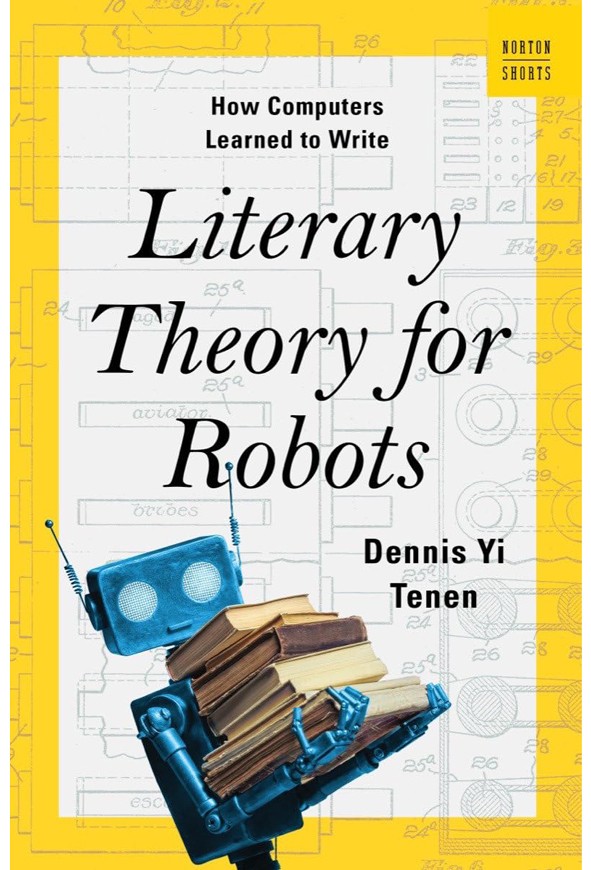
Literary Theory for Robots
Dennis Yi Tenen W. W. Norton (2024)
Artificial intelligence (AI) is rooted in the humanities, argues Dennis Yi Tenen, a comparative-literature professor and former Microsoft engineer. Chatbots are trained using electronic versions of tools such as “dictionaries, style guides, schemas, story plotters [and] thesauruses” that were historically part of the collective activity of writing. Indeed, a statistical model called the Markov chain, crucial to AI, arose from an analysis of vowel distribution in poems by Alexander Pushkin. Tenen’s cogitation is a witty, if challenging, read.
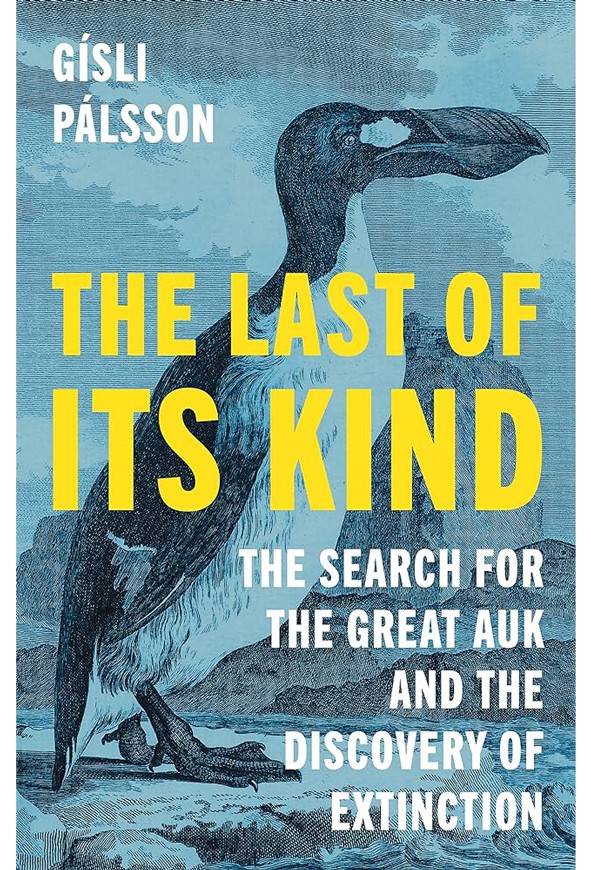
The Last of Its Kind
Gísli Pálsson Princeton Univ. Press (2024)
Living species could never become extinct, thought naturalist Carl Linnaeus. Charles Darwin disagreed, saying extinction was a natural process. Then ornithologists John Wolley and Alfred Newton began studying great auks, flightless birds living on remote islands in the North Atlantic Ocean. They visited Iceland in 1858 to see great auks, but instead met locals who described killing off the birds — revealing how humans could extinguish a species. Anthropologist Gísli Pálsson tells the engaging story of this “key intellectual leap”.
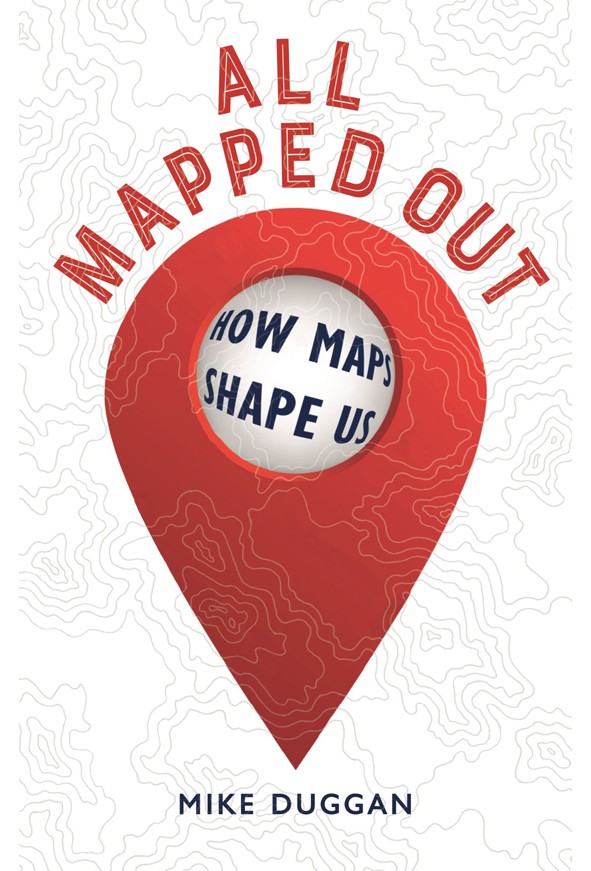
All Mapped Out
Mike Duggan Reaktion (2024)
Cultural geographer Mike Duggan works in partnership with the UK national mapping agency, Ordnance Survey, to study everyday digital-mapping practices. Important as it is, digital mapping is not superseding analogue maps, he observes in his global history of cartography, which begins with Palaeolithic carvings. Sales of Ordnance Survey paper maps are rising, perhaps because of their convenience. “Although digital maps are improving constantly in accuracy and design, they do not always live up to those promises.”
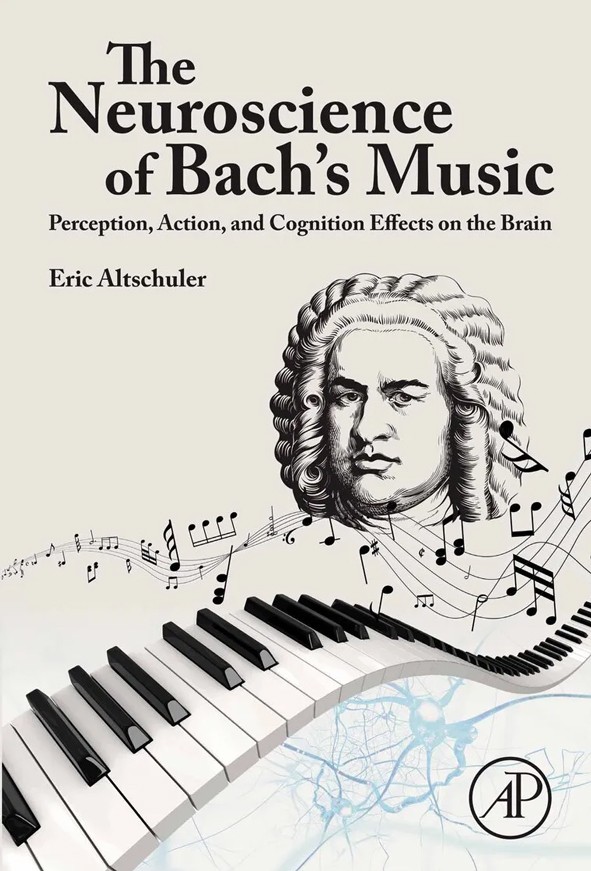
The Neuroscience of Bach’s Music
Eric Altschuler Academic (2024)
Physician and neuroscientist Eric Altschuler regards J. S. Bach as the greatest composer ever, as do many others. Altschuler’s pioneering study — illustrated with numerous musical examples — aims to show how Bach-centred neuroscience “can help us better appreciate perceptual and cognitive affects in Bach” and create better performances of the composer’s work. It also teaches us how music perception is not localized to one region of the brain but occurs throughout it, and varies from person to person.
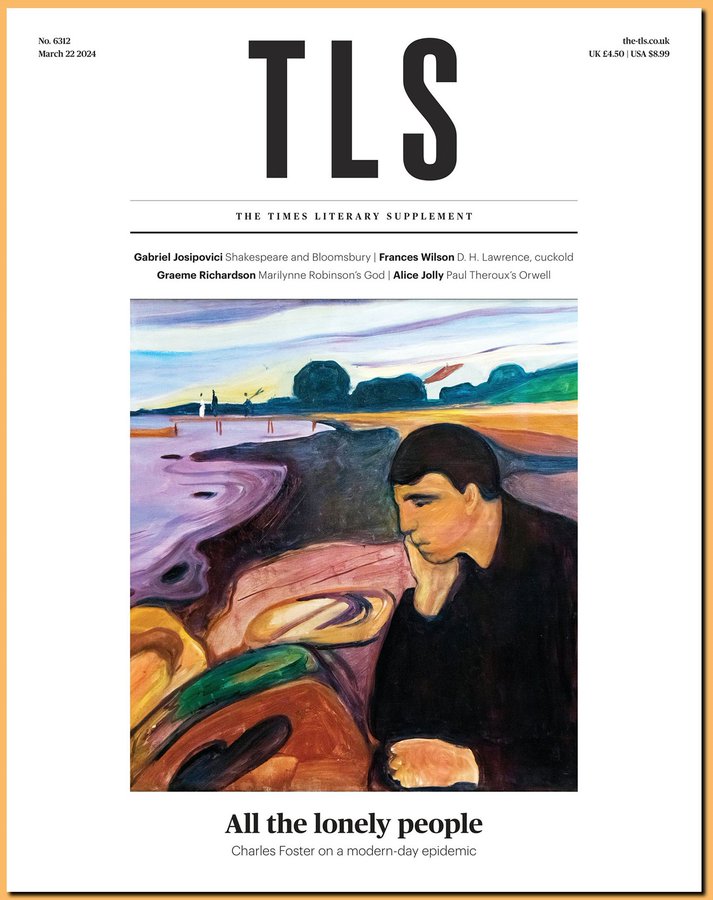
Times Literary Supplement (March 22, 2024): The latest issue features ‘All the Lonely People’ – Charles Foster on a modern-day epidemic; Shakespeare and Bloomsbury; D.H. Lawrence, cuckhold; Marilynne Robinson’s god; Paul Theroux’s Orwell…
This week’s @TheTLS, featuring @tweedpipe on loneliness; Andrew Holter on Helen Keller; Gabriel Josipovici on Shakespeare, Bloombsbury and Beckett; @rwilliamsparis on Annie Ernaux and photography; @JollyAlice on Paul Theroux; Simone Gubler on fatphobia – and much more pic.twitter.com/nlzNR1MW0B
Poetry a special section Black poetry by William Logan Shakespeare’s words by Amit Majmudar Bachmann: the unspeakable spoken by Peter Filkins The new & the old by Katie Hartsock The answer to Lord Chandos by Pascal Quignard
New translations by Ryan Choi, Frederick Amrine, Patrick Whalen & Beverley Bie Brahic
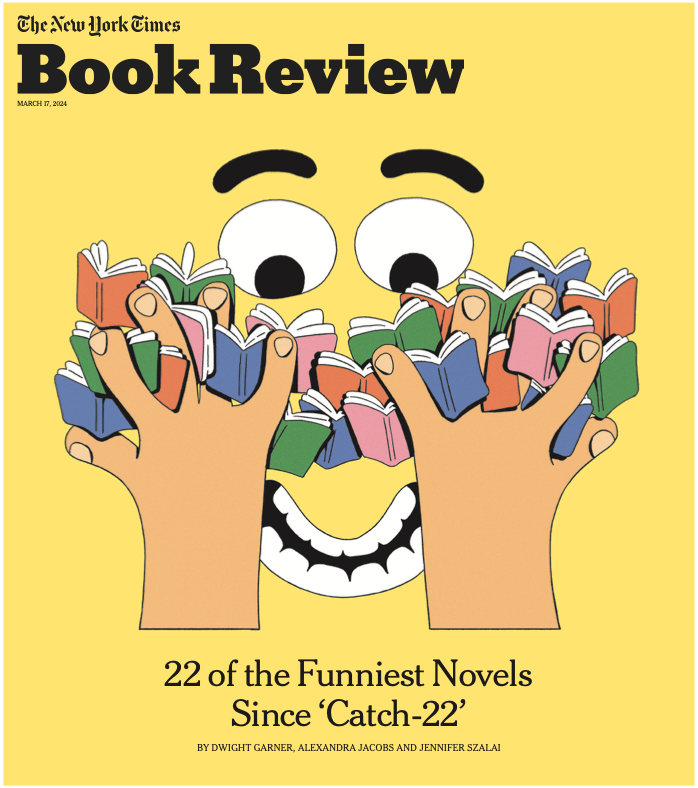
When it comes to fiction, humor is serious business. If tragedy appeals to the emotions, wit appeals to the mind. “You have to know where the funny is,” the writer Sheila Heti says, “and if you know where the funny is, you know everything.” Humor is a bulwark against complacency and conformity, mediocrity and predictability.
With all this in mind, we’ve put together a list of 22 of the funniest novels written in English since Joseph Heller’s “Catch-22” (1961). That book presented a voice that was fresh, liberated, angry and also funny — about something American novels hadn’t been funny about before: war. Set during World War II and featuring Capt. John Yossarian, a B-25 bombardier, the novel presaged, in its black humor, its outraged intelligence, its blend of tragedy and farce, and its awareness of the corrupt values that got us into Vietnam, not just Bob Dylan but the counterculture writ large.
These are things gaslighters say, writes Kate Abramson.
As she explains in “On Gaslighting,” the term originated in the 1944 film “Gaslight,” and after entering the therapeutic lexicon of the 1980s, steadily made its way into colloquial usage.
As a society we have become adept at classifying actions within interpersonal relationships using therapy-speak. From “attachment style” to “trauma-bonding,” personal judgments have become diagnoses — without the assistance of a licensed professional: Anyone with a social media account or a jokey T-shirt can get in on the action. (In 2021, the flippant phrase “gaslight, gatekeep, girlboss” became a popular, snide social-media shorthand for a certain kind of capitalist feminism.)
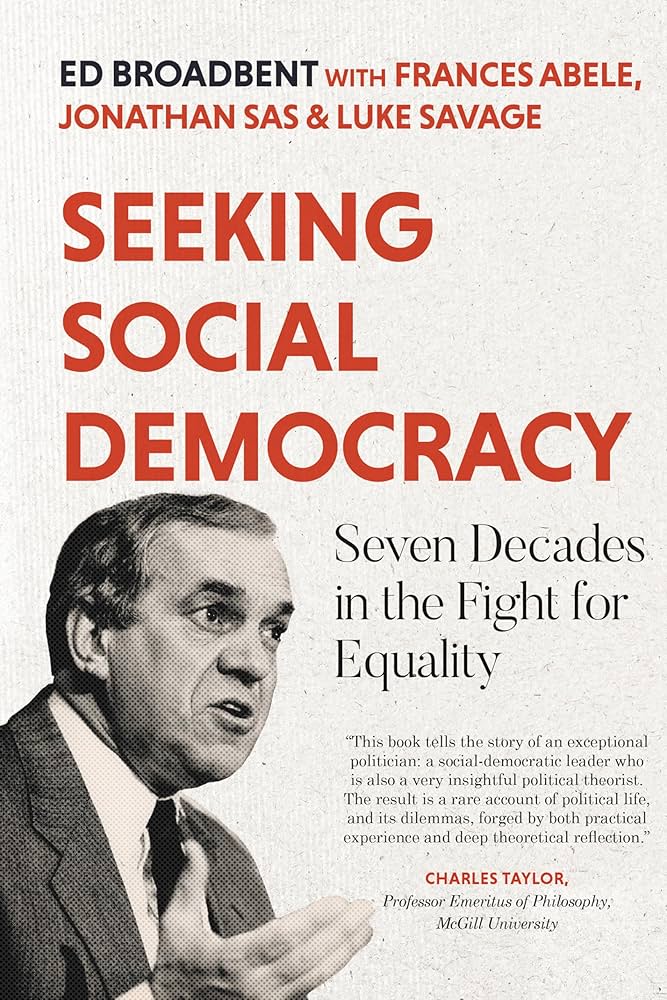
Seeking Social Democracy: Seven Decades in the Fight for Equality by Ed Broadbent, with Frances Abele, Jonathan Sas, and Luke Savage
On July 6, 1975, Ed Broadbent, then a thirty-nine-year-old member of Parliament from Oshawa, Ontario, delivered a speech at the New Democratic Party convention in Winnipeg, capping off his campaign to become just the third leader in the young party’s history. It was a tumultuous time. Across the rich world, the social democratic settlement that had been brought about by the twin catastrophes of the Great Depression and the Second World War was beginning to unravel with the collapse of the Bretton Woods monetary system, the oil shock precipitated by the Arab-Israeli conflict, the beginning of industrial decline, and the emergence of persistent inflation. The year before, the NDP had suffered a significant electoral setback when, after supporting the minority Trudeau government in Parliament since 1972, it lost almost half its seats despite seeing its vote share decline by only 2.4 percent.
Motor City Meltdown – Catherine Leroux’s alternative history
The Future by Catherine Leroux; Translated by Susan Ouriou
In The Future’s reimagined history, the French never ceded Fort Détroit to the British in 1760, and the British never ceded it to the United States as part of the Treaty of Paris in 1783. Instead, the community has remained proudly French Canadian for centuries. (“Never forget we were two shakes away from becomin’ American,” a current resident proclaims.) But while the Motor City was once “full of people, full of music, full of words,” it now struggles in economic ruin — ravaged by pollution, poverty, and crime. It is “a place devoid of faith or law,” with poison in the river and pictures of missing children posted everywhere.
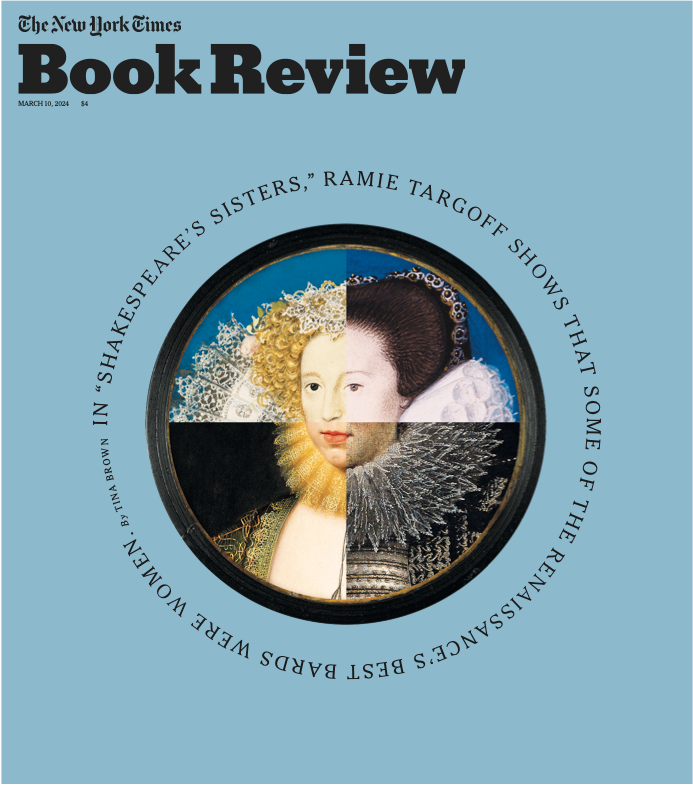
THE NEW YORK TIMES BOOK REVIEW (March ,8 2024): The latest issue featuresRenaissance scholar Ramie Targoff’s new book, “Shakespeare’s Sisters,” which sets out to show modern readers that the Elizabethan era did indeed produce its share of great women writers, and she details four of them across a range of disciplines.
In “Shakespeare’s Sisters,” the Renaissance scholar Ramie Targoff presents an astounding group of Elizabethan women of letters.
By Tina Brown
SHAKESPEARE’S SISTERS: How Women Wrote the Renaissance, by Ramie Targoff
Judith Shakespeare, Virginia Woolf’s imaginary sister of the Bard, was for years the accepted portrait of the nonexistent writer of Renaissance England. In “A Room of One’s Own,” her seminal feminist essay, Woolf concluded that any glimmer of female creativity in Shakespeare’s time would have been expunged by a pinched life as a breeding machine of children who so often died, disallowed opinions of her own. Had any woman survived these conditions, wrote Woolf, “whatever she had written would have been twisted and deformed, issued from a strained and morbid imagination.”
Using clever camera methods, a new photo book illuminates how honeybees see plants and flowers.
By William Atkins
In WHAT THE BEES SEE: The Honeybee and Its Importance to You and Me, Craig P. Burrows’s ultraviolet-lit photographs mimic the fluorescence his botanical subjects emit when exposed to sunlight, revealing colors and textures usually obscured by the dazzle of visible light. Because bees see in the ultraviolet spectrum, Burrows’s method can afford us a glimpse of the world as they perceive it: His portraits of plants are, in part, prompts for interspecies empathy at a time when bees are under attack on multiple fronts, from air pollution to pesticides.
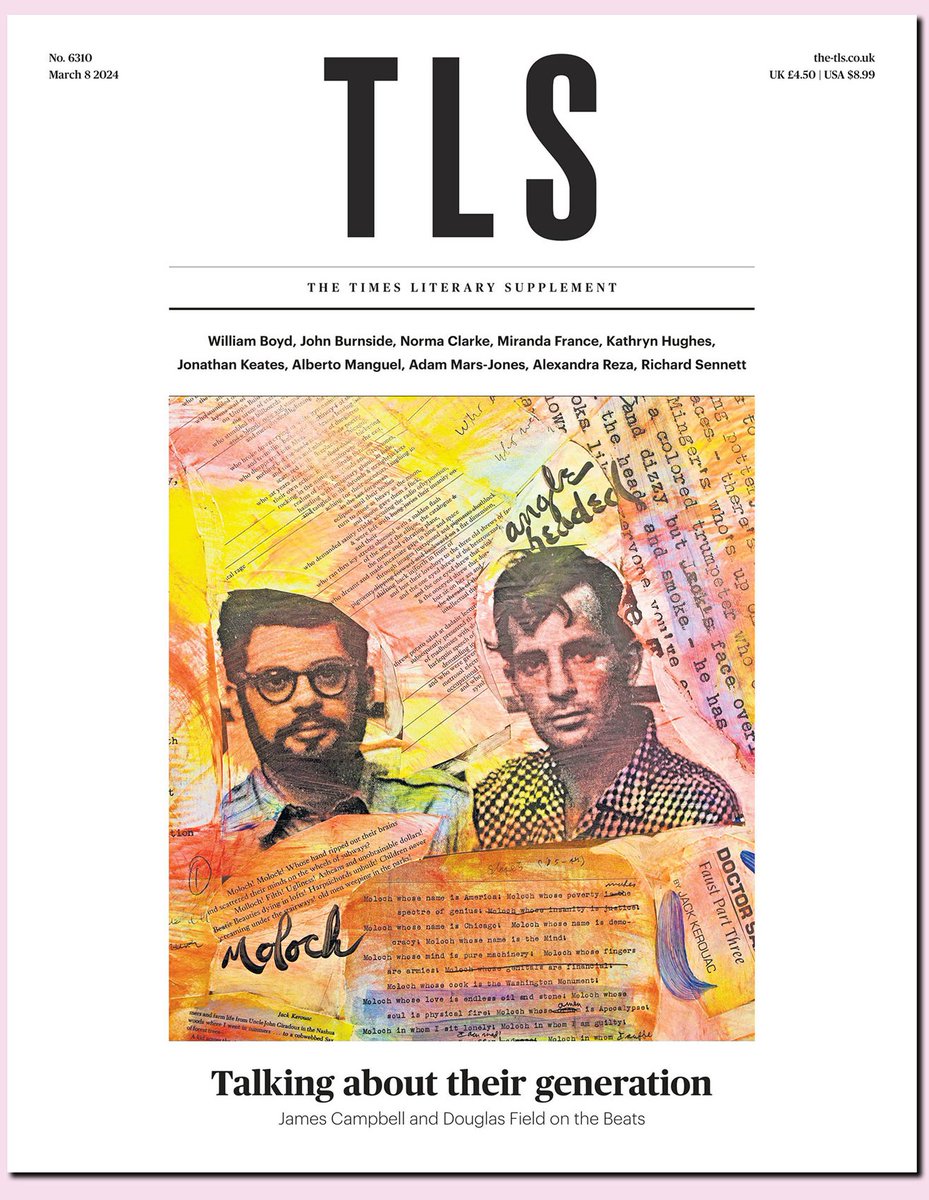
Times Literary Supplement (March 6, 2024): The latest issue features‘Talking about their generation’ – James Campbell and Douglas Field on the Beats including Jack Kerouac and Allen Ginsberg; Alexandra Reza on Frantz Fanon; Miranda France on Montserrat Roig….
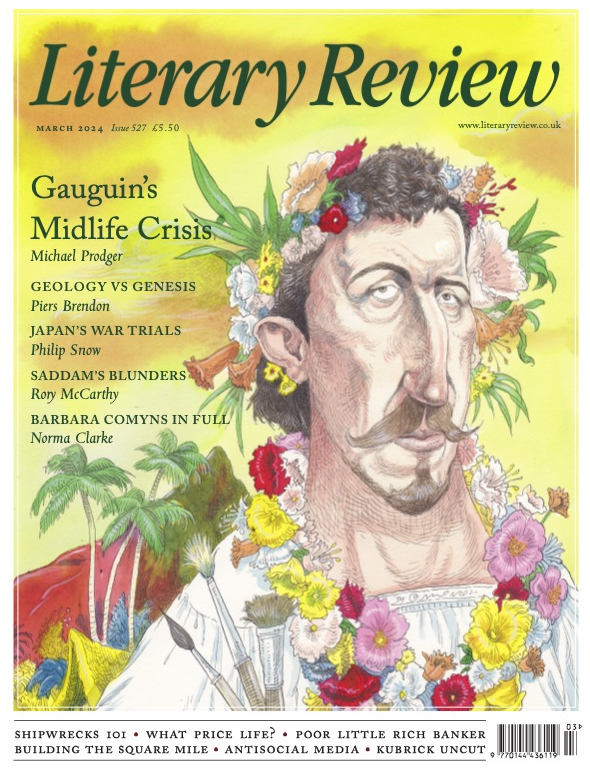
Literary Review – March 1, 2024: The latest issue features ‘Gaughin’s Midlife Crisis’; Geology vs Genesis; Japan’s War Trials; Saddam’s Blunderers and Barbara Comyns in Full…
“The Showman: The Inside Story of the Invasion That Shook the World and Made a Leader of Volodymyr Zelensky” By Simon Shuster
As someone who has to consume quite a lot of Russian media, I can tell you that if there is one common denominator, it’s that whether we’re talking about a shouty TV news programme (less Newsnight, more a kind of geopolitical Jeremy Kyle Show), a stodgy government newspaper of record or a racy tabloid, no one has a good word for Volodymyr Zelensky.
There are, I have long suspected, two types of cinephiles: those who think Stanley Kubrick’s 2001: A Space Odyssey (1968) is a masterpiece and those who think it’s a relentless bore. Early in their new biography of the film director, Kubrick: An Odyssey, Robert P Kolker and Nathan Abrams make clear which camp they belong to, describing the scene in which the astronaut Frank Poole jogs around (and around and around and around) the spaceship Discovery as ‘one of the most lyrical passages in film history’.
News, Views and Reviews For The Intellectually Curious

















 Boomers Daily