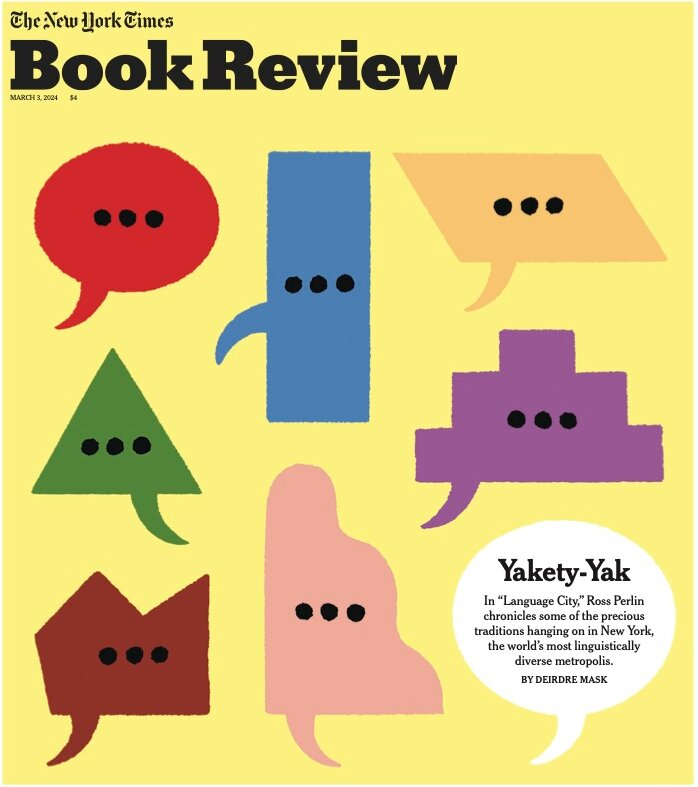
THE NEW YORK TIMES BOOK REVIEW (March 1, 2024): The latest issue features ‘Yakety-Yak’ – In “Language City”, Ross Perlin chronicles some of the precious traditions hanging on in New York, the world’s most linguistically diverse metropolis…
The feisty title character of her new book, “Ferris,” has a sharp eye for detail, and so, its author hopes, does she. Meanwhile, she is on an Alice McDermott reading jag.
In “Language City,” the linguist Ross Perlin chronicles some of the precious traditions hanging on in the world’s most linguistically diverse metropolis.
Sometimes we ignore a book’s material presence: absorbed, ‘good’ reading is often figured as a forgetting of the material conditions of book, body, room and time, even though these conditions affect how we read. With certain other books it makes no sense to separate text from object.
Bibliophobia: The End and the Beginning of the Book by Brian Cummings.
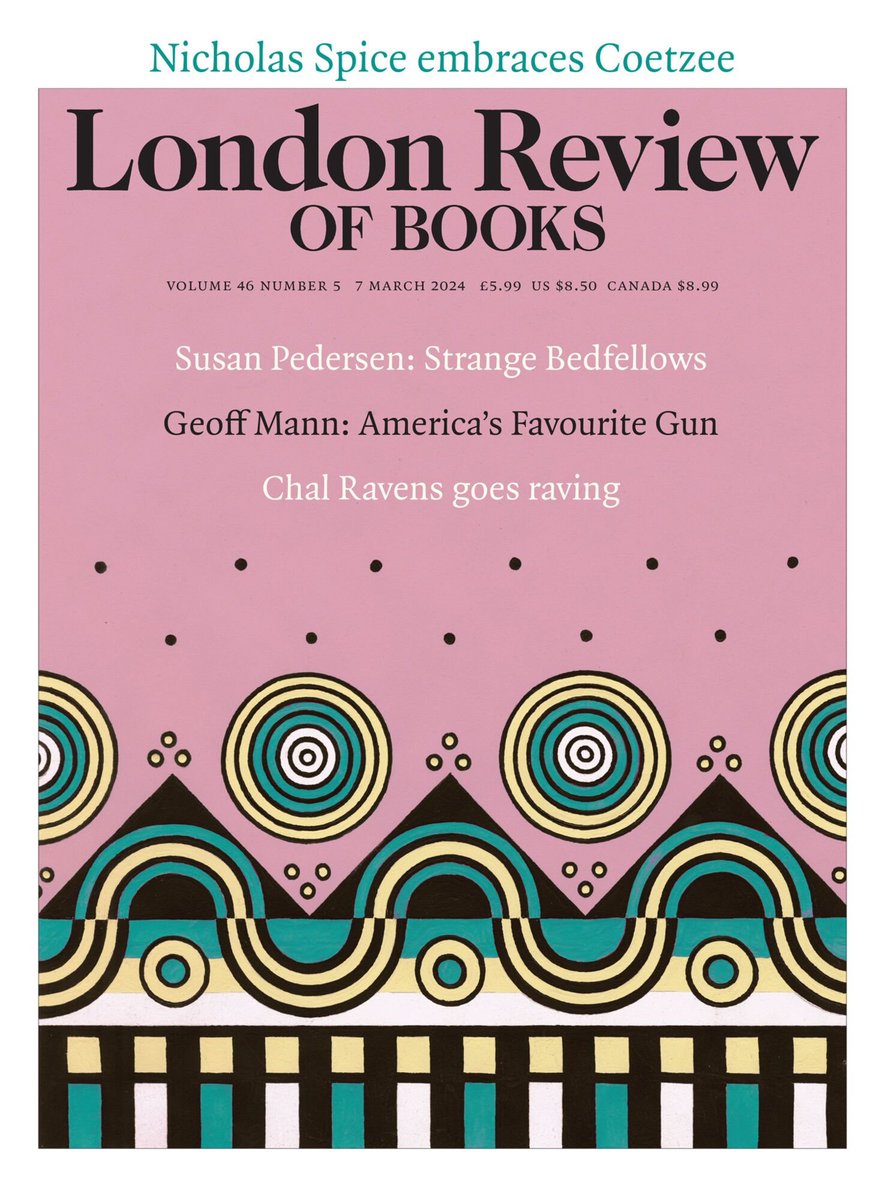
There are seventy million more privately held guns in the US – around four hundred million of them – than there are people. AR-15s comprise about 5 per cent of the total, but it is currently the best-selling rifle in the country.
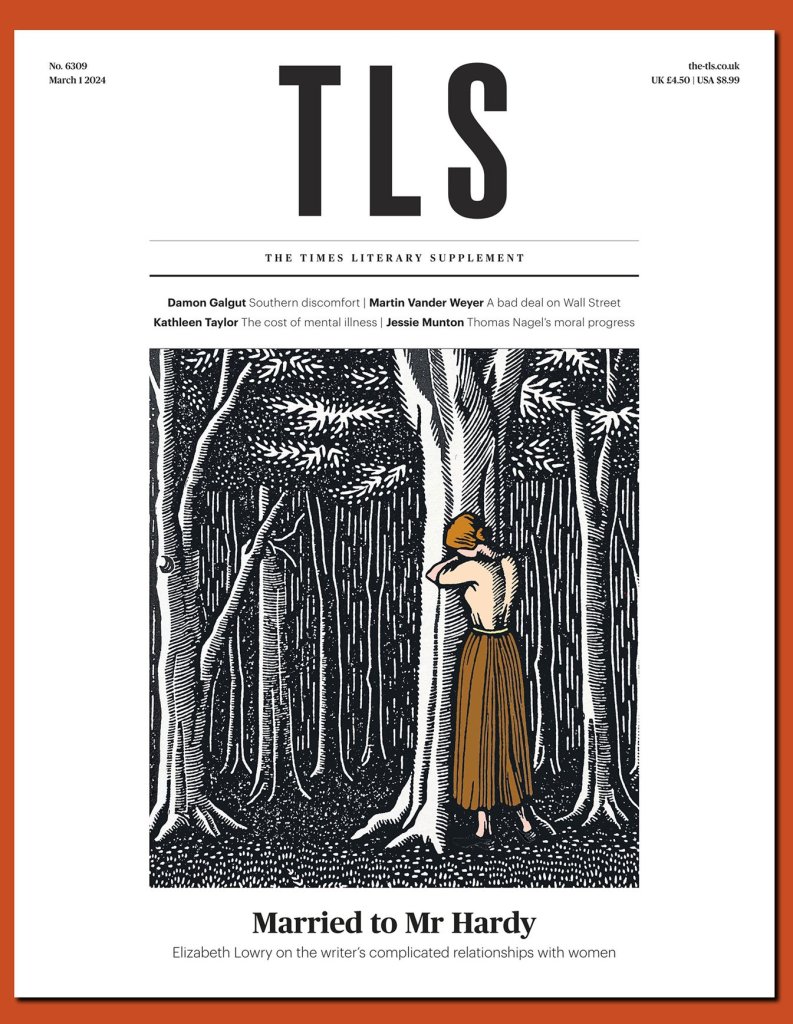
Times Literary Supplement (February 28, 2024): The latest issue features ‘Married to Mr. Hardy’ – The writer’s complicated relationships with women; Southern discomfort; a bad deal on Wall Street…
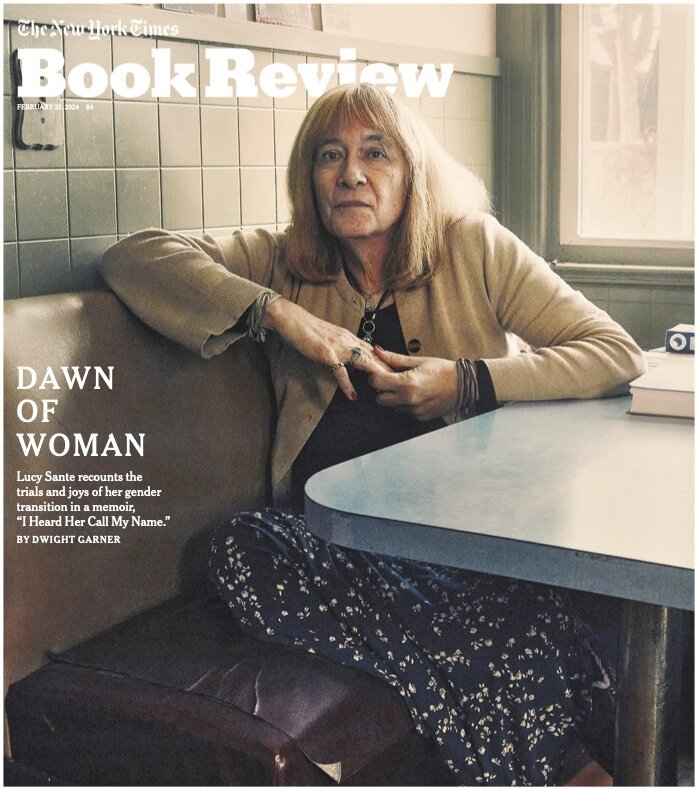
THE NEW YORK TIMES BOOK REVIEW (February 23, 2024): The latest issue features ‘Dawn of Woman’ – Lucy Sante recounts the trials and joys of her gender transition in a memoir, “I Heard Her Call My Name”…
Times Literary Supplement (February 21, 2024): The latest issue features ‘The Unknown Leader’ – Fintan O’Toole looks for clues in a biography of Keir Starmer; Zelensky on the ropes; Ukraine’s rock star poet; Habermas and social media and The novel of the Year?….
Israel’s eternal dilemma by Victor Davis Hanson Enrique Gómez Carrillo by Anthony Daniels The singularity of speech by Wilfred M. McClay A life in ballet by Peter Martins
New poems by Amit Majmudar, James Matthew Wilson & Michael Casper
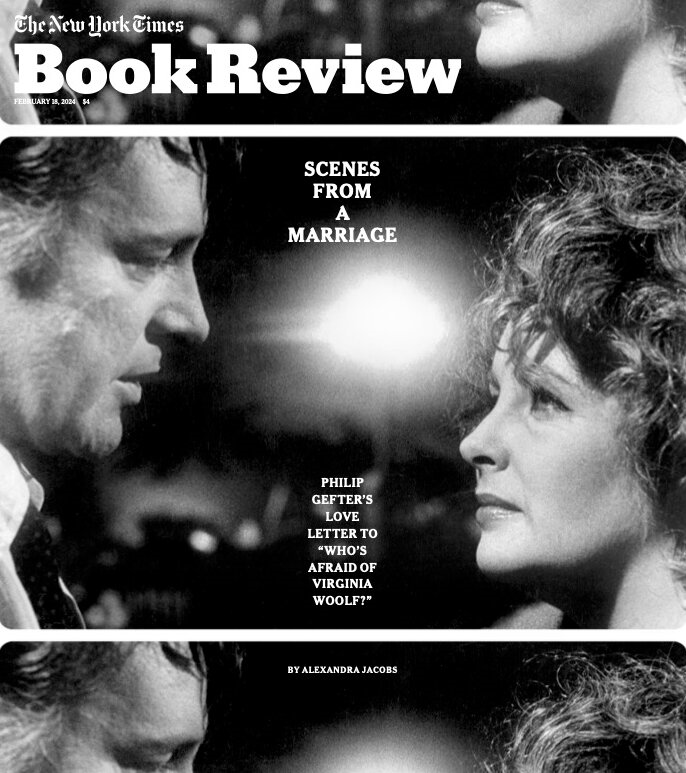
THE NEW YORK TIMES BOOK REVIEW (February 16, 2024): The latest issue features ‘Philip Gefter’s sizzling, “unapologetically obsessive” new book, “Cocktails With George and Martha: Movies, Marriage and the Making of ‘Who’s Afraid of Virginia Woolf?’” Our critic Alexandra Jacobs calls it “a shot glass filled with one work that, alongside contemporaneous books like Richard Yates’s novel ‘Revolutionary Road’ and Betty Friedan’s polemic ‘The Feminine Mystique,’ showed how the ‘cartoon versions of marriage’ long served up by American popular culture always came with a secret side of bitters.”
With Burton and Taylor as stars and a writer and director feuding, adapting the scabrous play wasn’t easy. “Cocktails With George and Martha” pours out the details.
‘Neighbors’ Opens the Door to a Literary Career Cut Short
A story collection from Diane Oliver, who died at 22, locates the strength in Black families surviving their separate but equal surroundings.
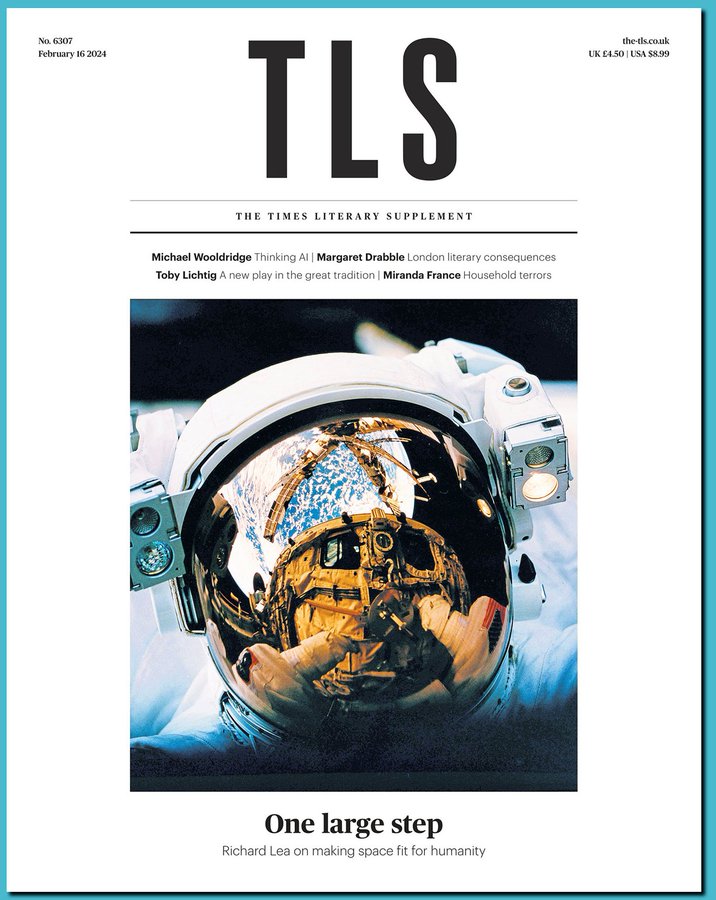
Times Literary Supplement (February 14, 2024): The latest issue features Thinking AI; London literary consequences, A new play in the great tradition, and Household terrors…
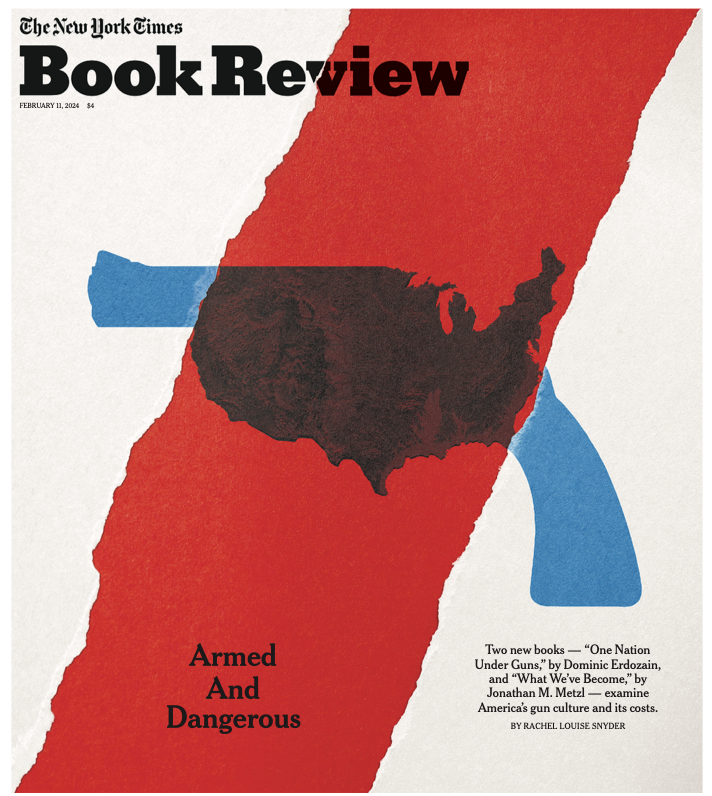
THE NEW YORK TIMES BOOK REVIEW (February 9, 2024): The latest issue features ‘Armed And Dangerous’ – Two new books – “One Nation Under Guns”, by Dominic Erdozain, and “What We’ve Become”, by Jonathan M. Metzl – examine America’s gun culture and its costs…
Two new books consider how the country’s obsession with firearms has become an existential threat.
By Rachel Louise Snyder
ONE NATION UNDER GUNS: How Gun Culture Distorts Our History and Threatens Our Democracy, by Dominic Erdozain
WHAT WE’VE BECOME: Living and Dying in a Country of Arms, by Jonathan M. Metzl
Last year, a friend from Brunei visited me in the United States. She is American but was raised in Sudan and has lived in Cambodia and Scotland, among other places. We were talking about the rise in anxiety among teenagers in America when another friend texted me; her daughter had just arrived home from school, where she’d spent the afternoon in lockdown. “Of course your kids have anxiety,” my Brunei friend said. “They’re being raised in a war zone.”
In Margot Livesey’s new novel, “The Road From Belhaven,” a 19th-century farm girl’s life and maturity are complicated by her uncontrollable visions of accident and disaster.
By Daisy Lafarge
Lizzie Craig has a gift: She sees “pictures” of events before they take place. It happens first when she’s 10, with a vision in which her grandfather’s scythe slips from a whetstone and injures his leg. It’s the tail end of the 19th century in Fife, rural Scotland, where Lizzie is brought up by her grandparents on Belhaven Farm. Her pictures, more often than not, are premonitions of accidents and disasters: a hurt leg, a wheel coming off a cart, a tree hit by lightning. They tend to arrive “a few weeks before the accident,” giving Lizzie time to prepare, and sometimes, intervene accordingly.
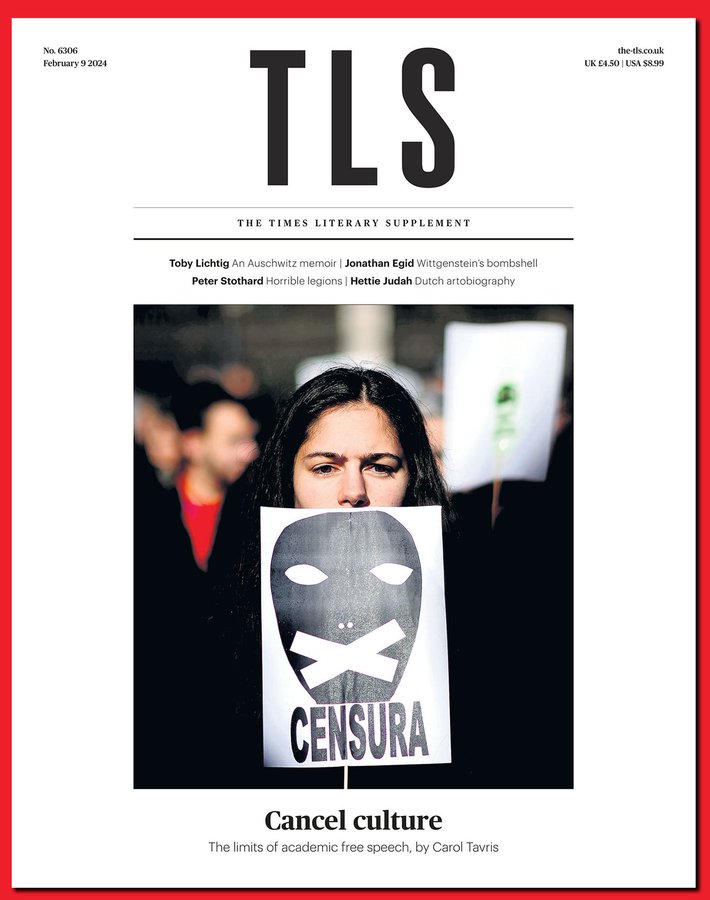
Times Literary Supplement (February 7, 2024): The latest issue features ‘Cancel Culture’ – The limits of academic free speech; An Auschwitz memoir; Wittgenstein’s bombshell; Horrible legions and Dutch artobiography…
















 Boomers Daily